REVIEW · VALLETTA
The Taste and History of Valletta
Book on GetYourGuide →Operated by Mark My Travel Ltd · Bookable on GetYourGuide
Food in Valletta comes with armor stories. This 3.5-hour walking tour pairs real Maltese tastings with straight-to-the-point history as you move between landmarks. I love that it starts at St John’s Co-Cathedral area and keeps the focus on both what you’re eating and why Valletta looks and tastes the way it does.
I also like the pacing: you get frequent stops and chances to reset between bites. The downside to keep in mind is simple—this is a walking tour with a fair amount of stepping around the city, so comfortable shoes matter.
In This Review
- Key Highlights at a Glance
- Entering Valletta from St John’s Co-Cathedral
- 180-Year Coffee Stop: Pastries, Tradition, and Local Legends
- Ftira and Local Snack Energy at a Neighborhood Snackbar
- A Meal in an 1874 Building: Typical Dishes with Maltese Wine
- Chocolate Shop Finale: Malta-Made Sweet Stops
- Walking Pace and Breaks: How the Tour Keeps You Comfortable
- Price and Value: What $118 Covers in Food + City Reading
- What You’ll Probably Taste (and Why Variety Matters)
- Who This Valletta Taste-and-History Tour Fits Best
- Quick Practical Tips Before You Go
- Should You Book This Valletta Food and History Tour?
- FAQ
- How long is the Valletta food tour?
- Where does the tour start and end?
- What food and drink tastings are included?
- Is the tour in English?
- How much walking should I expect?
- Is there free cancellation?
Key Highlights at a Glance
- St John’s Square to Pjazza Jean de Vallette: a classic route through the heart of Valletta
- An 180-year-old coffee stop: traditional coffee and pastries with local storytelling
- Ftira + local drink options: Maltese ftira paired with soft drink or award-winning beer
- A meal in an 1874 building: typical Maltese dishes with Maltese wine
- Chocolate shop finale: sweets made in Malta to end on a sweet note
Entering Valletta from St John’s Co-Cathedral
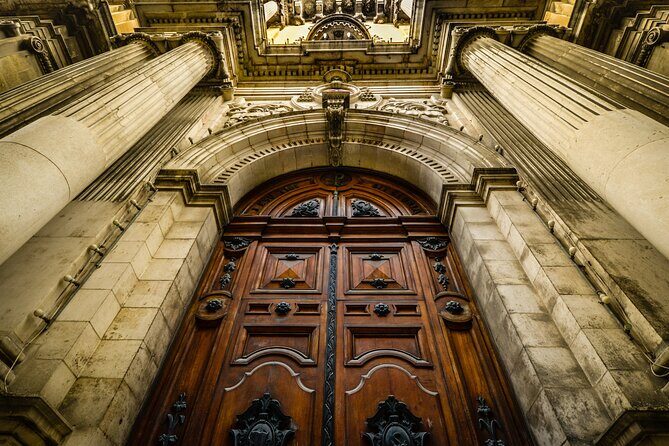
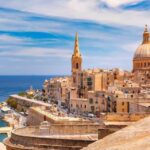
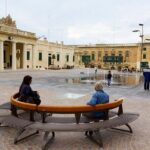
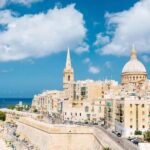
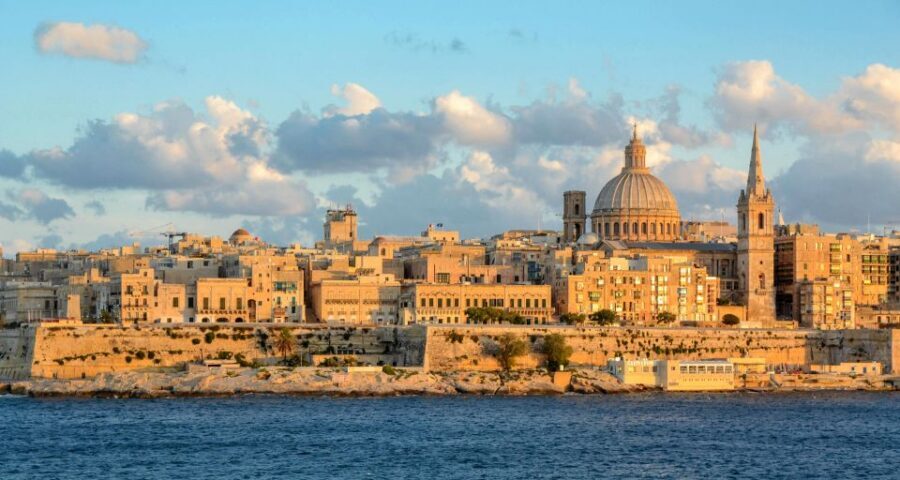
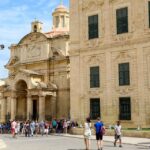
Valletta is built for walking, and this tour uses that fact well. You meet in front of St John’s Co-Cathedral at St John’s Square (Misrah San Gwann), then you work your way toward Pjazza Jean de Vallette. That shape matters: it helps you connect food stops with the city’s layout instead of treating each tasting like a random detour.
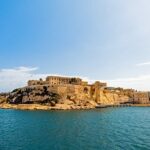
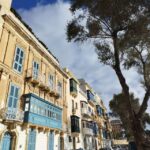
What you’re really buying here is context. The guide weaves in what Valletta is known for—especially its status as a UNESCO World Heritage site and the city’s identity as a fortress built for defense. That background turns ordinary streets into something you can actually read.
One smart detail: you’re in English with a live local guide. That means you can ask questions as they come up, instead of just staring at menu boards and hoping you guess right.
You can also read our reviews of more historical tours in Valletta

180-Year Coffee Stop: Pastries, Tradition, and Local Legends
The tour kicks off by visiting a Maltese landmark with over 180 years of stories. It’s the kind of place locals still use as part of daily life, not just a photo stop. Expect traditional coffee and different pastries, served in a setting where you can feel the routine behind the ritual.
This is a good first stop because it sets the tone for the whole tour. Coffee and pastry don’t overwhelm your stomach, so you’re ready for the stronger, saltier tastes later. And since the guide talks about the cafe’s lasting role in local hearts, the tasting becomes more than sugar and caffeine—it turns into a snapshot of how Valletta keeps its character.
Practical note: pastries can be filling. If you’re the type who always saves room for dessert, start slow here and let the rest of the route breathe.
Ftira and Local Snack Energy at a Neighborhood Snackbar
Next comes a local snackbar where you try a Maltese ftira. You’ll also taste a local soft drink, or you can choose an award-winning beer. That flexibility is useful, especially if you want the flavor experience without committing to alcohol.
Ftira is one of those foods that makes sense once you see how locals eat. It’s the kind of street-style comfort food that shows up when people want something fast, satisfying, and distinctly Maltese. During the stop, the guide’s job is to connect that bite to Valletta’s wider food evolution—how trade, history, and daily life shaped what ends up on the table.
This stop also works because it adds contrast. After coffee and pastry, you get something savory and more substantial. You’re also tasting in a way that feels more like local routine than a staged restaurant meal.
If you’re sensitive to strong smells from busy snack kitchens, it can help to take it easy for the first minute and let your senses adjust—snackbar spaces are lively.
A Meal in an 1874 Building: Typical Dishes with Maltese Wine
Then you head to an enchanting 1874 building that now houses a restaurant focused on typical Maltese traditional cuisine. This is where the tour shifts from snack pace into sit-down meal territory.
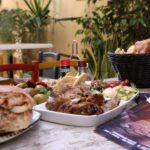
Here, you’ll get a selection of Maltese dishes paired with Maltese wine. The important word is paired. You’re not just eating one random item—you’re trying multiple parts of the cuisine in one sitting, with the guide framing how the flavors fit together and where they came from.
This stop is also where the history talk tends to land hardest. Valletta’s identity as a fortress city shows up in how people lived close together, how food traditions adapted, and how culinary habits stayed practical through changing eras. You’re learning why the city’s architecture and its “keep going” mindset also shaped daily eating.
From the experience design, this meal stop is sized well for most people. The tastings are generous, and you still get time between sections to digest. That pacing matters on a walking tour—if you leave every stop stuffed and rushed, you miss the point of the city.
One consideration: if you don’t drink wine, you may want to think ahead about how you’ll handle the pairing. The tour states wine pairing is part of the experience, so don’t count on swapping unless you ask in the moment.
Chocolate Shop Finale: Malta-Made Sweet Stops
You finish at a charming chocolate shop with chocolates made in Malta. This last stop isn’t just a sugary finish line—it’s a smart way to end a food-history tour. By the time you reach chocolate, you’ve already covered coffee, savory street food, and a traditional meal. The dessert gives your palate a clear reset.
It’s also a good reminder of how Maltese food culture isn’t stuck in the past. Even if the tour spends time on older landmarks and long-standing traditions, the finale shows something current: locally produced chocolate that you can recognize as part of modern Valletta.
If you like to bring home gifts, this is the moment to think about what to buy. You’ll be most awake and organized at the end of the tour, when you can pick favorites before you’re tired.

Walking Pace and Breaks: How the Tour Keeps You Comfortable
This is a walking tour, and the route covers enough ground that comfortable shoes are not optional. Valletta’s streets can be uneven and steep in spots, and you’re on foot for the full story.
Still, the tour is built around breaks. Stops are spaced out so you can digest and absorb the history, instead of doing a constant snack sprint. That helps a lot if you’re visiting in warmer weather, or if you’re sensitive to getting too full too fast.
The small group format is another quiet advantage. With a smaller group, it’s easier to move together and easier for the guide to keep track of timing. You’ll also get a more human experience when you’re seated and not squeezed into a loud crowd.
One more detail worth calling out: some guides are more talkative while walking than while seated. If you prefer lots of back-and-forth during the meal, just know the history and explanations can shift in volume depending on the stop and the moment.
Price and Value: What $118 Covers in Food + City Reading
At $118 per person, this isn’t a bargain snack crawl. But it’s not priced like a high-end tasting menu either. The value comes from three things you typically don’t get together elsewhere:
- Guided walking tour through the key areas you actually want to understand (with local architectural and cultural context)
- Multiple culinary tastings across different styles—coffee/pastry, ftira + drink, traditional dishes with wine, and chocolate
- Historical insights tied to what you’re eating and what you’re seeing, including Valletta’s UNESCO World Heritage framing and its role as a fortress city
You’re paying for both the food and the interpretation. If your main goal is only to eat, you might feel you can do tastings on your own for less. But if you want the city to make sense—why these places are where they are, why certain foods keep showing up—this format saves you time and gives you a storyline.
A practical way to judge the value: ask yourself whether you enjoy learning while you eat. If you do, the price starts to feel fair quickly.
What You’ll Probably Taste (and Why Variety Matters)
The tour doesn’t list every single item in one neat inventory, but the experience consistently focuses on signature Maltese flavors. Pastizzi and street-food-style samples show up as part of the tastings on similar runs, and you can expect an assortment that goes beyond one meal. You may also see items like a tuna sandwich among the savory sampling.
Why variety matters: Valletta food culture isn’t one dish. It’s layers—pastry traditions, savory street bites, and traditional table food. By moving across these types in a 3.5-hour span, you get a more accurate picture than you’d get from picking only one restaurant.
The guide’s role ties that variety to history. You’re not just checking boxes; you’re connecting what changed over time and what stayed familiar.
Come hungry. That advice holds because the stops add up, and they’re designed to keep you fed without turning the tour into one long food coma.
Who This Valletta Taste-and-History Tour Fits Best
This tour is a great match if you want a guided way to explore Valletta without needing to research every stop in advance. It’s also ideal if you like food that reflects local habits, not just tourist menus.
You’ll likely enjoy it most if:
- you’re curious about Valletta’s UNESCO World Heritage story and fortress-city background
- you like learning while you taste, not after the fact
- you want a mix of sweet, savory, and a sit-down meal component
It may not be the best fit if:
- you hate walking and don’t want to be on your feet much
- you prefer very quiet tours or long, detailed lectures during meals
- you strongly avoid alcohol (the tour includes a wine pairing component, while the beverage choice at the snackbar includes a soft drink option)
Quick Practical Tips Before You Go
To get the best experience, plan for the basics:
- Wear comfortable footwear because this is a walking route.
- Dress in layers; Valletta weather can shift, and you’ll be outside between stops.
- Bring a big appetite. The tastings are meant to be generous, and the pacing is designed so you can keep going.
Also, arrive ready to ask questions. The guide adds value when you engage—especially during the historical narrative pieces tied to the places you’re visiting.
Should You Book This Valletta Food and History Tour?
If you’re coming to Valletta for both the city and the food, I’d book it. This is one of those tours where the tasting feels intentional because it’s tied to what makes Valletta Valletta—its fortress roots, UNESCO status, and how everyday eating habits evolved over time.
Skip it only if your idea of a great tour is strictly independent eating, or if walking in older city streets isn’t your thing. Otherwise, this one offers a solid blend of Maltese flavors and clear city storytelling in a tight 3.5 hours.
FAQ
How long is the Valletta food tour?
The tour duration is 3.5 hours.
Where does the tour start and end?
The tour starts at Misrah San Gwann (St John’s Square), with the guide waiting in front of St John’s Co-Cathedral. It ends at Pjazza Jean de Vallette.
What food and drink tastings are included?
The tour includes traditional tastings such as coffee and pastries, Maltese ftira with a local soft drink or award-winning beer, Maltese traditional dishes paired with Maltese wine, and chocolates made in Malta.
Is the tour in English?
Yes, the live tour guide offers the experience in English.
How much walking should I expect?
You should expect a fair amount of walking, so comfortable shoes are recommended.
Is there free cancellation?
Yes. You can cancel up to 24 hours in advance for a full refund.