REVIEW · VALLETTA
The Original Valletta Ghost Tour
Book on Viator →Operated by Colour my Travel · Bookable on Viator
Valletta has a way of feeling theatrical even on a normal day, and this ghost walk turns that vibe up. You’ll follow a guided story route through famous streets and landmarks, with fully narrated spooky history that connects the Knights, British eras, and wartime mood to what you see on the ground.
Two things I really like: the small-group feel (keeps it personal while still being lively) and the professional, friendly guide who can explain the past without sounding like a lecture. One thing to consider is that the tour finishes with a bit of walking in darker streets and around Fort St Elmo, so comfortable shoes matter—plus one stop mentions an admission ticket that’s not included.
In This Review
- Key highlights you’ll feel on this walk
- Valletta’s Ghost Tour: what you’re really buying
- Meeting at Sette Giugno Monument and St George Square focus
- Strait Street: where the stories match the architecture
- Teatru Manoel: the haunted-box question in the theatre
- Marsamxett and Manuel Island: plague quarantine history
- Valletta’s dark narrow streets: the long storytelling walk
- Finishing near Fort St Elmo and the National War Museum
- What makes this tour feel well-run (and easy to follow)
- How much history do you actually get?
- Who should book this ghost tour (and who might skip it)
- Should you book the Original Valletta Ghost Tour?
- FAQ
- How long is The Original Valletta Ghost Tour?
- Where does the tour start and end?
- Is the tour offered in English?
- Is the tour fully narrated?
- What’s included, and what isn’t?
- Are service animals allowed?
Key highlights you’ll feel on this walk
- St George Square kickoff so you start with clear orientation before the first scary story
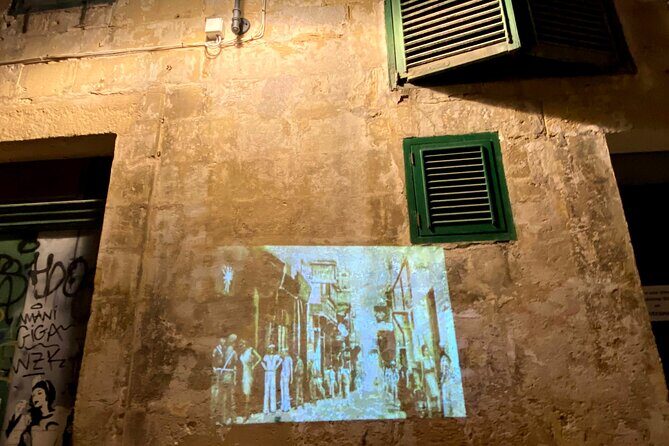
- Strait Street spotlight for spine-chilling tales tied to Valletta’s street layout
- Teatru Manoel theatre stop with a specific haunted-question angle inside the venue
- Marsamxett and Manuel Island history tied to plague-era quarantine infrastructure
- Fort St Elmo finale near the National War Museum for a darker, surprising end-note
- Up to 25 people in English with a fully narrated format you can follow easily
Valletta’s Ghost Tour: what you’re really buying
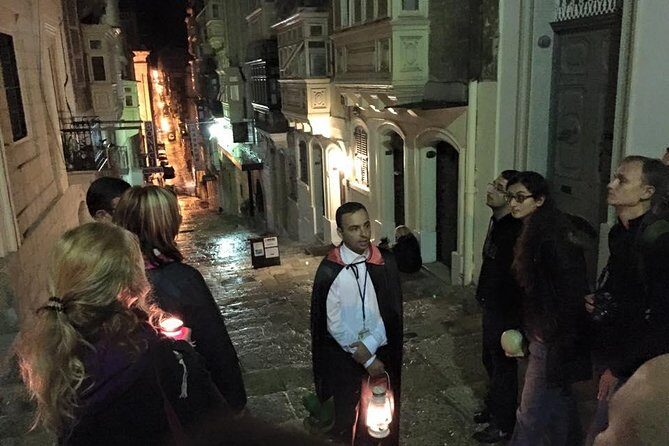
This is a walking tour built around one simple idea: Valletta’s streets are the set, and the guide’s narration is the script. With about 2 hours of walking and storytelling, you get a compact evening route that helps you understand the city, not just see it.
The value isn’t only the “ghost” part. It’s the way the stories are tied to specific places—street corners, a well-known theatre, and then a landmark tied to conflict and survival. That makes the walk feel practical, even if you’re getting a little creeped out along the way.
You can also read our reviews of more tours and experiences in Valletta.



Meeting at Sette Giugno Monument and St George Square focus
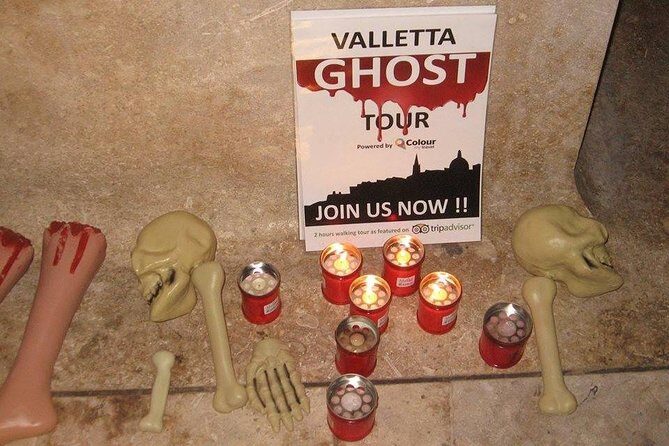
The tour starts at the Sette Giugno Monument, located at 111 Archbishop St. From there, you meet your licensed guide at St George Square, which is a smart starting point: you can regroup easily and you’re not fumbling around in the first few minutes.
At the beginning, you get what you need to enjoy the rest of the night—who you’re with, what the format is, and a sense of direction before you head into narrower streets. It also helps that the guide keeps things friendly and organized, so even if you’re not a big “tour person,” you can relax and just follow.
Strait Street: where the stories match the architecture
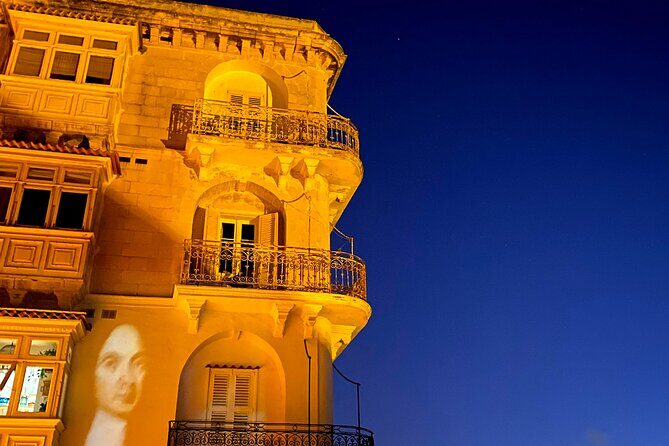
Next you move through Strait Street, and this stop is basically the tour’s early momentum. The street layout does a lot of work for the atmosphere: tight passageways and street shadows make the narration land harder than it would in a wide plaza.
Expect about 15 minutes here. You’re hearing what happened in this area, but the key is how the guide tells it. The best ghost stories aren’t random. They point you to the geography—so you can look around and think, yes, this street shape fits the mood perfectly.
Practical tip: when you’re in older streets, keep your eyes up and your path clear. You don’t need to stare at the guide the whole time, but you do want to avoid stopping too suddenly in the crowd.
Teatru Manoel: the haunted-box question in the theatre
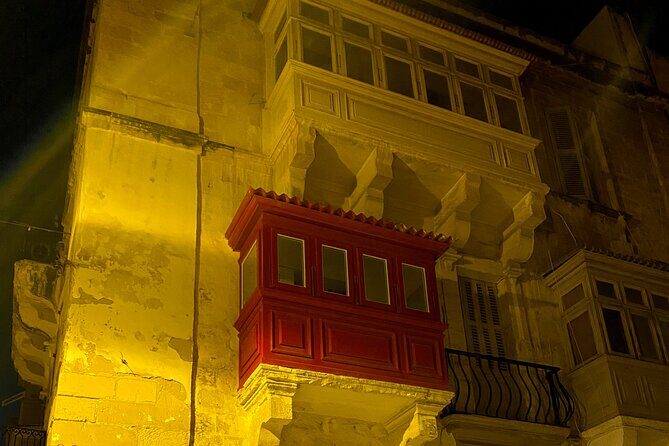
The tour then heads to Teatru Manoel, with another 15-minute stop devoted to a specific spooky theme: which box is said to be haunted inside the Manuel Theatre. That’s a fun twist, because it gives you a concrete thing to focus on rather than just floating through general legends.
A theatre is also a very logical place for ghost stories. It’s built for lighting, sound, crowd energy, and dramatic timing. Even if you don’t get inside deeply (your experience here is short), the narration turns the venue into a character.
If you’re the type who likes history mixed with personality, this stop is one of the stronger ones on the route. It also breaks up the street-walking rhythm, which helps if you’re out late and your feet are starting to complain.
Marsamxett and Manuel Island: plague quarantine history
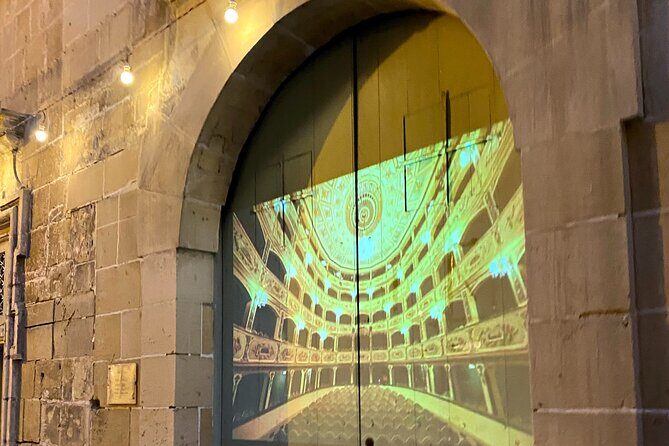
One of the most interesting parts comes at Marsamxett, where you’ll look across toward Manuel Island. This is another 15-minute moment, and the story has a historical spine: there was a quarantine hospital built after an outbreak of the plague.
This is where the tour feels more grounded. Instead of only focusing on fear, it uses fear to explain how cities dealt with real crises. Seeing this stop as a clue to how Malta responded to illness makes the ghost theme feel smarter, not just scarier.
A practical note: the admission ticket for this stop is not included. So if you’re planning your evening budget, expect that one component could cost extra depending on what’s required for access at the time you go.



Valletta’s dark narrow streets: the long storytelling walk
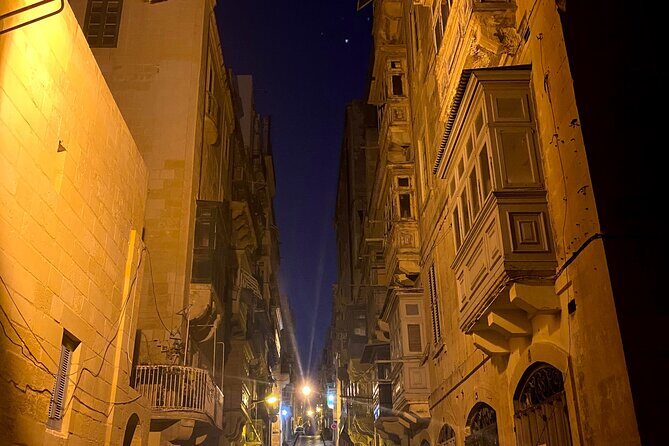
The biggest time block is when the tour continues through the dark, narrow streets of Valletta. This segment is about 1 hour, and it’s the heart of the experience—where the guide’s narration really ties the stops together into a single night story.
I like this part because it’s paced. You’re not stuck at one spot staring at a plaque; you move, you listen, you connect what you just heard to what you’re seeing. It’s also a good way to cover ground if you only have a limited evening and want a guided understanding fast.
Comfort tip: bring water and keep your footwear comfortable. One review also suggested adding a small “comfort touch,” because some areas can get dark, and you’ll want to feel steady. I agree—this is exactly the kind of walk where you don’t want to be thinking about sore feet instead of stories.
Finishing near Fort St Elmo and the National War Museum
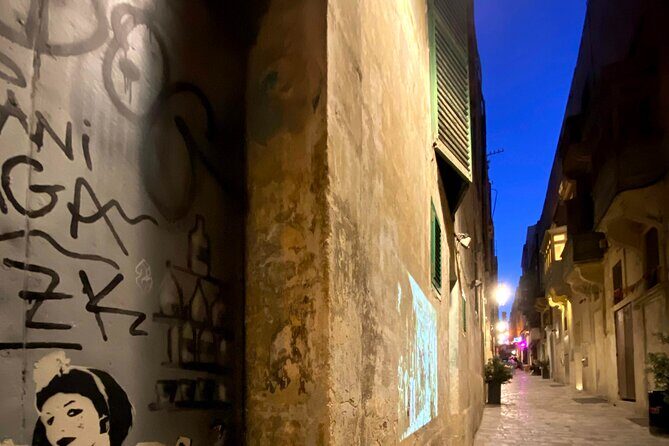
The tour ends close to Fort St Elmo and the National War Museum, with about 10 minutes at the finale. This is a strong ending because it shifts from street legends to a place tied to conflict, defense, and survival.
The narration here is meant to surprise you—what has happened there and what might still feel present in the building. Even if you’re not a “museum person,” this ending works because it reframes the earlier stops. The city’s past isn’t only old. It’s layered, and some of that layering still shapes what you see.
Also, ending at Fort St Elmo area is convenient. You’re finishing by a major landmark, not somewhere hidden. That helps your nerves and your logistics when the tour wraps.
What makes this tour feel well-run (and easy to follow)
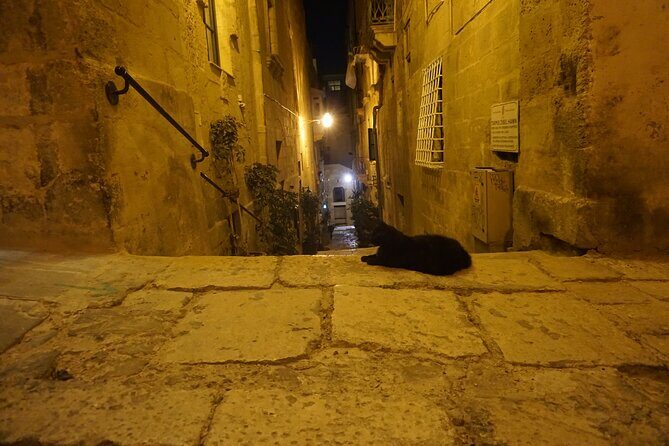
This tour is built for clarity. You get a mobile ticket, and the experience is fully narrated in English, which matters in Valletta where street signage and timings can get confusing fast.
The group size is capped at 25 travelers, which is large enough to feel like a lively group but small enough that the guide can still manage the flow. I also appreciate that the experience is described as offered in a way that most people can participate, and service animals are allowed.
You’re also close to public transportation, so you’re not stuck with a long walk just to start or end. On top of that, hotel pickup and drop-off are not included, so plan to arrive on your own at the St George Square / Sette Giugno Monument area.
One more thing I’d call out: the tone in the reviews emphasizes organization and preparation, with safety in mind while still delivering quality. That shows up in the way the route is structured: short stops, clear meeting point, and a guided narrative you can rely on.
How much history do you actually get?
You get enough history to feel oriented, without turning the night into a textbook. The stories connect time periods—Knights-era footprints, British rule, and World War II context—so you’re not just hearing random supernatural claims.
And the best part is that history here is place-based. When you hear about plague and quarantine, you’re looking at the direction and setting connected to that concept. When you end at Fort St Elmo, the ending feels earned because the tour has already trained your attention to the city’s layers.
If you’re visiting Valletta for the first time or you only have one evening, this approach is practical. You’ll leave with mental anchors you can reuse while you explore on your own afterward.
Who should book this ghost tour (and who might skip it)
This fits best if you want:
- an English, guided walking experience that’s easy to follow
- a night option that shows Valletta’s character in a short time
- spooky stories that include real historical context
- a route with multiple landmark stops, not just one long stretch of darkness
You might skip it if you hate walking at night or you’re worried about dark narrow streets. It’s not a long endurance hike, but it is still a walking tour through atmospheric areas.
If you’re traveling as a team-building type outing, this also makes sense. The vibe is fun, and the conversation tends to spark because people remember different parts of the story trail and compare notes as you go.
Should you book the Original Valletta Ghost Tour?
Yes, I’d book it if you’re the kind of traveler who likes your city stories with structure. This is a 2-hour loop that packs several memorable stops—St George Square, Strait Street, Teatru Manoel, Marsamxett, and then Fort St Elmo—into one guided evening route.
Book it especially if you want to feel confident exploring Valletta afterward. The guide’s storytelling and the place-by-place narration help you build a map in your head fast. And if you’re a first-timer, it’s one of those nights that turns “I saw Valletta” into “I understood Valletta.”
If you want, tell me what time of year you’re going and whether you’re traveling with kids or prefer a milder ghost tone, and I’ll suggest the best night to schedule it and how to pair it with daytime stops.
FAQ
How long is The Original Valletta Ghost Tour?
The tour lasts about 2 hours.
Where does the tour start and end?
You start at the Sette Giugno Monument, 111 Archbishop St, Valletta, Malta. The tour ends in the Fort St Elmo and National War Museum area on Mediterranean Street, Valletta.
Is the tour offered in English?
Yes. The tour is offered in English.
Is the tour fully narrated?
Yes. It is fully narrated.
What’s included, and what isn’t?
Included: a professional guide. Not included: hotel pickup and drop-off, and the Marsamxett stop notes that its admission ticket is not included.
Are service animals allowed?
Yes. Service animals are allowed.