REVIEW · VALLETTA
Half Day Guided Walking Tour in Valletta
Book on Viator →Operated by Privilege Trips · Bookable on Viator
Valletta works best on foot. This half-day guided walk strings together the city’s major sights with just enough time to understand what you’re seeing, not just take photos. I especially like the local, practical pace that keeps the group moving while still making room for questions, and I love the way the guide connects buildings to everyday Malta—plus you get a planned break with coffee and pastizzi. One possible drawback: the two biggest interiors (St. John’s Co-Cathedral and the Grand Master’s Palace) cost extra, so you’ll want to budget for entry fees up front.
You’ll be in a private group (up to 15) with a licensed guide, and you’re met right in Valletta with a sign—no hunting for strangers. Guides vary, though: one experience noted that language clarity can matter if you’re relying on a guide’s French, so double-check the tour language you expect before you start.
In This Review
- Key highlights you’ll actually feel during the walk
- Walking Valletta’s center: a 3-hour hit of the city you’ll use later
- The “easy start” meet-up: guide signs, mobile ticket, and real help
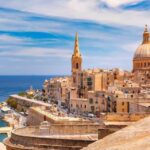
- Stop 1: Valletta (the UNESCO streets) and why this “big picture” matters
- Valletta City Gate: quick context that actually saves you time
- Republic Street: the everyday spine of Valletta
- St. John’s Co-Cathedral (inside costs extra): Baroque art with Caravaggio ties
- Merchant Street Market: a lively street stop that grounds the history
- Grand Master’s Palace (paid entry): power, government, and the old Knights’ home base
- Upper Barrakka Gardens: the payoff views before you head off
- The coffee and pastizzi break: small, but smart
- Pricing and value: $421 per group can be a steal or not—depends on who you are
- How guides make or break this tour: Marissa and Sylvana as examples
- Who should book this, and who might skip it
- Should you book Half Day Guided Walking Tour in Valletta?
- FAQ
- How long is the Half Day Guided Walking Tour in Valletta?
- Is pickup included?
- Are entrance fees included for St. John’s Co-Cathedral and the Grand Master’s Palace?
- What does the tour include besides the guided walking?
- What language is the tour offered in?
- Is this a private tour?
- Can I cancel for free?
Key highlights you’ll actually feel during the walk
- Private group up to 15 so the tour stays personal, not like a herd
- Coffee and pastizzi included, a real fuel stop in the middle of city sightseeing
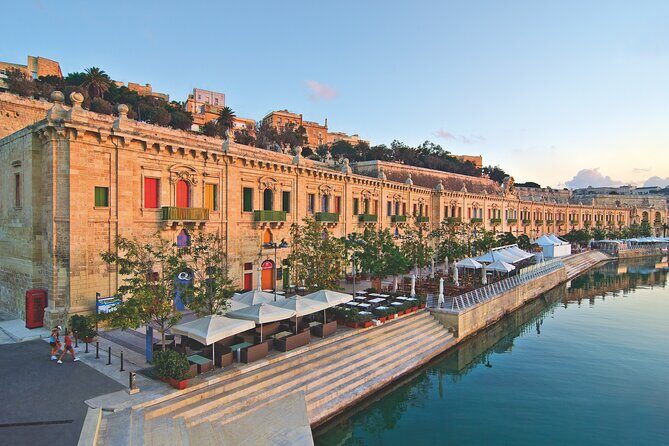
- UNESCO Valletta core, explained as you walk from street to street
- St. John’s Co-Cathedral and Grand Master’s Palace are the paid inside-visits to plan for
- Upper Barrakka Gardens gives you harbour and Three Cities views before you leave
- English-speaking option plus a licensed guide you can ask questions of
Walking Valletta’s center: a 3-hour hit of the city you’ll use later
This is a well-timed introduction if you want to understand Valletta quickly. The walk runs about 3 hours, and the schedule is built to move through the most important central areas without turning into a full-day slog. You’ll cover key streets and landmarks in a logical order, which makes the city feel less random and more like one story.
What I like for your planning: the tour includes time allowances for the paid interior visits. That matters because Valletta’s top attractions can eat time if you show up without a plan. Here, the pacing is designed so you can see the highlights and still end with views—rather than rushing out as the light fades.
Also, you’re not transporting across the island. This is walking-focused, with no transportation included. That can be a plus: you don’t waste time in transfers, and you see the city’s textures—stairs, arches, street corners, and the way locals actually use the streets.
You can also read our reviews of more walking tours in Valletta


The “easy start” meet-up: guide signs, mobile ticket, and real help
You’re met by the guide holding a sign with the travellers’ name, and you get the guide contact details before the tour. That sounds simple, but it’s huge in a place like Valletta where lanes can look similar fast. Having that contact means you can resolve the classic travel problem—Where do we meet?—before it becomes an hour of wandering.
You’ll also use a mobile ticket, and the tour operates during an extended window (8:00 AM to 8:00 PM, daily). So if your day is shifting—museum plans change, ferries run late—you’re more likely to find a slot that fits.
One more practical note: service animals are allowed, and the tour is marked for most travelers can participate. If you have mobility limits, you’ll want to judge your own comfort with old-street walking before committing, since Valletta’s center is not built for wheel-by-wheel convenience.
Stop 1: Valletta (the UNESCO streets) and why this “big picture” matters
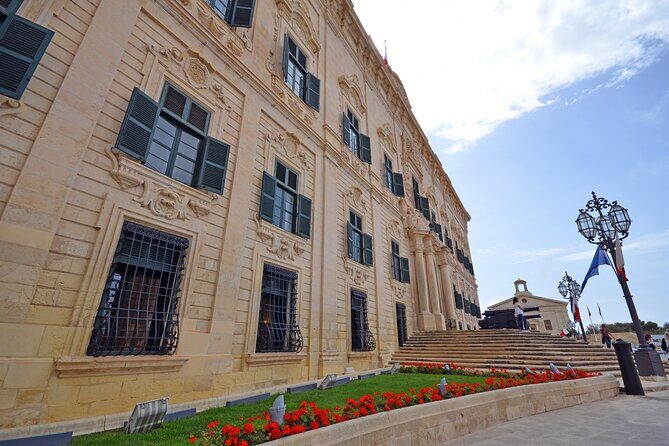
The first block is about 1 hour spent understanding Valletta as a UNESCO World Heritage site. This is where the guide sets the framework: what makes the city’s layout and architecture different, and how historical decisions still shape daily life. It’s not just trivia. You start seeing patterns—how streets connect, why certain buildings look the way they do, and what the city’s design is doing for power, defense, and trade.
For you, that’s the payoff. After this early orientation, the later stops stop feeling like separate photo ops. Instead, they become evidence in the same story.
If you’re the type who likes to know why a place looks like it does, you’ll appreciate this part most. If you only want the quickest sightseeing fix, you might feel like the first stop is more explanation than expected—but that explanation is what makes the rest land.
Valletta City Gate: quick context that actually saves you time
Next is Valletta City Gate for about 10 minutes. You’re not meant to linger here. The guide uses this stop to introduce the tour and give the history baseline so what follows doesn’t feel like a random list of landmarks.
I like short stops like this when I’m learning a new city. It’s the difference between memorizing names and understanding relationships—gate to street, street to landmark, and landmark to era.
Republic Street: the everyday spine of Valletta
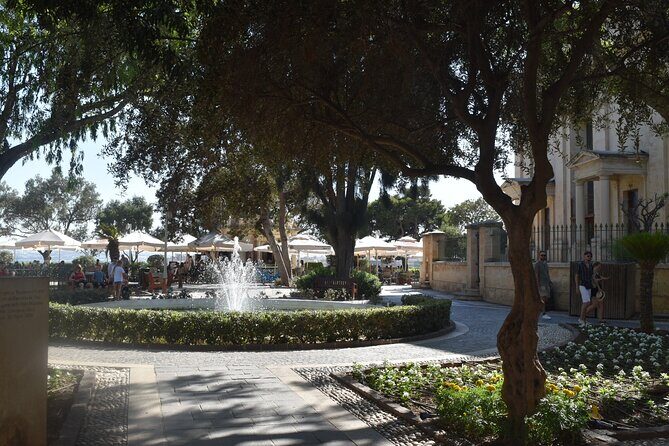
Then it’s Republic Street for about 20 minutes. This is Valletta’s main thoroughfare, with shops, cafes, and historic buildings along the way. The guide’s job here is to point out what’s worth noticing while you’re walking—so you’re not stuck staring at your phone hoping a map will rescue you.
This is also where you naturally pick up practical sightseeing instincts. After Republic Street, you’ll know where to pop into a side street for something calmer, and you’ll recognize the city’s rhythm better when you’re out exploring on your own later.
You can also read our reviews of more guided tours in Valletta



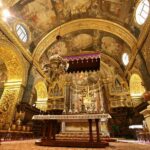

St. John’s Co-Cathedral (inside costs extra): Baroque art with Caravaggio ties
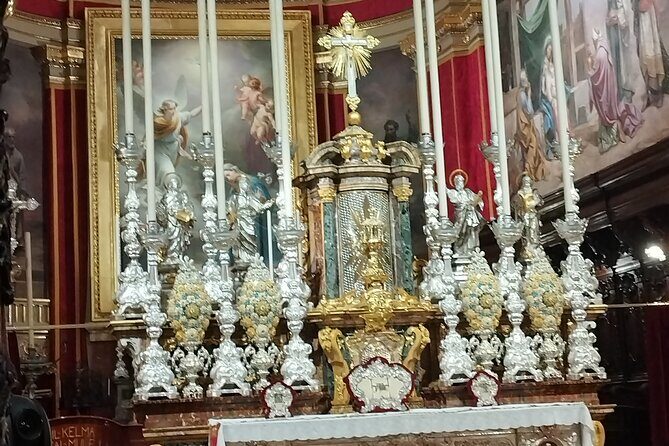
The next stop is St. John’s Co-Cathedral for about 15 minutes. This is one of Valletta’s star attractions, described as a Baroque masterpiece with ornate decorations and Caravaggio paintings. The important detail for your budgeting: entry is not included. You’ll need to pay €15 per person to go inside.
Because the tour time is limited, you should treat this as a “structured taste” rather than a slow art-thriller marathon. If you’re an art lover, you’ll likely want extra time after the tour on your own to study what the guide highlights.
Possible drawback: if you’re hoping for a long, unhurried cathedral visit, the time on the schedule may feel tight. But for an orientation walk that hits major interiors, it’s a sensible trade-off.
Merchant Street Market: a lively street stop that grounds the history
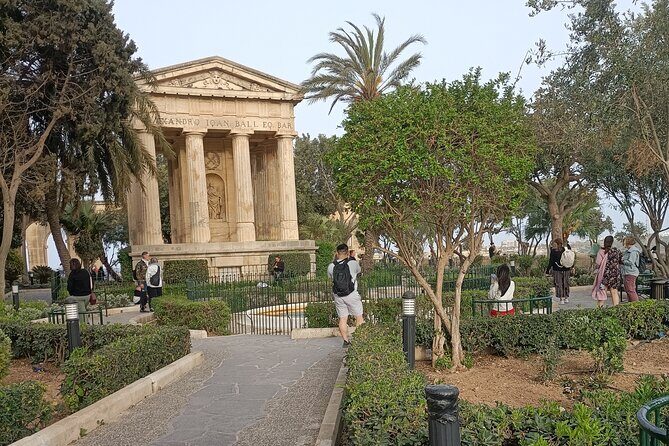
After the cathedral, you’ll head to Merchant Street Market for about 20 minutes. This stop is built for atmosphere: historic buildings plus a market street feel. The guide keeps it tied to the bigger Valletta story, so the market isn’t treated like an unrelated detour.
For me, this is a smart inclusion because it adds texture beyond palaces and churches. It shows you that Valletta’s heritage isn’t frozen in a museum. People still shop, pause, and move through the same urban fabric.
Grand Master’s Palace (paid entry): power, government, and the old Knights’ home base
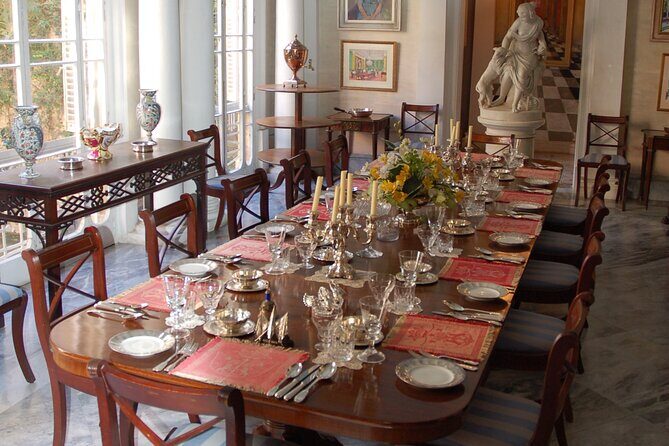
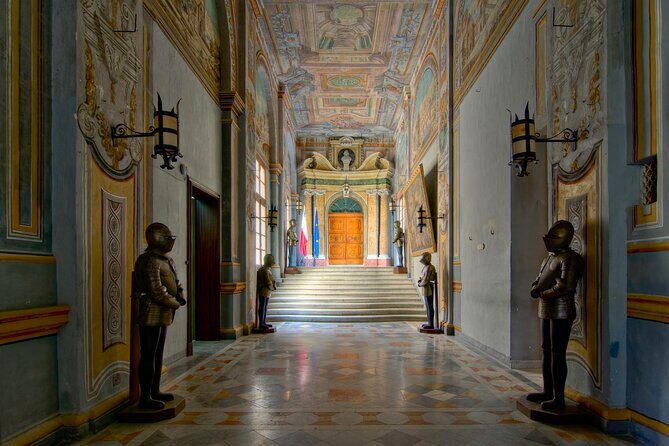
Next up is the Grand Master’s Palace for about 30 minutes. This is a key stop because it connects political power to the physical city. The palace is described as the seat of the Maltese government and also the former residence of the Grand Masters of the Knights of St. John. That mix of past and present is exactly why it’s worth prioritizing.
Again, you’ll pay separately: entrance fee is €12 per person and is not included. Like the cathedral, the schedule suggests a focused visit rather than a full museum binge. If you want extra time, plan to build it into a later day.
If you’re wondering whether it’s worth the money: for many people, yes. The palace helps you understand who shaped Valletta and how that influence became stone and street-level authority.
Upper Barrakka Gardens: the payoff views before you head off
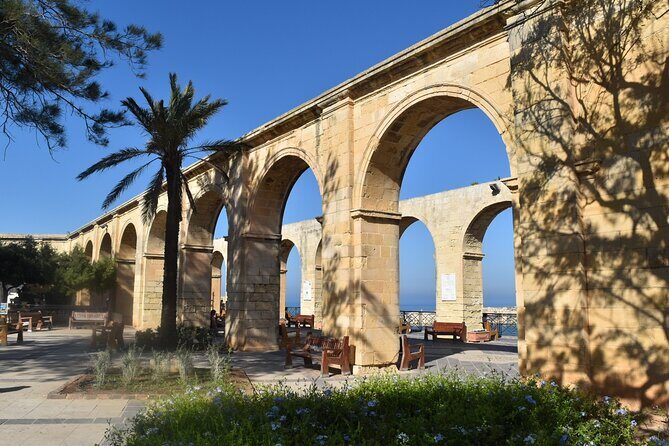
The final sightseeing stop is Upper Barrakka Gardens for about 20 minutes. This is where the tour earns its ending. You get panoramic views of the Grand Harbour and the Three Cities, which is the kind of visual reference that sticks in your brain.
It also gives you a natural decompression point. After walking through streets and interiors, you want open sightlines. This stop does that and helps you remember where everything sits relative to the harbour.
The coffee and pastizzi break: small, but smart
One thing that’s built into the total time: complimentary coffee and pastizzi. You can treat it as a comfort stop or a mini cultural lesson—either way, it’s practical. Walking in Valletta can make you underestimate how quickly you’ll need a quick energy reset.
Pastizzi are a classic Malta snack, and having it included means you don’t have to figure out where to buy the first thing that looks right. The tour covers the “when” and the “what,” so you can stay in sightseeing mode.
Pricing and value: $421 per group can be a steal or not—depends on who you are
The price is $421.44 per group (up to 15). That sounds high if you’re thinking per person, so here’s the practical way to judge value:
- If your group is near the maximum (15 people), you’re roughly looking at about $28 per person.
- If it’s a small group (like 4–6 people), it can climb to $70–$105 per person.
So who gets the best value? Families or friends who can fill a group space. Couples can still find it worth it if you want a guided orientation plus the option of paid interiors, but you’ll want to compare against doing a self-guided walk and paying only for the cathedral/palace entries yourself.
Also factor in the likely extra spend:
- St. John’s Co-Cathedral: €15
- Grand Master’s Palace: €12
Those fees are separate, so your final total depends on how many paid interiors you choose to enter during the tour.
Overall, it’s good value when you treat it as an orientation plus guided context, not just a scenic stroll.
How guides make or break this tour: Marissa and Sylvana as examples
The quality of this experience hinges on the guide’s storytelling and pacing. In the feedback you shared, Marissa stood out for being easy to talk to and for knowing both current Malta and its history. She also took time at the end to discuss additional sights and restaurants, which is exactly what you want after a walking tour—you want a short list of where to go next without wasting your first day guessing.
Another guide example is Sylvana, described as a local who gave the right amount of detail and answered questions well, with a friendly feel. That matters because the tour includes both short sight stops and paid interiors. A good guide helps you prioritize what to notice quickly in the limited time.
One caution from a separate experience: one guide’s spoken French was difficult for that group. That’s not about the content—it’s about communication clarity. If your group needs a specific language, confirm it before you set out.
Who should book this, and who might skip it
Book this tour if you want:
- A fast orientation to Valletta that connects streets to history
- A guided route that hits the top stops within about 3 hours
- A planned break with coffee and pastizzi
- The option to pay for the two big interiors (€15 and €12) without planning that day from scratch
Consider skipping (or supplementing) if you want:
- Long, slow museum time. This is not built to replace an all-afternoon cathedral or palace visit.
- A totally budget-friendly approach. The paid entries are extra.
Should you book Half Day Guided Walking Tour in Valletta?
If your goal is to get your bearings fast, understand what you’re looking at, and end with real views, I think this is an easy yes. The pricing works best when your group is large enough to spread the cost, and the tour gives you both guided context and the small included comforts that make walking days easier.
My recommendation: budget for the two paid interiors you care about, wear comfortable shoes, and come ready with questions. If you do that, the tour feels like a shortcut to enjoying Valletta more on the rest of your trip.
FAQ
How long is the Half Day Guided Walking Tour in Valletta?
It lasts about 3 hours.
Is pickup included?
Pickup is offered. The guide meets you with a sign with the travellers’ name.
Are entrance fees included for St. John’s Co-Cathedral and the Grand Master’s Palace?
No. St. John’s Co-Cathedral is €15 per person, and the Grand Master’s Palace is €12 per person.
What does the tour include besides the guided walking?
It includes a professional licensed tour guide, a mobile ticket, and time for complimentary coffee and pastizzi.
What language is the tour offered in?
The tour is offered in English.
Is this a private tour?
Yes. It’s private, and only your group participates (up to 15 people).
Can I cancel for free?
Yes. You can cancel up to 24 hours in advance for a full refund.