REVIEW · VALLETTA
Valletta: Self-Guided Historical Walking Tour (Audio Guide)
Book on GetYourGuide →Operated by Robert Arrigo & Sons Limited · Bookable on GetYourGuide
Valletta hits hard on foot. This self-guided audio tour keeps you moving through Malta’s capital with expert narration, and I really like that offline maps mean your route works even when your signal doesn’t.
I’m also a fan of the way the route is packaged: 3–4 hours that threads through fortifications, palaces, churches, gardens, and busy squares, plus a complimentary Mdina audio add-on. The main drawback to keep in mind: it is not built for perfect turn-by-turn directions, so you may sometimes need your phone’s map if the app’s guidance doesn’t feel exact.
In This Review
- Key things to know before you go
- Valletta Feels Like an Outdoor Museum on Your Own Schedule
- PopGuide Setup: Download Once, Walk Offline
- Tritons’ Fountain to Victoria Gate: The 3–4 Hour Route
- Where the Star Points Send You for Food and Shopping
- Adding the Free Mdina Audio Tour
- Price, Practicality, and What’s Not Included
- Reliability Notes From Real-World Feedback
- Who Should Choose This Self-Guided Audio Walk
- Should You Book This Valletta Audio Tour?
- FAQ
- Do I need internet during the Valletta walk?
- What app do I need for the audio guide?
- Which languages are included?
- How long is the route in Valletta?
- Is admission to places included?
- What about the Mdina bonus?
Key things to know before you go

- Offline audio after download: get the PopGuide app plus maps once, then keep walking without relying on Wi-Fi.
- A route paced for a half-day: designed around the city highlights in about 3–4 hours.
- Bonus Mdina included: every purchase comes with a complimentary audio-guided tour of Mdina.
- Star points for real-world breaks: the audio includes suggestions for shopping, dining, and extra stops like museums and churches.
- Multi-language narration: English, French, German, Italian, and Polish.
- Headphones matter: you’ll need your own earphones, plus a charged smartphone.
Valletta Feels Like an Outdoor Museum on Your Own Schedule

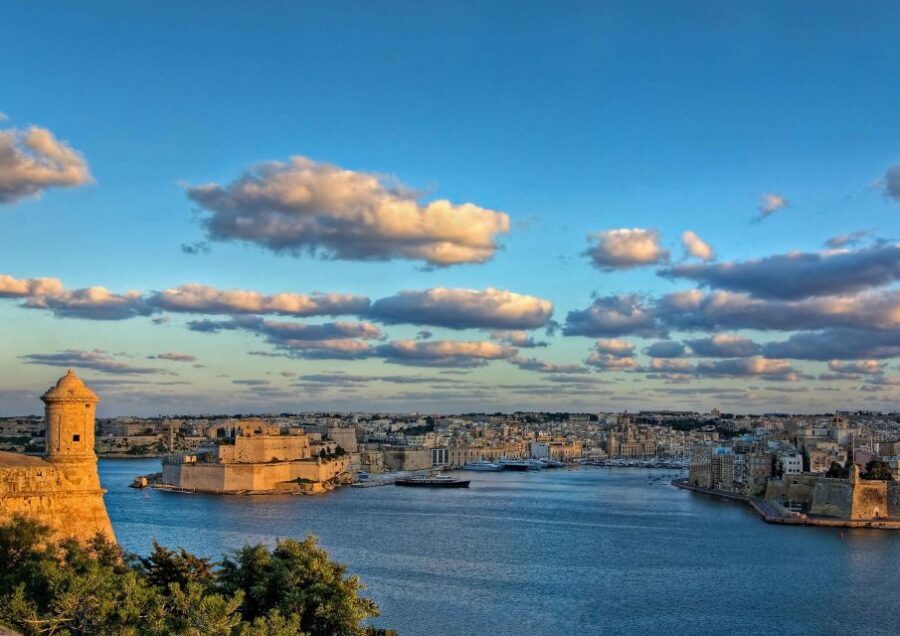
Valletta is one of those rare places where walking is the whole point. It’s a UNESCO World Heritage Site in its entirety, and the city’s story stretches across almost five centuries. You’re surrounded by forts and bastions, big baroque personalities in palaces and churches, plus gardens and architecture that ranges from mid-16th-century baroque to modern touches.
That’s exactly why this format works. Instead of trying to cram every site into a guided group schedule, you can match the pace to your energy: pause for photos, slow down for a church interior when the light is right, or skip a stop if your feet are protesting. The audio points follow a suggested route, so you still get structure.
If you like travel that feels personal and flexible, you’ll probably enjoy this. If you want step-by-step directions like a GPS that nags you every ten meters, you might find it less helpful than you expect.
You can also read our reviews of more walking tours in Valletta


PopGuide Setup: Download Once, Walk Offline
Before you leave, plan for the one thing this experience needs: a little setup time.
You’ll use the PopGuide app on your own Android or iPhone. The guide access is delivered as a download/activation link with a username and password—sent either the day before your booked date (advance bookings) or after you book on the same day. Once you have those credentials, you can use your audio guide on any day of your choice.
The offline trick is important: you’ll need internet to download the app and the maps/content. After that, you should be able to run the audio tour without internet or Wi‑Fi. In a place like Valletta where phone coverage can vary by street and wall, that’s a comfort.
A practical note: you’ll need headphones and a charged smartphone. No charger, no audio. Your biggest enemy here isn’t history—it’s a low battery.
Also, the audio and written explanations are available in five languages (English, French, German, Italian, Polish). Pick your language before you start downloading, so you don’t end up fiddling mid-walk.
Tritons’ Fountain to Victoria Gate: The 3–4 Hour Route
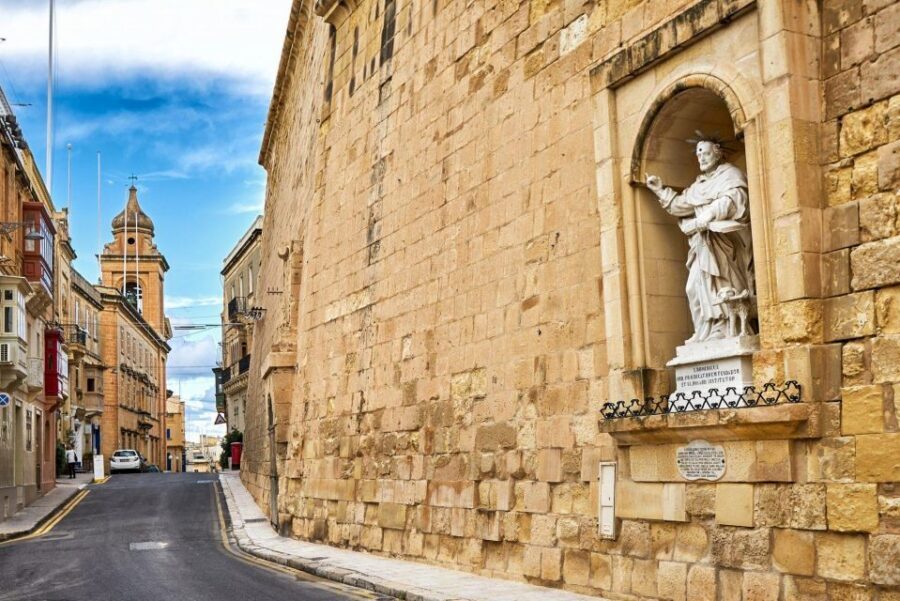
The route is designed to cover Valletta’s main highlights in around 3–4 hours. Think of it as a “best of” walk that still feels coherent—fortifications lead into gardens, then into squares, then churches, then down to the coastal edges again. You can always stretch it longer by lingering, but this timing is what keeps the experience flowing.
Here’s what you’ll hit, in the order the route guides you:
Introduction / Tritons’ Fountain
You start with context: what Valletta is, why its streets feel so purposeful, and what you should watch for as you go (fortifications, baroque flourishes, and the city’s overall layout).
Valletta Waterfront
Next comes the water-adjacent side of the city. It’s a good “reset” after the introduction, with a natural point to orient yourself and get your bearings before climbing into the gardens and bastions.
Upper Barrakka Gardens
These gardens give you a pause in the middle of the city’s stone intensity. Use this stop like a breather: sit for a minute, listen to the narration, then decide if you want to keep moving or slow down for photos.
Auberge de Castille / St. James Cavalier / The Malta Stock Exchange
This cluster pulls you into Valletta’s institutional and architectural side. Even if you skip any interiors (admission isn’t included), the audio helps you connect the buildings to the city’s changing eras—along with the “who’s who” feeling of a strategic port city.
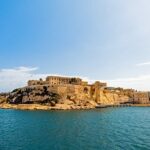
Fort Saint Elmo
Fortifications are one of Valletta’s defining themes, and Saint Elmo is a key example. Expect the narration to frame it as part of the city’s defensive system, not just another viewpoint stop.
Hastings Gardens / St. Michael’s Bastion
You get more green space plus a bastion connection here. It’s a strong sequence because the gardens soften the scene while the bastion brings you back to the city’s fortress logic.
Lower Barrakka Gardens / Siege Bell War Memorial
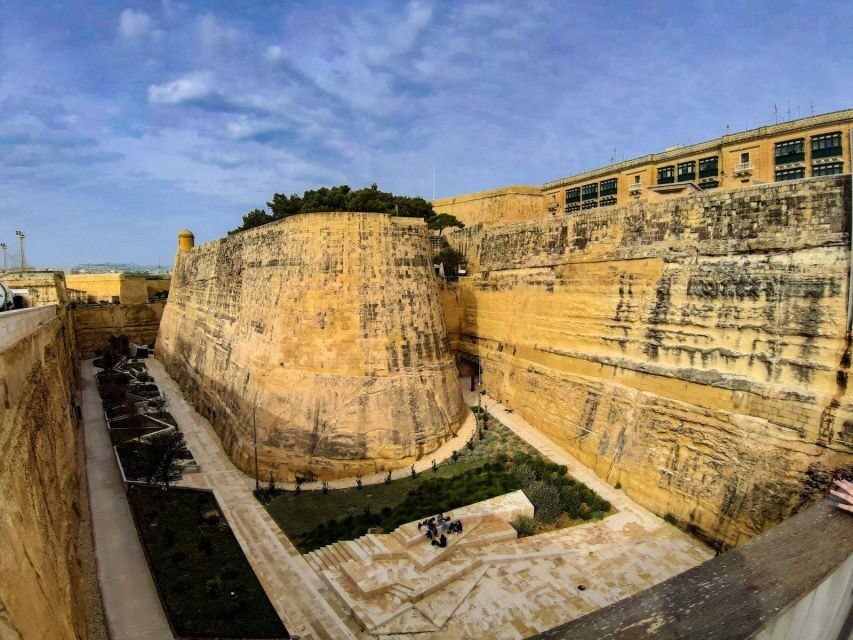
This stop adds a memorial element, which can shift the mood. It’s a nice reminder that Valletta’s story isn’t only about art and architecture; it also includes conflict and survival. Take your time here—seriously.
Manoel Theatre
After forts and gardens, the theatre adds culture to the walk. Even without an admission ticket, the narration helps you place it in the broader Valletta rhythm: civic life, performance, and the city’s long-standing public spaces.
Marsamxett Harbour (Ferry Service) / Old Marine Police Station
You’re back near the harbor action. The inclusion of the ferry service mention makes this a practical stop: it’s the kind of place where you can consider hopping across the water if your day plan needs a change of pace. The Old Marine Police Station adds a more specific maritime flavor to the story.
Mediterranean Conference Centre
This is where Valletta shows modern presence. The audio points can help you notice how the city mixes newer structures with older bones instead of feeling frozen in time.
Merchants Street
Time to walk the shopping artery. This is one of those streets where the audio’s star points can help you avoid decision fatigue—what’s worth your stop and what’s likely just noise.
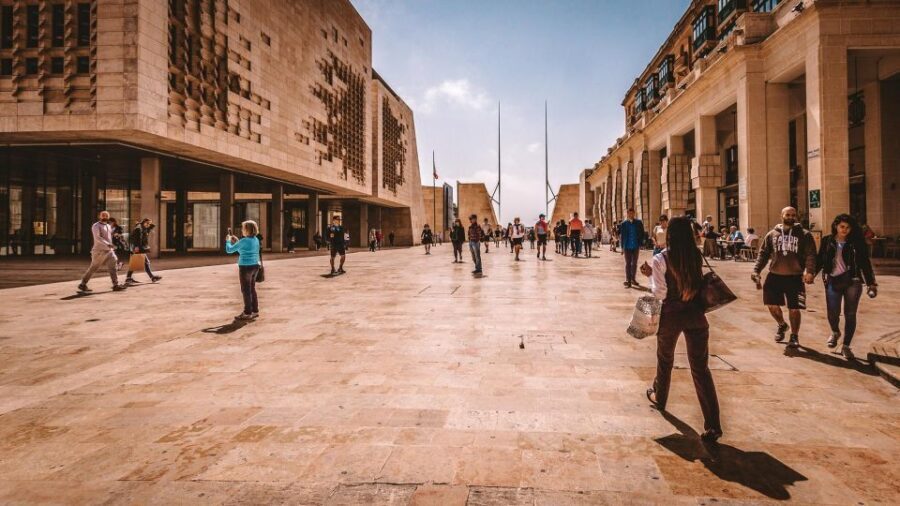
Republic Square / National Library of Malta / New Parliament Building / Royal Opera House / Palazzo Ferreria
This big civic cluster is where Valletta’s public identity becomes obvious. The narration ties together multiple landmarks in one area, so you can choose how much to do without wasting time. If you want a focused museum visit, this is where you might decide to add one—just remember admissions aren’t included.
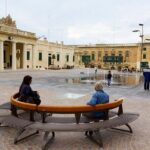
St. George’s Square / The Grand Master’s Palace
Squares are Valletta’s living rooms, and St. George’s Square is a strong anchor point on the walk. The Grand Master’s Palace is the kind of stop where you’ll appreciate having audio context, because it makes the architecture feel purposeful instead of random.
St. John’s Co-Cathedral / The Oratory / The Caravaggio Paintings
This is a major church stop, and the route specifically calls out the Oratory and the Caravaggio paintings. You’ll get guided explanations as you move through the area, though you should plan on checking whether you need separate tickets for specific viewing depending on what you want to see.
St. Paul’s Pro-Cathedral (Anglican Church)
A different religious voice in the city. This is a nice contrast stop: after the intensity of the main Catholic story, you get another perspective on Valletta’s layered communities.
Strait Street
Now you’re in the city’s narrower, denser feel. It’s a good place for shopping browsing and people-watching. Keep an eye on the star points—this is where suggestions can steer you toward snacks and small stops that fit your interests.
The Basilica of Our Lady of Mount Carmel
Back into sacred architecture mode. The audio helps you understand what you’re seeing as part of the city’s long timeline rather than only as a photo backdrop.
Victoria Gate / The Bridge Bar
You wrap with a gateway moment and a nearby casual option. This end point is handy because it gives you an obvious place to regroup, grab a drink, and decide if you’re done for the day or want a second loop.
Where the Star Points Send You for Food and Shopping

One underrated part of this tour is the built-in wayfinding for choices. The route includes star points that point you toward shopping, restaurants, and additional sights like museums and churches.
For me, this is the value beyond the narration: Valletta can be visually loud, and you can lose time just guessing. Star points help you turn your walk into decisions you feel good about—like knowing where to eat without spending your whole afternoon searching.
Use it like this: when a star point pops up, decide quickly if you want to follow it or move on. If you’re lingering, don’t be afraid to pause the audio and keep walking visually. The tour is designed for your pace.
Adding the Free Mdina Audio Tour

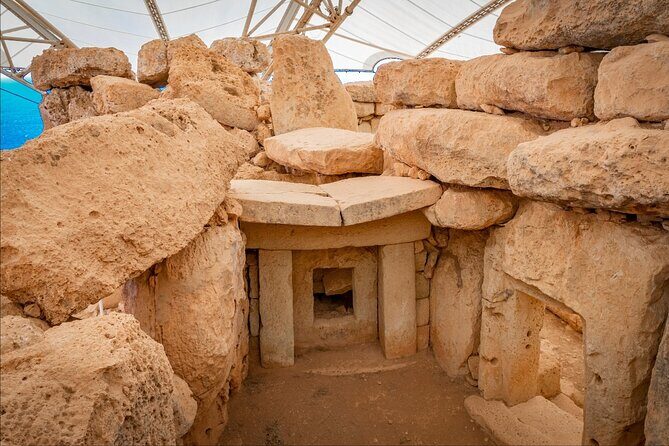
Mdina is offered as a complimentary bonus with every purchase, which means you can build a fuller Malta day without paying for a second audio guide.
What this adds is variety. Valletta gives you fortifications, ports, grand squares, and dense architecture. Mdina typically feels more like a slower, storybook-style counterpoint (you’ll find out more from the Mdina audio itself). If you like comparing places rather than only collecting landmarks, this add-on can make your money feel more than one city.
The fact that you activate your guide with a code and then can use it on any day of your choice also helps. You’re not forced to cram both in on the same schedule day.
You can also read our reviews of more guided tours in Valletta




Price, Practicality, and What’s Not Included
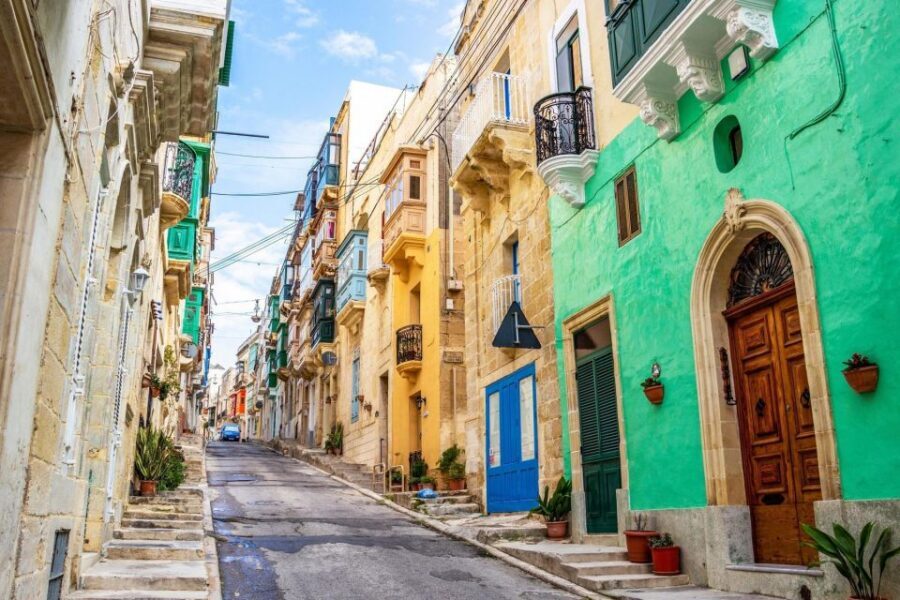
At $8 per person, this is positioned as a low-cost way to get structured context while you explore independently. For that price, you’re buying narration plus offline maps and written explanations—not paid entry tickets.
So set expectations. Admissions to sites are not included. If you want to go inside churches, museums, or special exhibits tied to stops like the Oratory and Caravaggio paintings, you’ll need to budget separately.
You should also treat this as a walking tour. It is listed as not suitable for people with mobility impairments. Even if some stops are close, Valletta’s streets and stairs can be tough.
Value-wise, the strongest reason to book is the mix of offline audio + a route that hits major highlights in a reasonable half-day. The weakest reason is if you absolutely need precise turn-by-turn directions and high reliability on app navigation.
Reliability Notes From Real-World Feedback
The overall rating is 3.7 out of 5 across 251 reviews. The pattern in the feedback is mostly about two things: the content quality and the mechanics.
Many people appreciate that the information on each stop feels interesting and helpful. That’s what you want in an audio walk: you don’t want filler.
The stumbling blocks tend to be practical:
- The tour can feel direction-light at times, meaning you may need your phone map for extra help.
- There can be download frustration if the app or content does not finish downloading smoothly for your device.
- If you rely on support quickly, plan for language and response delays.
Here’s the practical takeaway for your planning: download everything before you start walking, and don’t schedule the tour with zero buffer time. If you’re traveling in a group, consider downloading on the devices one by one so one phone download problem doesn’t derail everyone.
Who Should Choose This Self-Guided Audio Walk
This tour fits best if you:
- Want independence and control over pace.
- Like hearing context while you walk, without joining a live group.
- Prefer offline navigation instead of roaming data charges.
- Plan to cover several key sites but don’t need an escort.
It’s less ideal if you:
- Need strict accessibility accommodations.
- Want GPS-like turn-by-turn directions.
- Can’t handle app setup and offline downloads (or you’re traveling with phones that struggle with large downloads).
If your ideal day is walking from one landmark to the next with a steady storyline in your ears, this is a solid match.
Should You Book This Valletta Audio Tour?

I’d book it if you’re comfortable doing a bit of phone prep and you’re aiming for a smart 3–4 hour highlight walk. At $8, the offline audio structure plus the free Mdina bonus gives you good value, especially if you plan to spend meaningful time in both cities.
I’d hesitate if you hate app setup, you rely on perfect directions, or your phone can be touchy with downloads. In that case, you might do better with a live guide or a different kind of navigation approach.
FAQ
Do I need internet during the Valletta walk?
You will need an internet connection to download the PopGuide app and to download the tour maps/content. Once everything is downloaded, no internet or Wi‑Fi connection is required to access the audio-guided tour.
What app do I need for the audio guide?
You need the PopGuide app on your smartphone. You can download it from the iOS App Store or Google Play Store, depending on whether you have an iPhone or Android device.
Which languages are included?
The audio and written commentary are available in English, French, German, Italian, and Polish. You choose your preferred language when downloading the maps.
How long is the route in Valletta?
The programmed route is designed to cover the main highlights and landmarks in around 3 to 4 hours.
Is admission to places included?
No. Admission (entry tickets) to sites is not included, so you may need separate tickets if you want to enter specific locations.
What about the Mdina bonus?
A complimentary audio-guided tour of Mdina is included with every purchase.