REVIEW · MALTA
Private Boat Tour of the Grand Harbour on the Island of Malta
Book on Viator →Bookable on Viator
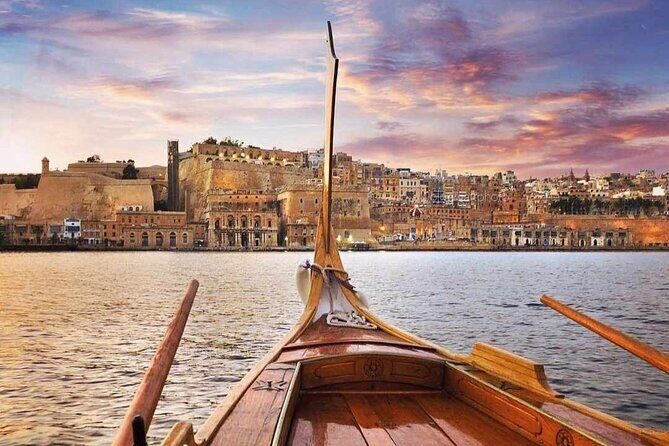
Malta’s harbor looks different from the water. This short private boat tour by Valletta lets you track the key fortifications around the Grand Harbour in one easy ride, with a guide who keeps the stories clear and the pace calm.
I especially like two things. First, Keith’s explanations connect the forts to the bigger turning points of Malta—Ottomans, Knights, British, and WWII. Second, you get a view of the harbour and the Three Cities that’s hard to reproduce on foot, with enough time to enjoy the scenery instead of rushing.
The only real drawback to consider is weather. The ride needs good conditions, and if waves or rain get rough, you may need to adjust your day or accept changes offered for safety.
In This Review
- Key Highlights You’ll Actually Care About
- Why a 35-Minute Private Harbor Ride Works in Malta
- The Valletta Harbor Frame: Fort St Elmo’s Siege-Era Impact
- Valletta From the Waterline: Fortifications and Baroque Edges
- Grand Harbour Basics: Prehistoric Origins to WWII Targets
- Fort Ricasoli at Gallow’s Point: The Entrance Under Pressure
- Fort St Angelo: Knights’ HQ to Royal Navy Shore Base
- Fort St Michael and Senglea: Ottoman Pressure That Didn’t Break It
- What You’ll See During the Ride (Without Feeling Rushed)
- Comfort, Boat Feel, and the Real Deal on Conditions
- Price and Value: Why $40.36 Can Make Sense
- Who This Tour Suits Best (And Who Might Skip It)
- Should You Book This Private Grand Harbour Boat Tour?
- FAQ
- How long is the private boat tour of the Grand Harbour?
- Where does the tour start?
- Is this a private tour or a shared group?
- What language is the tour offered in?
- Do I need a printed ticket?
- Is the boat tour affected by weather?
- What if I need help due to a disability or accessibility needs?
- Are service animals allowed?
- What is the cancellation window for a full refund?
Key Highlights You’ll Actually Care About
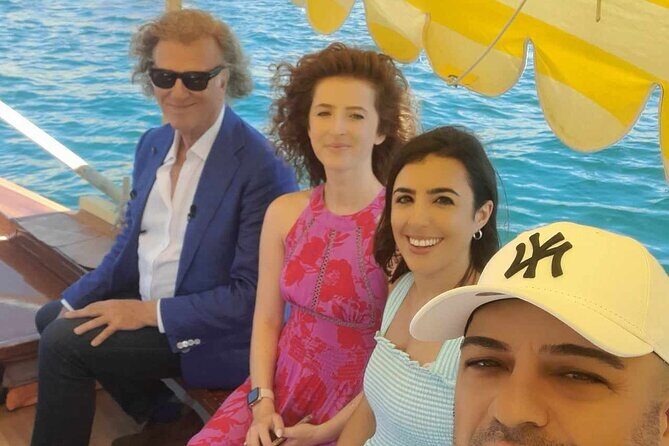
- Private group, 35 minutes: you get a focused loop without the long-tour fatigue
- Guide Keith’s calm, detailed stories: history tied directly to what you’re looking at
- Fort St Elmo, Ricasoli, St Angelo, and St Michael area views: you see the “why” behind the walls
- Grand Harbour from the water: Sciberras peninsula, Marsamxett Harbour, and the Three Cities perspective
- Flexible feel: you can choose a one-way style or a more road-trip style route
- Comfort in changing conditions: the guide stays steady if weather gets a bit wild
Why a 35-Minute Private Harbor Ride Works in Malta
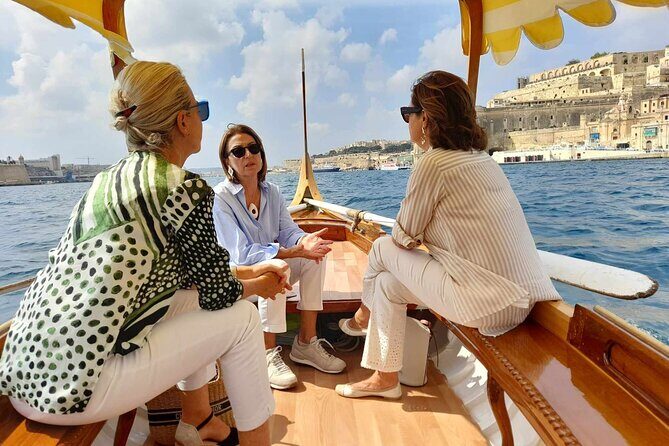
Malta can move fast. One day you’re climbing fort steps; the next you’re hunting viewpoints and trying to beat the crowds. This tour is short on purpose, so you can add it without blowing up your whole schedule.
You’ll be out long enough to clock the big landmarks and angles, then back to land while you still have energy. And because it’s private—only your group—the guide can keep the pace matching your comfort level.
You can also read our reviews of more boat tours in Malta
The Valletta Harbor Frame: Fort St Elmo’s Siege-Era Impact

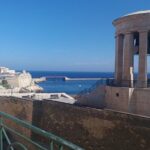
One of the best parts is how the tour gives you instant context for Valletta’s waterfront. You start in the area of Valletta with commanding harbour views, then head toward Fort St Elmo, which is basically a crash course in Malta’s conflict history.
Fort St Elmo was built by the Knights in 1552 in just four months. It took Ottoman pressure during the Great Siege of Malta and also saw bombardment in WWII, so the fort carries multiple layers of the island’s “defend and endure” story.
Inside the fort walls, there’s a chapel tied to the Great Siege era—knights who fought to the death defending the altar of the Chapel of St. Anne. The National War Museum adds more texture: you can see the George Cross and other military artifacts like aircraft wreckage, weapons, and vehicles. If you like seeing cause-and-effect in stone and metal, this stop helps it click.
Valletta From the Waterline: Fortifications and Baroque Edges
Valletta isn’t just pretty from a distance. It’s fortified on purpose—bastions, curtains, and cavaliers—so when you view it from the harbour you can read the city like a defense diagram.
This is the kind of angle you miss when you’re only walking through streets and squares. From the water, the geometry of the walls becomes clearer, and you also catch baroque palaces, gardens, and churches as part of the same skyline.
It’s a neat reminder that Malta’s architecture isn’t separate from its strategy. People built beauty alongside defense, because both mattered.
Grand Harbour Basics: Prehistoric Origins to WWII Targets
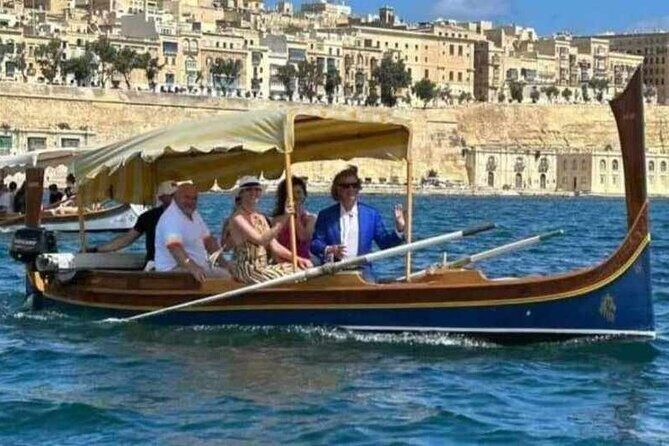
The Grand Harbour is the star, and the tour helps you understand why it mattered so much. The harbor dates back to prehistoric times around 3700 BC, which means you’re not just looking at a “pretty port”—you’re looking at a place that has shaped movement and power for thousands of years.
Geography matters here. The Sciberras peninsula helps divide the Grand Harbour from Marsamxett Harbour, while the south-east side is shaped by inlets and headlands such as Rinella Creek, Kalkara Creek, Dockyard Creek, and French Creek. You’ll also pass the areas that link to the Three Cities: Cospicua, Vittoriosa, and Senglea.
Historically, the harbour served as the base for the Knights of St John for 268 years. After they left, the British used the area as a strategic base for another 170 years. And then there’s the darker punch of the late-16th-century disaster: a tornado killed about 600 people and destroyed a shipping armada—proof that nature could hit hard here, too.
During WWII’s Second Siege of Malta, the docks and military installations around the port became legitimate targets for Axis bombers. Seeing the harbour from the water makes the logic of that targeting feel more real, because you can sense how ships, docks, and fortress positions link together.
Fort Ricasoli at Gallow’s Point: The Entrance Under Pressure
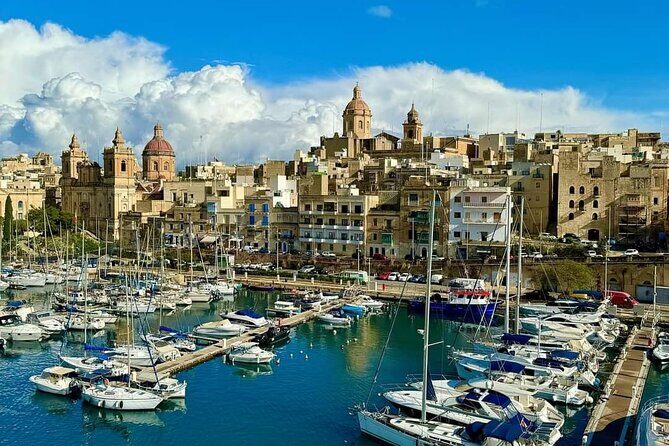
Fort Ricasoli sits over the Grand Harbour entrance on a promontory, which makes it a perfect landmark for orientation. It’s the largest fort in Malta, with construction starting in 1670 and finishing in 1698.
The point is associated with Gallow’s Point after the execution of two slaves who tried to escape the island. It’s the kind of detail you don’t get from generic photos—small, grim, and tied to how power was enforced.
In the late 1700s, Fort Ricasoli helped repel the French assault. Negotiations between the French and the Order of St John led to the Order handing over Malta, and then other forts surrendered; Napoleon landed there soon after. In 1941, it played a protection role during WWII, including defending the Grand Harbour entrance against an Italian flotilla attack.
Today, the fort also shows up in international film locations. That’s not the main reason to go, but it does add a modern layer: this is still a working “stage” for big visual stories.
You can also read our reviews of more private tours in Malta

Fort St Angelo: Knights’ HQ to Royal Navy Shore Base
If you want a single stop that screams “strategic location,” Fort St Angelo delivers. It sits on the Birgu peninsula, elevated on a hillock, and after 1530 the Order of St John christened it as their headquarters.
The Knights remodelled it extensively, including artillery platforms that introduced the bastioned defense system to the islands. That matters because it shows a shift from older thinking into more modern defense geometry—fortifications evolving under real pressure.
World War II wasn’t gentle. Fort St Angelo suffered 69 direct hits, yet it continued serving as a Royal Navy shore establishment in Malta until the last detachment of foreign forces marched out in March 1979. If you like continuity—how a place can serve different powers across centuries—this stop gives you that thread.
Fort St Michael and Senglea: Ottoman Pressure That Didn’t Break It
The tour also reaches the area linked with Fort St Michael, tied to Senglea. After the Ottoman attack in 1551, the Order of St John built a fort on the peninsula known as Isola di San Michele. Later, the fortified city of Senglea was built around it.
During the Great Siege in 1565, this fort held out against 10 Ottoman attacks. Even when it suffered extensive damage, it never fell into enemy hands. After the siege, it was rebuilt as Saint Michael Cavalier, completed in 1581.
Today, only the outer bastions remain, which is a useful detail for your expectations. You’re not seeing a perfectly intact site everywhere—you’re seeing the parts that survived, and that’s often more honest than a restored “theme version” of history.
What You’ll See During the Ride (Without Feeling Rushed)
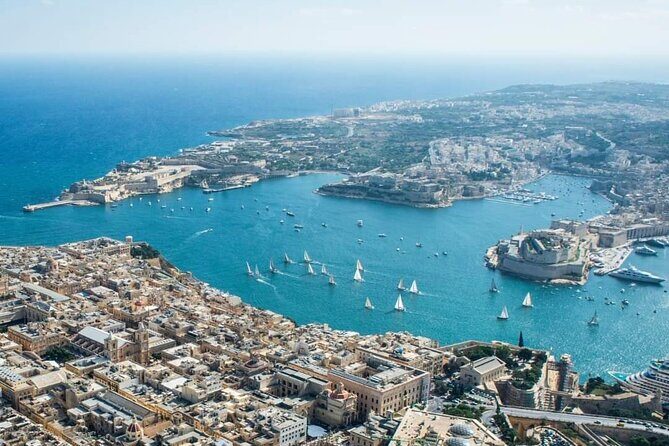
Even with a short duration (about 35 minutes), the tour structure helps you track the story. You move through a sequence of major points around Valletta and toward the Three Cities, with fort locations that act like visual anchors.
Because it’s private, the guide can also respond to your interests. If you’re more into military history, the tour naturally leans that direction. If you’re more into views and photos, you still get the “why” behind what you’re seeing, without it turning into a lecture that eats your whole time.
Comfort, Boat Feel, and the Real Deal on Conditions
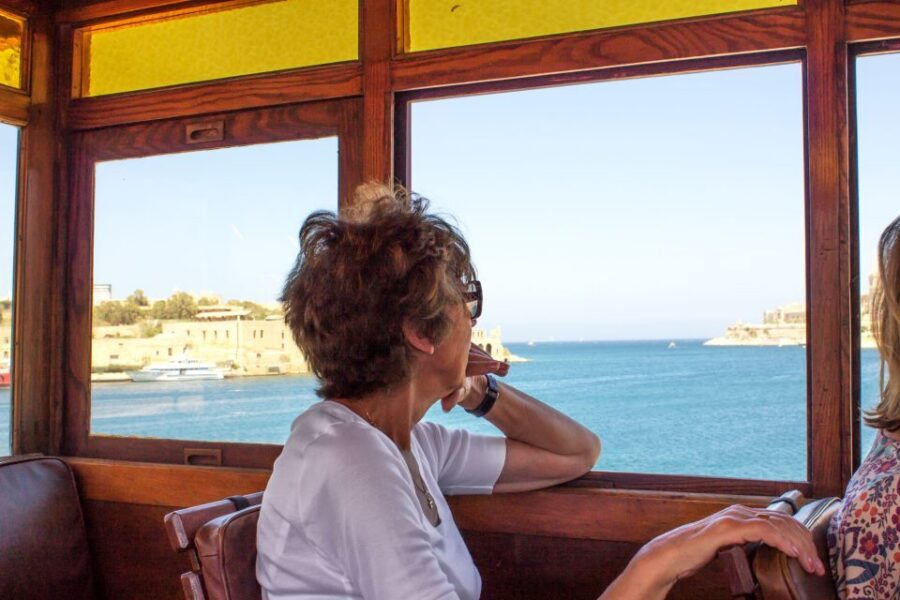
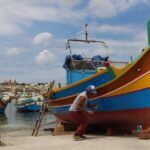
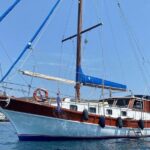
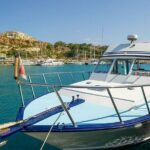
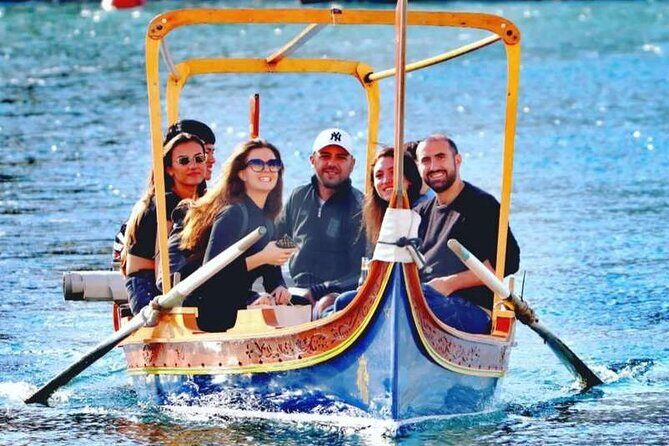
From the way the experience is described, you can expect a traditional-style boat experience designed for viewing—more “ride and look” than “sit and stare at a screen.” The boat is described as spotless and well-maintained, which matters on any water trip where you might be wearing your “seasick face” the whole time.
One practical note: the tour can be affected by rain or high waves. When that happens, the guide stays calm and keeps things manageable. For you, that means packing for quick weather changes is smart, and keeping your plan flexible helps.
Price and Value: Why $40.36 Can Make Sense
At $40.36 per person for about 35 minutes, the price isn’t trying to be “cheap.” It’s trying to be reasonable for a private guide + boat time. For many people, that’s the key value: you’re paying for access to the harbour route, not just someone explaining it from a dock.
The private setup is what changes the math. If you’re traveling as a couple, a family, or a small group, the per-person cost can feel like a good deal compared with squeezing into larger group boat schedules. And because you’re out for under an hour, you can stack it with other Malta stops without losing a full half-day.
Who This Tour Suits Best (And Who Might Skip It)
This works best if you like seeing Malta’s defense story in the same frame as the water views. It’s also great if you want a calmer pace with someone who can answer questions clearly—especially if you’re traveling with kids or you don’t want a long walking day.
If you only want deep museum time, this may feel short. If you prefer a longer boat outing where you’re out for hours, you might also want something more extended. But for a focused overview with strong landmark coverage, this hits a sweet spot.
Should You Book This Private Grand Harbour Boat Tour?
Yes, if you want a practical way to connect Valletta and the Three Cities to the island’s major siege-era and WWII moments. I’d book it if you value a short private ride, clean boat comfort, and a guide who can keep the tone calm—even if weather gets a bit dramatic.
I’d think twice if your day is tightly fixed around one exact time and you hate schedule changes. Since the ride depends on good weather, having some flexibility makes the experience smoother.
FAQ
How long is the private boat tour of the Grand Harbour?
The tour runs for about 35 minutes.
Where does the tour start?
It starts at Gondola trips59 Liesse, Il-Belt Valletta, Malta. The tour ends back at the same meeting point.
Is this a private tour or a shared group?
This is private. Only your group participates.
What language is the tour offered in?
The tour is offered in English.
Do I need a printed ticket?
You receive a mobile ticket.
Is the boat tour affected by weather?
Yes. The experience requires good weather, and if it’s canceled due to poor weather, you’ll be offered a different date or a full refund.
What if I need help due to a disability or accessibility needs?
Most travelers can participate, and the activity notes that it’s near public transportation. (Specific accessibility details beyond that aren’t listed.)
Are service animals allowed?
Yes, service animals are allowed.
What is the cancellation window for a full refund?
You can cancel for a full refund up to 24 hours in advance of the experience start time. If you cancel less than 24 hours before, the amount paid is not refunded.