REVIEW · MALTA
From Malta: Gozo Day Trip Including Ggantija Temples
Book on GetYourGuide →Operated by Robert Arrigo & Sons Limited · Bookable on GetYourGuide
Gozo packs prehistoric awe into one long day. You’ll see Ggantija Temples up close, then finish at Dwejra’s Inland Sea, where a 65-meter natural tunnel frames the open sea. I like how the pacing stitches archaeology, medieval walls, and raw coastal geology into one plan, not just a checklist of stops.
The main thing to consider is that it’s a long day with fairly serious walking, plus a big-group rhythm that can mean a bit of waiting at ferry points and popular sites.
In This Review
- Key Points That Make This Trip Click
- Entering Gozo Fast: Ferry Timing and What the Day Feels Like
- Ggantija Temples: Giants, Me
- What to watch for at Ggantija
- Victoria’s Citadel (Cittadella): The Island’s Fortified Backdrop
- The part most people underestimate
- Xlendi Bay: A Sea Stop That’s More Than a Photo Break
- How you can use your time here
- Dwejra and the Inland Sea: Tunnel Views and Optional Boats
- The optional boat ride at Dwejra
- Lunch, Entry Tickets, and the Hidden Value of Included Costs
- Where lunch quality can vary
- Guides and Group Size: Why Names Matter on This Route
- My practical tip
- Price and Logistics: What Can Go Wrong, and How You Can Plan Around It
- Who This Tour Suits Best
- Should You Book This Gozo Day Trip?
- FAQ
- How long is the Gozo day trip?
- How does the tour get to Gozo from Malta?
- Is lunch included?
- Are entry tickets included?
- Is there an optional boat trip at Dwejra?
- What languages are available for the guide?
- Where do you get picked up?
- What should I bring?
Key Points That Make This Trip Click
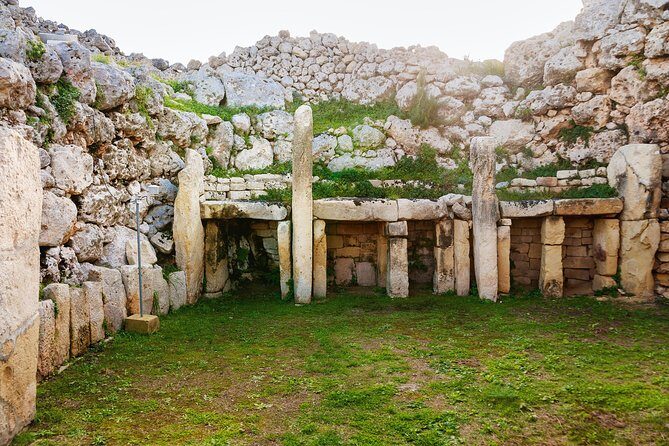
- UNESCO Ggantija Temples: megaliths dated to c. 3600–3200 BC and tied to the giant legend behind the name
- Victoria’s Citadel (Cittadella): the island’s fortified heart, with skyline views across Gozo
- Xlendi Bay: an easy-going sea inlet at the end of a deep ravine, with plenty of time to wander
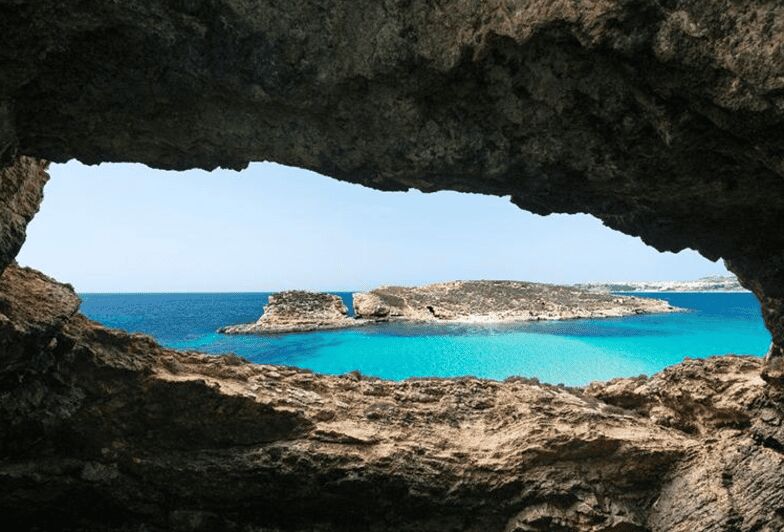
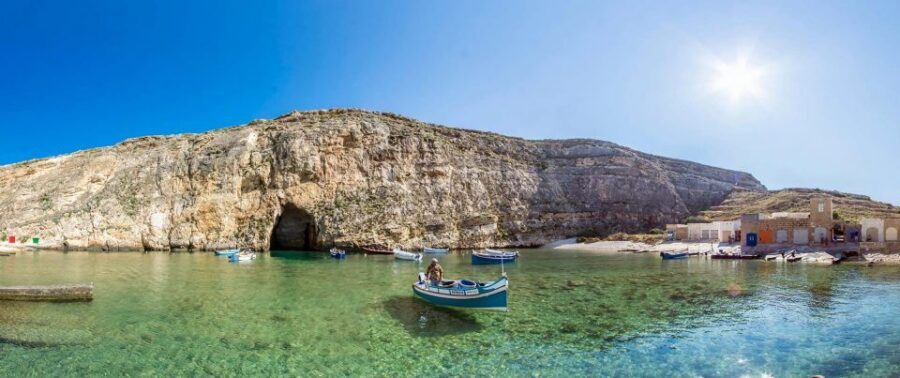
- Dwejra’s Inland Sea: dramatic cliffs plus the natural tunnel opening to open water
- Optional boat ride at Dwejra: great when weather cooperates, sometimes not running
- Guide-led flow: praised guides like John Paul, Chantelle, John, Jason, Josephine, and Altea for clear explanations and solid timing
Entering Gozo Fast: Ferry Timing and What the Day Feels Like
This is a full-day loop that starts with a short ferry crossing—about 25 minutes—from Malta to Gozo. That crossing matters more than you’d think. It resets your pace. By the time you’re on Gozo time, you’re ready for temples and sea air, not just another hour of bus travel.
Once you’re on the island, the day is structured around a sequence of big highlights: Ggantija first (so you’re not racing crowds later), then Victoria’s Citadel, followed by the Xlendi seaside stop, and ending at Dwejra. The order can change, but the shape of the day stays the same: history, then views, then coastline.
I also like that your transport is handled with air-conditioned vehicles and included hotel pickup and drop-off from a nearby meeting point. On a day like this, that’s not a luxury—it’s the difference between enjoying the scenery and spending the morning hunting down the right bus at the right dock.
One reality check: it’s typically a large group. Some guides do a great job keeping things moving, but if you’re sensitive to delays, you should know that ferry boarding and disembarking can get hectic and time can be eaten up gathering everyone.
You can also read our reviews of more tours and experiences in Malta.


Ggantija Temples: Giants, Me
galiths, and a 4,000-Year-Old Surprise
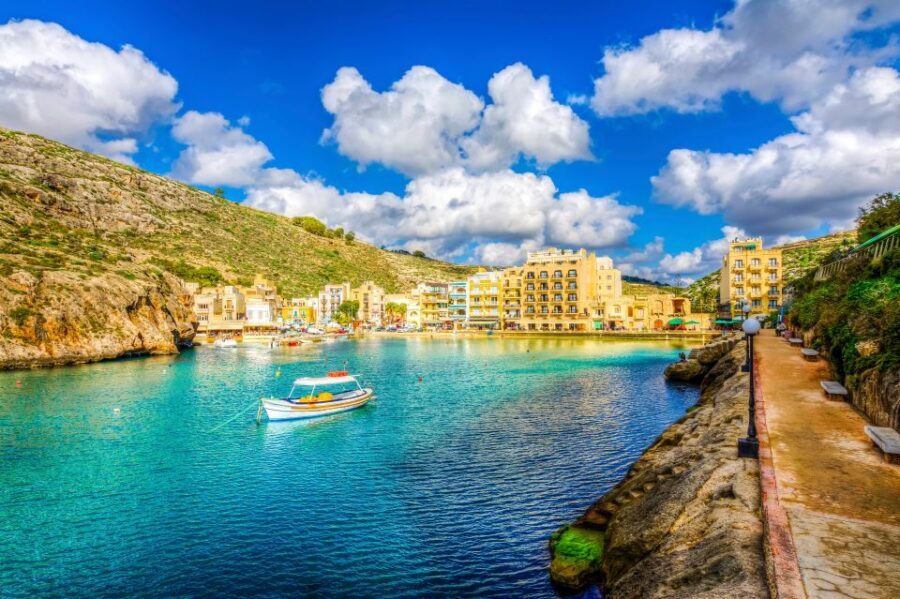
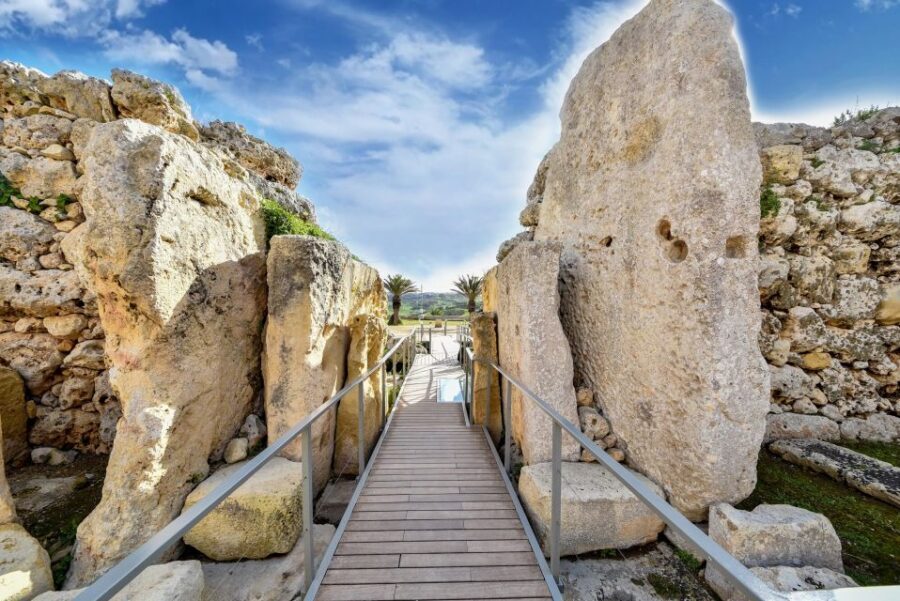
Your day begins with Ggantija Temples, the UNESCO-listed megalithic site that dates to roughly 3600–3200 BC. That date range alone is a head-spinning fact. But what makes this stop truly memorable is how physical it feels: the temples are built from massive limestone blocks, some over 5 meters long and reported to weigh more than 50 tonnes.
Then there’s the human storytelling layer. The name Ggantija comes from the Maltese word for giant, ggant. Local legend says a race of giants built the site. Standing near those stones, you can see why people made that connection instead of calling it just another archaeological ruin.
You may also hear the myth about Odysseus. The area is linked to a legend that he was stranded there for seven years. Even if you treat the legend as folklore, it adds a sense of continuity—this place has been explained in stories long before it was dated in labs.
What to watch for at Ggantija
- Plan on steady walking on uneven ground and around stone paths.
- Expect busy crowds, especially during peak periods.
- Use your guide’s framing: they tend to explain what you’re looking at, then give you time to wander.
A small note from how the day is commonly run: your introduction may be structured for the group, so don’t expect unlimited attention at every stone. Still, I think the first-stop timing is smart—get Ggantija while you’re fresh and before everyone else’s day boils over.
Victoria’s Citadel (Cittadella): The Island’s Fortified Backdrop
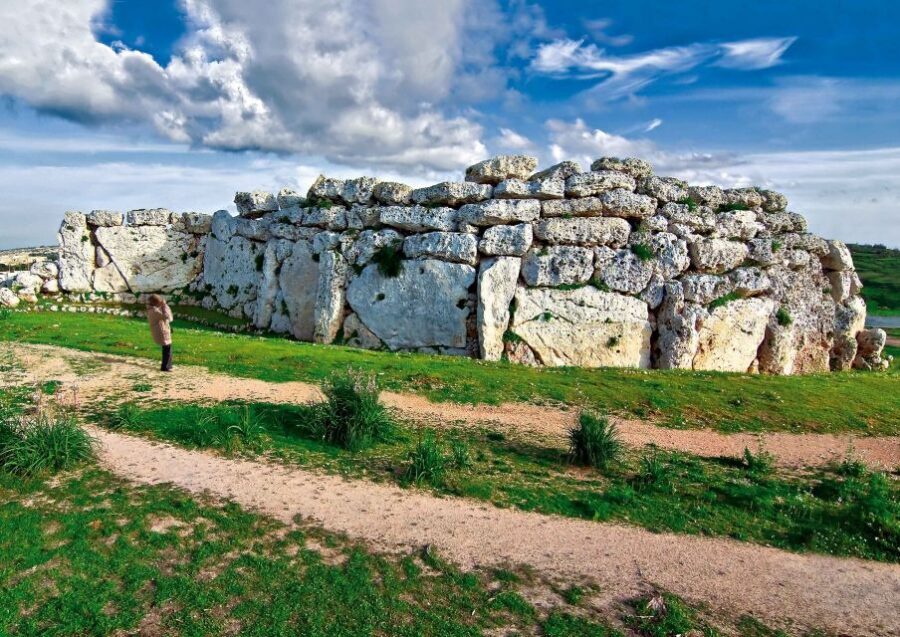
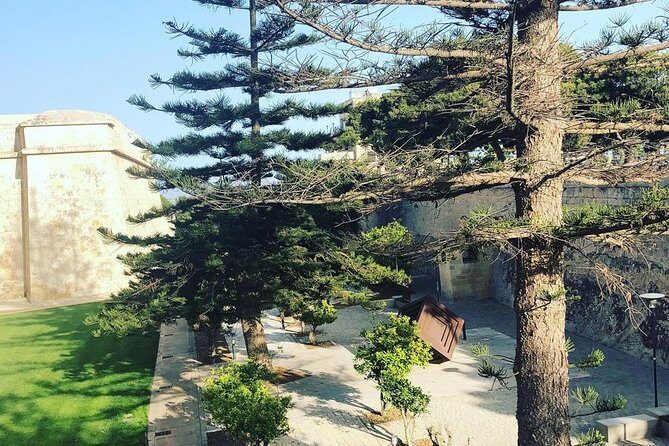
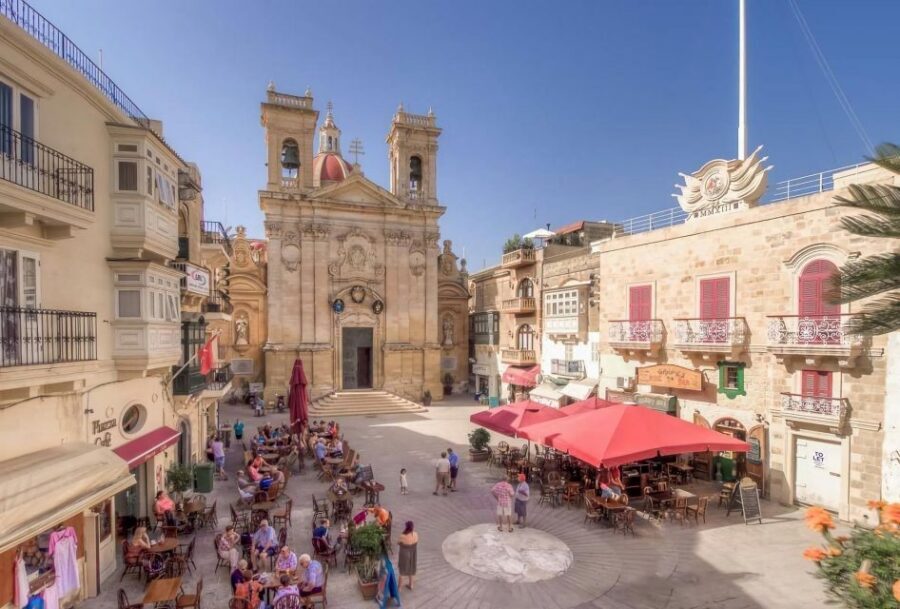
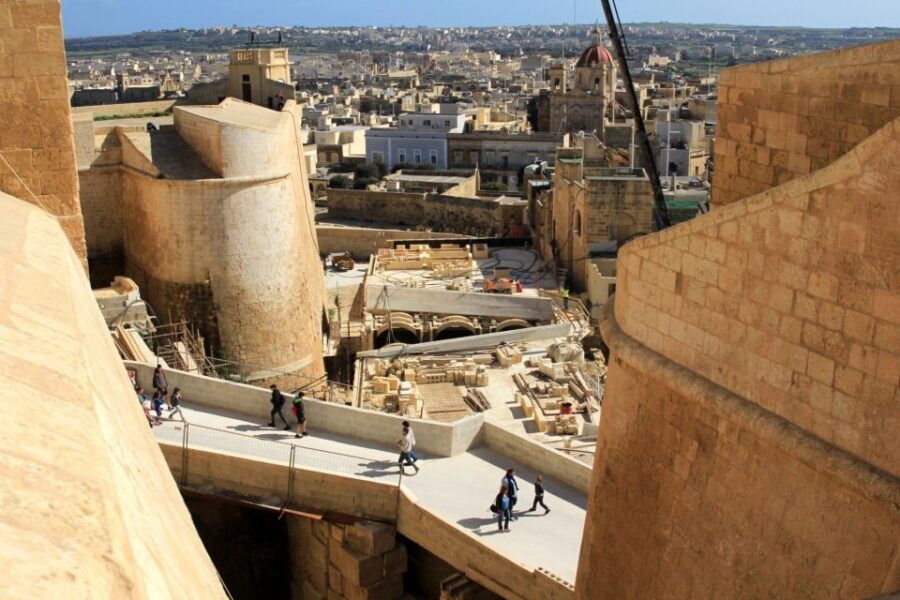
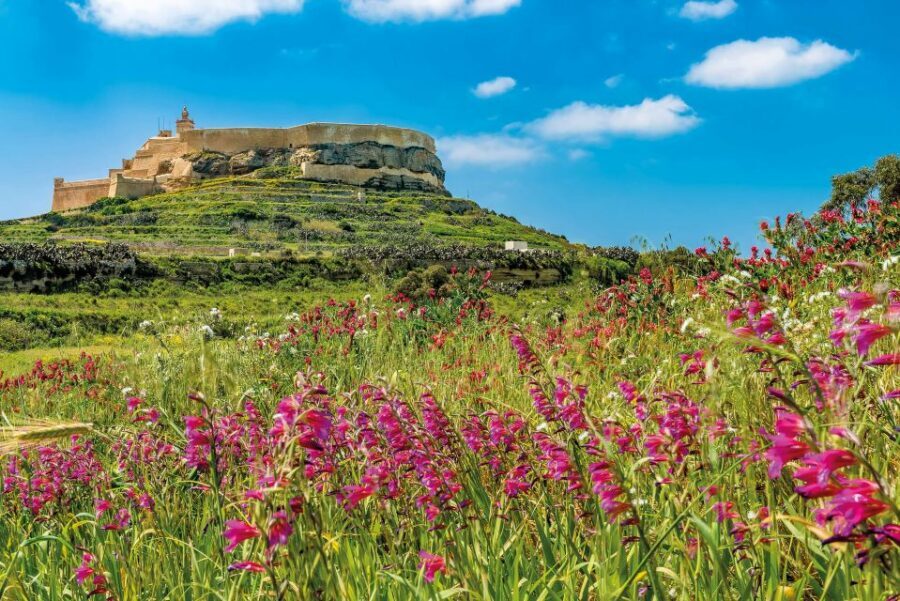
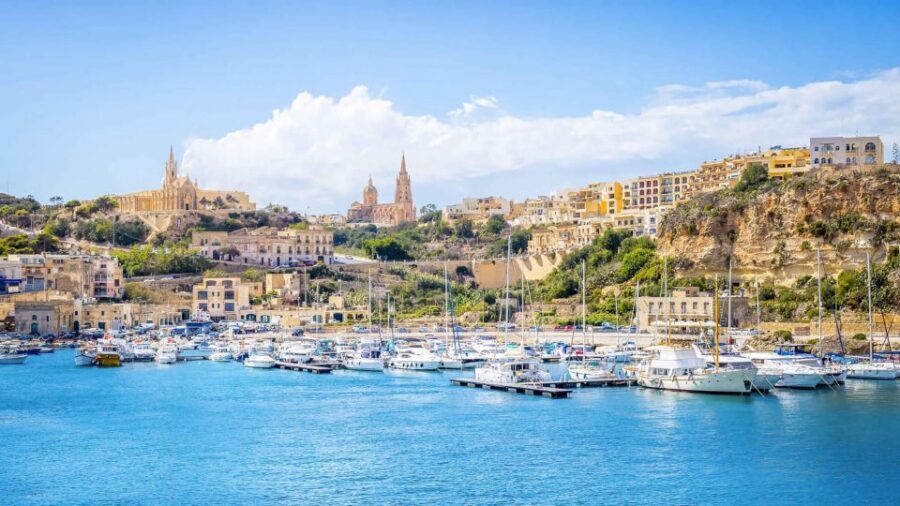
After Ggantija, you head to Victoria, Gozo’s capital. The big landmark here is the Citadel, also known as Cittadella. The fortifications and skyline look heavy and military in a way that fits the island’s sense of defense. It’s one of those places where you can feel the island thinking strategically.
Even if you’re not a fortress person, this stop works because it pairs history with a practical payoff: panoramic views. You get the sense of how Gozo’s towns sit against the terrain, and why walls like these mattered.
The part most people underestimate
The Citadel includes a walk uphill. That climb can be manageable with breaks, but it’s not flat. In the experience mix, I’ve seen plenty of positive comments from people using walking sticks, so it isn’t automatically a deal-breaker. Just don’t arrive thinking it’s a gentle stroll.
If you want photos, go with the plan: snap a few from the main vantage points early, then take your time in the lanes after. That way you don’t spend the best light fighting uphill crowds.


Xlendi Bay: A Sea Stop That’s More Than a Photo Break
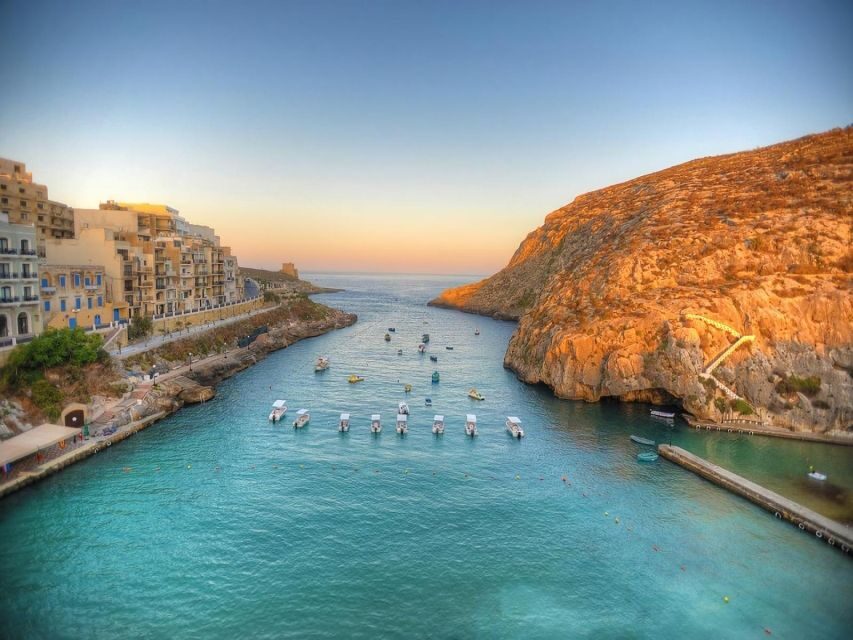
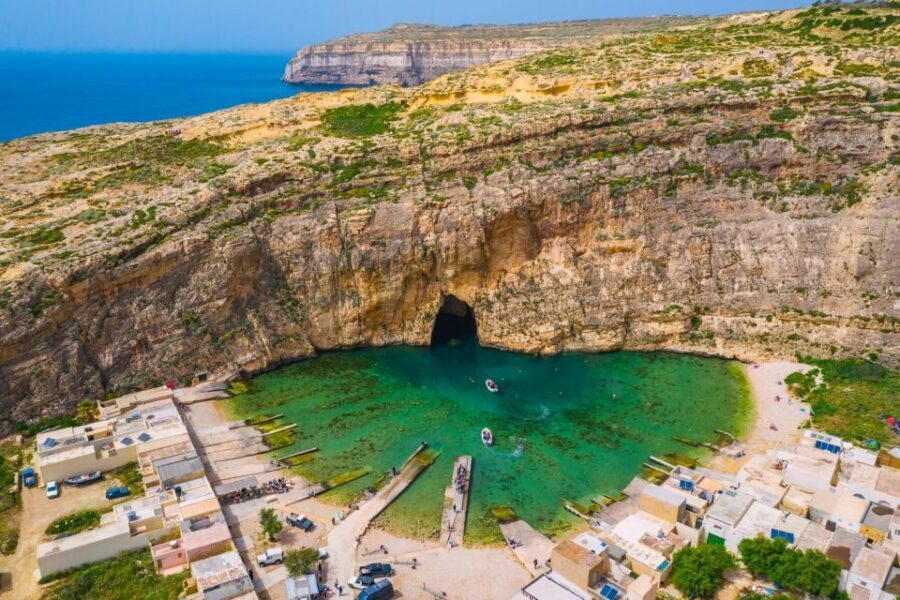
Next comes Xlendi Bay, a sea inlet at the end of a deep ravine. The ravine used to be a riverbed, which is a neat detail once you’re standing there and see how the cliffs funnel the water.
What I like about Xlendi is the balance. It’s popular—there are cafes, restaurants, and a lively promenade—but it doesn’t feel chaotic once you’re walking slowly. There’s room to breathe and to reset after temples and hills.
How you can use your time here
Even though lunch is included overall, Xlendi is still a good place to:
- walk the promenade at your own pace
- grab a drink or snack if your lunch schedule leaves you peckish
- take beach photos without committing to a long swim plan
If you’re the type who likes stretching the day with small choices, Xlendi is a spot where that works. It’s not just a stop for moving on.
Dwejra and the Inland Sea: Tunnel Views and Optional Boats
Dwejra is where the tour shifts from built heritage to raw natural power. This area on the western shore of Gozo is often described as a geological and ecological haven, but here’s the practical version: you’re going to see shorelines, cliffs, and seascape shapes that feel carved by time and water.
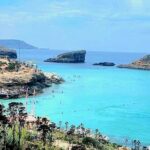
The star attraction is Dwejra Bay and the Inland Sea. It’s a small bay surrounded by cliffs, connected to the open sea by a 65-meter-long natural tunnel. That tunnel is what makes people stop mid-sentence. It’s a simple shape, but it creates a framed view and a real sense that nature has its own engineering department.
The optional boat ride at Dwejra
There’s usually an optional boat trip for about €6 per person, but it depends on favourable weather. If conditions are right, the boat ride can add a whole new angle—caves and sea formations are the kind of thing you understand better from water-level than from a viewing point.
In some cases, boat rides don’t run. If that happens on your day, you’re not left with nothing. You can still enjoy the bay viewpoints and the tunnel scenery.
Lunch, Entry Tickets, and the Hidden Value of Included Costs
Let’s talk value, not just the sticker price. At $92 per person for a 9-hour day, you’re paying for more than seats on a bus. You’re buying friction removal.
Here’s what’s included:
- hotel pickup and drop-off
- a tour guide
- air-conditioned transportation
- lunch (fixed menu) with a glass of wine
- all entry tickets
- round-trip ferry tickets to Gozo
That list matters because Gozo costs can stack up fast if you do it independently: ferry tickets, entry fees, transport, and a guided route to cover multiple places without wasting time.
Where lunch quality can vary
Lunch is included, but people don’t all rate it the same. Some reviews praise it as tasty and well-served. Others say it felt rushed, or that the meal didn’t match what they expected (especially around seafood). My practical advice: treat lunch as a fuel stop, not the main event. If you want the perfect meal, use your free time to explore nearby food options.
Also, extra drinks aren’t included, so if you drink more than a glass, bring that into your budget.
Guides and Group Size: Why Names Matter on This Route
On a day like this, a guide is the product. It’s not just facts. It’s timing, pacing, and how you manage a group around narrow places and popular stops.
You’ll see praise for guides including John Paul, Chantelle, John, Jason, Marie, Rita, Olivia, Altea, and Josephine. The consistent theme is clear: guides are often credited with strong historical storytelling and keeping the day running without panic.
There’s also a reality check. Some people felt the group was around 30+, and that can cause waiting at transitions—especially at the ferry. If you dislike group logistics, you’ll probably feel the pinch when your time at each site gets sliced into smaller chunks. Still, the tour is set up so you don’t have to worry about which stop is next or where tickets are handled.
My practical tip
If your priority is details and photos, pick the sites where you’ll slow down. I’d choose either Ggantija or Dwejra for deeper attention, then do Citadel and Xlendi at a comfortable walking pace.
Price and Logistics: What Can Go Wrong, and How You Can Plan Around It
Most of the tour runs on scheduled transfers: pickup, ferry to Gozo, bus around the island, then ferry back. When everything lines up, it’s a smooth day. But you should know what can affect timing:
- The ferry can be slower due to weather issues or service backlogs.
- Getting on and off the ferry can feel crowded.
- A late arrival can be a problem because the tour won’t wait.
That last point is important. The pickup time you see is an approximate start, and your actual hotel pickup happens in a window (often between 8:10 AM and 9:10 AM depending on where you stay). You’re told to confirm your pickup location and time with the operator a few days ahead. When you go by that guidance, the day stays calm.
And if you arrive late at pickup, the tour can’t adjust for missed morning pickup. So set a reminder and give yourself buffer time.
Who This Tour Suits Best
This is a strong match if you:
- want a one-day highlights tour rather than planning multiple transport legs
- like mixing UNESCO archaeology, medieval viewpoints, and coastal geology
- prefer a guided route that handles entry tickets and ferry logistics
It’s less of a match if you:
- need mobility-friendly options (this trip is not suitable for wheelchair users and mobility impairments)
- hate walking uphill, especially around the Citadel
- want a quiet, small-group experience
Also, if your top priority is the Inland Sea boat ride, check the weather mindset. When boats run, it’s a bonus. When they don’t, you still have the tunnel-and-cliffs scenery, but not the water-level views.
Should You Book This Gozo Day Trip?
If you want a high-value day that hits the big Gozo signatures—Ggantija, Citadel, Xlendi, and Dwejra—this is a sensible buy. The included tickets, ferry, transport, and lunch reduce a lot of planning stress, and the guide style (with names like John Paul, Chantelle, John, Jason, and Josephine showing up in recent experiences) seems to make the history easier to enjoy.
I’d book it if you’re comfortable with a long, mostly outdoors day and you don’t mind a group rhythm. I’d think twice if you’re photo-obsessed at a slower pace, or if you can’t handle hills. For most people, though, it’s one of the better ways to get a real taste of Gozo without turning your day into a logistics project.
FAQ
How long is the Gozo day trip?
It runs for about 9 hours.
How does the tour get to Gozo from Malta?
You take a short round-trip ferry, and the crossing to Gozo is about 25 minutes.
Is lunch included?
Yes. Lunch is a fixed menu and it includes a glass of wine. Extra drinks aren’t included.
Are entry tickets included?
Yes. All entry tickets are included in the price.
Is there an optional boat trip at Dwejra?
Yes. There’s an optional boat trip at Dwejra Bay (around €6 per person), and it depends on favourable weather.
What languages are available for the guide?
Live guide languages include Polish, Spanish, English, German, French, and Italian.
Where do you get picked up?
Pickup is included from your hotel or a very close meeting point. The pickup time on the ticket is approximate, and you should confirm the exact pickup details with the tour operator a few days before.
What should I bring?
Bring comfortable shoes, sunscreen, and cash.