REVIEW · MDINA
Mdina Audio Tour with Map and Directions
Book on GetYourGuide →Operated by Ugide Malta audio tours · Bookable on GetYourGuide
Mdina gets way more interesting when you control the tempo. This self-guided audio tour gives you 17 professionally produced tracks through the silent city, and it includes a printable map with directions to help you move shop to square. The one drawback is simple: it’s not a tour with a guide, so you’ll rely on your phone download working smoothly before you start.
Once you’re inside the fortified walls, Mdina is all about wandering slowly and listening closely. You’ll hit big names like St. Paul’s Cathedral, Vilhena Palace, Xara Palace, plus stops tied to smaller corners like Casa Testaferrata and Greek’s Gate. If you’re the type who loves architecture details and long-form storytelling, the narration style can feel thorough in the best way.
At the same time, the “do it your way” format can be a little fragile if you can’t find the next stop quickly. A few people said the stop order and map directions weren’t always crystal clear, so bring your patience and use your map/GPS instead of winging it.
In This Review
- Key highlights worth knowing before you walk
- Why Mdina’s silent streets fit an audio tour
- Price and value: a $6 audio walk that still needs your effort
- Getting started from Mdina Main Gate without wasting time
- The one-hour walk: 17 tracks through Mdina’s main sites
- Mdina: Introduction
- Main Gate
- Mdina Dungeons
- Vilhena Palace
- Nuns of St. Benedict
- Xara Palace
- Casa Inguanez
- Casa Testaferrata
- Banca Giuratale
- Palazzo Gatto Murina
- St. Paul’s Cathedral
- Cathedral Museum
- Palazzo Santa Sophia
- Carmelite Friars
- Palazzo Falzon
- Bastion Square
- Greek’s Gate (end point)
- Navigation tips when the map feels hard to use
- Who this Mdina audio tour is best for
- Should you book this Mdina audio tour?
- FAQ
- Where does the audio tour start?
- How long is the tour?
- How much does it cost?
- Is there a guide walking with you?
- What language is the audio available in?
- What’s included with the tour?
- Do I need an MP3 player?
- How do I get the audio guide after booking?
- Can I choose any date and time?
Key highlights worth knowing before you walk
- Start at Mdina Main Gate, then follow the route through 17 audio tracks at your pace.
- Professional, engaging narration that talks about names and architecture as you go.
- A ready-made route with a printable map and directions, so you’re not guessing where to turn.
- Major sights included, from St. Paul’s Cathedral to the Cathedral Museum.
- Story-focused stops like Mdina Dungeons and Greek’s Gate, where legends add color to the stones.
Why Mdina’s silent streets fit an audio tour
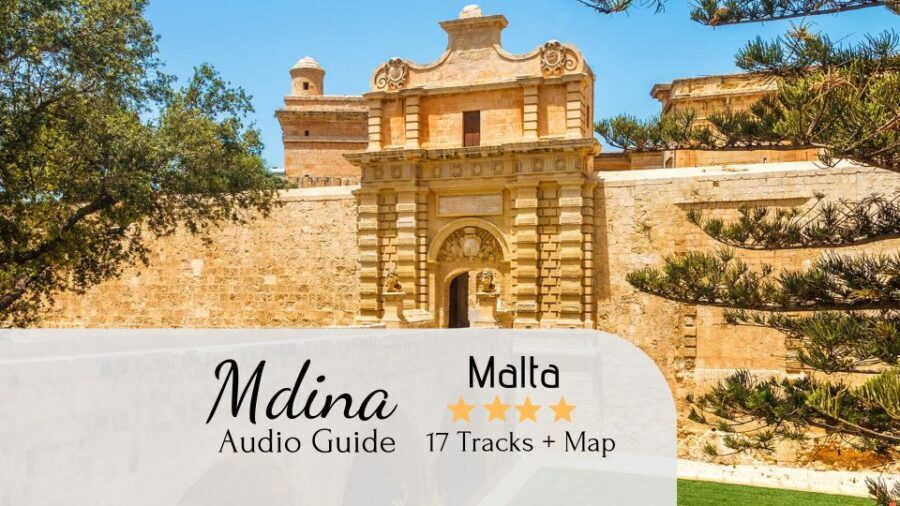
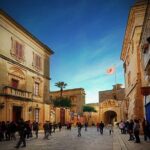
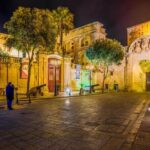
Mdina is the kind of place where a guided tour can feel rushed, even when the guide is great. The lanes are made for slow walking: you pause at a doorway, you look up at façades, you drift toward a square, then you move on. An audio tour matches that rhythm. You decide when to listen and when to just take in the views and texture of the city.
I also like the structure here: 17 tracks isn’t random filler. The route is built to connect recognizable landmarks (cathedral, palaces, bastion square) with the smaller buildings that make Mdina feel like a real lived-in town, not just a photo set. When the narration talks about names and architecture, it’s easier to recognize what you’re looking at because the audio cues you site-by-site.
One more reason this works so well: Mdina is compact, so you won’t burn time on long transit. That means your one-hour experience can actually stay focused on the city center, instead of being “time spent traveling to the good parts.”
A few more Mdina tours and experiences worth a look


Price and value: a $6 audio walk that still needs your effort
At $6 per person, this is priced like an inexpensive DIY activity, and that’s exactly what it is: you’re paying for the audio content plus a route map. You’re not paying for a person to meet you, explain the history in real time, or troubleshoot while you’re standing on a street corner.
Here’s the deal: it’s good value if you’ll do the two things audio tours require. First, you’ll listen as you walk (not just download and forget). Second, you’ll use the map/GPS tools you bring, since the experience is self-directed and depends on you finding each stop.
If you want someone to instantly solve problems for you, this won’t feel as satisfying. If you like history at your pace and you don’t mind a bit of route-reading, $6 starts to look like a bargain.
Getting started from Mdina Main Gate without wasting time
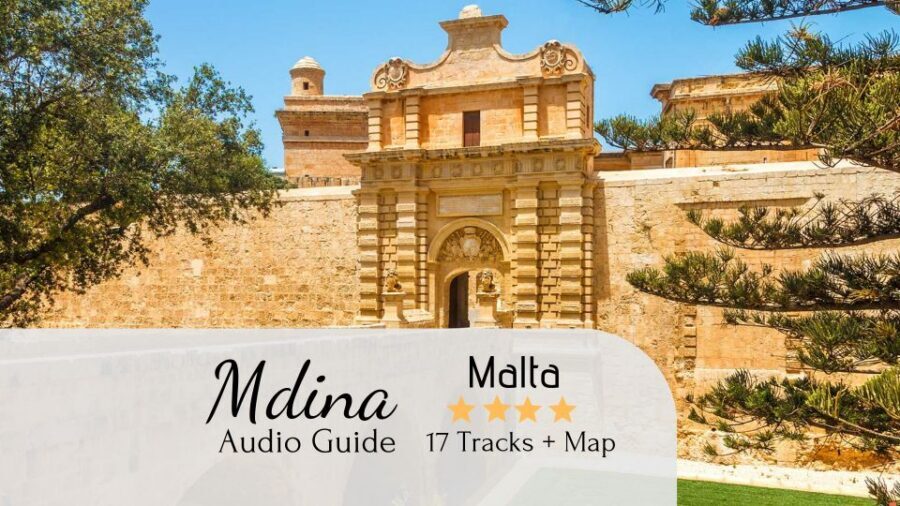
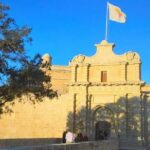
Your starting point is Mdina Main Gate. That matters, because once you’re inside, every turn can look similar. Start exactly where the route begins so your audio track numbers and the physical stops line up better in your head.
You should also plan your phone setup before you arrive at Mdina. You’ll want:
- A charged smartphone
- A GPS/map ready on your screen
This tour doesn’t include an MP3 player, so the phone is your workstation. Also, you won’t be meeting anyone from the provider, so if your download depends on email instructions, don’t treat that as “I’ll do it later.”
My practical tip: after you download the audio, check that you can play it offline (or at least without needing service). Mdina is a place where your signal might not be consistent everywhere, and if you’re stuck at the gate with a half-downloaded audio guide, you’ll lose the whole “one hour, no stress” feeling.
The one-hour walk: 17 tracks through Mdina’s main sites
The tour is designed as a walk with a start point and a finish line that keeps you moving forward. You’ll hear an introduction track, then you’ll work your way through dungeons, palaces, church-related stops, and major squares, ending with Greek’s Gate.
Here’s what you can expect from the route in the order you’ll follow.
Mdina: Introduction
This track is your warm-up. It’s meant to set the stage so you understand what you’re looking at when the city starts calling out names and buildings. If you’re new to Mdina, this is where you get the “why this place matters” context before you zoom in on individual stops.

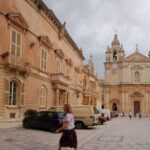
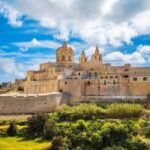
Main Gate
The Main Gate track is basically your orientation. You’ll get a grounding point for the walk so the route feels intentional, not like random sightseeing. Use this moment to confirm you’re at the correct start and that your next audio stop makes sense on the map.
Mdina Dungeons
Dungeons sound dramatic, and in a self-guided format they’re even better, because you can take your time imagining the stories while you’re standing near the site. Expect the audio to shift from general city history into more specific human stories.
Practical note: if you’re walking with a phone and you need to find the exact entrance area, keep your map open and reduce distractions. This is one of those stops where listening while you navigate can slow you down.
Vilhena Palace
Palaces in Mdina help explain how power and wealth shaped the city’s look. When the audio talks about architecture and names, this is the kind of stop where the narration makes the façade easier to read. Pause for a moment, look up, then listen again if you need to anchor details.
Nuns of St. Benedict
This track gives you a church-community angle rather than only palaces and official buildings. It’s a good balance stop because it shifts your focus from grand exteriors to the daily fabric of the city.
If you prefer stories that feel grounded in real people, this is one of the tracks that can click quickly.
Xara Palace
Another palace stop, and that repetition is useful. Listening through more than one residence helps you compare styles and understand why these buildings became the city’s signature landmarks. Don’t just glance and move on—take the extra 30 seconds to let the audio connect the dots.
Casa Inguanez
Smaller named houses can be easy to overlook from street level. The audio helps because it treats these locations as meaningful, not just “a door you walked past.” I like this kind of stop because it turns a quiet street into a narrative.
Casa Testaferrata
This continues the “named building” theme. If the narration includes details about architecture (and it tends to, based on how the audio is described), this is where you’ll start noticing repeating visual cues instead of seeing everything as one big blur of stone.
Banca Giuratale
A named civic or administrative site typically changes the story from private residences to public life. The value of this stop in an audio format is that it can explain the role of the building while you’re actually in front of it, instead of forcing you to remember details from memory later.
Palazzo Gatto Murina
This is the kind of stop that makes Mdina feel specific. A name like this is memorable, and the audio tends to back that up with context. Expect you’ll come away with a clearer idea of what the building represents in the city’s story.
St. Paul’s Cathedral
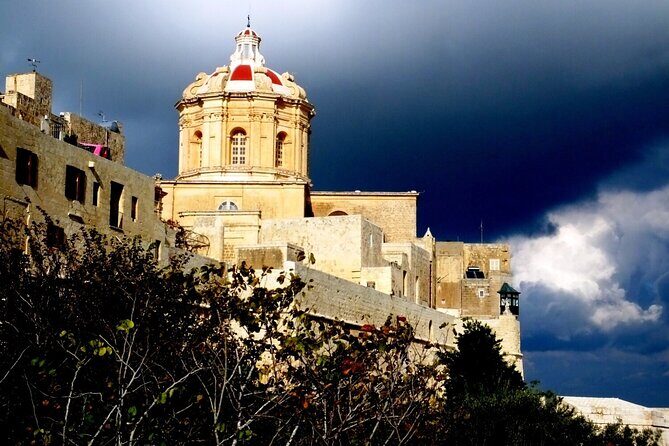
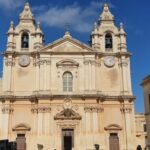
This is your major anchor stop. When you reach St. Paul’s Cathedral, you’re no longer just collecting points on a map—you’re at the kind of place that defines Mdina’s reputation.
I recommend slowing down here. The cathedral area is where you’ll feel the city’s “main character” energy, and it’s also where the audio will likely pay off the history you heard earlier.
Cathedral Museum
The museum stop is smart in a self-guided experience because it breaks the cathedral visit into layers. Instead of only seeing the building, you get an extra chance to learn while staying in the same general area.
If you’re short on time, you can still get value by listening to this track while you’re in the immediate vicinity. (You can decide how much time you want at the museum itself depending on your pace.)
Palazzo Santa Sophia
Another named palace, and this one continues the pattern of connecting architecture to story. At this stage in the walk, you’ll probably notice the audio feels less like “facts” and more like a guided way of seeing.
If you’re enjoying the narration, don’t rush this stop. It’s one of the places where a 60-second pause can make the difference between “I walked past it” and “I understood why it matters.”
Carmelite Friars
This stop shifts you again toward religious life. In a city like Mdina, that variety is valuable. It keeps the walk from becoming only about wealth and power buildings, and it adds a different kind of historical texture.
Palazzo Falzon
By now, you’re probably starting to spot how palaces create Mdina’s visual rhythm. This track helps you connect what you saw earlier (gate, palaces, squares) into a smoother picture.
If the audio includes details about names and architecture, this is where you’ll benefit from having listened consistently so far. Skipping tracks can make it harder to follow the connections.
Bastion Square
A square stop is a natural reset point. You can check your map, adjust your pace, and look around at the city’s layout. Audio tours are at their best when they give you both movement and a place to stop and breathe.
This is also a great time to make sure you’re aligned with the remaining track near the end of your route.
Greek’s Gate (end point)
You finish at Greek’s Gate. The audio includes a specific local legend tied to the gate: it’s named after a small Greek community that once inhabited the area in the south-west of Mdina, and there’s a story that slaves were led through this gate because they weren’t allowed to use the main gate.
That kind of legend hits harder when you stand where it supposedly happened. It turns a gate from a wall feature into a human story with stakes.
Navigation tips when the map feels hard to use
A couple of issues pop up from real-world use, and you can avoid them easily.
First, the experience is self-guided, so stop-finding is on you. Some people found the directions unclear and the map harder to use than they hoped. Also, the audio order may not feel perfectly intuitive when you’re trying to match street reality.
Here’s how you can prevent that:
- Use your phone’s GPS/map while listening so you’re always sure you’re at the right spot.
- Keep the printable map visible, and consider taking a quick photo/screenshot so you can zoom instead of squinting.
- Don’t assume the street layout will look like the map. Use track numbers as your anchor and adjust if needed.
If you’re worried about getting turned around, give yourself a little extra cushion. You’ll be glad you did if you spend even five extra minutes locating a stop.
Who this Mdina audio tour is best for
This audio walk is a strong fit if you:
- Prefer to move at your own pace
- Want a structured route without the cost of a guided tour
- Like history told through buildings, names, and stories
- Enjoy professional narration and don’t mind longer tracks
It’s less ideal if you:
- Don’t want to handle downloads and tech at all
- Get irritated when self-navigation gets even slightly complicated
- Want a human guide to clarify confusion on the spot
In other words, it’s best for independent walkers who are comfortable using their phone as their guide.
Should you book this Mdina audio tour?
Book it if you want a budget-friendly way to experience Mdina’s key sites in a single focused hour, with 17 audio tracks that are clearly made for walking rather than sitting still. The St. Paul’s Cathedral stop plus the Cathedral Museum gives you a big pay-off, and the end at Greek’s Gate brings the stories together with a memorable legend.
Skip it if you know you’ll struggle with phone downloads, have unreliable service, or hate map-reading. This experience relies on you getting the audio working and using your own navigation tools.
If you do book, plan one thing: download the audio guide as soon as you receive the instructions, and start at Mdina Main Gate. That’s the difference between a smooth self-guided walk and a frustrating scramble.
FAQ
Where does the audio tour start?
It starts at Mdina Main Gate.
How long is the tour?
The duration is 1 hour.
How much does it cost?
It’s $6 per person.
Is there a guide walking with you?
No. It’s self-guided, and you won’t meet anyone from the team.
What language is the audio available in?
The audio is in English.
What’s included with the tour?
You get 17 audio tracks, a map of Mdina, and directions through Mdina.
Do I need an MP3 player?
An MP3 player is not included, so you’ll need to use your smartphone.
How do I get the audio guide after booking?
You’ll receive an email with instructions on how to download the audio guide after you book.
Can I choose any date and time?
Yes. You can choose any date and time at booking, and the audio tour can be done at any time.