REVIEW · MDINA
Palazzo Falson Historic House Museum entrance ticket
Book on GetYourGuide →Operated by V. Tabone Travel · Bookable on GetYourGuide
Walled Mdina hides a house museum worth lingering in. Palazzo Falson Historic House Museum is one of the oldest standing buildings in Mdina, and your ticket comes with an English audio guide plus printed material in many languages, so you can move at your pace. I like how the setting feels like a real home from centuries ago, not just a box with labels.
What I really enjoy is the sheer range: 45 collections spread across 17 rooms, with over 3,500 objects covering silver, furniture, jewellery, Oriental rugs, and armoury. The paintings side also brings weight, including works attributed to major 17th-century artists like Mattia Preti and Jusepe de Ribera.
One consideration: this is a proper house museum, so if you want a super-fast stop or you’re traveling with kids under 6, this may feel like too much. Plan for time on your feet and let the rooms do the talking.
In This Review
- Key things you’ll notice
- Palazzo Falson in Mdina: why this medieval house museum matters
- Price and value: what your $15 ticket actually buys
- Entering Palazzo Falson: how the visit flow works
- 13th-century roots, Sicilian design, and the story hiding in the walls
- Walking through 17 rooms: how the house’s layout shapes what you see
- Collections spotlight: silver, rugs, armoury, and the 3,500-object scale
- The library: 4,500 books and manuscripts in a historic home
- Terrace café break: Mdina views and a chance to reset
- Practical advice: timing, language, and what to wear
- Who this ticket suits best (and who might skip it)
- Should you book Palazzo Falson Historic House Museum?
- FAQ
- What does the Palazzo Falson Historic House Museum ticket cost?
- How long is the visit valid for?
- Is an audio guide included, and what languages are available?
- Are printed materials provided?
- Is the museum suitable for young children?
- Can I cancel and get a full refund?
- Can I reserve now and pay later?
- What can I expect to see inside?
Key things you’ll notice
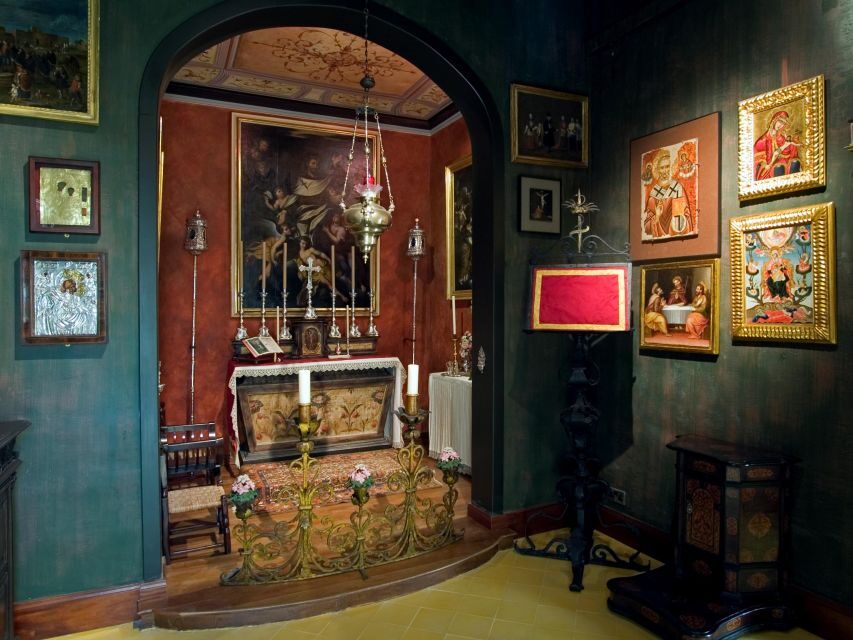
- Mdina’s second-oldest standing building gives you real medieval atmosphere as you walk room to room
- 17 rooms / 45 collections / 3,500+ objects means lots to see without needing to sprint
- Audio guide included (English, French, German, Italian, Maltese, Spanish) helps you follow the stories
- 17th-century paintings include attributions to names like Mattia Preti and Ribera
- Library with 4,500+ books and manuscripts adds a scholarly side many house museums skip
- Rooftop terrace cafeteria views are a perfect reset after the indoor rooms
Palazzo Falson in Mdina: why this medieval house museum matters
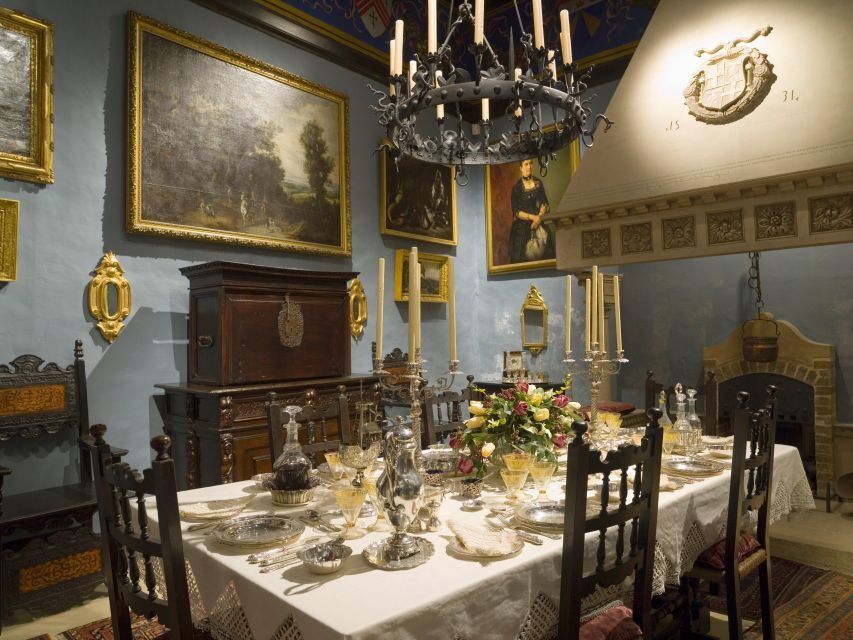
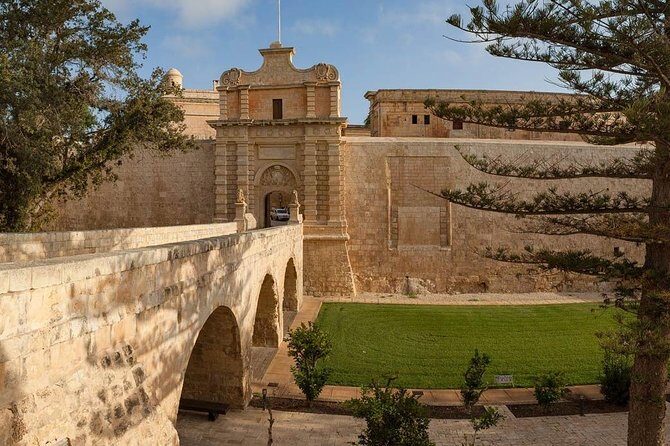
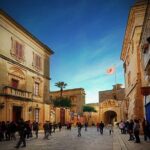
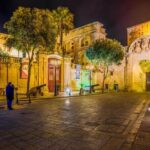
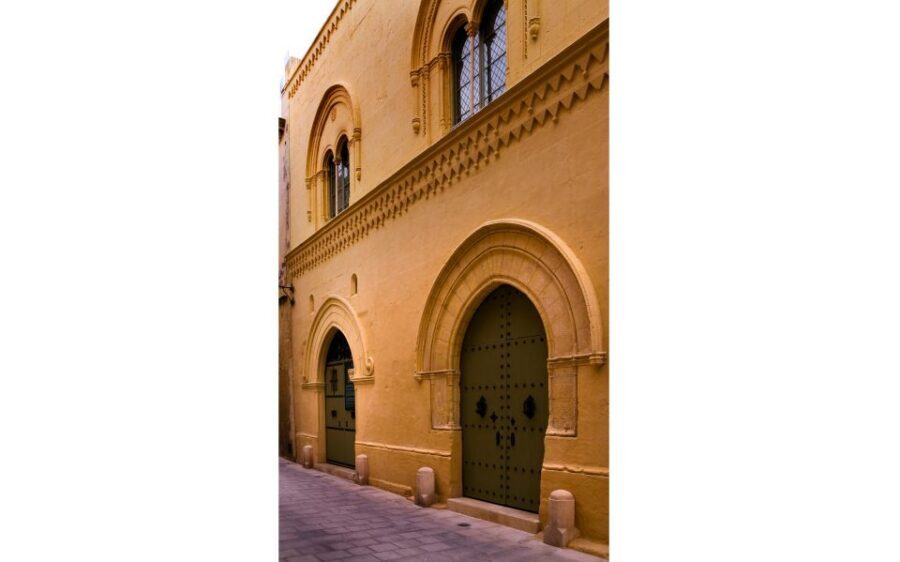
Mdina is Malta’s walled-city lookback: stone walls, narrow lanes, and a calm pace that makes every building feel important. Palazzo Falson fits that mood perfectly. It’s the second oldest building still standing in Mdina, and it was shaped as a family residence for the island’s nobility. In other words, you’re not only viewing artifacts. You’re walking through the architecture those objects were meant to live alongside.
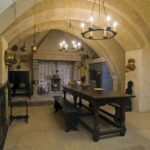
The palace is a two-storey medieval building with rooms wrapped around an internal courtyard. There’s also the piano nobile—the noble floor where the original living quarters were. Even before you get into the collections, the layout helps you understand how power and daily life overlapped in a medieval home. The rooms at the back of the courtyard are the oldest part, which adds a real sense of time layering as you go.
I also like the way this place doesn’t pretend it was born as a museum. Palazzo Falson has worn multiple names over the centuries, including Palazzo Cumbo-Navarra and Casa dei Castelletti, and it reopened to the public in May 2007 after major restoration by Fondazzjoni Patrimonju Malti (Maltese Heritage Foundation). That restoration piece matters: it’s why the house still reads clearly as a historical residence, not just a reconstructed set.
A few more Mdina tours and experiences worth a look



Price and value: what your $15 ticket actually buys
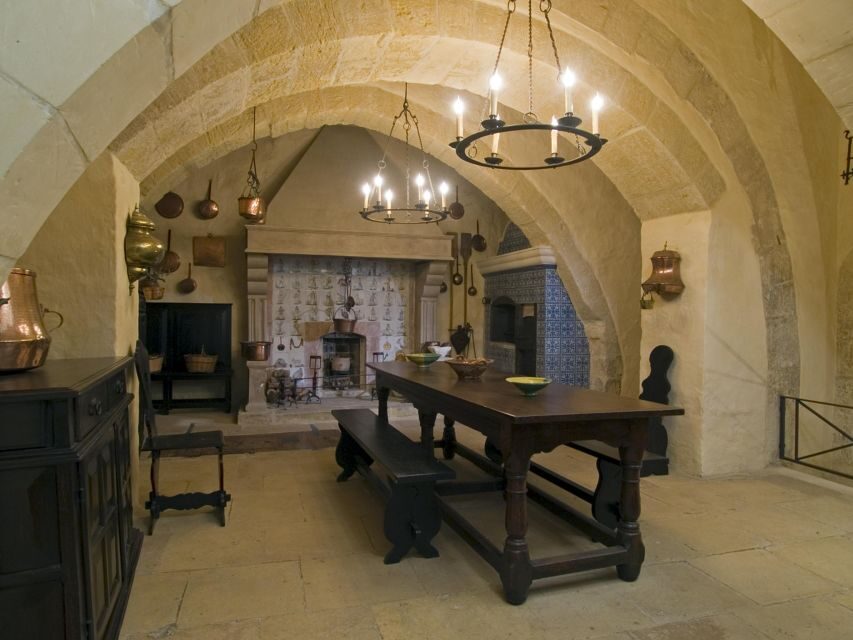
At $15 per person, the ticket is straightforward value if you’re the type of visitor who likes breadth. You’re paying for access to a house museum with 17 rooms and over 3,500 objects, plus an audio guide and multilingual printed information.
The smart part is the support built into the experience:
- An audio guide in English, French, German, Italian, Maltese, or Spanish
- Printed info in a long list of languages, including Arabic, Chinese, Czech, Dutch, English, French, German, Greek, Hungarian, Italian, Japanese, Maltese, Polish, Portuguese, Russian, Slovak, Spanish, and Swedish
That means you’re not just paying to walk around. You’re paying for a guided way to make sense of what you’re seeing—especially helpful in a building with multiple themes like silverwork, jewellery, rugs, armoury, paintings, and a library.
One more value point: you can end your visit on the terrace. The house includes a cafeteria on the upper-floor terrace, with views across Mdina and beyond. You’re not required to rush out the door right after the last room.
Entering Palazzo Falson: how the visit flow works
There isn’t a heavy choreography here. What you get is a museum designed around the house itself. When you enter, you’ll be able to pick up your information and use the English-focused audio guide options that match your language. The printed materials help you jump in even if your audio is playing catch-up.
From there, your best strategy is simple: follow the building’s logic. The palace wraps rooms around an internal courtyard, so you’ll naturally get a rhythm of moving in, out, and around. That courtyard structure matters because the collections feel grouped in a way that matches how a household might display wealth and daily cultural taste.
A good approach is to pick one theme to pay extra attention to (paintings, armoury, rugs, or the library), then let the rest fill in around it. With 45 specific collections across 17 rooms, trying to treat every object like it’s the main event will burn you out. Instead, aim to see the room as a whole—what kind of world it’s presenting—then let the audio guide point you toward the standouts.
13th-century roots, Sicilian design, and the story hiding in the walls
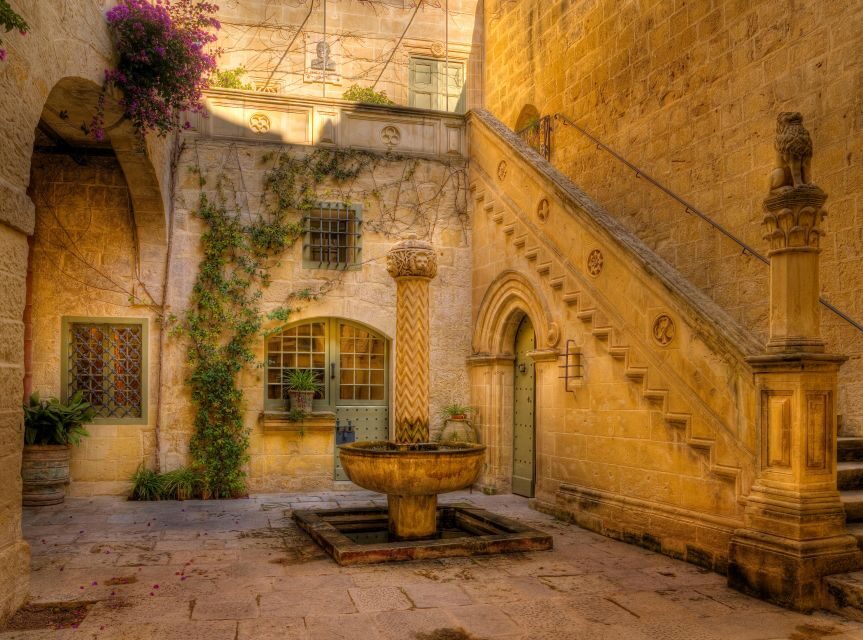
Palazzo Falson’s origins go back to the early 13th century. The building is fashioned on Sicilian examples from the same period, and it was purposely built as a family residence by Maltese nobility. That detail is useful to keep in mind while you’re inside. Malta and Sicily share more than geography here; the architectural inspiration gives you a wider Mediterranean context than you might expect from a small island.
The palace is also a record of ownership and status changes. In the early 16th century, the property was inherited by Vice Admiral Michele Falson, who was head of the town council. Later, after Malta was donated to the Knights of the Order of St. John by Emperor Charles V, the palace became part of that political and ceremonial story: the first Grand Master in Malta, Philippe Villiers de L’Isle Adam, was hosted by Maltese nobles at Palazzo Falson after a ceremony in which he took possession of Mdina on 13 November 1530.
You can feel why that matters once you’re standing among the collections. This isn’t a random private hoard. It’s tied to power, public life, and the role of elite families in shaping what got collected, displayed, and passed down.
And then there’s the museum’s more recent engine: Captain Olof Frederick Gollcher O.B.E. (1889–1962), of Swedish descent. He wasn’t only collecting things—he was a researcher, artist, philanthropist, and passionate curator of objets d’art and historical items. The extraordinary richness of what you see now is largely because his collecting formed the core of the museum’s holdings.
Walking through 17 rooms: how the house’s layout shapes what you see
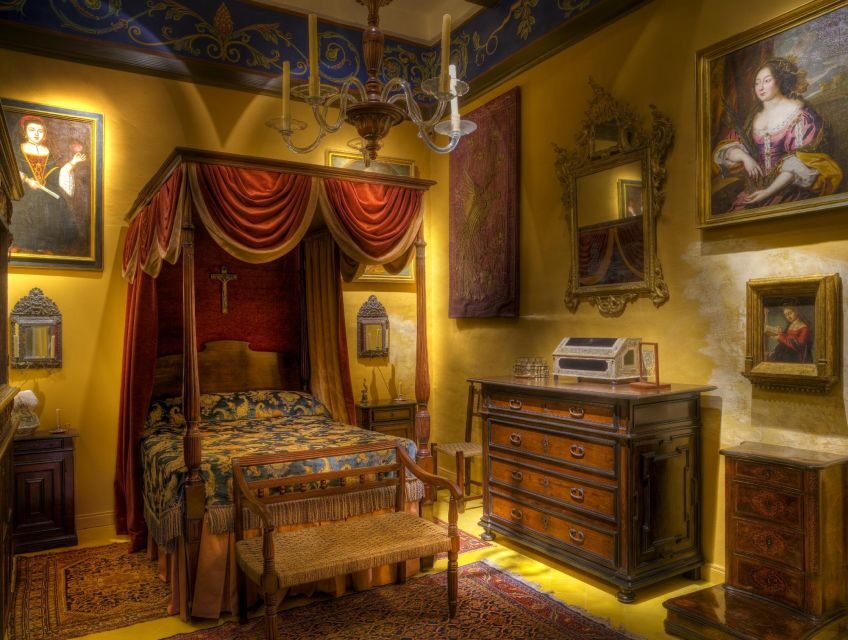
The big number to remember is 17 rooms. That’s enough space that you’ll feel like you’re moving through distinct sections, but it’s not so large that you’ll get lost or spend your entire day chasing labels.
The rooms are wrapped around the courtyard, which helps you understand how a palace uses space. The architecture is doing quiet work: it slows you down and gives you repeated moments of orientation. Even if you’re not a “museum person,” that helps. You’re not just viewing; you’re experiencing the building’s flow.
What you’ll likely notice while moving room to room:
- Some areas read as domestic and decorative, where silverwork, furniture, and jewellery feel like they belong to daily life.
- Other rooms lean into cultural collecting, especially the armoury, the Oriental rugs, and the painting holdings.
- The library gives a different pace—more reading energy, less visual display frenzy.
If you’re short on time, don’t try to hit everything equally. Choose the two or three areas that match your taste. If you’re art-focused, give extra attention to the paintings collection. If you love material culture and design, put silver, furniture, and rugs near the top of your list.
You can also read our reviews of more historical tours in Mdina

Collections spotlight: silver, rugs, armoury, and the 3,500-object scale
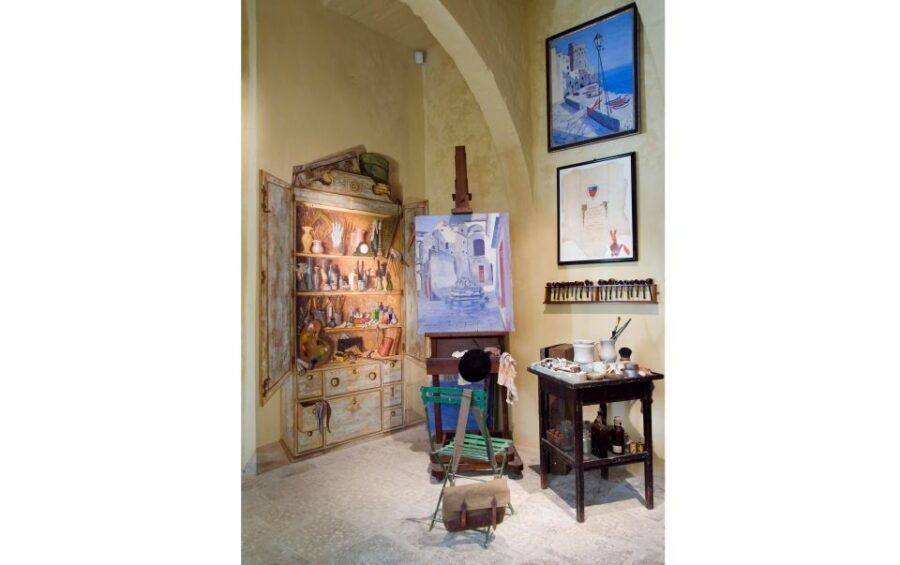
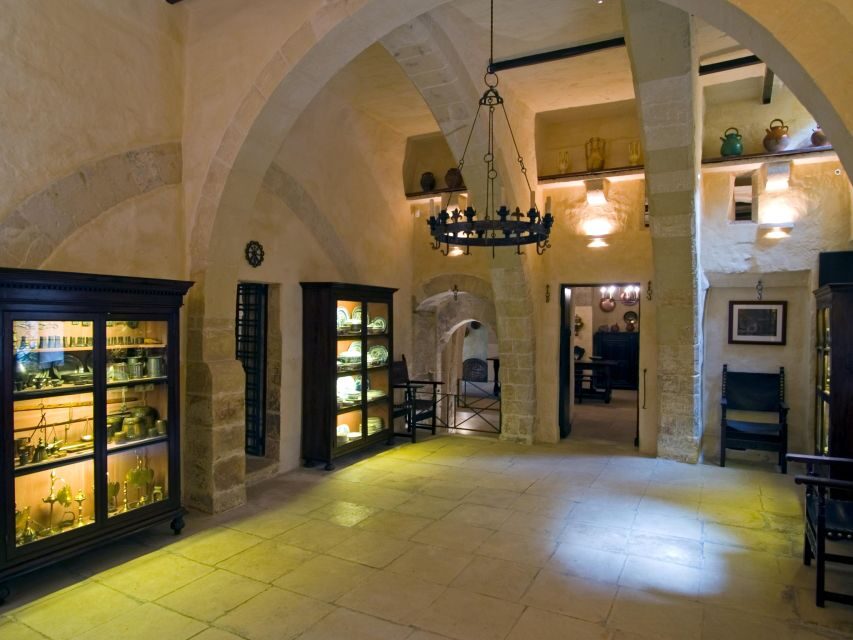
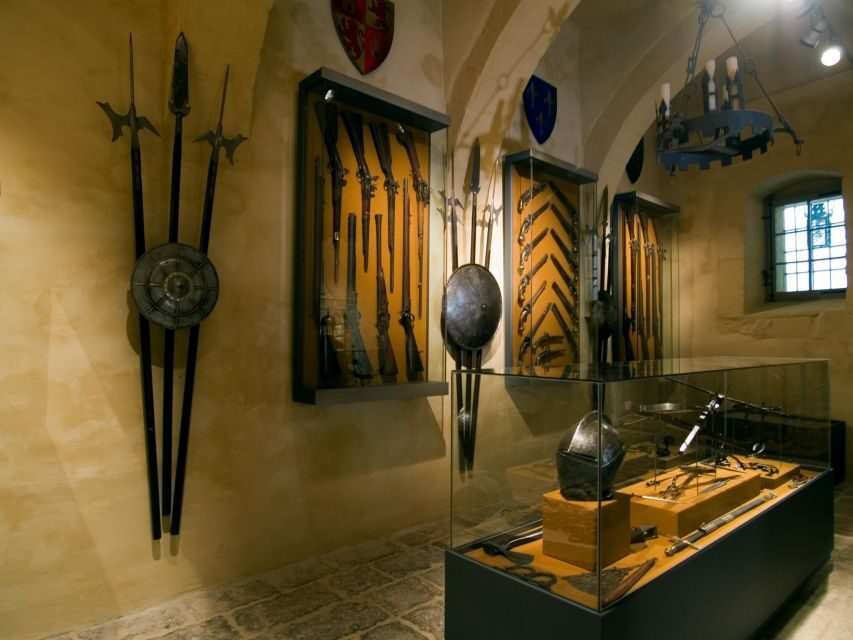
The collection is a treasure-trove of over 3,500 objects across forty-five specific collections. That scale is exactly why Palazzo Falson works as a house museum: you don’t just see one type of prize. You see how a collector’s interests can span multiple worlds—trade goods, artistic display, military history, craftsmanship, and literary culture.
Here are the major collection categories you should look for:
- Silver: typically the kind of display that makes you slow down because the shine catches the room lighting and the details reward close viewing.
- Furniture and jewellery: these collections help you understand what style and status looked like in everyday decorative terms.
- Oriental rugs: seeing rugs inside a Maltese palace is a reminder that collecting was also about global reach and taste.
- Armoury: even if you’re not a weapons person, armoury tends to tell a story through materials, design choices, and the prestige of military equipment.
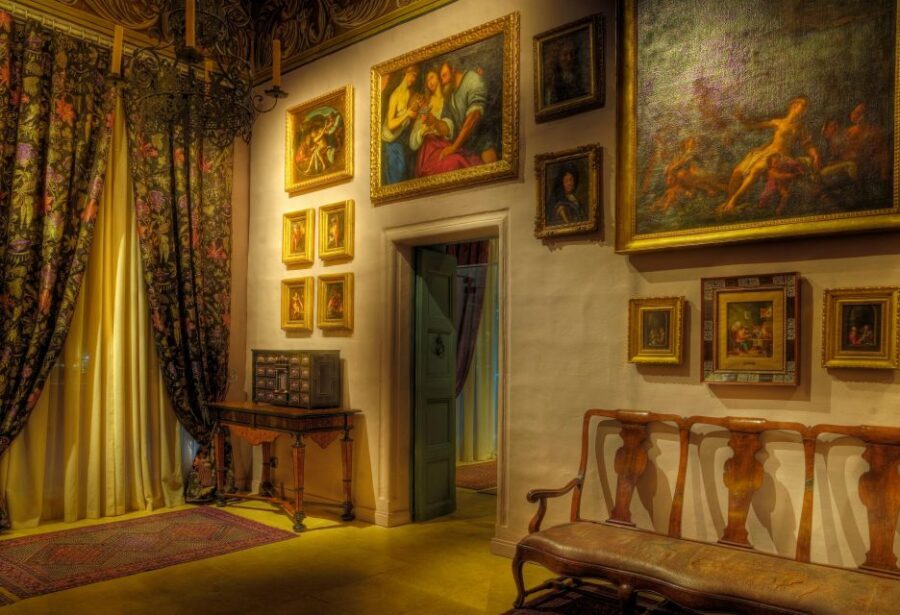
- Paintings (17th-century works): the museum includes significant pieces from the 1600s, and the attributions are part of the appeal.
The paintings collection is especially worth centering in your visit. Palazzo Falson’s holdings include works attributed to Mattia Preti, Jusepe de Ribera, Jakob-Ferdinand Voet, Charles Beale, and Juriaen van Streeck. Even if you don’t know all those names, I suggest you use the audio guide to figure out what makes these works important in context.
A practical tip: don’t force yourself to “finish” the paintings room. Instead, let the audio guide take you to a few key works, then enjoy the rest at your own pace.
The library: 4,500 books and manuscripts in a historic home
The library is one of the most compelling pieces of the collection mix because it changes the tempo. Palazzo Falson includes a remarkable library with over 4,500 books, plus highly valuable manuscripts.
In a lot of house museums, the paper side of collecting gets only a glance. Here, the library is clearly treated as a major component of the overall collection. That makes sense when you connect it to Captain Olof Frederick Gollcher’s identity as a researcher and collector of historical items. He wasn’t only attracted to objects; he was drawn to knowledge itself.
If you like libraries, manuscripts, and the physical presence of books, give yourself space to linger. If you don’t, you can still enjoy it as a contrast room. After hours of decorative objects and displays, a library can feel like a reset that helps you process what you’ve seen.
Terrace café break: Mdina views and a chance to reset
There’s a simple reason I like ending here: the palace has a cafeteria on the terrace on the upper floor. After indoor rooms filled with silver, textiles, armoury, and paintings, you get a breathing space with magnificent views of Mdina and beyond.
This is also where you can make the visit yours. If you’ve spent more time in the paintings rooms, you can cool down with a drink and look at how Mdina’s geometry fits the palace’s stone-world. If you’ve been focused on objects, the terrace helps you step back and appreciate scale and setting.
One more small practical note: terrace time is where I’d slow down and decide whether I want to re-enter any room themes before leaving.
Practical advice: timing, language, and what to wear
You’ll get the most from Palazzo Falson if you treat it as a thinking museum, not a photo sprint. With 17 rooms and 45 collections, it’s easy to rush and miss how the pieces connect through the house layout.
Language support is a real strength here:
- Audio guide choices include English, French, German, Italian, Maltese, and Spanish
- Printed information is available in many languages (including English and Arabic, plus several others)
If you’re switching languages mid-visit, grab the printed info early. It’s easier to adjust when you’re not already absorbed in one room’s details.
For attire, wear comfortable shoes. The museum is inside a historic building, and you’ll be walking from room to room around the courtyard and up to the upper-floor terrace.
Who this ticket suits best (and who might skip it)
This ticket is ideal if you enjoy:
- House museums and historic interiors
- Collections that mix decorative arts with armoury and painting
- Visitors who like stories tied to named people, including Philippe Villiers de L’Isle Adam and Michele Falson
- People who value the added bonus of a library with manuscripts
You might want to consider another option if:
- You’re visiting with children under 6 (not suitable)
- You only want a quick stop with minimal walking or reading
- You prefer very modern, interactive museums rather than a traditional room-by-room experience
One more fit detail: you don’t need to be a specialist on Baroque or Renaissance art. The museum’s collection includes high-profile names, but the audio guide and the house setting help you understand what you’re seeing without prior study.
Should you book Palazzo Falson Historic House Museum?
If you like historic interiors and you want your time in Malta to feel hands-on with real objects, I think Palazzo Falson is a strong yes. For $15, you get an indoor journey through 17 rooms and a collection that reaches across silver, jewellery, Oriental rugs, armoury, and 17th-century paintings, plus a library with 4,500+ books and manuscripts. Add an audio guide in multiple languages and the terrace café with views, and it becomes an easy value call.
Skip it only if you’re short on time, need kid-friendly options for children under 6, or you’re not interested in the slower rhythm of a traditional house museum.
FAQ
What does the Palazzo Falson Historic House Museum ticket cost?
The entrance ticket is $15 per person.
How long is the visit valid for?
The ticket is valid for 1 day.
Is an audio guide included, and what languages are available?
Yes. An audio guide is included in English, French, German, Italian, Maltese, and Spanish.
Are printed materials provided?
Yes. Printed information is available in many languages, including Arabic, Chinese, Czech, Dutch, English, French, German, Greek, Hungarian, Italian, Japanese, Maltese, Polish, Portuguese, Russian, Slovak, Spanish, and Swedish.
Is the museum suitable for young children?
No. It is not suitable for children under 6 years.
Can I cancel and get a full refund?
Yes. Free cancellation is available up to 24 hours in advance for a full refund.
Can I reserve now and pay later?
Yes. You can reserve now & pay later.
What can I expect to see inside?
You can expect to see 45 specific collections across 17 rooms, including paintings, silver, furniture, jewellery, Oriental rugs, armoury, and a library with over 4,500 books and valuable manuscripts.