REVIEW · MALTA
Prehistoric Temples of Malta Tour
Book on GetYourGuide →Operated by Supreme Travel Limited · Bookable on GetYourGuide
Malta’s oldest stones are closer than you think. This half-day tour lines up Hagar Qim, Mnajdra, and the Ghar Dalam Cave & Museum, with a live guide and included transportation from many places on the island.
I love how you get up close to the megaliths themselves, not just pictures—especially the soft globigerina limestone of Hagar Qim and the standout architecture at Mnajdra. I also like that the day isn’t only about stones; the cave museum adds the prehistoric animal angle.
One real consideration: the schedule is tight and you’ll do a fair bit of walking, including uphill on the way back between temple areas, so comfy shoes matter.
In This Review
- Key moments to notice
- Why Hagar Qim and Mnajdra are worth your morning
- Morning pickups and how this half-day tour really flows
- Hagar Qim: the limestone ridge and the feel of Neolithic building
- Mnajdra temples: where the architecture feels most complete
- Hamrija Tower: a quick view that ties the Neolithic to the Knights
- Ghar Dalam Cave & Museum: prehistoric animals add a different kind of perspective
- How the guide shapes what you learn (and what to watch for)
- Comfortable shoes, uphill walks, and the heat reality check
- Price and value: is $59 worth it?
- Who should book this tour, and who might prefer something else
- Should you book the Prehistoric Temples of Malta Tour?
- FAQ
- How long is the Prehistoric Temples of Malta Tour?
- What does the tour include?
- Which sites will I visit?
- What pickup areas are available?
- What languages are the guides available in?
- What should I bring and how do cancellations work?
Key moments to notice
- Soft globigerina limestone at Hagar Qim on a southern ridge of Malta
- Mnajdra’s status as a top example of Maltese megalithic architecture still standing
- A short hop to view Hamrija Tower, one of Malta’s 13 watchtowers linked to Grand Master Martin de Redin
- Ghar Dalam Cave & Museum: prehistoric bones, fossils, and a guided look at Malta’s deep past
- Hotel pickup and drop-off from multiple towns, so you’re not wrestling buses and timing
Why Hagar Qim and Mnajdra are worth your morning
The Megalithic Temples of Malta are a UNESCO World Heritage Site, with roots around 5,500 years ago. That age matters, because these aren’t ruins you only study from a distance. You’re standing in the same kind of spot Neolithic builders worked on—under an open sky where the weather and the light still shape what you see.
Hagar Qim and Mnajdra also work well together. Hagar Qim gives you a sense of place on its ridge, with that distinctive soft limestone (globigerina limestone) and the stark Mediterranean garrigue around it. Mnajdra then shifts the focus to design and stonework, and it’s often considered the best surviving example of Maltese megalithic architecture.
For me, the best part is how quickly the sites turn into a story you can read. With an expert guide, you stop thinking of the temples as random rocks and start seeing how the builders shaped space—entrances, chambers, and the way the temple plan fits the setting.
You can also read our reviews of more tours and experiences in Malta.



Morning pickups and how this half-day tour really flows
This is a true half-day setup, listed at about 4.5 hours, with a typical “morning tour” rhythm. You’re picked up from several areas across Malta and then transported between stops.
Pickup timing is spread across the island, for example:
- Valletta (08:40)
- Attard (08:30)
- Cirkewwa (08:30)
- Mellieha (08:40)
- Sliema (08:55)
- St. Paul’s Bay (09:00)
- Bugibba (09:05)
(Exact pickup point and time are sent to you by email the day before.)
That “day before” email is important. One reason people get stressed on Malta tours is not knowing where to wait. Here, you’ll get your pick-up point and timing, so read it carefully and plan to be ready a bit early.
On the ground, you’ll have a live guide handling the sequence: temples first, then the cave and museum. The pacing is designed for first-timers—enough time to see the big features, without trying to turn it into an all-day archaeology marathon.
Hagar Qim: the limestone ridge and the feel of Neolithic building
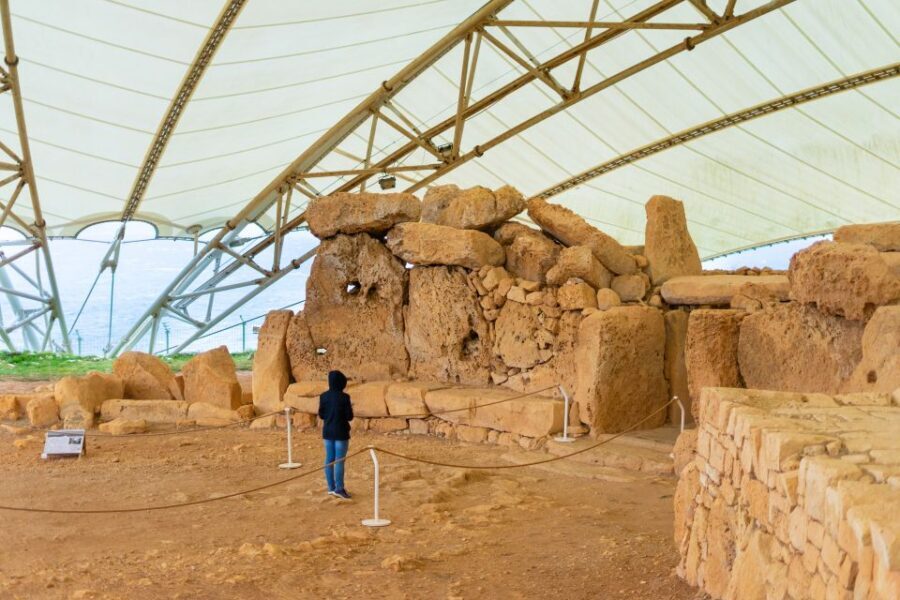
Hagar Qim sits on a southern ridge of Malta, built from soft globigerina limestone. That detail isn’t trivia. Limestone affects how the stone weathers, how surfaces look after centuries, and how you can spot human modifications once you’re close enough.
At Hagar Qim, you’re not just walking a path and looking. You’re guided through the site’s structure, with explanations that help you make sense of what you’re seeing: how these megalithic temples are organized and what stone carving and placement suggest about the builders’ intentions.
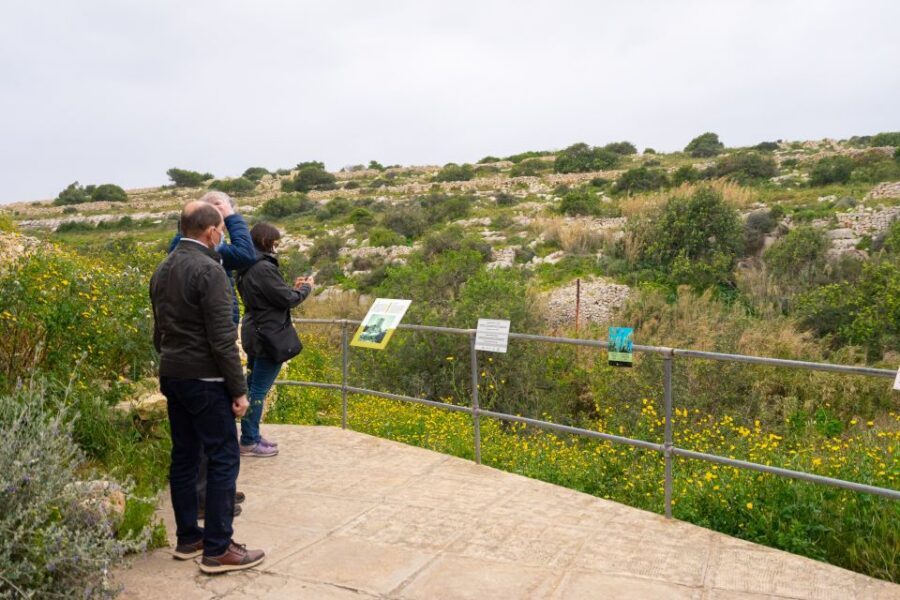
Practical note: the area around the temples has that Mediterranean garrigue—low, scrubby vegetation and a very open feel. That means sun can hit hard, and shade is limited. If you’re doing this in warmer months, I’d treat it like a walking tour, not a museum shuffle.
From the way guides steer the visit, you also get a sense of how discovery changes the experience. More than one guest mentioned that the guide explained how the sites were found and understood. That makes the visit feel active, like you’re learning how archaeology works, not only what it found.
Mnajdra temples: where the architecture feels most complete
Mnajdra is usually the star for people who like standing in front of well-preserved stonework. It’s often described as possibly the best example of Maltese megalithic architecture still standing, and when you’re there, you can see why.
What I like about Mnajdra is the way it sharpens the “how did they do this?” question. At Hagar Qim you get the ridge setting and the limestone textures; at Mnajdra you get more clarity on temple form and the craftsmanship that’s still visible.
This is also one of those sites where your guide’s approach matters. In recent groups, guides such as Mark and Marco were praised for making the story clear and for connecting details to what you can actually see on the ground. That’s the difference between reading labels and understanding why a chamber or doorway matters.
Keep expectations realistic: it’s a short half-day, so you won’t have hours to wander every corner. But you do get enough time to grasp the overall plan and appreciate the stone features before moving on.
Hamrija Tower: a quick view that ties the Neolithic to the Knights
Between the temple areas, you’ll also get a look at Hamrija Tower, one of Malta’s 13 watchtowers built by Grand Master Martin de Redin. The tour frames it as a later layer of Malta’s defense and coastline watching—centuries after the temples.
This stop is more of a viewpoint moment than a long detour, but that’s a good thing. It stops you from thinking Malta is only one era of stone. You go from Neolithic temple-building to a later, strategic coastline story where watchtowers marked out vigilance.
If you like seeing how places get reused over time, this brief connection adds a satisfying “then and now” feeling without stretching your schedule.




Ghar Dalam Cave & Museum: prehistoric animals add a different kind of perspective
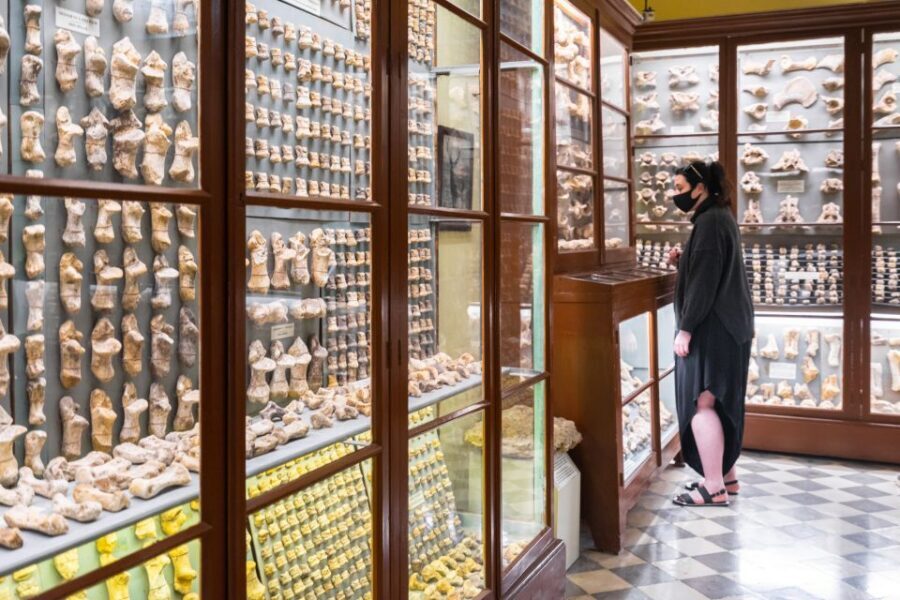
Ghar Dalam gives you a different angle on Malta’s deep past. Instead of focusing on monumental stone buildings, you shift to what people left behind and what the island environment held.
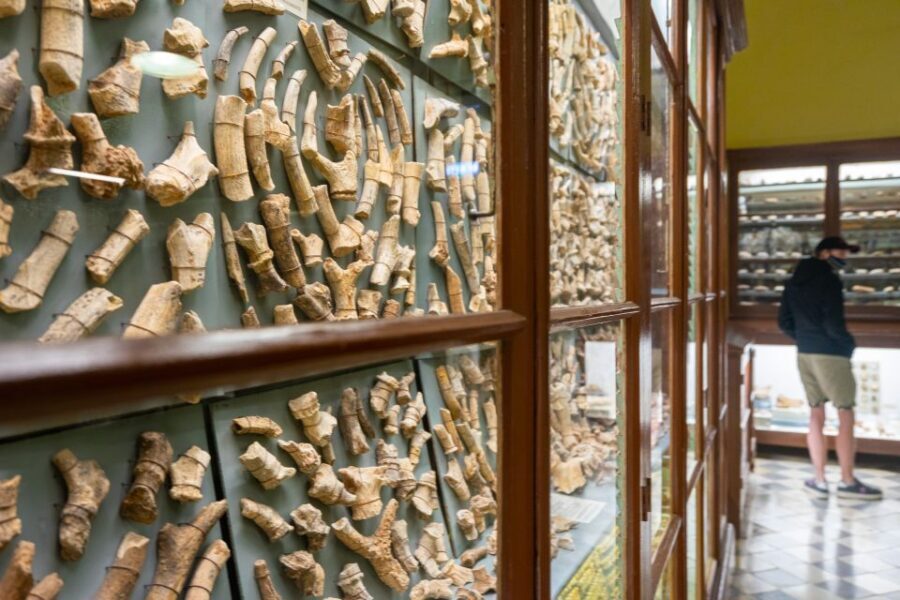
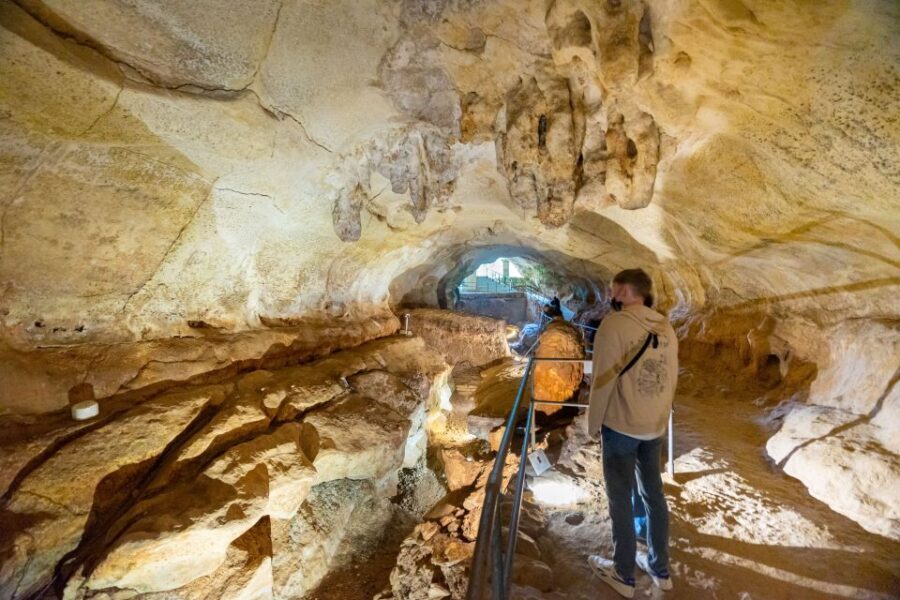
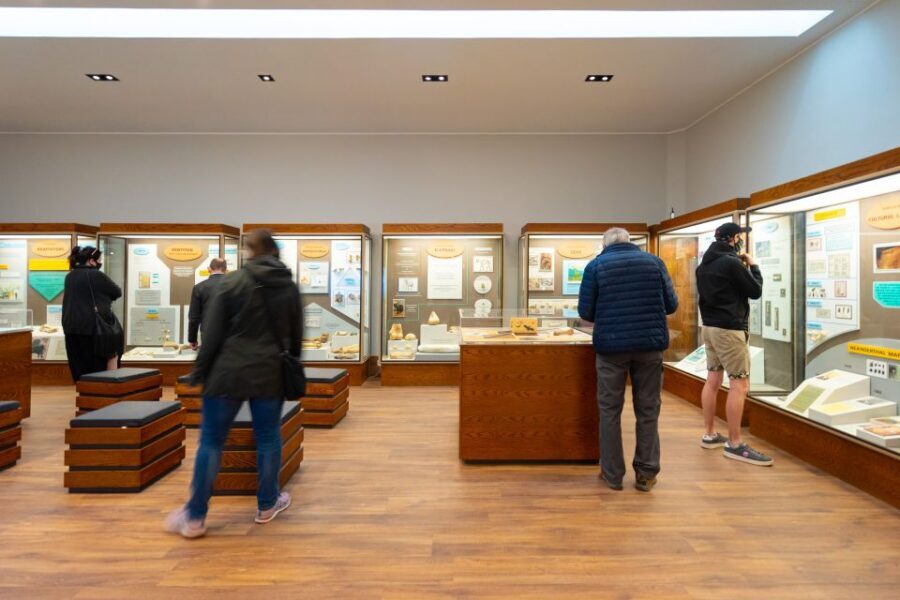
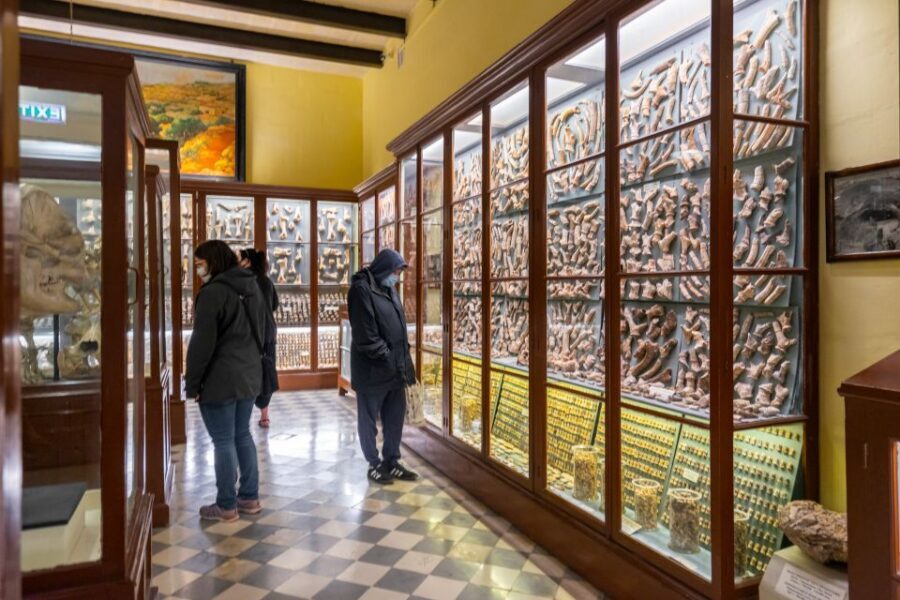
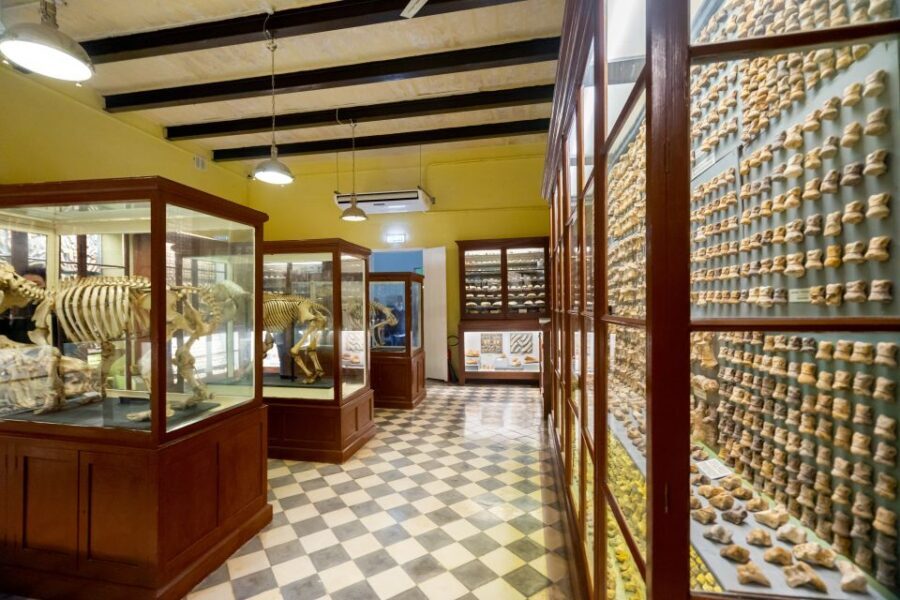
The tour includes Ghar Dalam Cave & Museum, with entry fees covered. One thing I found especially helpful from past visitor notes: the museum portion is the real payoff. People described it as fascinating for prehistoric bones and skeletons of species that lived in Malta during prehistoric times.
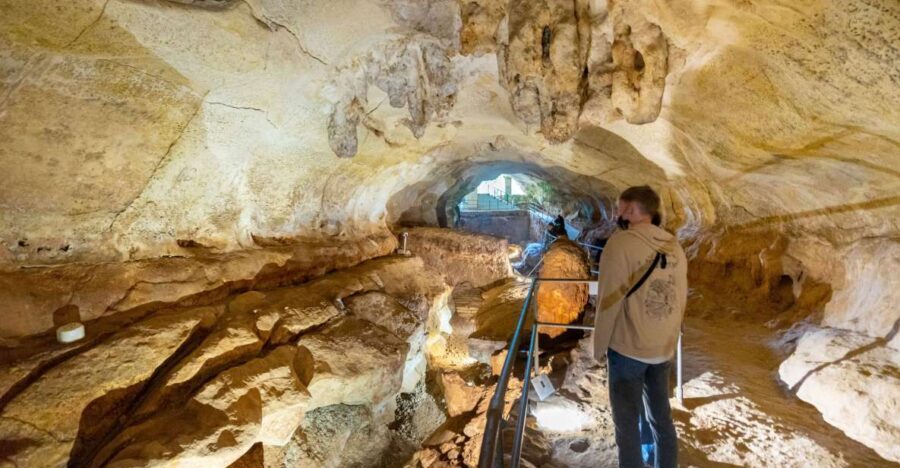
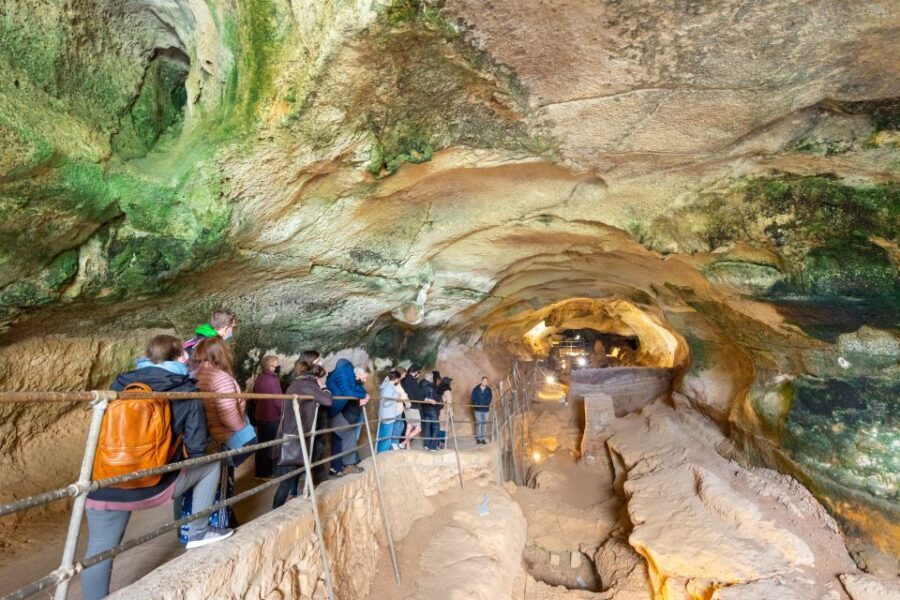
The cave itself is part of the experience, but it can feel more compact than you’d hope if you’re expecting dramatic cave formations. The museum has the stronger wow-factor: collections and evidence that help you imagine day-to-day life and environments long before writing existed.
Also, if you’re the type who likes building a full mental picture, this stop fills a gap. Temples tell you about stone and ritual spaces. The cave museum tells you about animals and the world those people lived with.
How the guide shapes what you learn (and what to watch for)
This tour runs with a live guide in English, German, Italian, and French. That’s a big deal, because these sites aren’t easy to “read” on your own—there’s a lot of stone, and the meaning is in the details.
In the real world, you’ll probably notice the difference between a guide who repeats facts and one who ties it to what you’re standing beside. Past groups highlighted guides like Mark, Marco, and Mario for explaining clearly, keeping things engaging, and being able to answer questions.
Still, I’d treat languages as part of your planning. If your top priority is precision, choose your tour language carefully. Some guests have mentioned that English quality can vary by guide, so if you’re picky about nuance, consider that in your decision.
If you can’t find the group rhythm, ask the guide to repeat key points while you’re at the stop. That’s better than trying to catch up silently and losing the thread.
Comfortable shoes, uphill walks, and the heat reality check
This is a “put your feet to work” outing. You’re visiting multiple sites on foot around temple areas, and it can include uphill stretches—especially on the way back between locations.
A common tip from past visitors: bring comfortable shoes, because the walking adds up fast. If you’re the kind of person who usually does light sightseeing, think of this as moderate effort.
Also, water and sun matter. Even when it’s not peak summer, Malta mornings can warm quickly. I’d plan like you’re outside the whole time (because you largely are), even if parts of the day feel like short site visits.
One more practical note: there’s often a gift shop and toilets at the stops. That’s useful when you’re out for a half-day and want to keep things simple without overthinking it.
Price and value: is $59 worth it?
At $59 per person, the price is best understood as convenience plus access. You’re paying for:
- Hotel pickup and drop-off
- Transportation
- A live guide
- Entrance fees for Ghar Dalam Cave & Museum, Hagar Qim Temples, and Mnajdra Temples
If you tried to stitch this together yourself, you’d spend time coordinating transport, figuring out timings, and buying multiple tickets. Here, the “friction” is removed.
Is it cheap? No. Some visitors did call the price a bit high for what they felt was a short experience. My take: for first-timers, the guide value and the included logistics often justify the cost. For archaeology nerds who already have a tight plan and want maximum time at each site, you might feel the clock more.
This is the sweet spot if you want a clean introduction to Malta’s UNESCO prehistoric core without driving or managing connections.
Who should book this tour, and who might prefer something else
This tour fits best if you:
- Want a fast, structured way to see Hagar Qim and Mnajdra without fuss
- Like guided explanations that turn stone buildings into a story
- Want the cave museum element so the day isn’t only about temples
- Are visiting for a short time and want a half-day win
You might skip it (or pair it with extra time on your own) if:
- You hate walking uphill or you’re sensitive to longer strolls between sites
- You prefer deep, slow exploration over a set schedule
- You want only cave formations and not more of an evidence-based museum stop
Should you book the Prehistoric Temples of Malta Tour?
If you’re short on time, this is a strong first move. The mix of UNESCO temple architecture and the Ghar Dalam Cave & Museum angle gives you a fuller sense of prehistoric Malta than temples alone. Add included transport and entry fees, and the day stays smooth.
My main caution is the walking and the tight pacing. If you’re comfortable with moderate movement and you’re okay with “enough time to understand, not enough time to wander forever,” you’ll likely leave happy and better oriented for the rest of your trip.
If that sounds like your style, book it—and then consider spending extra time later in Malta’s museums to connect what you saw in stone to what you see in artifacts.
FAQ
How long is the Prehistoric Temples of Malta Tour?
The tour duration is listed as 4.5 hours.
What does the tour include?
It includes transportation, a guide, hotel pickup and drop-off, and entrance fees for Ghar Dalam Cave & Museum, Hagar Qim Temples, and Mnajdra Temples.
Which sites will I visit?
You’ll visit the Hagar Qim Temples, the Mnajdra Temples, and the Ghar Dalam Cave & Museum. Hamrija Tower is also included as part of what you can admire nearby.
What pickup areas are available?
Hotel pickup is available from multiple locations and times across Malta, including places like Cirkewwa, Mellieha, St. Paul’s Bay, Bugibba, Sliema, Valletta, Attard, and more. Your exact pickup point and time are sent by email.
What languages are the guides available in?
The live tour guide is available in English, German, Italian, and French.
What should I bring and how do cancellations work?
Bring comfortable shoes. The tour offers free cancellation up to 24 hours in advance for a full refund, and you can also reserve now and pay later.