REVIEW · VALLETTA
Mdina and Rabat – City Walking Tour
Book on Viator →Operated by City Walking Tours Malta · Bookable on Viator
Mdina feels like Malta’s time machine. This 2-hour walk strings together the best of the old capital—then hands you off to neighboring Rabat’s old quarter, with your guide narrating the stories behind the stone. I love how quickly you get oriented, because Mdina can feel like a maze until someone points out what matters.
I also love the Mdina highlights in one shot approach. You’ll move past major palaces, convents, churches, and classic streets—then roll right into Rabat so the day feels bigger than just one walled town.
The main thing to consider is crowd pressure and pacing: Mdina’s narrow lanes can get packed mid-day, and the tour is built around frequent stops for context (great if you like stories; less fun if you just want to walk, walk, walk).
In This Review
- Key tour highlights worth your attention
- Mdina and Rabat: Why this pairing works in Malta
- Price and what you actually get for $24.20
- Meeting point at Mdina Main Gate and how the walk feels
- Mdina Old City highlights you’ll cover on foot
- Rabat’s old quarter and finishing at St Paul’s Square
- Guides, headsets, and pacing: what to expect
- Practical tips for crowds, photos, and getting back
- Who should book this Mdina and Rabat City Walking Tour
- Should you book this Mdina and Rabat tour?
- FAQ
- How long is the Mdina and Rabat city walking tour?
- Where do I meet the guide, and where does the tour end?
- Is the tour wheelchair friendly?
- Is the tour in English, and will I need a ticket on my phone?
- Are museum or church entrance fees included?
- Can I cancel for a full refund?
Key tour highlights worth your attention
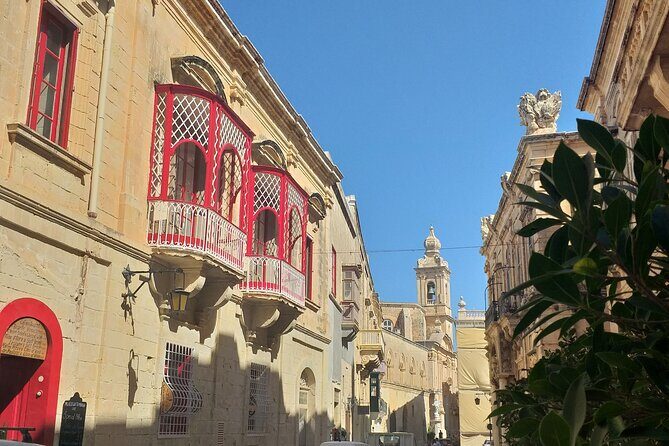
- Mdina in 2 hours: you’ll hit the biggest sights without needing a full day.
- Rabat’s old quarter too: you get the contrast without extra planning.
- Headsets help you hear: you can follow the guide even when streets get busy.
- A licensed guide, small group size: up to 20 people, with room for questions.
- Ends at St Paul’s Square: a central finish point in Rabat that’s easy to work with.
Mdina and Rabat: Why this pairing works in Malta
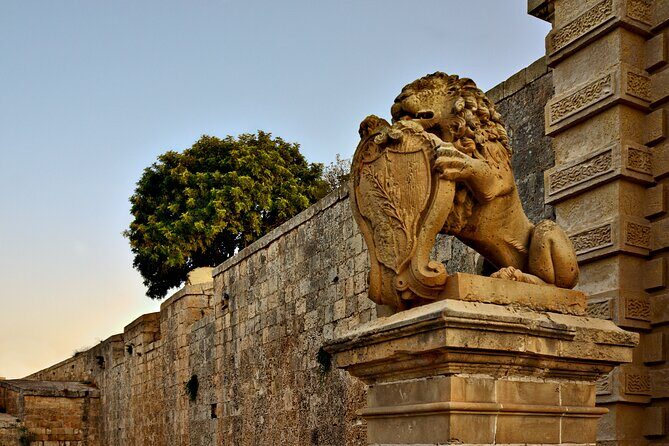
Mdina is Malta’s old capital—the so-called Silent City—where the streets are narrow, the stone is warm, and time feels a little slower. But if you only see Mdina, you miss the bigger picture. Rabat sits right next door, and it helps explain how the story of this area kept moving long after Mdina’s golden moments.
This pairing is smart because you’re not just collecting sights. You’re learning the sequence: how power, faith, and everyday life shaped what you see in the architecture and street layout. The tour is built to get you that context fast, which matters when you’ve got only a couple of hours and want your photos to mean something.
And it’s not only “old town” sightseeing. Rabat brings a different tempo—more street life, different building styles, and a sense of place that feels less like a museum. The walk ending at St Paul’s Square also gives you a natural handoff point, so you’re not left wandering when you’re done.
You can also read our reviews of more walking tours in Valletta


Price and what you actually get for $24.20
At $24.20 per person for about 2 hours, the value is mainly about one thing: a fully licensed guide who can point out what you would otherwise overlook. In Mdina, you can physically walk the town on your own. The difference is that the guide reads the buildings and streets like a map—explaining why particular palaces, convents, and churches look the way they do, and how they fit the wider history.
Also, your tour includes a structured route that’s planned so you don’t miss the “worth seeing” parts of the area. That matters because Mdina’s lanes are pretty but confusing, and it’s easy to spend your time making wrong turns (or standing in front of a door and wondering what you’re looking at).
One cost you should factor in: entrance fees to museums or churches are not included. If you’re the type who likes to step into every church you see, you’ll want to budget extra. But if you’re happy with exterior views plus guided interpretation, the price feels fair for the amount you cover.
Finally, the tour uses a mobile ticket, and it’s offered in English, which keeps things simple for planning.
Meeting point at Mdina Main Gate and how the walk feels
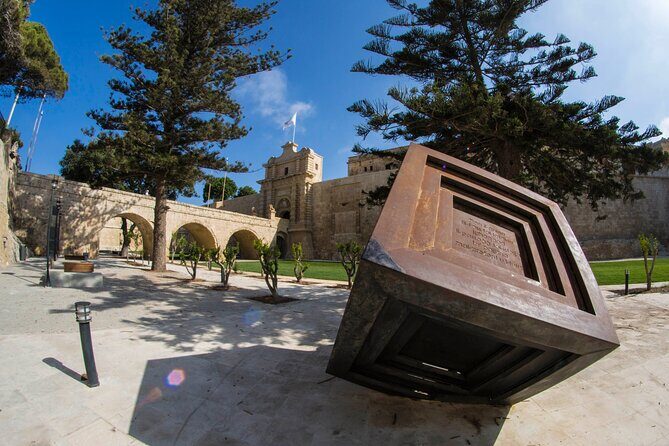
You meet your guide at the Main Gate of Mdina. The guide will be holding a City Walking Tours Malta sign, which helps when you’re trying to arrive at the right spot. The tour end point is in Rabat at Kolleġġjata u Proto-Parroċċa ta’ San Pawl on Triq Ir-Rebha, near St Paul’s Square—so you’re not retracing your steps.
The walk is described as wheelchair friendly. That’s a big practical note, because Mdina’s streets can be steep and uneven. Still, I’d treat this as “wheelchair accessible with care,” and not assume it’s the smoothest surface possible. If you’re managing mobility needs, it’s worth confirming how the route handles curbs and street narrowing.
Group size caps at 20. That usually hits a good balance: you get the shared energy of a group walk without feeling like you’re stuck in a herd. One review also praised how the guide handled a large group well, which tells me the operator plans for the reality of crowds.
How long does it take? About 2 hours. That’s tight enough to feel efficient, but it’s long enough for the guide to stop at real points of interest, explain details, and answer a few questions.
Mdina Old City highlights you’ll cover on foot
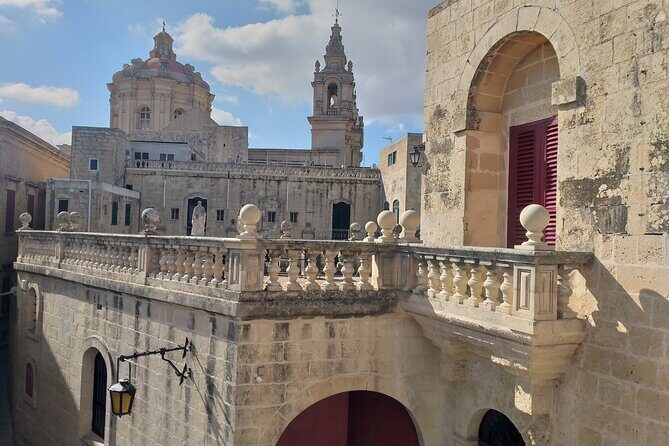
Expect this to feel like an orientation tour with real substance—not a “we’ll point, then you rush ahead” style. Your route starts inside Mdina’s old city space and focuses on the big, recognizable elements: palaces, convents, and churches, plus the typical tight streets that make Mdina feel like its own world.
If you’re the kind of person who loves architecture details, you’ll get your money’s worth here. Multiple guides were praised for calling out construction and renovation techniques and for noticing small features you’d likely miss if you were just wandering. Named guides from the experience include Nadine and Mary, with other guides like Ernest and Angele also mentioned for turning Mdina into a story you can actually picture.
What I like about this approach is that the town stays walkable while still feeling meaningful. You’re not just snapping photos of stone—your guide is teaching you how to look. After a couple of stops, Mdina becomes easier to read: you start spotting the why behind the shapes and positions of buildings.
Do keep one consideration in mind: Mdina can get crowded mid-day. Narrow streets don’t spread people out; they funnel them together. Several comments suggest going earlier if you can, because your walk will feel calmer and you’ll have an easier time hearing your guide.
Rabat’s old quarter and finishing at St Paul’s Square
Rabat is the perfect counterbalance to Mdina. It’s close enough that the day doesn’t feel like travel filler, but different enough that you don’t get “same streets, different block” fatigue. The tour brings you into Rabat’s old quarter to enjoy Maltese vernacular architecture—meaning the local building styles that give Rabat its distinct everyday character.
The finish point at St Paul’s Square is also a practical win. It’s a real destination, not just “we stop somewhere in town.” When you end here, you’re in a central area where you can decide what to do next—whether that means more exploring, a coffee break, or getting a ride out.
Rabat also adds a sense of continuity. Instead of treating Malta like two separate postcards, you start understanding the regional flow—how this area’s identity evolved beyond the walls of Mdina.
A pacing note: some people felt there were frequent history stops and standing around. I’d interpret that as a style choice. If you enjoy learning and don’t mind brief pauses, it’s a plus. If you want a longer continuous walk, you might feel the tour is more “stop-and-learn” than “strenuous hike.”
You can also read our reviews of more city tours in Valletta


Guides, headsets, and pacing: what to expect
A big reason this tour scores high is the guiding. Names that show up repeatedly in feedback include Nadine and Mary, with Ernest, Angele, and Vishna also mentioned. Common themes: strong storytelling, clear explanation of history and architectural features, and good pacing.
One very practical detail: the tour appears to use headphones/headsets, so you can hear your guide properly. That’s not a small thing. Mdina’s lanes can get crowded, and without audio support, it’s easy to miss the good parts. With headsets, you can stay closer to your group and still follow the narration.
Pacing is generally described as good and not rushed, which is what you want for a town like this. You’re there to look, listen, and absorb. But there are two “watch-outs” you should keep in your mind:
- If your group has delayed arrivals, you may wait a bit before you start moving.
- If you prefer more walking time and fewer story breaks, you might find the itinerary a little stop-heavy.
There’s also one outlier complaint about being left behind by the guide. I can’t fix what happened to that person, but it’s a reminder that meeting spots matter. If you want to avoid stress, arrive a few minutes early and stay in the exact meetup area before joining the group.
Practical tips for crowds, photos, and getting back
Mdina is compact, but it can feel crowded fast because the streets are narrow. If you can choose timing, I’d go earlier in the day. You’ll get better movement, fewer bottlenecks for photos, and an easier time hearing your guide.
Photo tip that matters in Mdina: you’ll want to take shots during breaks, not while everyone is moving. The best details—doorways, carved stone, and facade rhythms—show up when you’re standing still and looking carefully, not when you’re dodging feet in the lane.
For getting back, plan ahead. Even though the tour is near public transportation, one practical recommendation was to consider booking a return ride (like an Uber) because bus links can be limited. You don’t have to do that—but it’s smart to have a backup plan once you finish in Rabat.
And if you’re sensitive to long sun exposure, remember: you’re outside the whole time. Even a perfect guide can’t beat heat and glare. Bring water, wear decent shoes, and don’t underestimate how quickly midday crowds can turn a pleasant stroll into a slow shuffle.
Who should book this Mdina and Rabat City Walking Tour
Book this if you want an efficient, guided introduction to both towns without spending a full day piecing things together. It’s ideal for:
- First-time visitors who want their bearings fast in Mdina.
- Travelers who like history that connects to what they’re seeing right in front of them.
- People who don’t want museum ticket planning on top of their sightseeing.
It’s also a good choice if you like a structured route with a clear start and finish. You meet at the Mdina Main Gate and end near St Paul’s Square, so you can build the rest of your day around it.
This may be less ideal if you’re the type who hates stop-heavy tours. The pacing includes multiple points with short explanations, and some of that involves standing around. It’s still a walk, but it’s not a “high miles” experience.
If you’re traveling with kids, note that children must be accompanied by an adult. Service animals are allowed, and the tour is described as wheelchair friendly, which supports a wider range of travelers than you might expect for a historic old town.
Should you book this Mdina and Rabat tour?
If you’re short on time, this is an easy yes. You get the heart of Mdina—palaces, convents, churches, and classic lanes—plus Rabat’s old quarter, all in about two hours with a guide who knows how to make the stone mean something. The headsets help you actually catch the stories, and the end at St Paul’s Square makes it simple to keep exploring after the tour.
My straight recommendation comes down to your style:
- If you enjoy learning while you walk, you’ll likely love it.
- If you want long continuous motion and minimal stopping, you might find it a touch more “guided pauses” than you’d hoped.
If you’re going, show up a little early at the Mdina Main Gate and keep an eye out for the City Walking Tours Malta sign. Then settle in—Mdina is best when you know what to look for, and this tour is built to teach you that quickly.
FAQ
How long is the Mdina and Rabat city walking tour?
It’s about 2 hours.
Where do I meet the guide, and where does the tour end?
You meet at the Main Gate of Mdina. The tour ends in Rabat near St Paul’s Square (at Kolleġġjata u Proto-Parroċċa ta’ San Pawl on Triq Ir-Rebha).
Is the tour wheelchair friendly?
Yes, the walk is listed as wheelchair friendly.
Is the tour in English, and will I need a ticket on my phone?
The tour is offered in English, and you receive a mobile ticket.
Are museum or church entrance fees included?
No. Entrance fees to museums or churches are not included.
Can I cancel for a full refund?
Yes. Free cancellation is available if you cancel at least 24 hours before the experience start time. If you cancel less than 24 hours before, the amount paid is not refunded.