REVIEW · MDINA
Mdina and Rabat: Guided City Walking Tour
Book on GetYourGuide →Operated by City Walking Tours Malta · Bookable on GetYourGuide
A walled city walk that actually teaches you Malta. This Mdina and Rabat guided stroll is one of those rare tours where you don’t just see old buildings—you understand why they matter, from Roman beginnings to the quiet power of church and palace streets.
I especially like two things: the live storytelling from licensed guides (names like Marisa, Ernest, Nadine, Charlotte, and Angela pop up in the best experiences) and the relaxed pace that lets you notice details you’d normally skip, like door knockers and small architectural clues on every turn.
One possible drawback: if you travel on a day when some churches or sights are closed (a bank holiday can do that), you’ll still get the guided walk and history, but you may miss a few interior stops.
In This Review
- Key Highlights That Matter on the Ground
- Mdina and Rabat: Why This Walk Feels More Than Sightseeing
- Meeting at Mdina Main Gate by the Bridge (and Getting Oriented Fast)
- Mdina’s Big Claim: From Roman Administration to Episcopal Center
- Citta Notabile: Walking the Noble City Like It’s Still in Use
- The Best Part of a Guided Mdina Walk: Stops That Change How You See Buildings
- Narrow Lanes, Closed Doors, and What to Do If a Site Is Off Limits
- Rabat Right After Mdina: A Quick Shift From Fortified to Everyday
- Pace, Footwear, and How to Make the 2 Hours Feel Worth It
- Price and Value: Why $24 Can Be a Smart Buy Here
- Who Should Book This Tour (and Who Might Prefer to Wander Solo)
- Additional Add-Ons You Might Consider After the Walk
- Should You Book This Mdina and Rabat Guided Walking Tour?
- FAQ
- How long is the Mdina and Rabat guided city walking tour?
- What is the price per person?
- Is the tour fully guided?
- What language is the live guide?
- Where do I meet the guide?
- Are entrance fees to churches or museums included?
- What should I bring for the walk?
Key Highlights That Matter on the Ground
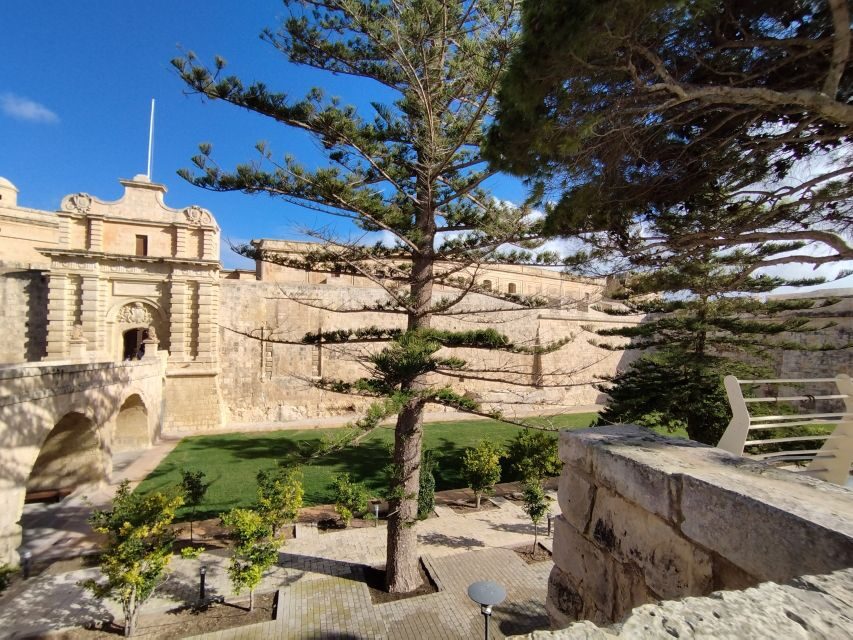
- Citta Notabile (Noble City) energy: a slow walk through the lanes that once belonged to Malta’s noble families
- Mdina’s fortified hill setting: the layout makes it easy to feel how the city was built for control and defense
- Rabat’s older quarter change of pace: vernacular streets that feel less formal than Mdina
- Stops built for listening: headsets have helped groups hear clearly in narrow, busy lanes
- Doorway details and street-level clues: you’ll be encouraged to look beyond the big facades
Mdina and Rabat: Why This Walk Feels More Than Sightseeing
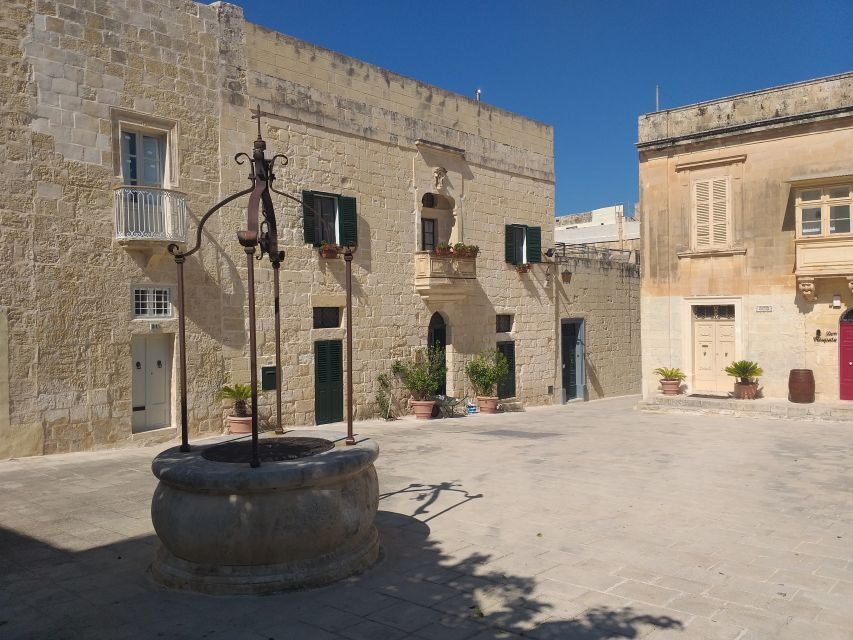
Mdina is Malta’s famous Silent City for a reason. It’s not just that the streets look old; the whole place is planned around stone walls, tight passages, and elevated views. When you walk it with a guide, the city’s layout becomes part of the story, not background noise.
Then you head into Rabat, just a short jump away, and the mood shifts. Instead of the formal grandeur that Mdina is known for, Rabat gives you the feel of an everyday neighborhood with Maltese vernacular architecture and a more lived-in rhythm. The contrast is the point: you’re not only touring two places, you’re seeing how Malta’s history sits side by side.
You can also read our reviews of more walking tours in Mdina


Meeting at Mdina Main Gate by the Bridge (and Getting Oriented Fast)
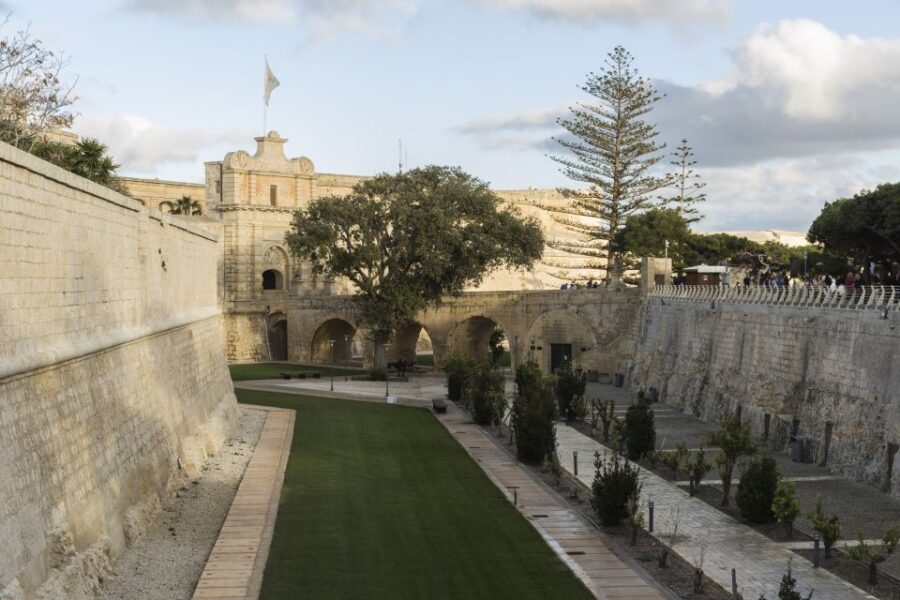
The tour starts at the Mdina Main Gate by the bridge. That matters more than it sounds. Mdina’s streets can feel like a maze at first glance, and a good start helps you figure out where you are before you start losing time to photo stops.
Right after the meet-up, you get a quick orientation and a historical setup. Expect a talk on where Mdina fits into Malta’s bigger timeline—its Roman roots and how it functioned as a key administrative center for a long stretch of time. Even if you’ve read a few things before you arrive, hearing it tied to what you’re about to walk past is what makes the streets click.
Mdina’s Big Claim: From Roman Administration to Episcopal Center
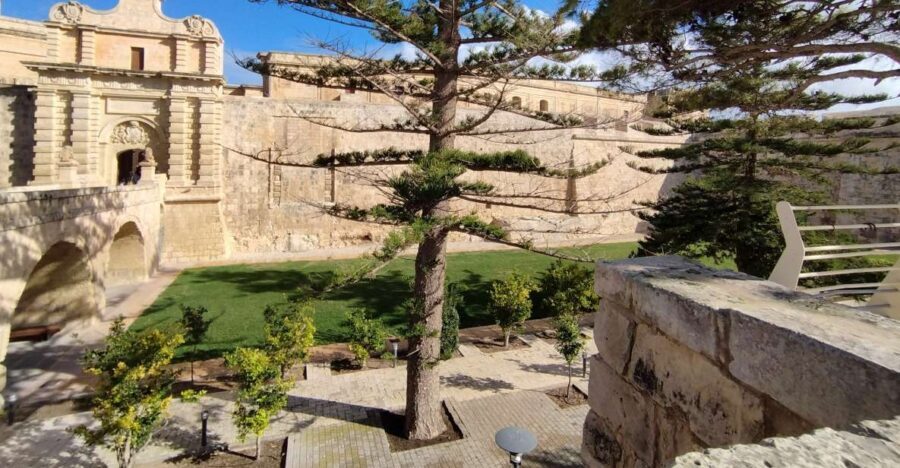
Mdina’s story has layers, and this tour gives you the essentials in a way that stays practical while you walk. The city was founded by the Romans, and for nearly two centuries it served as the administrative and political capital of the Maltese Islands. That’s a big deal, because it explains why the city feels like it was built to matter.
And then there’s the religious thread: Mdina is also the current seat of Malta’s episcopacy. You’ll see church buildings and related structures along the way, but the guide helps you understand they’re not random stops. They reflect a city where power and identity were meant to be visible—sometimes through stonework, sometimes through placement, and sometimes through the sheer dominance of the hill-top walls.
Citta Notabile: Walking the Noble City Like It’s Still in Use
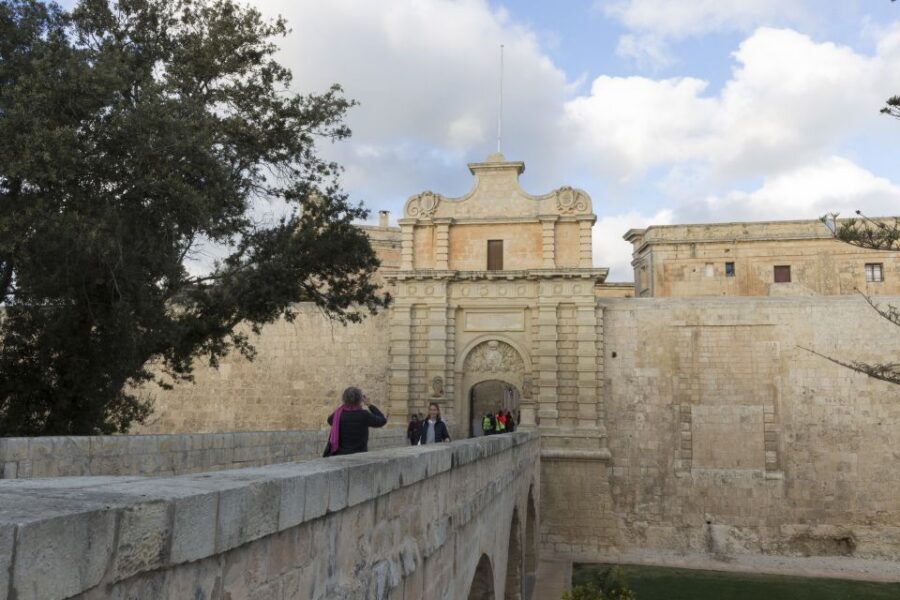
The tour focuses on Mdina’s “Citta Notabile,” basically the Noble City. The name matters because it points to how the city worked socially. It’s home to Malta’s noble families, both historically and in the way their presence shaped the buildings you see today.
As you move through the medieval lanes, your guide points out palaces, churches, and convents lined along narrow streets. The walk doesn’t feel like a checklist; it’s more like a guided conversation with the city. You’ll likely learn how certain facades relate to the island’s occupations and changes over time, which makes the architecture feel earned instead of decorative.
One detail I love here is the emphasis on street-level observation. Guides on this route have encouraged guests to look at things like door knockers—those little bits are often where local stories hide. Even if you’re not a detail person, you start noticing patterns fast, because you’re being told what to look for.
The Best Part of a Guided Mdina Walk: Stops That Change How You See Buildings
Yes, Mdina is pretty. But the value of the guided version shows up in how the guide explains what you’re staring at. People mention guides who keep a clear, easy-to-follow style, with enough humor to keep you awake during the slower stretches.
A few guide patterns show up again and again in the experiences people report:
- Many short stops to highlight small architectural details you would normally walk past
- Story delivery that stays interactive, not like reading off a plaque
- Suggestions along the way for what to do next in Malta
You also get a steady pace. In a city like this, rushing can ruin the mood. A slow walk is how you actually take in the look of the old stones, the way entrances face the street, and how the hill-top setting shapes views.
And if you’re worried about hearing the guide in busy areas, note this: several experiences mention the use of individual audio devices/headsets. That can be a game-changer in narrow lanes where voices can get swallowed.
You can also read our reviews of more guided tours in Mdina


Narrow Lanes, Closed Doors, and What to Do If a Site Is Off Limits
Here’s the one logistical reality to plan around: entrance fees aren’t included for churches or museums. That means if you want to go inside, you’ll likely pay separately on the day (or skip interiors and focus on what the guide shows from outside).
Also, a bank holiday can affect openings. One experience included the note that many places were closed due to holiday timing. That’s not a tour failure; it’s Malta’s normal rhythm. Your best move is to treat the tour as a guided walk first. If you end up with closed interiors, you still get the city’s narrative and the architecture you can see from the streets.
Tip for your own planning: if you want specific church interiors or museum time, pair this walk with a separate stop on another day. You’ll get more out of both.
Rabat Right After Mdina: A Quick Shift From Fortified to Everyday
After Mdina, you head to Rabat, described as a neighboring suburb a stone’s throw away. This transition is smart because you’re not trekking across Malta; you’re just changing settings while the history theme continues.
In Rabat, you’ll walk through the old quarter and see Maltese vernacular architecture. The term sounds fancy, but the effect is simple: Rabat feels more like the working layers of Malta—streets where the day-to-day presence is harder to miss than it is in Mdina’s formal, high-status layout.
This part of the tour also helps you avoid the most common first-timer mistake: treating Mdina as if it’s the whole story. Rabat gives you the continuation—the human scale that sits next to the hill-top power center.
Pace, Footwear, and How to Make the 2 Hours Feel Worth It
This is a 2-hour fully guided walking tour, and the one rule that never fails here is: wear comfortable shoes. Mdina’s stone streets aren’t dangerous, but they’re unkind if you’ve got blisters waiting in your bag.
The tour is also listed as wheelchair accessible. That doesn’t mean every lane will feel identical, but it does mean the route has been designed with mobility in mind more than some old-city tours. If that affects your plan, it’s worth choosing the meeting point timing that gives you the most room for maneuvering.
Weather matters too. One experience described a guide who kept the group in shade for most of a hot day. You can’t count on perfect shade every time, but this is a reminder that the guide’s route choices are part of the value—especially in strong sun.
Price and Value: Why $24 Can Be a Smart Buy Here
At $24 per person for 2 hours, this isn’t just an inexpensive add-on. It’s good value because you’re paying for two things most independent walkers don’t get:
1) a structured path through confusing streets
2) interpretation that turns buildings into meaning
Entrance fees aren’t included, so you’re not paying for museums you might skip anyway. Instead, you’re buying a guided lens—exactly what Mdina and Rabat need, since signage won’t explain why palaces face the way they do or how the city’s political role shaped its layout.
And when people describe the experience, the common thread is guide quality: enthusiasm, clarity, and stories that stick. Guides like Ernest, Nadine, Charlotte, Angela, and Marisa have all been credited for bringing the places to life, and that kind of delivery is hard to reproduce if you’re self-guiding with just a map.
Who Should Book This Tour (and Who Might Prefer to Wander Solo)
This guided tour is a great fit if you:
- want context, not just photos
- like a steady plan but still want time to pause and look
- are visiting Mdina for the first time and want to avoid missing the point
It may be less ideal if you:
- hate walking and want a mostly seated experience
- only care about interiors and are hoping the tour includes museum/church entry (it doesn’t)
If you’re a first-time visitor, I’d treat this as your orientation walk. After that, you can come back and roam with better instincts.
Additional Add-Ons You Might Consider After the Walk
You’ll likely get restaurant ideas during the tour. Several experiences mention guides offering food recommendations, which is helpful because Malta can be crowded in peak seasons and you don’t want to waste dinner time searching.
You might also see suggestions to go beyond the city walls. One note included St Paul’s catacombs as a worthwhile extra, with an approximate entry price mentioned. That’s not part of this tour’s included cost, but it’s a useful idea if your interest runs toward underground Malta.
Should You Book This Mdina and Rabat Guided Walking Tour?
If you want your Malta trip to feel grounded in the island’s real story—Roman origins, noble-family streets, and the shift from Mdina’s formal power to Rabat’s everyday texture—this is an easy yes. The 2-hour length is long enough to make the history stick, but short enough that it won’t crush your schedule.
Book it especially if you’re the type who likes to understand what you’re seeing. Mdina is the kind of place where a guide can turn a pretty walk into a clearer, more memorable experience. And at $24, you’re paying for interpretation from a professional licensed guide—exactly the kind of value that makes a tour worth booking.
FAQ
How long is the Mdina and Rabat guided city walking tour?
The tour duration is 2 hours.
What is the price per person?
The price is $24 per person.
Is the tour fully guided?
Yes, it includes a 2-hour fully guided tour with a professional licensed tour guide.
What language is the live guide?
The tour is conducted with a live guide in English.
Where do I meet the guide?
The meeting point is at the Mdina Main Gate by the bridge.
Are entrance fees to churches or museums included?
No. Entrance fees to any church or museum are not included.
What should I bring for the walk?
Wear comfortable shoes, since it is a walking tour.