REVIEW · COSPICUA
From Cospicua: Senglea, Bormla, and Birgu Walking Tour
Book on GetYourGuide →Operated by Best Tours Malta · Bookable on GetYourGuide
Malta’s 3 Cities tell stories fast. This walk connects Knights of St. John sites, British naval chapters, and WWII survival in just 2.5 hours. You start by the ferry in Cospicua, then work your way through waterfront views and the dramatic fortifications of Birgu (Vittoriosa).
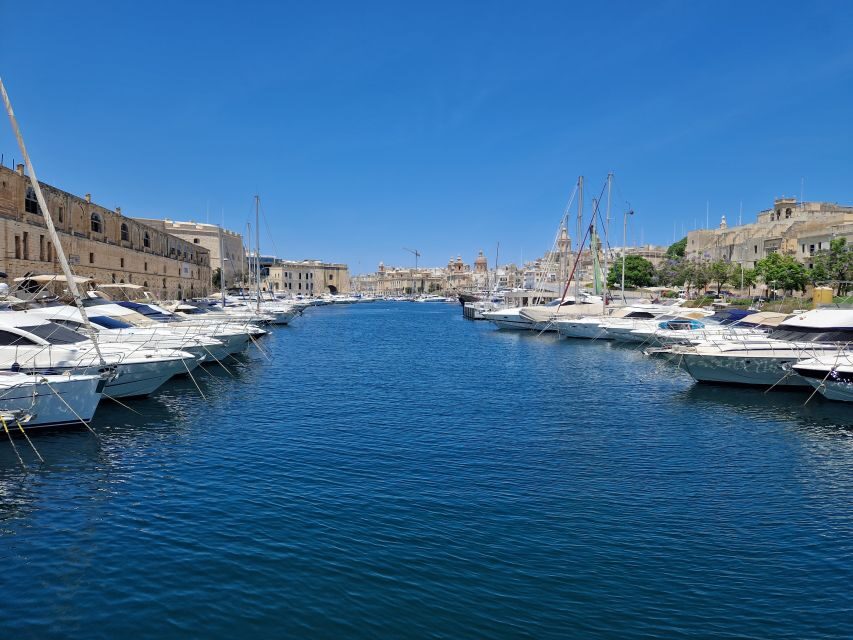
What I love most is the mix of scenery and context. You get a guided glide along the waterfront lined with yachts, then you shift to Birgu’s tight streets like Collacchio where the past feels close under your feet.
One thing to consider: this is a walking tour with some uneven, old-stone streets. If your shoes are soft or worn out, you’ll feel it before the tour ends—so plan for comfortable footwear.
In This Review
- Key highlights you’ll actually feel on the ground
- Why the 3 Cities walk feels different from Valletta
- Finding the tour at the Valletta–3 Cities ferry in Cospicua
- Senglea and Bormla waterfront: yachts, harbor views, and your first stories
- Birgu (Vittoriosa) fortifications: walking toward Malta’s skyline walls
- Collacchio streets and knights’ palaces built in 1530
- WWII scars and the British Navy chapter you can’t spot on your own
- A short viewpoint photo stop that keeps the momentum (without dragging)
- Finishing by St. Laurence Church: where you can head back by dghajsa
- Price and time: what $24 buys you in real value
- Who should book this tour (and who might not love it)
- Should you book this 3 Cities walking tour?
- FAQ
- How long is the From Cospicua: Senglea, Bormla, and Birgu Walking Tour?
- Where does the tour start and where do you meet?
- Is the tour guided?
- What should I bring?
- Is hotel pickup or drop-off included?
- Is the boat back to Valletta included?
- Is there free cancellation?
Key highlights you’ll actually feel on the ground
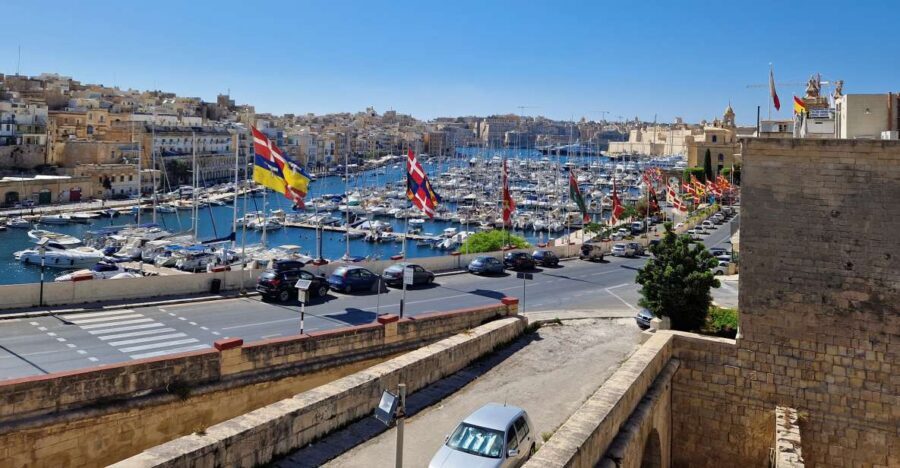
- Senglea and Bormla waterfront strolling with harbor views and quick photo moments
- Birgu’s fortifications and skyline walls as you cross the harbor
- Collacchio area streets and 1530 knights’ palaces you can picture in your head
- WWII perspective in Birgu, where the town took some of the hardest bombing on Malta
- British Navy connections, including drydocks and the Mediterranean headquarters idea
- Finish at Birgu’s waterfront by St. Laurence Church, with an easy path back by dghajsa
Why the 3 Cities walk feels different from Valletta
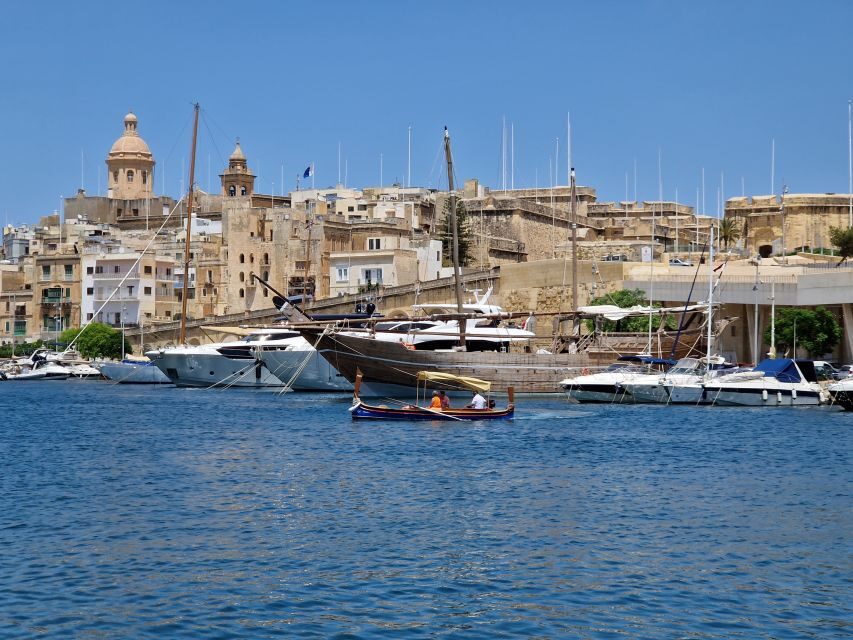
Valletta is eye-catching, but it can also feel like a lot at once—big sights stacked on big sights. The 3 Cities (Senglea, Bormla, and Birgu) have a calmer rhythm. You’re still near the same Grand Harbour story, but the streets and viewpoints feel more local and lived-in.
This tour works because it doesn’t treat the 3 Cities like a checklist. It ties the scenery to a timeline: the Knights’ era shaping the town plan and palaces, the British naval presence tied to Malta’s strategic importance, and then the WWII reality that hit Birgu especially hard. When your guide points at a wall or a street bend, you’re not just looking—you’re understanding why it’s there.
If you want a short Malta history hit without sitting in a museum for hours, this is a strong fit. And judging by the guide styles that show up again and again—people named Karl, Chris, Lorraine, and Kris—the best moments often come from storytelling tied to what you’re standing beside.
Finding the tour at the Valletta–3 Cities ferry in Cospicua
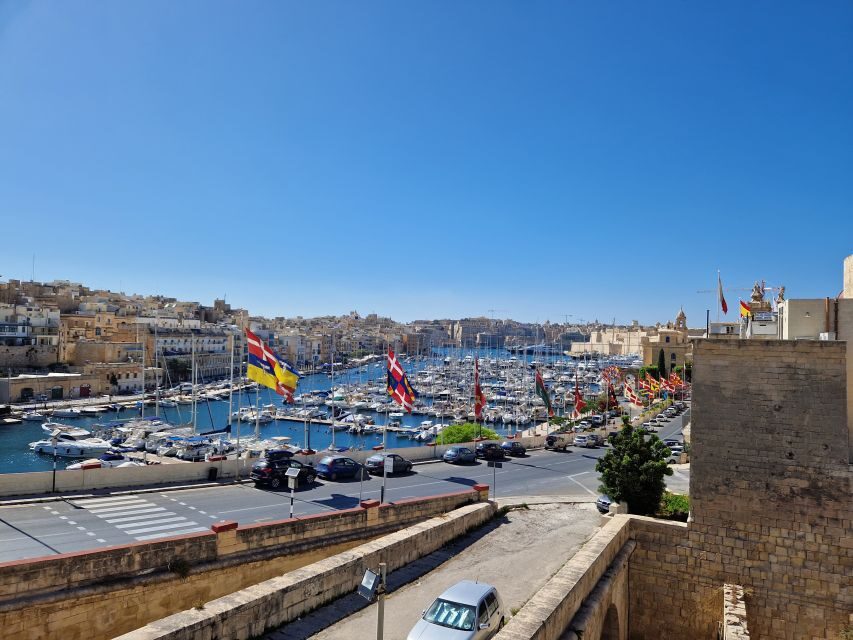
The meeting point is right at the unloading place of the Valletta–3 Cities ferry in Cospicua. That’s convenient because you’re already in the right “mode” for exploring: you arrive by water, then you walk where Malta’s harborside life happens.
Plan to show up a bit early. Ferry platforms move people in waves, and you’ll want time to get oriented and spot the guide and group before you start. There’s no hotel pickup here, so if you’re staying in Valletta you’ll likely need to build in time for the ferry crossing and getting to the Cospicua side.
Also pack for the walk, not for comfort-of-a-day-tour. The simple instruction is comfortable shoes, and it matters. Old streets can be uneven, and you’ll be on foot long enough that your ankles will have an opinion.
Senglea and Bormla waterfront: yachts, harbor views, and your first stories
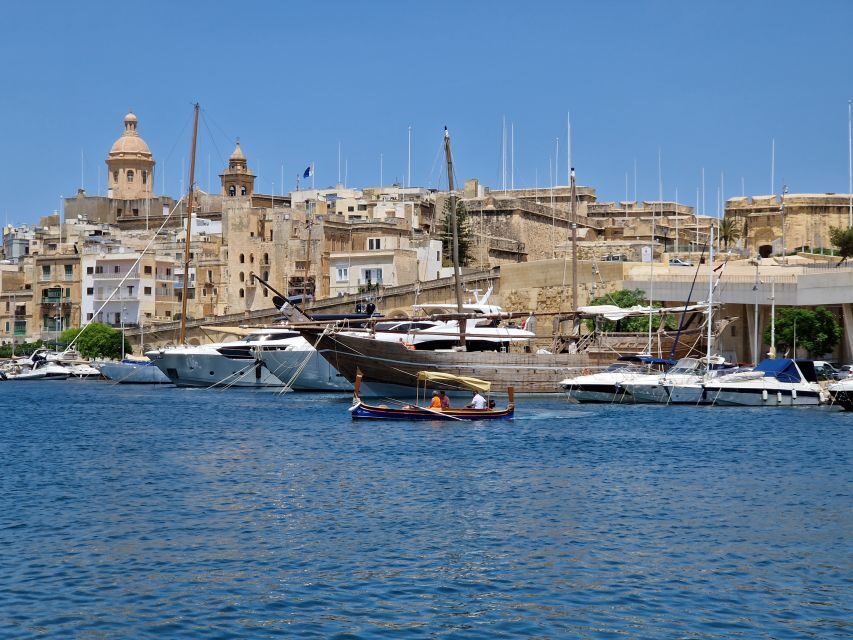
The tour begins with the waterfront side of the area—often your first “wow” is how the harbor looks from the 3 Cities perspective. Even if you’ve seen boats in Valletta, the vibe here is different. You’ll pass along stretches where the water feels closer, and the waterfront line of yachts makes it easy to see how this is still a working, living edge of Malta.
This first segment sets up the whole tour. Your guide connects what you’re seeing—water access, harbor position, city walls and viewpoints—to why these places mattered to the Knights, and later to outside powers. It’s a smart start because it gives the rest of the walk context. You’re not memorizing names; you’re learning how geography drove history.
Expect some guided chatting and orientation time, plus a chance to take in the view before the pace shifts toward Birgu. If you’re the type who likes to ask questions, this is a good moment to do it. When the guide still has everyone fresh and settled, answers tend to land best.
Birgu (Vittoriosa) fortifications: walking toward Malta’s skyline walls
Then you reach the main stage: Birgu, also known as Vittoriosa. This is the area where the fortifications start to dominate your attention. Cross-harbor views and skyline walls change the feel of the tour immediately. Instead of open waterfront space, you get a sense of defense—thick edges, strategic lines, and the feeling that this town was designed to withstand pressure.
One reason this section is so worthwhile is that the fortifications aren’t treated like random stonework. You’ll hear how these defenses and city layout relate to Malta’s role as a strategic crossroads in the Mediterranean. Even if you don’t memorize every detail, you’ll walk away with a clearer mental map of why Birgu’s skyline has that unmistakable military feel.
The group pacing helps. It doesn’t rush you through every corner, and it keeps stopping points spaced so you can absorb what you’re seeing. From the tone in the guide feedback—people praising energy, humor, and a sense of connecting history to place—you can expect explanations that feel like they’re aimed at helping you picture the past, not just recite it.
Collacchio streets and knights’ palaces built in 1530
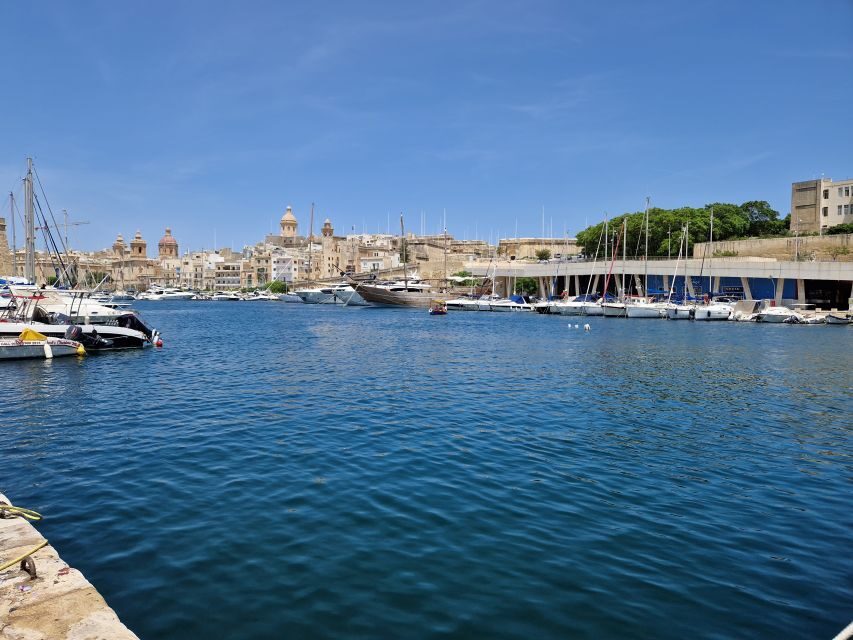
After you get the big-fortification picture, the tour turns to something more human: the Collacchio area and its narrow, winding streets. This is the part where you can slow down a little with your eyes. The street turns, the scale, and the stone buildings give you a sense of how you’d move through the neighborhood in earlier centuries—compact, practical, and built to handle constant movement of people and ideas.
Here’s the specific anchor point that makes it meaningful: your guide points out palaces constructed by the knights in 1530. That detail matters because it transforms the area from “pretty historic streets” into a specific time and specific power. You’re not just admiring architecture; you’re seeing evidence of a structured ruling class shaping daily life.
The Collacchio experience also changes your photo habits. Instead of chasing only big views, you’ll naturally look for doorways, street angles, and building edges. It’s the kind of strolling that makes Malta feel older in a believable way.
WWII scars and the British Navy chapter you can’t spot on your own
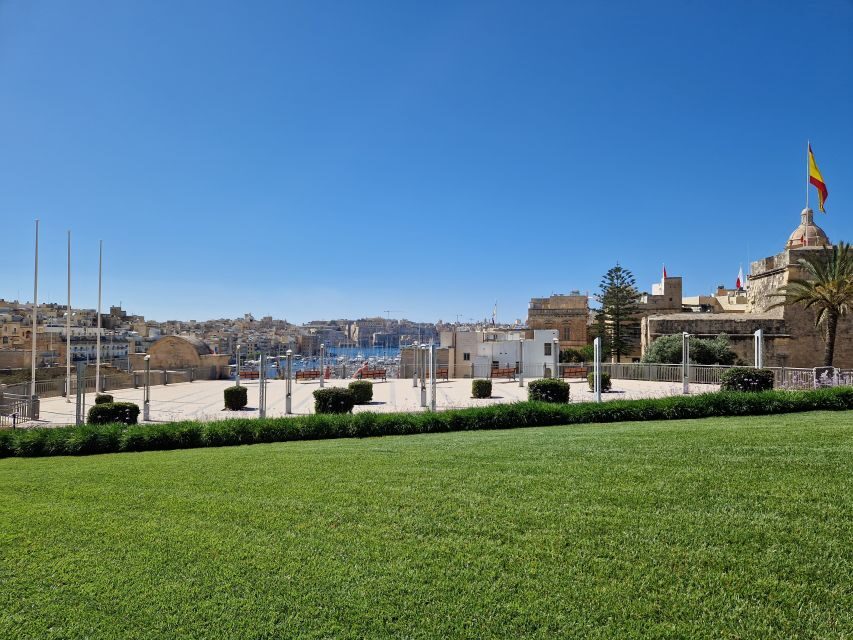
Most Malta visitors have WWII on their minds, but Birgu brings it down to street level. Your guide explains how Birgu inhabitants showed resilience during WWII, and you’ll hear that it was the most bombed area on the Maltese Islands. That’s heavy information, and it changes how you perceive the streets and surviving structures. You stop viewing the town as only picturesque and start understanding why parts of it look the way they do.
Then comes the British story, and it adds another layer to the “why Malta mattered” question. You’ll learn about the British Navy’s role in the development of these cities, including drydocks and the idea of headquarters of the British Royal Navy in the Mediterranean. Even if you don’t see a sign saying Royal Navy headquarters today, the historical relationship helps you connect what you’re seeing—harbor design, naval access, and strategic geography—to larger events that shaped Malta’s modern identity.
This is also where the guide style really matters. In the feedback, people often highlight how guides like Karl and Chris (and also Lorraine in a few accounts) tell stories with humor while still staying on track. That blend helps you process difficult topics without the tour becoming a textbook.
A short viewpoint photo stop that keeps the momentum (without dragging)
About mid-tour, you get a viewpoint photo stop—around 15 minutes—with time for both pictures and a bit more explanation. This matters more than it sounds. On a short walk, too many stops can make the tour feel scattered. Too few, and you miss the chance to anchor the route with a view.
This stop is positioned to break the walking rhythm and give you a clean “reset” for what comes next. You’ll likely find yourself noticing skyline lines and harbor geometry more than before. And if you’re traveling with phones and want crisp shots, this is the moment to take them—before the tour shifts you into tighter street sections again.
Finishing by St. Laurence Church: where you can head back by dghajsa
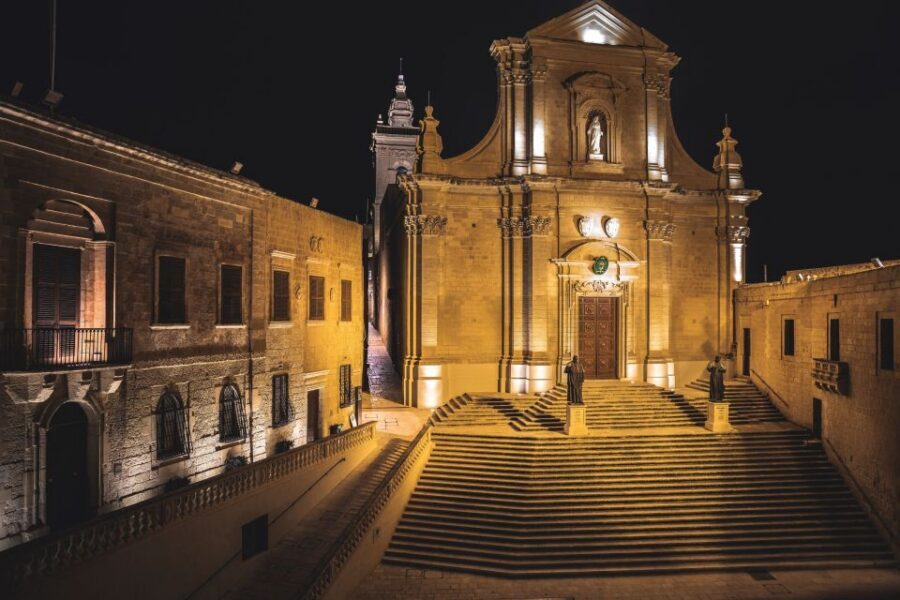
You end on the Birgu waterfront, in front of St. Laurence Church. This is a great finish because it brings you back to the water-focused setting that started the tour.
From here, you have a choice: you can board a dghajsa, a traditional boat similar to a gondola, back toward Valletta. The boat ride isn’t included in the tour price, but the location makes it an easy next step. It’s a nice way to keep the theme going: start by ferry, walk through fortifications and streets, then return to the harbor by boat.
If you like closing the day with a view, this ending does it. Even if your feet are tired, standing near the church frontage with the water in front of you makes the walk feel complete.
Price and time: what $24 buys you in real value
At $24 per person for about 2.5 hours, this tour sits in the “good value” zone for Malta. Why? Because you’re paying for something harder than it looks: a guided explanation that ties multiple cities together, rather than a single-site visit.
For that price and time, you get:
- Three-city coverage across the 3 Cities area (not just Birgu)
- A live English guide who narrates the why behind what you see
- A route that includes waterfront walking, fortifications, Collacchio streets, and a WWII + British Navy storyline
The tour doesn’t pretend it’s a day-long lecture. It’s paced like a walk you can actually finish. That makes it useful if you’re short on time in Malta or if you’ve already done a bigger city day (like Valletta) and want something with a different feel.
Also, the strong rating—4.9 with 138 reviews—isn’t just a number here. It lines up with what’s emphasized repeatedly: guides who are energetic, story-driven, and comfortable answering questions.
Who should book this tour (and who might not love it)
You’ll probably love this if:
- You want a history-focused walking tour that still feels scenic
- You like learning through place-based stories (walls, streets, harbors)
- You’re okay walking around old stone lanes for a couple hours
You might want a different option if:
- You hate uneven sidewalks and prefer fully flat routes
- You’re only interested in one type of sight (like museums only), since this tour mixes architecture, harbor views, and WWII/nautical context
It’s a particularly good choice as a half-day “anchor” for the 3 Cities area. After this, you’ll understand what you’re seeing if you wander on your own.
Should you book this 3 Cities walking tour?
Yes, if you want your Malta to feel connected instead of chopped into isolated highlights. For the money and time, you get a strong sense of why Senglea, Bormla, and Birgu matter—especially once the tour moves into Birgu’s fortifications, Collacchio streets, and the WWII and British Navy context.
If you’re choosing between skipping the walk or doing it, I’d pick doing it. You’ll leave with a real mental map of the harbor, the defensive layout, and the human stories that shaped these towns.
FAQ
How long is the From Cospicua: Senglea, Bormla, and Birgu Walking Tour?
The tour lasts about 2.5 hours.
Where does the tour start and where do you meet?
You meet at the unloading place of the Valletta–3 Cities ferry at the Valletta Ferry Service in Cospicua.
Is the tour guided?
Yes. A live English-speaking tour guide is included.
What should I bring?
Wear comfortable shoes for walking on historic streets.
Is hotel pickup or drop-off included?
No, hotel pickup and drop-off are not included.
Is the boat back to Valletta included?
No. A gondola-like boat called a dghajsa is available at the end, but it is not included in the tour.
Is there free cancellation?
The activity offers free cancellation up to 24 hours in advance for a full refund.