REVIEW · VALLETTA
Heritage Pass in Malta
Book on Viator →Operated by iSeeMalta_Official · Bookable on Viator
Three days in Malta can feel like a blur. This Heritage Pass turns it into a plan. You’ll get access to 20+ heritage sites plus unlimited hop-on hop-off bus riding, a harbor cruise, and coastal routes toward Comino and Gozo, all with free onboard Wi‑Fi on the cruises.
I especially like the mix of Malta’s eras packed into one ticket: star forts, megalithic temples, Roman mosaics, and early Christian tunnels. You can hop between the big names like Fort St. Elmo and St. Paul’s Catacombs without juggling separate entry tickets.
The main catch is timing. Some places can close at short notice, and you’ll want to check the specific opening times tied to your pass (there’s also a QR code mentioned for verifying hours). If you show up with zero flexibility, you can lose time.
In This Review
- Key points before you buy
- Price and what you really get for $92.69
- Using the hop-on hop-off bus to move like a local
- Valletta harbor cruise and the Three Cities: when sailing beats walking
- Fort St. Elmo: start at the star fort that controlled both harbors
- MUŻA and Mdina’s Natural History Museum: two different kinds of learning
- UNESCO megaliths: Ta’ Ħaġrat, Mnajdra, Ħaġar Qim, Skorba, and Hal Tarxien
- Ta’ Ħaġrat (Mġarr)
- Ħaġar Qim and Mnajdra (South coast)
- Skorba Temples (Żebbiegħ area)
- Hal Tarxien (Tarxien)
- Underground Malta: St. Paul’s Catacombs and Għar Dalam
- St. Paul’s Catacombs (Rabat area)
- Għar Dalam Cave and Museum (near Birżebbuġa)
- Birgu and the Roman layer: Fort St. Angelo, Malta Maritime Museum, and Domvs Romana
- Fort St. Angelo (Birgu / Grand Harbour)
- Malta Maritime Museum (Birgu)
- Domvs Romana
- More prehistoric stops: Borġ in-Nadur and the Tarxien-era world
- State Rooms and the Palace Armoury: the Order of St John in costume and corridors
- State Rooms (Presidential Palace area)
- Palace Armoury
- Comino and Gozo via the coastal route: use it when weather is on your side
- Service reality check: where passes shine and where you need to be sharp
- Who this is best for
- Should you book the Heritage Pass in Malta?
- FAQ
- What is the Heritage Pass in Malta?
- Where does the pass operate?
- How much does it cost?
- What main attractions are included?
- Does the pass include bus transportation?
- Does the harbor cruise include Wi‑Fi?
- Does the pass include Comino and Gozo?
- What are the visiting hours?
- Is cancellation free?
Key points before you buy
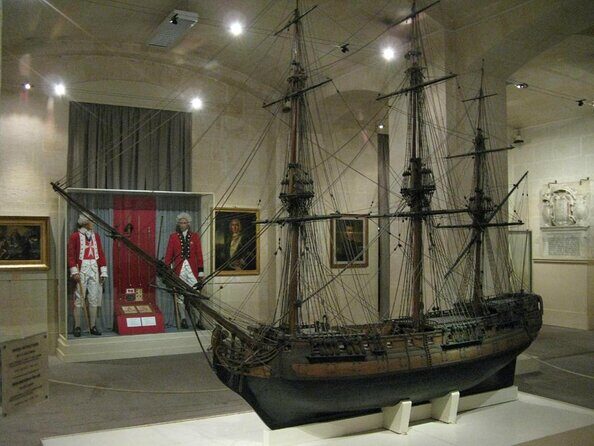
- 20+ Heritage Sites included, including Fort St. Elmo, St. Paul’s Catacombs, and Hagar Qim/Mnajdra
- Unlimited hop-on hop-off bus use so you can group stops by area
- Two cruises include free Wi‑Fi while you’re sailing Valletta and the Three Cities
- Megaliths, Roman finds, and underground sites in one pass, mostly with about 1 hour per stop
- Scan the QR code for opening times, since sites may close or change access
Price and what you really get for $92.69
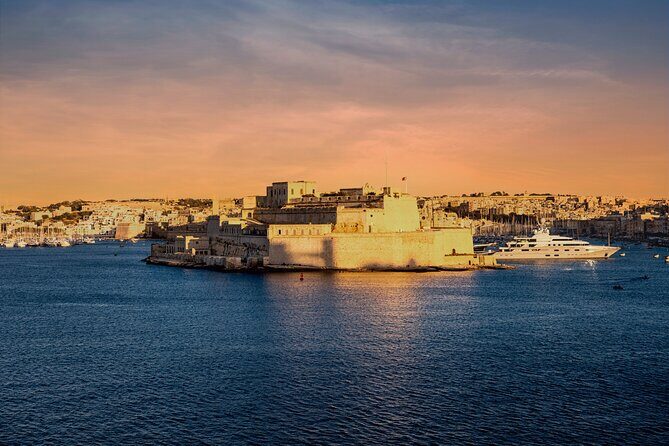
At about $92.69 per person, this pass is aimed at one thing: cutting the hassle cost of doing Malta’s top heritage sites efficiently. If you’re the type who wants to see Fort St. Elmo plus the temple complexes and catacombs without adding a bunch of separate tickets at each stop, it can make sense fast.
Here’s the practical way to judge value: this ticket is most worth it if you’ll actually use the bus and cruises, not just one or two sites. The pass includes unlimited hop-on hop-off bus riding and cruises, so the price starts looking fair when you plan your days around the included routes—especially if you’re staying in or near Valletta and you’d otherwise pay for multiple taxis.
Also note the rhythm of the included sites: most are set up for about 1 hour of visiting time. That’s good for pacing. It’s not good if you want slow, long museum wandering at every stop.
You can also read our reviews of more historical tours in Valletta


Using the hop-on hop-off bus to move like a local
The bus part is the glue. With unlimited hop-on hop-off access, you can build your day around where you feel like starting rather than where you’re forced to end. The big advantage in Valletta is simple: you can hop around the peninsula and then come back when you’re ready, instead of committing to one rigid route.
A practical tip: plan to get on and off at consistent stops. One visitor noted that it can be tricky to find the correct stop later if you don’t memorize where you boarded and where the bus stops at Valletta waterfront.
If you’re staying far from the main tourist spine, keep a close eye on pickup points. There’s at least one report of missed pickup for a group in the north due to how the driver was handling the route. I can’t promise that will happen, but it’s a reminder to confirm where your stop is and how it works where you’re staying.
Valletta harbor cruise and the Three Cities: when sailing beats walking
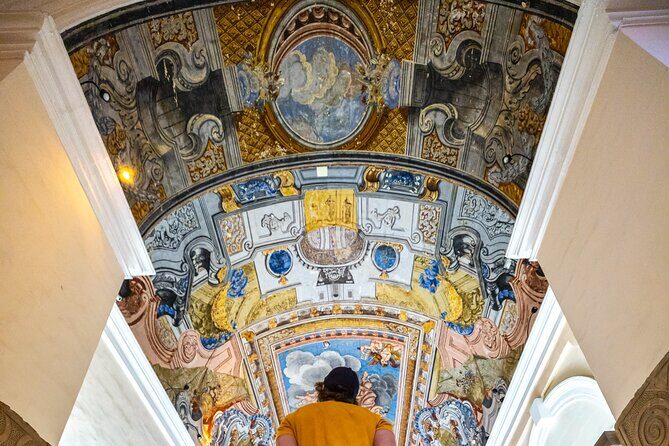
One of the easiest ways to make your pass feel worth it is to use the cruise. The harbor cruise covers Valletta and the Three Cities, and both cruises include free Wi‑Fi on board. Even if you’re not a phone person, it helps for quick map checks, translation, and planning your next stop before you reach shore.
What this does for your trip: it breaks the day into two modes. A lot of Malta heritage is in tight historic streets where walking can pile up fast. A cruise gives you a view perspective—especially because Valletta’s forts and harbor layout are part of the story of Malta’s defense and trade.
Fort St. Elmo: start at the star fort that controlled both harbors
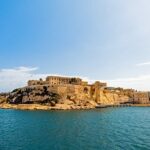
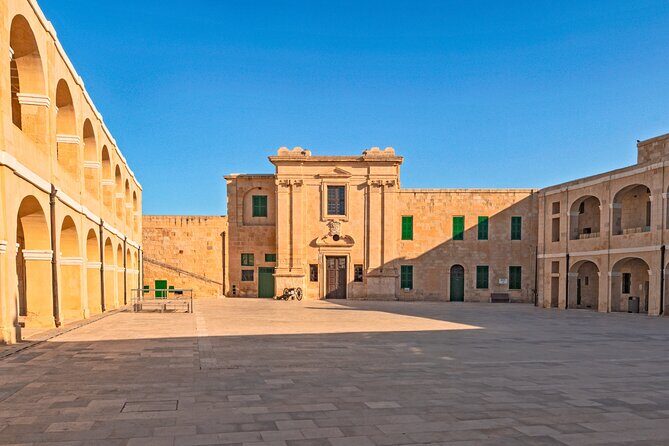
If you want one landmark that helps you understand Malta quickly, Fort St. Elmo is it. It’s a star fort on the seaward shore of the Sciberras Peninsula, and it sits where it can command entrances to both harbors. That positioning matters in the history, especially the Great Siege of Malta of 1565.
Visiting tip: don’t treat this as just photo time. Think about the location. When you look outward from the fort, you’re seeing why it mattered. You’ll also get an easy win from the pass: the entry for this stop is included, and the total visit is about 1 hour, which is a good match for how long you’ll want to stay before moving on.
MUŻA and Mdina’s Natural History Museum: two different kinds of learning
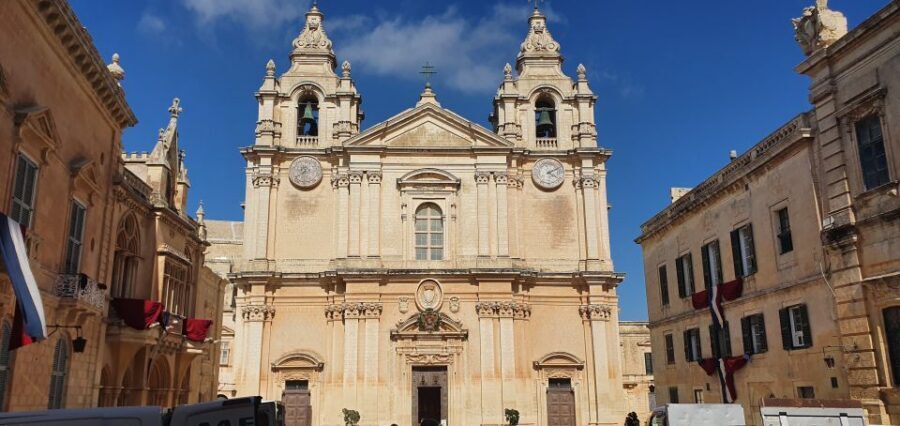
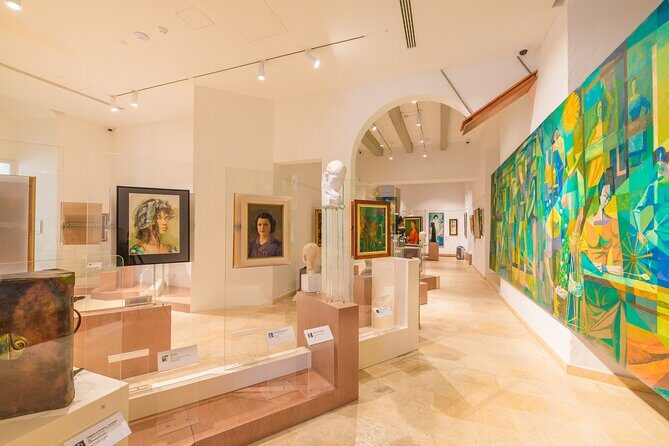
In Valletta, MUŻA – The Malta National Community Art Museum gives you a break from forts and temples. It’s set at Auberge d’Italie, and it used to be known as the National Museum of Fine Arts. The idea here is to show Malta through European art styles plus both Maltese and foreign works.
Then in Mdina, the National Museum of Natural History (in Palazzo Vilhena) shifts gears. This one is run by Heritage Malta and focuses on Maltese ecosystems—especially endemic plants and birds. You’ll also see minerals, fossils, insects, reptiles, birds, mammals, and fish, plus sections about geology and palaeontology.
Why this combo works: it balances the “human story” of defenses and religion with the island’s “natural story.” For many people, it’s what keeps a heritage pass from feeling one-note.
Possible drawback: museum stops can feel “stand and read” if you’re not in a museum mood that day. If you want pure outside walking, you may want to keep these indoor hours flexible.


UNESCO megaliths: Ta’ Ħaġrat, Mnajdra, Ħaġar Qim, Skorba, and Hal Tarxien
Malta’s most jaw-dropping heritage is the megalithic temple tradition, and this pass is strong here. You’ll have access to multiple UNESCO-listed sites across different areas.
Ta’ Ħaġrat (Mġarr)
Ta’ Ħaġrat is recognized as a UNESCO World Heritage Site alongside other megalithic temples. It’s among the world’s oldest religious sites. The larger temple is tied to the Ġgantija phase (3600–3200 BCE) and the smaller to the Saflieni phase (3300–3000 BCE).
Ħaġar Qim and Mnajdra (South coast)
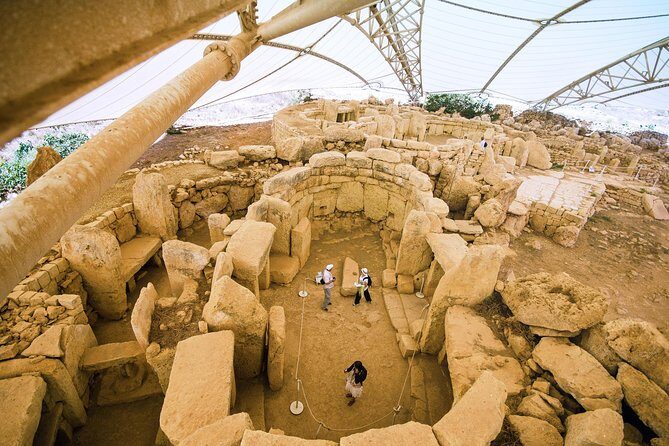
These are the big southern hitters. Ħaġar Qim sits on the southern edge of Malta on a ridge capped in soft globigerina limestone. Mnajdra is about 497 metres from Ħaġar Qim, and it was built around the fourth millennium BCE. A protective tent was completed here in 2009, which can change how the site feels on a windy day.
What you’ll learn from the megaliths here is not just age—it’s technique. The builders used the island’s limestone widely, and Malta’s geological history is part of the story of how the temples look and endure.
Skorba Temples (Żebbiegħ area)
Skorba is on Malta’s northern edge and is linked to early Neolithic culture. It was only excavated in the early 1960s, later than some other sites, but its importance led to UNESCO recognition along with six other Maltese megalithic temples.
Hal Tarxien (Tarxien)
Hal Tarxien has three attached temple structures. It’s known for elaborate decorated slabs, and some of that decoration is protected by being relocated indoors at the Museum of Archaeology in Valletta.
Practical pacing tip: pick two megalith stops for one day if you can, not five. They’re fascinating, but they’re also concentrated in a way that can blur together if you’re rushing.
Underground Malta: St. Paul’s Catacombs and Għar Dalam
Two stops in this pass give you a different kind of Malta: hidden, underground, and intensely human.
St. Paul’s Catacombs (Rabat area)
St. Paul’s Catacombs are among the most prominent features of Malta’s early Christian archaeology. You’re looking at underground galleries and tombs dating roughly from the 3rd to the 8th centuries CE. The site is managed by Heritage Malta, and the complex includes over 30 hypogea, with more than 20 open to the public.
What makes it memorable: it’s not a single “room.” It’s a system—an underground network that helps you picture how early communities used space below ground.
Għar Dalam Cave and Museum (near Birżebbuġa)
Għar Dalam is a 144-metre long phreatic tube cave. It contains bone remains linked to animals stranded and becoming extinct in Malta at the end of the Last Glacial Maximum. It also ties into Maltese prehistory, including the Għar Dalam phase.
This is the best pairing for St. Paul’s if you like contrast: underground religion and underground science, both telling different chapters of the island’s story.
Birgu and the Roman layer: Fort St. Angelo, Malta Maritime Museum, and Domvs Romana
If you want a “Malta as a working port and a lived-in place” feeling, you’ll get it here.
Fort St. Angelo (Birgu / Grand Harbour)
Fort St. Angelo was originally built as a medieval castle and later rebuilt by the Order of St John into a bastioned fort between the 1530s and 1560s. It’s known for being the Order’s headquarters during the Great Siege of Malta. A major reconstruction in the 1690s gives it the appearance you see today.
Visiting tip: this is ideal after Fort St. Elmo because you start seeing the harbor defenses as a connected system, not separate buildings.
Malta Maritime Museum (Birgu)
This museum is housed in the former Royal Naval Bakery built in the 1840s for the Mediterranean Fleet. It has a collection of over 20,000 artifacts and is described as the largest museum on the island. The museum explains maritime history from prehistory to the present, placed in both Mediterranean and global context.
It’s one of those places where you can stop and look at objects and suddenly understand why Malta became strategically important.
Domvs Romana
Domvs Romana focuses on a private Roman aristocrat’s lifestyle. Very little of the actual town house remains, but the surviving mosaics and artifacts still show the wealth and habits behind daily life.
If you like your heritage practical—food, rooms, status—this is your stop.
More prehistoric stops: Borġ in-Nadur and the Tarxien-era world
Borġ in-Nadur overlooks St George’s Bay near Birżebbuġa. It includes a Tarxien phase megalithic temple and remains of a Bronze Age village with what’s described as the earliest fortification in Malta. It’s near other areas like Bronze Age cart ruts and silos, plus a Roman villa at Ta’ Kaċċatura and later military construction.
This is the kind of stop that rewards curiosity. There’s enough variety in what’s around the site that you can build a mental timeline without needing a big explanation panel.
State Rooms and the Palace Armoury: the Order of St John in costume and corridors
Back in Valletta, this pass gives you two “style and power” stops.
State Rooms (Presidential Palace area)
These are the showpiece of the Presidential Palace and sit at the heart of Valletta. The palace was founded after the siege success in 1566, enlarged by successive Grandmasters, and later served during the British period as the Governor’s Palace and even the seat of Malta’s first constitutional parliament in 1921.
One important drawback: the site can be closed at short notice by order of the President. If this is a must-see for you, plan a backup heritage block for the same day.
Palace Armoury
The Palace Armoury highlights the opulence of the Order of St John. You’ll see armor suits of Grand Masters Alof de Wignacourt and Jean de Valette, plus Ottoman armor and weapons, and a selection of artillery pieces.
This works especially well after the fort stops because you can connect defense tech to the broader siege narrative.
Comino and Gozo via the coastal route: use it when weather is on your side
This pass includes a coastal pass route to Comino and Gozo. That’s a strong add-on because it expands Malta beyond Valletta and the main Malta island heritage sites.
One important reality check: the experience notes that it requires good weather. Coastal travel can get frustrating in wind or rain, so I’d treat Comino and Gozo as your flexible-weather plan rather than a rigid schedule item.
Service reality check: where passes shine and where you need to be sharp
This kind of pass lives or dies on how you use it.
Here’s what I’d take from real-world issues and fix them before they hit you:
- Use the QR code for opening times. The provider response explicitly says you need to scan the QR code for the opening times of each place, and they can’t be accountable if a site is closed.
- Expect occasional short-notice closures. State Rooms can close quickly, and that’s built into the information for that stop.
- Double-check the validity window on your exact ticket. One response states the pass is available over a SIX DAY period (not 3) with unlimited bus and cruises. If your plan depends on exact day counts, read the fine print on your voucher.
- Build in navigation time. Valletta bus stop location can be confusing if you don’t anchor yourself the first time you ride.
- Ask at the ticket desk. People have praised staff for walking through the best way to fit visits together. Names that came up include Diane Zammit, Sandra Fenech, Monalisa at Corinthia St George, Allen (Ampaz in Bugibba), and Gabriela (115 The Strand Hotel). Even if you don’t meet those specific people, the lesson is the same: ask for the short plan.
The upside: when you get the timing right, this pass is a clean way to see a large chunk of Malta without spending half your vacation in ticket lines and decision fatigue.
Who this is best for
This pass is a good fit if you want:
- a heritage-focused Malta trip with variety (temples, forts, catacombs, museums)
- an easy transportation backbone via unlimited hop-on hop-off bus
- to use the included harbor cruise for views instead of more walking
It might not be your best fit if you:
- prefer one or two sites per day and long museum time
- hate planning around opening hours and potential short-notice closures
- want a fully guided, step-by-step tour experience for every stop
Should you book the Heritage Pass in Malta?
I’d book it if you’re trying to hit Malta’s “must-see” heritage without juggling separate tickets and transport. The included mix—Fort St. Elmo, Hagar Qim/Mnajdra, St. Paul’s Catacombs, plus Roman and museum stops—creates a trip that feels much bigger than its time limit.
I’d pause before buying if your schedule is tight to specific days or you’re counting on State Rooms or any single indoor stop as your only option. If you do buy, your best strategy is simple: scan the QR code for opening hours, group sites by area, and keep one or two spots flexible for weather or closures.
If you want Malta’s highlights in a structured, affordable way, this pass can be a smart move—as long as you travel with a little structure.
FAQ
What is the Heritage Pass in Malta?
It’s a multi-day Malta ticket that includes access to over 20 heritage sites and attractions, plus unlimited use of the hop-on hop-off bus and included harbor/coastal cruise routes.
Where does the pass operate?
It’s based in Valletta, Malta.
How much does it cost?
The listed price is $92.69 per person.
What main attractions are included?
Included examples are Fort St. Elmo, MUŻA, the National Museum of Natural History, Ta’ Ħaġrat Temples, Għar Dalam Cave, Fort St. Angelo, Malta Maritime Museum, Ħaġar Qim & Mnajdra, State Rooms, Palace Armoury, Skorba Temples, Borġ in-Nadur, St. Paul’s Catacombs, Domvs Romana, and Hal Tarxien Temples.
Does the pass include bus transportation?
Yes. It includes unlimited hop-on hop-off bus use.
Does the harbor cruise include Wi‑Fi?
Yes. Both cruises offer free Wi‑Fi on board.
Does the pass include Comino and Gozo?
Yes. It includes a coastal pass route to Comino and Gozo.
What are the visiting hours?
The listed opening hours are 8:00 AM to 6:00 PM, Monday through Sunday.
Is cancellation free?
Free cancellation is available up to 24 hours in advance for a full refund.