REVIEW · MDINA
30-Minute Mdina Experience Audio-Visual Show Ticket (Open Ticket)
Book on Viator →Operated by Robert Arrigo & Sons · Bookable on Viator
A show like this makes Mdina click fast. What I love most is the headset surround sound paired with 12-language audio in a timed, easy-to-fit format; it’s also a solid 45-minute way to get the big story without sprinting around town. One consideration: you’ll still want real time in Mdina afterward, because the show is a short, guided overview, not a walk-through of the streets.
This open ticket setup is handy when your day in Malta shifts. You pick a show time within the daily schedule (hourly from 11:00 a.m. to the last show at 5:00 p.m.), then check in at the theatre reception with your mobile ticket. The optional medieval tavern food and drinks sound like a nice bonus, but they’re not included in the ticket price.
In This Review
- Key Highlights You’ll Care About
- Entering The Mdina Experience: What You’re Actually Buying
- The 45-Minute Timeline You’ll Follow (And Why It Works)
- The Screen, The Sound, And The 12-Language Headset Setup
- Stop 1: The Mdina Experience Theatre Experience
- A small drawback to keep in mind
- What Stories You’ll Hear: Mother Goddess, St. Paul, Earthquake, Rebuild
- The cult of the mother goddess
- The shipwreck of St. Paul
- The earthquake and the rebuild
- Reviews: A Short Summary That Actually Helps
- Pricing and Value: Is $6.95 a Good Deal?
- Open Ticket Planning: How to Fit It Into Your Malta Day
- After the Show: The Medieval Tavern Option (What’s Included, What’s Not)
- Who Should Book This Mdina Audio-Visual Show?
- A Few Practical Tips Before You Go
- Should You Book the Mdina Experience Show?
- FAQ
- How long is the Mdina Experience audio-visual show?
- What languages are available during the show?
- Is food included in the ticket price?
- Can I use the ticket on any day?
- What are the theatre opening hours and show times?
- Do I need to check in when I arrive?
- Is there free cancellation?
Key Highlights You’ll Care About
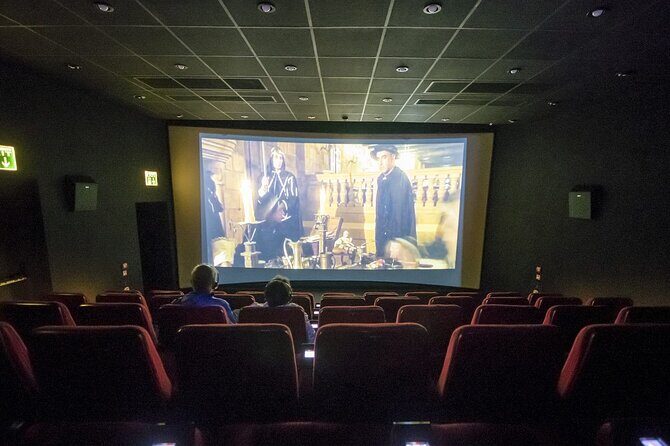
- Headset-based surround sound that runs alongside high-quality visuals
- 12 different languages via the included audio guide commentary
- A fast, guided timeline spanning about 7,000 years of Mdina’s story
- Screen-first storytelling using multi-controlled, high-resolution projection on a big panoramic screen
- Family-friendly pacing (suitable for all ages) in a compact time slot
Entering The Mdina Experience: What You’re Actually Buying

You’re paying $6.95 per person for an indoor, audio-visual show in Mdina, Malta. The headline is simple: a history story about the former capital city—told through sound, images, and narration—built to help you understand what you’re seeing when you later walk Mdina’s streets.
The real value isn’t just that it’s inexpensive. It’s that the ticket gives you a highly organized “context layer.” Mdina can feel like one long view of stone walls and gates until you know what happened here—who ruled, what collapsed, and what rebuilt. This show aims to give you that backdrop in one sitting, roughly 45 minutes.
One more practical plus: it’s designed for all ages, so it works well if you’re traveling as a family or if you just don’t want a long outdoor day. After the show, there’s a medieval tavern experience available, but you’ll need to pay for food and drinks separately.
A few more Mdina tours and experiences worth a look



The 45-Minute Timeline You’ll Follow (And Why It Works)
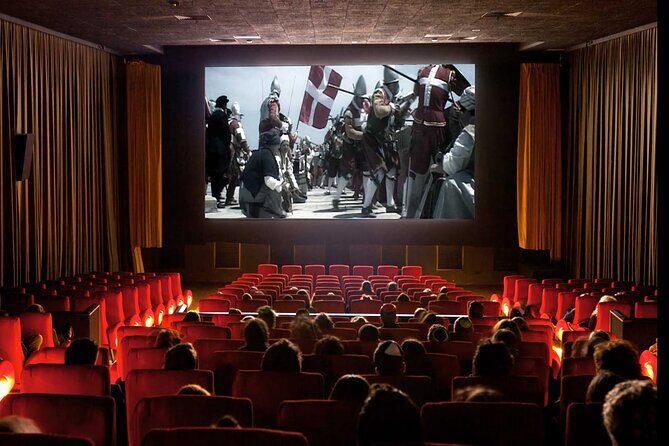
This isn’t a trivia lecture. It’s an audio-visual journey through Mdina’s story from long before the island’s later chapters, moving through major turning points you can later connect to the town’s atmosphere.
Here are the big themes the show focuses on:
- About 7,000 years of triumphs and tribulations
- The cult of the mother goddess (a religious thread that helps explain early belief systems on the island)
- The shipwreck of St. Paul (one of the most famous Christian-related moments tied to Malta’s coastal history)
- A devastating earthquake that destroyed half of the city, followed by a glorious rebuild
Even if you don’t remember dates perfectly, you’ll leave with mental “anchors.” And that matters when you’re walking outside, looking at stones that have survived wars, natural disasters, and centuries of change. The show gives you the kind of narrative spine that makes later sightseeing feel less like wandering and more like reading.
The pacing is also built for real life. With shows scheduled every hour from 11:00 a.m. until 5:00 p.m., you’re not forced into one rigid slot that can wreck the rest of your day.
The Screen, The Sound, And The 12-Language Headset Setup
If you’re picky about audio quality or you hate handheld guidebooks, this is where the experience earns its keep. The attraction uses multi-controlled, high-resolution projection on a big panoramic screen, so you’re not watching tiny images or low-resolution footage.
On top of that, you get a modern headset-based surround sound system. That’s a big deal because it makes the show feel more like a guided “movie with commentary” and less like a video playing over background noise.
Most importantly for practical visitors: the narration comes with simultaneous audio in 12 different languages. That means you can enjoy the full story even if you’re not fluent in the local language. It also makes the experience friendlier for mixed-language groups, since people aren’t stuck reading along or sharing one audio stream.
Stop 1: The Mdina Experience Theatre Experience

The show itself is your one main stop: The Mdina Experience theatre in Mdina. When you arrive, you check in at the reception area. It’s a simple step, but don’t skip it—this is where your ticket becomes your place in the show schedule.
What you can expect while inside:
- A structured, time-based narrative of Mdina’s past
- Panoramic visuals designed to help you picture different periods
- Audio that stays clear thanks to the included headset system
- A story that moves through both spiritual and dramatic historical events
The subject matter is wide, covering religion, shipwreck tradition, catastrophe, and rebuilding. That combination keeps it from feeling like one era only. If you’ve ever found that medieval cities are easy to enjoy but hard to connect to big historical events, this show is built for that exact problem.
A small drawback to keep in mind
Because the show is time-limited, it’s a “guided summary” style experience. If you’re looking for deep academic detail, you might wish you had longer in a museum or a specialist guided tour afterward. Think of this as getting your bearings fast, not replacing deeper exploration.
A few more Mdina tours and experiences worth a look

What Stories You’ll Hear: Mother Goddess, St. Paul, Earthquake, Rebuild
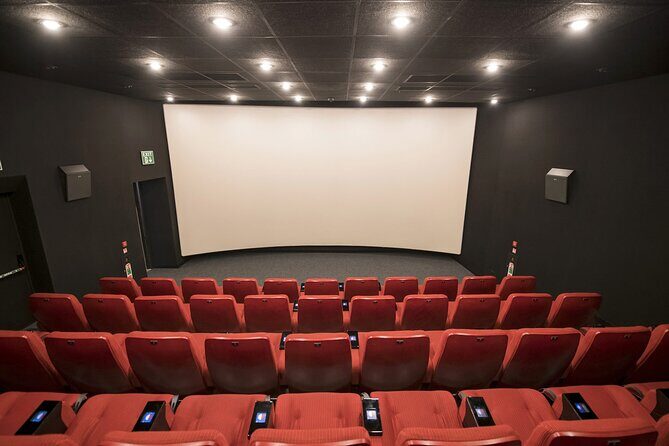
The show includes several headline events, and they’re chosen for a reason. Each one explains a different kind of change—belief change, cultural contact, and physical destruction.
The cult of the mother goddess
This element gives context to early religious life and helps explain how older belief systems shaped community identity. Even if religion isn’t your usual travel focus, it helps you understand why certain symbols and cultural patterns show up across Mediterranean history.
The shipwreck of St. Paul
This is one of those stories that’s become part of Malta’s cultural memory. Hearing it in a visual, narrated format helps you place it within the broader sweep of the island’s history, rather than treating it like a standalone legend.
The earthquake and the rebuild
The earthquake story is often the turning point people remember, because it’s dramatic and concrete: half the city was destroyed, and then the city was rebuilt. That theme connects strongly to what you’ll see later in Mdina—stonework, layout, and the sense of a place that has endured.
And yes, it’s presented as a chain of events rather than isolated facts. That’s why the show works so well as a quick “before you wander” step.
Reviews: A Short Summary That Actually Helps
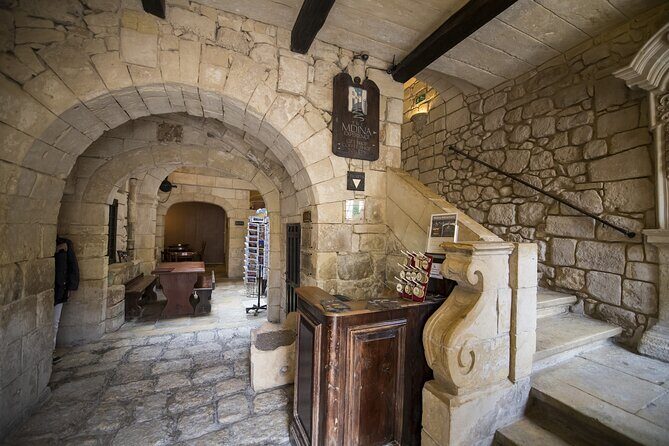
The overall rating is 4.3 based on 4 reviews, which suggests solid performance for what it is: a compact, organized show. One of the standout review themes is about the show acting like a clear summary of the eras and ups-and-downs on Malta from the beginning until today. That lines up with the structure you can expect—an overview designed to be understandable, not overwhelming.
So if you’re the type who wants your first day’s sightseeing to make sense, this show is built for that. It’s not trying to win you over with scale. It wins through clarity.
Pricing and Value: Is $6.95 a Good Deal?
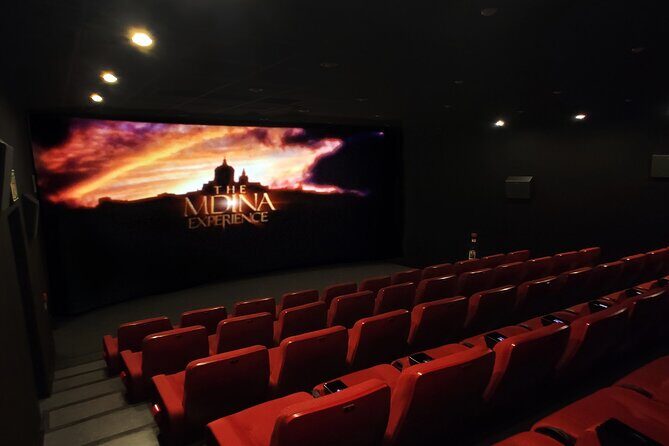
For $6.95, you’re buying a full audio-visual production with:
- A roughly 45-minute show length
- Headsets for surround sound
- Commentary available in 12 languages
- A story built around multiple major historical moments
The value here comes from time efficiency. Sightseeing in Mdina often means lots of walking between viewpoints and entrances. This show costs less than a typical paid attraction and gives you history context you’ll use immediately outside. If you’re on a tight schedule, that’s a good trade.
Just remember what’s not included: food and drinks at the medieval tavern after the show. The tavern offering sounds like a pleasant add-on—think of it as a place to keep the evening going—but plan on paying extra if you want the meal.
Open Ticket Planning: How to Fit It Into Your Malta Day

This is an open ticket, meaning you can use your entry on any day within operating hours and available time slots. That’s great if you don’t know what time you’ll reach Mdina yet, or if weather might shuffle your schedule.
Shows run every hour from 11:00 a.m. until 5:00 p.m. (last show). The theatre is open Monday through Sunday, all year round, except Christmas Day (25th of December).
Other practical points that affect how smoothly your day goes:
- Your ticket is valid for one-time entry only (no re-entry).
- You’ll need to check in at reception when you arrive.
- The theatre is listed as near public transportation, which matters if you’re traveling without a car.
My advice: pick a time that protects your energy. If you’re planning to wander Mdina afterward, choose an earlier show so you still have daylight and stamina for streets, viewpoints, and gates.
After the Show: The Medieval Tavern Option (What’s Included, What’s Not)
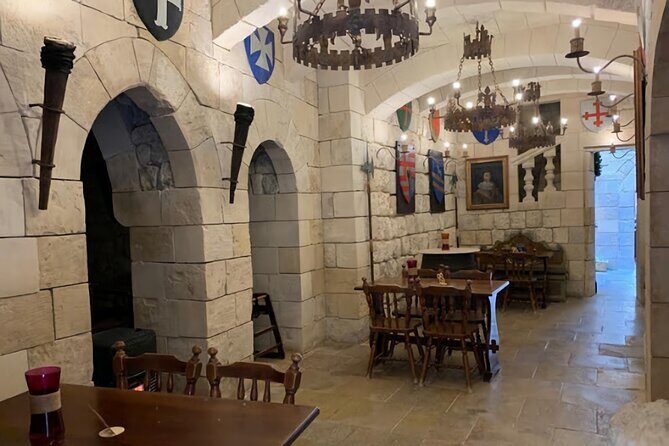
Once the lights come up, you’re invited to step into a medieval tavern atmosphere. This sounds like a fun way to keep the theme going, and it’s a nice match if you want a relaxed finish rather than rushing back to your hotel right away.
But here’s the key: food and drinks are not included in your show ticket price. So treat it as an optional add-on, not a free meal deal.
If you like your history tourism with a side of atmosphere, this part can be a great pairing. If you’re already booked for dinner elsewhere, you can still treat the tavern area as a casual place to linger and soak in the setting—then pay only if you want to eat.
Who Should Book This Mdina Audio-Visual Show?
This experience is a strong fit for people who want:
- A compact history orientation before exploring Mdina
- A language-friendly format with 12 options and headset audio
- An indoor, comfortable activity that works for all ages
- A good value attraction that doesn’t eat an entire day
It’s especially useful if you’re visiting Mdina for the first time and you want to understand why the place feels the way it does. Once you know the arc—religion, St. Paul tradition, earthquake destruction, rebuilding—you’ll read the town differently.
If you already know every date and you prefer walking tours with lots of stopping and asking questions, you might still enjoy the show for entertainment, but you may want to treat it as a warm-up rather than the main event.
A Few Practical Tips Before You Go
Here’s how to make the show work best with your travel day:
- Choose an earlier timeslot if you want to explore Mdina afterward. The show is about 45 minutes, and you’ll need energy for the real town.
- Wear headphones-friendly clothing if you’re sensitive to headsets. (They’re head-worn, and that’s the only physical requirement mentioned.)
- If your schedule is flexible, use the open ticket to match your day in Mdina. That’s the whole point of the setup.
- Plan for extra spending if you want the tavern meal. The show ticket covers the show itself, not the food.
Should You Book the Mdina Experience Show?
Yes, if you want a fast, organized way to understand Mdina without turning your day into a history seminar. For $6.95, you get a polished audio-visual production with headset surround sound and simultaneous narration in 12 languages, wrapped around major events like the mother goddess tradition, St. Paul’s shipwreck story, and the earthquake-and-rebuild turning point.
Skip it only if you’re already set on deep-dive academic study and plan to do long guided walking tours instead. In most cases, though, this is a smart, budget-friendly step that makes the rest of Mdina feel clearer.
FAQ
How long is the Mdina Experience audio-visual show?
The show runs about 45 minutes (approx.).
What languages are available during the show?
The audio guide commentary is available in 12 different languages.
Is food included in the ticket price?
No. Food and drinks at the medieval tavern are not included.
Can I use the ticket on any day?
Yes. It’s an open ticket, so you can use your entry ticket on any day within the opening hours and available time slots. It’s valid for one-time entry only.
What are the theatre opening hours and show times?
The theatre is open Monday to Sunday from 11:00 a.m. to 5:00 p.m. Shows are scheduled every hour, with the last show at 5:00 p.m. (Closed on Christmas Day, December 25.)
Do I need to check in when I arrive?
Yes. When you arrive at the theatre, check in at the reception area.
Is there free cancellation?
Yes. You can cancel up to 24 hours in advance for a full refund.