REVIEW · VALLETTA
The Grand Tour of Valletta: A walking tour of Valletta.
Book on GetYourGuide →Operated by Grand Tour Malta · Bookable on GetYourGuide
Valletta turns history into street theater. This 2-hour walk through Malta’s fortified capital connects the Great Siege of 1565, wartime damage, and the Knights of St John to the places you can actually see.
What I love most is the small-group vibe. It feels more like walking with a great guide than being stuck in a crowd. Second, the guides use theatrical, scene-setting storytelling so big ideas land fast, whether you’re into battles, religion, or everyday life in a fortress city.
One consideration: it’s a short, fast-paced overview. You’ll hit key stops and viewpoints, but museum entrance tickets aren’t included, so if you want to go inside multiple attractions, plan for extra time and separate tickets.
In This Review
- Key things that make this tour worth your time
- Valletta’s fortress story, told at walking speed
- Meeting at Triton Fountain and getting your bearings fast
- Royal Opera House: where culture and power share the same walls
- Auberge de Castille: the Knights’ lifestyle, with the glamorous parts intact
- Upper Barrakka Gardens: a photo stop that’s really about perspective
- St John sites and the Big-Names context you’ll recognize later
- Misraħ San Ġwann: closing the loop where the story lands
- Price and value: $24 for a guided story, not a long museum day
- Who should book this walking tour
- Quick planning tips so you get the most from the 2 hours
- Should you book the Grand Tour of Valletta?
- FAQ
- Where does the tour meet?
- Where does the tour end?
- How long is the walking tour?
- How much does it cost?
- What’s included in the price?
- Are museum entrance tickets included?
- What language is the tour guide?
- Is the tour wheelchair accessible?
- Is there free cancellation, and how far in advance?
- Can I book without paying right away?
Key things that make this tour worth your time
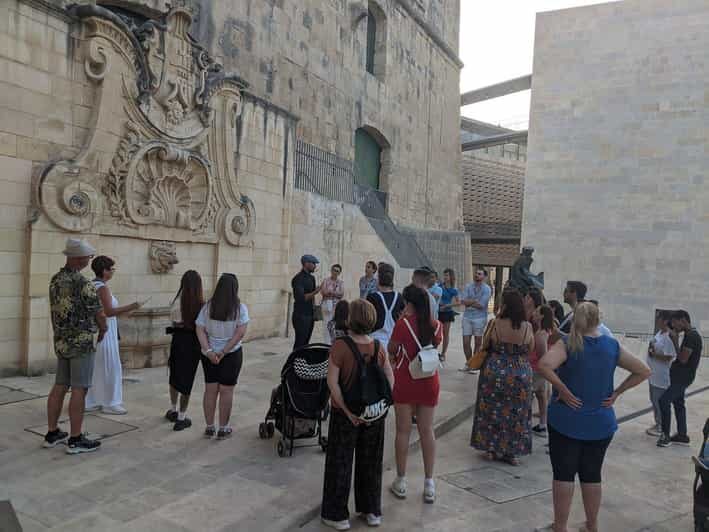
- Triton Fountain start: a clear meeting point and easy way to get your bearings immediately
- Theatrical guide style: history is told like a story, not a lecture
- Knights of Malta focus: daily life, lavish habits, and the vow of chastity in context
- Upper Barrakka Gardens photo stop: one of the best viewpoints you’ll pass during a short walk
- Outside-the-museum learning: you learn what to look for before you ever buy a ticket
- Finish at Misraħ San Ġwann: a satisfying wrap-up that ties the story together
Valletta’s fortress story, told at walking speed
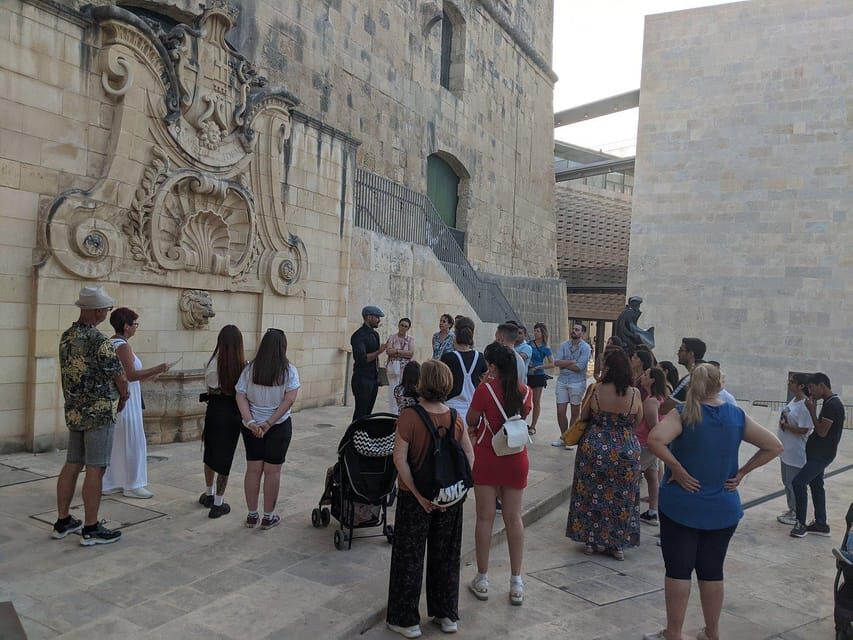
Valletta is the kind of city where you can’t separate history from street corners. Every wall has a memory. Every square has a purpose. And on this tour, you don’t just get dates—you get the logic behind the city.
You’ll hear how Valletta was forged after the Great Siege of 1565, and how the city almost paid the price again in the Second World War. That matters because it explains why buildings look the way they do, why streets feel tight and defensive, and why so many spaces were designed for power and control as much as daily life.
The tour also leans hard into the Knights of Malta, stretching from the crusades era to the present day. If your interest runs beyond St John Co-Cathedral and the Grandmaster’s Palace, this format helps you place those famous sights into a larger pattern.
You can also read our reviews of more walking tours in Valletta

Meeting at Triton Fountain and getting your bearings fast
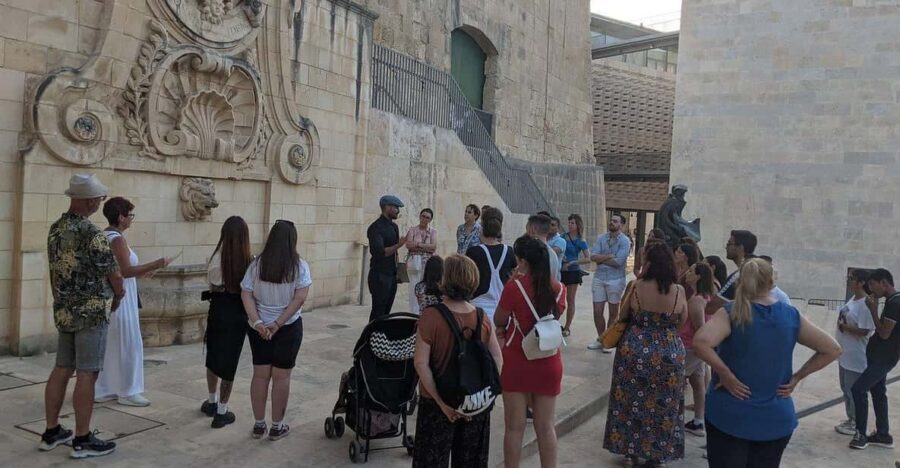
The experience kicks off around Triton Fountain, where you’ll spot guides with a HOUSE OF TOURS board. That’s a small detail, but it’s big in practice: a clear meeting point means less wandering around and more time learning.
Right away, you start building a mental map of Valletta. You’ll understand how the city’s layout supports defense, ceremony, and movement between “public” and “private” worlds. Even if you’ve visited before, this kind of orientation helps you stop seeing the city as random corners and start seeing it as a designed system.
It’s also a good moment to ask questions. The walking pace is meant to keep the group intimate, so you’re not just listening—you’re directing. If something doesn’t make sense—who lived where, why a particular building matters, or what was going on during a siege—this tour gives you a chance to get answers while you’re still near the clues.
Royal Opera House: where culture and power share the same walls
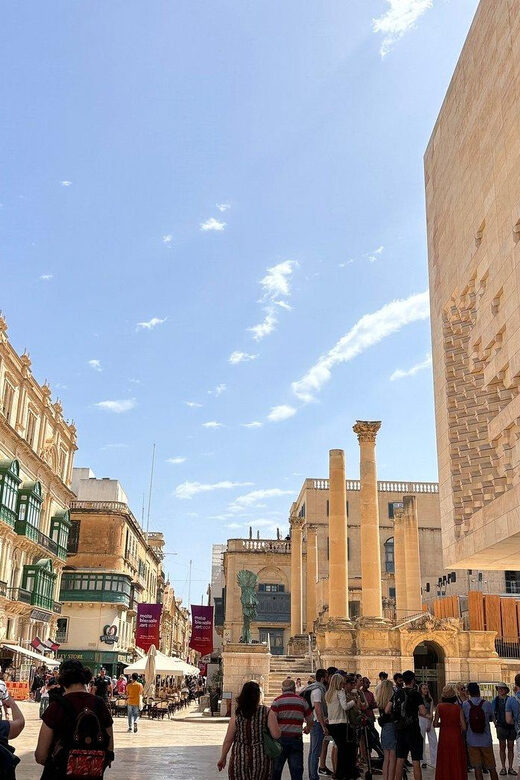
Next is the Royal Opera House, Valletta. Even if you only pass it on the street, it’s a reminder that the Knights weren’t just warriors. They lived in a world of ceremony, patronage, and public prestige.
From there, the tour keeps connecting the stage-like feel of Valletta to the real events that shaped it. You’ll get a sense of how wealth and status were displayed through architecture and institutions—so later, when you see religious sites tied to the Knights, it feels less like isolated trivia and more like a connected story.
One reason this stop works well on a short tour is timing. Early in the walk, you’re still fresh. A quick stop like this helps set expectations: you’re going to learn the “why” behind what you see, not just the “what.”
Auberge de Castille: the Knights’ lifestyle, with the glamorous parts intact
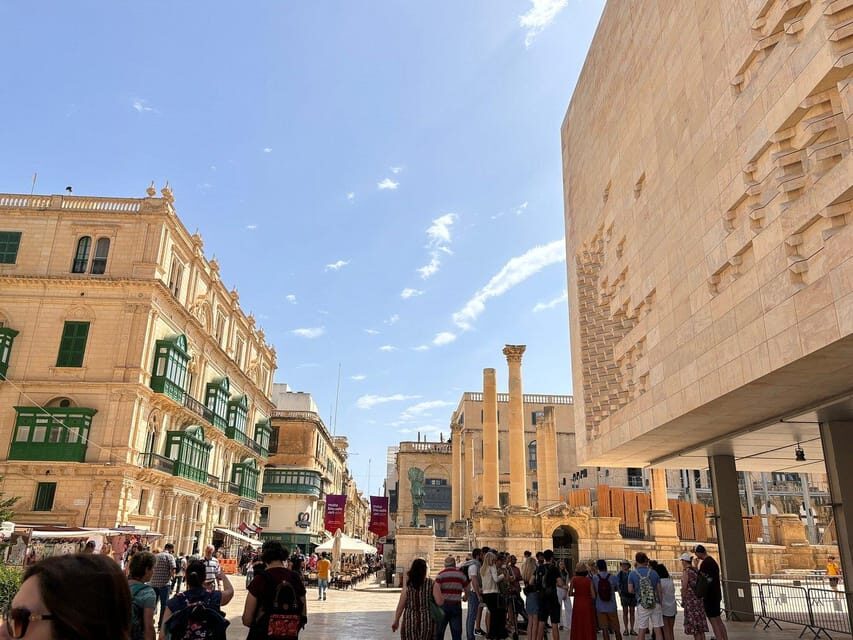
A highlight of the route is Auberge de Castille. This is one of those buildings you can sense is important even before you know exactly why. The tour explains the role of the Knights and how their lifestyle worked—lavish habits, strict rules, and a constant sense that duty came with status.
Expect story-driven context about knighthood, including the intriguing vow of chastity. The way it’s presented matters. Instead of treating it like a random odd fact, the tour shows how vows and expectations shaped daily life and identity inside the Order.
If you’re the type who loves human details—what people ate, how they lived, how they managed honor and reputation—this stop delivers. And if you prefer political or military angles, it still ties back to power structures and who had authority within the city.
Upper Barrakka Gardens: a photo stop that’s really about perspective
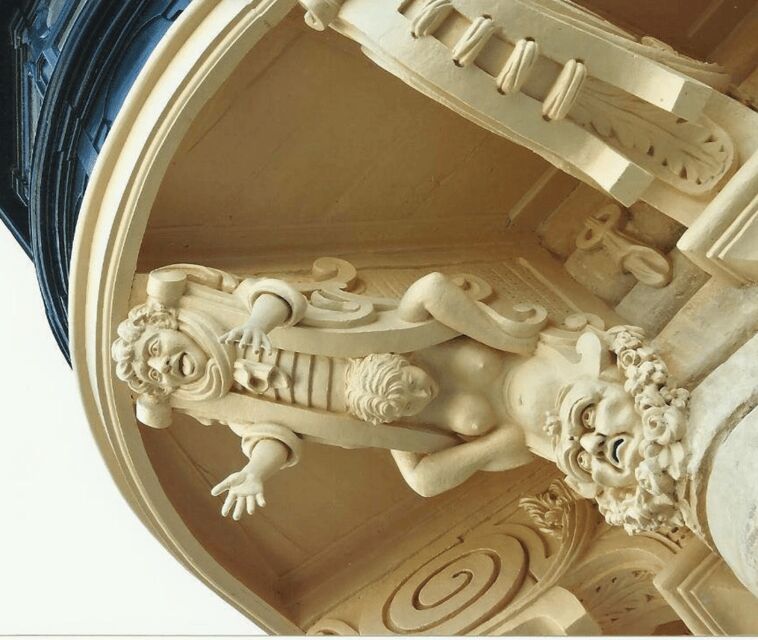
The tour includes Upper Barrakka Gardens with a photo stop and guided walk time. For a lot of people, this is where Valletta stops being a city of stone and starts becoming a viewpoint city.
Why it works: from high ground, you can finally understand the city’s “defensive geography.” You see how the coastline and fortifications relate to each other. You also start noticing what the Knights needed to watch—routes, approaches, and the strategic meaning of open space below.
It’s also a practical break. In a 2-hour tour, you need one moment that lets you breathe, look around, and take photos without feeling rushed. This stop gives you that pause while still keeping the story going.


St John sites and the Big-Names context you’ll recognize later
You won’t just talk about grand battles in the abstract. The tour frames famous attractions like St. John’s Co-Cathedral and the Grandmaster’s Palace so that when you do visit them later, you’ll have a mental checklist: what to notice, which parts connect to the Knights’ lifestyle, and how the city’s siege history influences what you see.
This is a big value point for me, because it’s easy to arrive at a famous site and only catch half the meaning. Here, you get the context first. You also learn little-known stories and side details, including anecdotes and gossip-style moments that make the era feel less untouchable.
And yes, the tour reaches beyond knights-in-armor nostalgia. You’ll hear about how the Knights’ influence echoed beyond their era and into the present. One memorable example from guide storytelling: how St John’s Ambulance in the UK connects back to the Knights of St John in Valletta. It’s the kind of link that makes you look at the city differently long after the walk ends.
Misraħ San Ġwann: closing the loop where the story lands
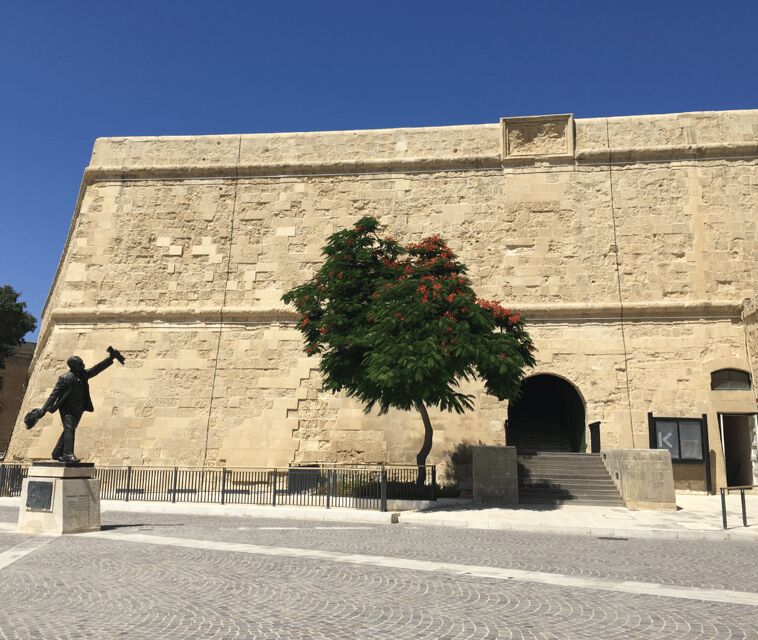
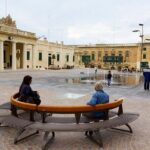
The tour finishes at Misraħ San Ġwann. Ending here matters because it brings your attention back to how the Knights shaped Valletta’s public spaces and identity.
By the time you reach the end, you’ll have the sweep of the story: the Great Siege shaping the fortress city, the Knights running a distinctive social and religious order, and the city enduring war damage and rebuilding. That arc helps the final stop feel like a conclusion instead of just the end of a route.
Also, finishing at a defined spot helps you keep momentum afterward. You can head to nearby attractions with clearer priorities because you’ll know what themes you already covered and what you want to look up next.
Price and value: $24 for a guided story, not a long museum day
At $24 per person for about 2 hours, this tour is priced like a focused walking experience rather than a full-day ticket package. That’s not a problem—it’s actually a good fit for how Valletta works.
Valletta is compact, and many of its most important sights are connected. A short guided format gives you efficient value: you learn enough to enjoy the big places more, then you decide what deserves extra time and money on your own.
The one thing to keep in mind is the trade-off: museum entrance tickets aren’t included. So if you’re hoping to see multiple interiors on the same outing, you’ll likely need to add visits separately. For me, that’s still fine. I’d rather get the context and then choose which interiors are worth the ticket price.
Who should book this walking tour
This is a great choice if you want:
- a guided introduction to Valletta’s fortress story and the Knights of Malta
- a route that favors smart stop-and-explain timing over long museum time
- a guide who answers questions and brings history to life with performance-style storytelling
It’s also ideal if you enjoy human details. Several guides described through the experience have arts and performance backgrounds—so history comes out clearer and more memorable. In particular, names like Rafa, Leila, and Leyla show up in the experience record as guides who make the tour feel fun and personal, not stiff.
If you’re the kind of traveler who wants constant movement with fewer story stops, you might find the pacing a little short at each location. But for most people, the tight schedule is exactly why it works.
Quick planning tips so you get the most from the 2 hours
Valletta walking is mostly about comfort and attention. You’ll be outside and on foot, so wear shoes you trust. Then bring one mental goal: look for patterns.
As you move between sites, try to connect three things:
- defense and the city’s siege mindset
- the Knights’ social rules and their lifestyle
- how public spaces served power, ceremony, and visibility
If you do that, even a short tour becomes a deep-feeling one—because you’ll start seeing Valletta’s design choices instead of just collecting postcards.
Should you book the Grand Tour of Valletta?
I’d book it if you want a fast, story-driven introduction to Valletta’s key themes, especially the Knights of Malta and the city’s siege-and-rebuild history. The guide format—small group energy, theatrical storytelling, and time for questions—makes the tour feel like a real experience rather than a checklist walk.
I’d skip or adjust expectations if you need lots of museum time during the same outing. Since museum entrance tickets aren’t included and the tour is built for a 2-hour overview, you’ll likely want to add any interiors separately.
If you like your history with characters, stakes, and street-level context, this is a strong value way to start your Valletta days.
FAQ
Where does the tour meet?
The meeting point is around Triton Fountain, where the guides will have a HOUSE OF TOURS board.
Where does the tour end?
The tour finishes at Misraħ San Ġwann.
How long is the walking tour?
It runs for 2 hours.
How much does it cost?
The price is $24 per person.
What’s included in the price?
A professional tour guide is included.
Are museum entrance tickets included?
No, museum entrance tickets are not included.
What language is the tour guide?
The tour is offered in English.
Is the tour wheelchair accessible?
Yes, it is listed as wheelchair accessible.
Is there free cancellation, and how far in advance?
You can cancel up to 24 hours in advance for a full refund.
Can I book without paying right away?
Yes. It offers reserve now & pay later, with book your spot and pay nothing today.