REVIEW · MALTA
Valletta & Three Cities Harbour Cruise
Book on Viator →Operated by iSeeMalta_Official · Bookable on Viator
Malta looks different when you view it from the water. This 90-minute Valletta and Three Cities harbour cruise gives you big-fortress views, historic ports, and live commentary without any heavy planning.
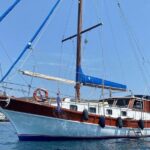
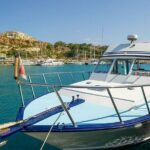
I love the practical side: you get a comfortable ride on a modern catamaran (with free Wi‑Fi) plus a route that hits multiple star forts and both harbours. I also like that you’re not stuck on the boat the whole time—there’s a stop plan for the Esplora Interactive Science Centre.
One thing to consider: the experience depends on good weather, and rough seas can change schedules or stop timing.
In This Review
- Key Things You’ll Notice on This Cruise
- Harbour Cruise Basics: 90 Minutes, Air-Con Catamarans, Free Wi‑Fi
- Where You Start in Sliema and What the Route Sets Up
- Fort Manoel: A Star Fort Moment on Manoel Island
- Fort St Elmo: The Star Fort That Guarded the Entrances
- Valletta From the Water: Baroque Palaces, Bastions, and Easy Orientation
- Fort St Angelo and Birgu: Grand Harbour History in One View
- Esplora Interactive Science Centre Stop: A Family Break If the Dock Works
- The Three Cities Passes: Vittoriosa, Senglea, Cospicua Across Grand Harbour
- Best Seats, Boarding Timing, and How to Make the Views Better
- Price and Value at About $23.97: What You’re Actually Buying
- Who This Cruise Fits Best (and Who Might Skip It)
- Should You Book the Valletta & Three Cities Harbour Cruise?
- FAQ
- How long is the Valletta & Three Cities harbour cruise?
- Where does the tour start, and where do you end?
- What language is the commentary offered in?
- Is there a stop at Esplora Interactive Science Centre?
- What’s included on the boat?
- Is the tour open to most travelers?
- What if the weather is rough?
Key Things You’ll Notice on This Cruise
- Air-conditioned catamarans with live commentary for an easy history-and-views combo
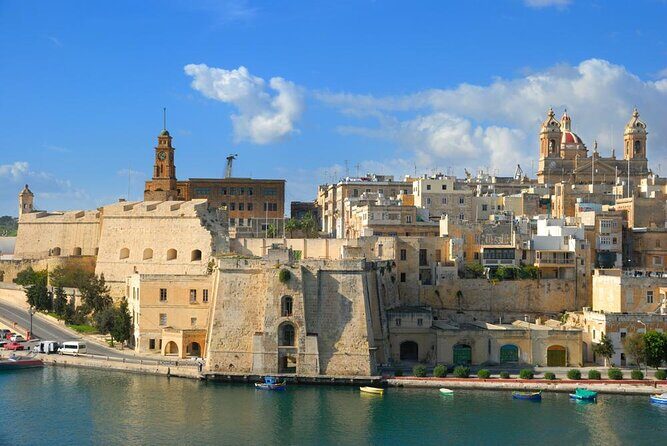
- Fort Manoel, Fort St Elmo, and Fort St Angelo viewed from the water with clear context
- Valletta’s fortifications make quick sense when you see the bastions and peninsula from offshore
- An Esplora stop is planned, but admission isn’t included and it may be weather-dependent
- Three Cities passes: Vittoriosa, Senglea, and Cospicua across the Grand Harbour
Harbour Cruise Basics: 90 Minutes, Air-Con Catamarans, Free Wi‑Fi
This is a “see a lot, stress less” kind of tour. You’re on the water for about 1 hour 30 minutes, and the boat is set up for comfort—air-conditioned inside, and open viewing where you can still track the shoreline. There’s also free Wi‑Fi, which is handy because Malta’s harbour vibe is great, but your phone will still demand maps and photos.
The commentary is part of the value. You’re not just looking at buildings—you’re getting the why behind them: where the forts sit, how the harbours are laid out, and what happened there during the Great Siege of Malta in 1565. That context turns “pretty stone” into something you can actually remember.
If you like getting your bearings fast, this cruise is a smart first-or-middle-day activity. It doesn’t replace walking the streets of Valletta or the Three Cities, but it helps you understand how everything connects across the water.
You can also read our reviews of more boat tours in Malta
Where You Start in Sliema and What the Route Sets Up
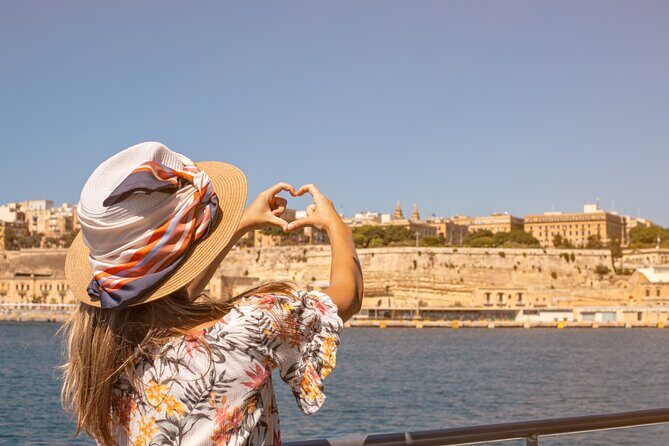
You meet at Sliema Ferry (Sliema), and the tour ends back at the same meeting point. That simple loop matters. It keeps the day from turning into a transport puzzle.
From Sliema, the route naturally points you toward the harbours that define Malta’s shape here: Marsamxett Harbour to one side of the peninsula and Grand Harbour to the other. Even if you’ve never been to Valletta, you’ll start to recognize the geography because the cruise is structured around the forts guarding the entrances and the cities sitting across the water.
Also, this one runs within set daily operating windows (the listed opening hours are 10:30 AM to 5:00 PM). So you’re not forced into a super-early morning. That makes it easier to pair with a morning in Valletta or an afternoon bus ride.
Fort Manoel: A Star Fort Moment on Manoel Island
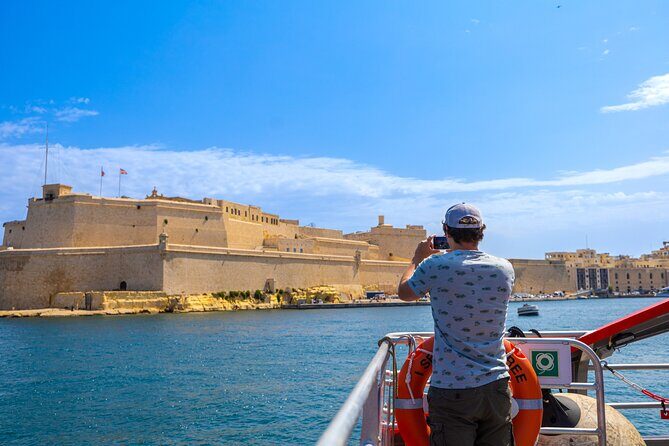
Your first major fort focus is Fort Manoel, on Manoel Island (Gżira). It’s an 18th-century star fort built by the Order of Saint John during Grand Master António Manoel de Vilhena’s reign—the fort is named for him. The description calls out both the Baroque feel and the “designed with functionality and aesthetics in mind” approach.
Seeing it from the harbour is the point. On land, you might notice the shape. On the water, you understand the purpose. Fort Manoel commands Marsamxett Harbour and the anchorage of Sliema Creek, so it’s not just a pretty structure—it’s part of Malta’s defensive logic.
Practical tip: if you want the best angles for photos, aim to position yourself with an open view toward the fort rather than behind railings or under the boat’s shaded roof areas.
Fort St Elmo: The Star Fort That Guarded the Entrances
Then you move to Fort St Elmo (Forti Sant’Iermu) at the seaward shore of the Sciberras Peninsula. This is a key spot because it commands the entrances to both harbours—Marsamxett and Grand Harbour approaches—along with other forts like Fort Tigné and Fort Ricasoli.
This fort is best known for its role in the Great Siege of Malta (1565). From the water, that siege significance lands more strongly because you can see the “front door” idea—these forts weren’t decorative. They were meant to control who gets in and where ships could move.
If you’re a history person, keep an eye on how the fort sits at the dividing point of the harbours. If you’re not, the main takeaway is still easy: this is one of the strongest “how Malta defended itself” views you’ll get without stepping into a museum.
Valletta From the Water: Baroque Palaces, Bastions, and Easy Orientation
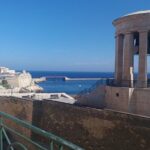
Valletta is Malta’s capital, and the cruise gives you a very specific kind of Valletta experience: not wandering streets, but admiring the fortifications and the Baroque cityscape from offshore.
From the water, those fortifications—bastions, curtains, and cavaliers—start to make sense as a system rather than separate-looking walls. You’ll also be able to spot why Valletta is often described as so visually dramatic. The buildings, churches, and gardens read differently from this angle because you’re seeing them within the city’s defensive geometry.
This is one of the most praised parts for a reason: the cruise makes Valletta feel bigger and more coherent. It’s also a relief if you don’t want to spend a whole day climbing hills right away. You get a strong “Valletta overview” with minimal effort.
A small comfort note: while the boat has shade from the roof, that roof can block some views depending on where you sit. If views matter most to you, pick a spot where you can see above the roofline and toward the horizon.
Fort St Angelo and Birgu: Grand Harbour History in One View
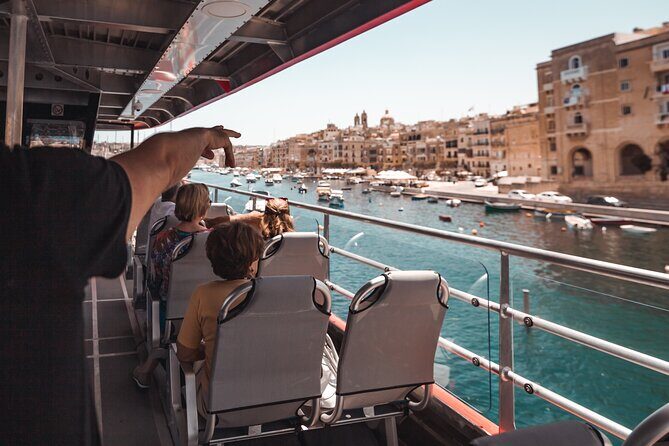
Next up is Fort St Angelo, in Birgu (Vittoriosa area), located at the centre of Grand Harbour. Originally there was a medieval castle called Castrum Maris, and then the Order of Saint John rebuilt it as Fort Saint Angelo between the 1530s and the 1560s.
This fort is strongly tied to the Order’s headquarters during the Great Siege of Malta in 1565, which is a big reason it’s worth including. It’s not a random fort on the route—it’s part of the “leadership and command” story of that period.
From the water, you’ll also see how the fort’s position relates to harbour movement. The cruise route is basically teaching you how Grand Harbour works: where ships could be positioned, where entrances are controlled, and how the fort’s central location affected everything.
There’s also architectural detail in the background: a major reconstruction in the 1690s followed designs by Carlos de Grunenbergh, giving the fort much of its current appearance. Even if you don’t memorize names, the point is clear: this is a fort that evolved, not one that stayed frozen in time.
Esplora Interactive Science Centre Stop: A Family Break If the Dock Works
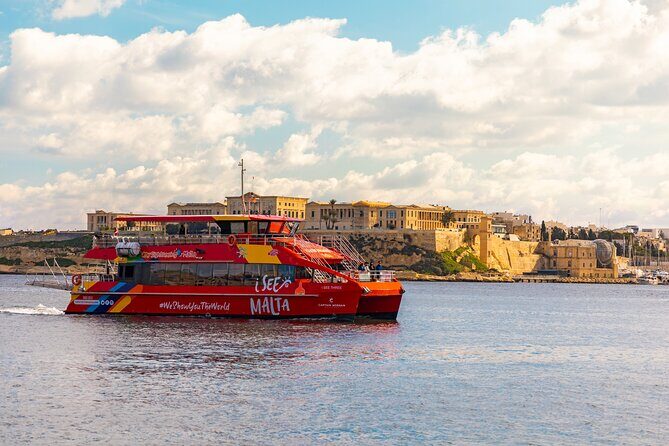
There’s a planned stop connected to Esplora Interactive Science Centre at Bighi. The key details I’d keep in mind:
- the stop is short (about 5 minutes in the plan)
- admission isn’t included
- in practice, the stop depends on conditions, since docking can be tricky in swell or less-than-ideal weather
So, think of Esplora as a potential add-on moment, not a guaranteed full visit. If you’re traveling with kids or you’re excited about hands-on science, you may still want to treat Esplora as a separate outing you can manage on a calmer day.
On the plus side, even if the stop is brief, it can help you decide whether you want to return later for a proper visit. On the downside, if you planned your entire day around using the cruise as your main ticket to Esplora, be ready for the possibility that the stop won’t happen exactly as expected.
The Three Cities Passes: Vittoriosa, Senglea, Cospicua Across Grand Harbour
Now you get to the heart of the experience: Vittoriosa, Senglea, and Cospicua, the Three Cities. The cruise frames them as living history—cities shaped by long preservation efforts and the reality that time keeps moving.
These fortified cities sit directly across from Valletta along the Grand Harbour. Seeing them from the water is a very different experience than seeing them from streets or viewpoints on land. You’re getting a “whole picture” shot of how they line the harbour and how the fortifications interact with the shoreline.
Senglea and Cospicua, for instance, feel like they are all about their edges—walls and positions that make sense when you’re watching the waterway in motion. Vittoriosa’s relationship to Grand Harbour also feels instantly clearer once you’ve already seen the defensive forts above.
If you’re the kind of traveler who likes a gentle pace, this section is often where the cruise feels most relaxing. You’re not forced into a long walking tour; you’re letting the cities glide past with commentary tying it together.
Best Seats, Boarding Timing, and How to Make the Views Better
The cruise is popular, and it’s easy to see why. Space can get tight. One clear piece of advice from real-world experience: board as soon as you’re allowed. Getting on early helps you avoid the “everything is taken near the edges” problem and gives you a better pick of angles.
Seat tip: if you want a recommendation tied to viewing quality, one review specifically suggested taking a seat toward the front right. That makes sense because the forward side often gives cleaner angles when you’re passing forts and lining up Valletta’s waterfront.
Also pay attention to the roof. The top deck offers some open sides, but not always front seating with open views. If you care most about visuals, aim for the side and front positions where the roof doesn’t block the skyline.
And for “best day” vibes: calm weather makes a difference. When seas are rough, not only can schedules change—your comfort on the water can change too.
Price and Value at About $23.97: What You’re Actually Buying
At about $23.97 per person, this cruise is priced for value rather than exclusivity. You’re paying for:
- a short ride that covers multiple landmark areas
- live commentary that adds meaning to what you see
- a comfortable boat experience (air-conditioned cabin)
- practical extras like free Wi‑Fi
- easy continuation options like catching the next harbour cruise or using a hop-on route
Is it a full-day “see every inch” plan? No. It’s not trying to be. It’s a smart chunk of time—roughly 90 minutes—when you want big sights without the work.
To judge whether it’s worth it for you, ask yourself one question: do you want views plus context more than walking plus tickets? If yes, the price makes sense. If you’re the type who wants an in-depth guided walk through buildings, you’ll likely want to pair this cruise with separate time in Valletta and/or the Three Cities.
Who This Cruise Fits Best (and Who Might Skip It)
This cruise fits especially well if you:
- want an easy overview of Valletta and Grand Harbour quickly
- like star forts and siege-era context (or you want it explained without a lot of reading)
- travel with mixed ages, since it’s mostly seated and low effort
- want a relaxing water break between busier sightseeing blocks
You might consider a different option if you:
- need a guaranteed stop for Esplora as a main commitment (because it’s weather- and docking-dependent, and admission isn’t included)
- are sensitive to sound quality (commentary volume and clarity can vary based on boat acoustics and crowds)
- get frustrated if a departure runs behind due to boarding bottlenecks (rare, but it can happen)
The big upside is that the tour is structured so you don’t have to “figure it out” on the water. The geography does the teaching.
Should You Book the Valletta & Three Cities Harbour Cruise?
I think you should book this if you want maximum payoff per minute—forts, harbours, and the Three Cities—served in a comfortable, air-conditioned ride. It’s especially good when you’re short on time or you want to understand Malta’s layout before you start walking.
If you’re booking for a specific family goal at Esplora, I’d treat this cruise as a bonus, not your only plan. And because the harbour experience depends on conditions, try to pick a day where you can be flexible. Malta’s weather can be unpredictable, and rough seas are the main reason tours don’t run as expected.
Bottom line: for the money, the cruise gives you a lot of Malta’s most recognizable scenes in a way that feels calm and doable.
FAQ
How long is the Valletta & Three Cities harbour cruise?
It runs for about 1 hour 30 minutes.
Where does the tour start, and where do you end?
You start at Sliema Ferry in Sliema, and the activity ends back at the meeting point.
What language is the commentary offered in?
The experience is offered in English.
Is there a stop at Esplora Interactive Science Centre?
There’s a stop planned for Esplora Interactive Science Centre at Bighi, but admission is not included, and the stop depends on docking conditions.
What’s included on the boat?
You’ll have a ride on a modern catamaran with air-conditioning and live commentary, plus free Wi‑Fi.
Is the tour open to most travelers?
Yes—most travelers can participate.
What if the weather is rough?
The experience requires good weather, and if it’s canceled due to poor weather you’ll be offered a different date or a full refund.