REVIEW · MALTA
Cruise around Malta’s Harbours and Creeks from Sliema
Book on Viator →Operated by Robert Arrigo & Sons · Bookable on Viator
This harbour cruise is a fast way to understand Malta’s geography from the water, with English audio guiding you past the major bays and creeks. I love that you get a lot of visual payback for a short time, from Sliema Creek traffic to the hard edges of Valletta’s fortifications.
Two things I like a lot: the clear English explanations (recorded via the boat’s PA), and the chance to spot places you’d miss from streets, like Manoel Island’s fort history and the working waterfront around the shipbuilding yards. The main consideration is simple: it is not for people who get sea sick, and wind can make it choppy, so bring layers.
In This Review
- Key highlights at a glance
- Where this cruise starts: Sliema Ferries and an easy warm-up
- Sliema Creek: busy waterway, best people-watching
- Manoel Island: fort history and a calm middle stop
- The Lazzaretto on Manoel Island: quarantine buildings you can spot
- Ta’ Xbiex and Msida: creeks that show everyday harbour life
- Valletta and Floriana fortifications: why this city looks the way it does
- Grand Harbour: Malta’s big reveal
- Marsamxett Harbour and the shipbuilding yards: the working side
- The Three Cities by water: older defenses, different energy
- Kalkara and Rinella creeks: small beaches and charming angles
- Best places to sit: outside deck wins more often than not
- Audio commentary: steady English, with a trade-off
- Price and value: when $24.19 feels like a deal
- Who should book this cruise from Sliema
- Should you book it?
- FAQ
- FAQ
- How long is the cruise?
- Is there a live guide on board?
- What language is the commentary in?
- What do I need to bring?
- Is food or drinks included?
- Does it return to the starting point?
- What if the weather is bad?
Key highlights at a glance
Depart from central Sliema for an easy start near shops and the promenade
Manoel Island + Lazzaretto lets you see quarantine-era Malta from close range
Valletta, Floriana, and Grand Harbour come into view from the best angle: across the water
The Three Cities by water gives context for why these forts came before Valletta
Pre-recorded English narration is steady and helpful, with a few limits for questions
Where this cruise starts: Sliema Ferries and an easy warm-up
You begin at Sliema Ferries at Ferries 4Malta, then cruise out through Sliema Creek. The advantage of this departure point is practical: you start in the middle of town. Before or after the boat ride, you can walk the promenade, grab coffee, or browse the shops without needing a long transfer.
I also like how this works for first-time visitors. Malta can feel “small but complicated” once you look at a map. From the water, you instantly see how creeks, harbours, and peninsulas connect, and why people historically built around these natural routes.
Timing is straightforward. The trip runs about 1 hour 15 minutes to 1 hour 30 minutes, and it’s set up for efficient sightseeing, not a long lingering sail. If you’re visiting for a short time, that matters because it keeps your day flexible.
You can also read our reviews of more boat tours in Malta
Sliema Creek: busy waterway, best people-watching
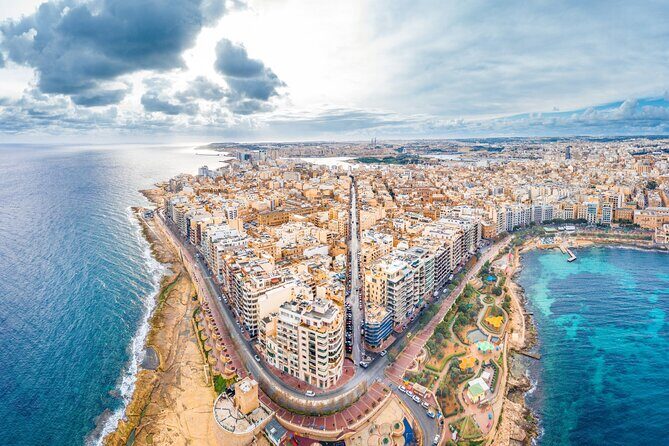
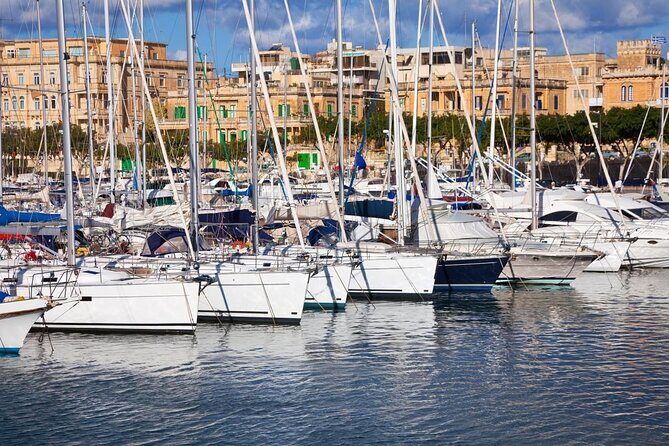
Early on, you cruise through Sliema Creek, which is a constant flow of harbour cruise boats. That’s not a downside. It’s part of the charm. While you are moving, you are also watching everyday maritime life that you normally only glimpse from a bridge or a shoreline.
This stretch is also where wind and sun become real. The water can be active, and the open-air feel is a plus in warm months. In cooler months, you will likely want a warm layer, because the breeze off the water can cut right through.
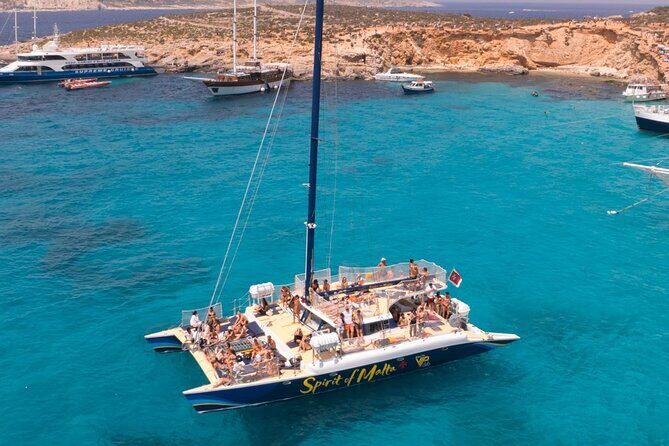
If you care about comfort and view quality, aim for the open deck when possible. One of the strongest notes from past riders was that outside seats made the experience better, and the sun deck view can feel much more direct than sitting inside a lower cabin.
Manoel Island: fort history and a calm middle stop
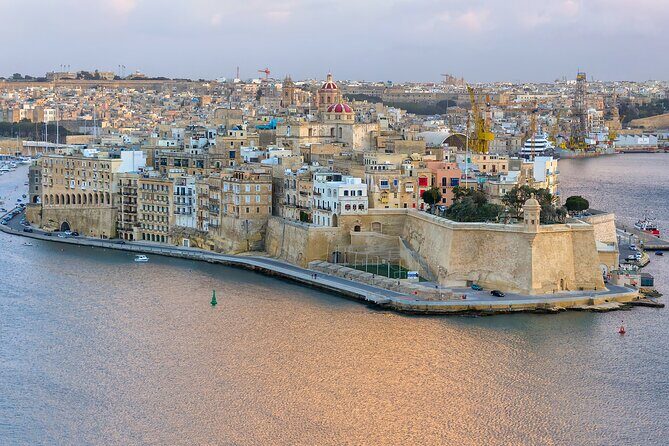
Next comes Manoel Island, a low, leaf-shaped bit of land in Marsamxett Harbour, connected to Malta by a bridge. The island is named for Portuguese Grand Master António Manoel de Vilhena, who built a fort there in the 1720s.
From the boat, Manoel Island is a good “anchor point” in the whole route. You are not just passing random shoreline. You’re seeing a specific place with a name, a fort past, and a clear role in the harbour’s layout.
You also pass the Manoel Island Yacht Marina, which helps show how the harbour works today. After the fort-and-quarantine story, the marina makes the transition feel real: history is still tied to the water’s function.
The Lazzaretto on Manoel Island: quarantine buildings you can spot
You then pass through Lazzaretto Creek, linked to the Lazzaretto itself, a former quarantine facility and hospital on Manoel Island. This is one of the most interesting historical stops on the route because it is not about knights-only postcard scenes. It’s about public health and survival.
Most of the buildings still exist, but they have visible damage from World War II and long abandonment. The overall vibe is “quiet and heavy,” and the restoration plan gives the sense that this place might regain its purpose someday. Even without getting out of the boat, you can read the site by its layout—separate buildings, the way the complex spreads across the island area.
If you like your sightseeing to have a human edge (not just walls and views), this is a strong moment of the cruise.
Ta’ Xbiex and Msida: creeks that show everyday harbour life
After Manoel Island, the route continues through Ta’ Xbiex Creek and then Msida Creek, which you can recognize by a breakwater on the starboard side as you enter. Then you pass Pieta Creek.
These sections matter because they show the harbour system as something used daily, not only “for tourists and cruise ships.” You get a sense of how Malta’s coastal edges are organized, with different waterways serving different kinds of traffic and nearby neighborhoods.
This also helps your eyes. After a couple creeks, you start identifying shapes and patterns instead of just watching coastline. That makes the later, more dramatic parts of the route easier to appreciate.
Valletta and Floriana fortifications: why this city looks the way it does
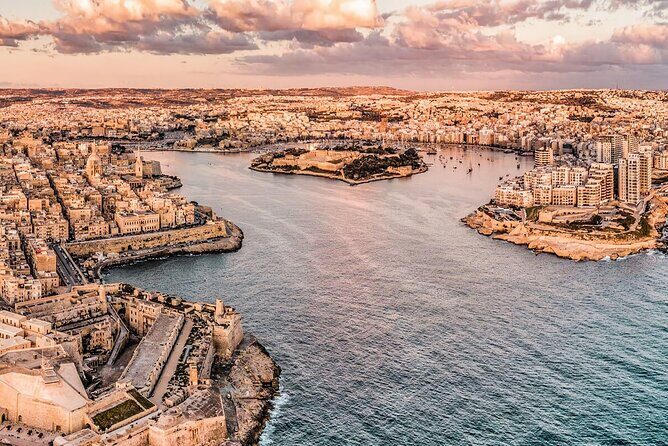
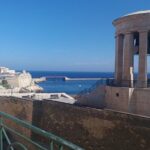
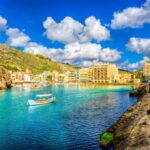
As the cruise draws toward the capital, you pass the battlements and fortifications surrounding Valletta, then Floriana. Malta’s defensive architecture is famous, but it hits differently from the water. On land, you can miss scale. From the harbour, the fort ring feels like an engineered boundary built to protect both people and maritime access.
If you have ever wondered why Valletta seems so “built for defense,” this is when the answer clicks. You’re seeing the walls and the strategic positioning, not just admiring stonework.
One practical tip: for photography, keep an eye on lighting. When you are moving along fort walls, the best shots often come in short bursts as the angle lines up. Don’t wait for perfect conditions—take frames as you get them.
Grand Harbour: Malta’s big reveal
Next is the Grand Harbour, which is described as one of Malta’s most spectacular ports. You’ll see the wide stretch of water between Valletta and the historic towns of Vittoriosa, Senglea, and Cospicua. This is a huge part of why the cruise feels worth the time: you get the full scale view of Malta’s maritime gateway.
The Grand Harbour also tells you something about Malta’s role in the region over long periods of time. Its activity has been tied to trade and seafaring for centuries, and the fortifications across the water reinforce that it was never just scenery. It was infrastructure for survival and power.
If you want the “best moment” of the cruise, this is often it—when the water opens up and the city lineup forms a clear panorama.
Marsamxett Harbour and the shipbuilding yards: the working side
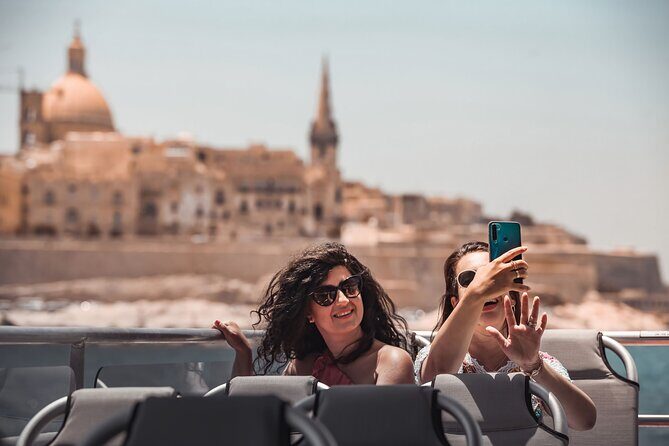
You then pass Marsamxett Harbour, historically a natural harbour and generally more tied to leisure use than the Grand Harbour. Even so, the route doesn’t stay purely postcard. You cruise through areas connected to the Malta Ship Building Yard, passing the Menqa and Marsa Creeks and the inner basin.
Then you pass through the French and Dockyard Creeks. This stretch gives you a sense of the industrial coastline, not just the ceremonial fort zones. You see how the harbour’s edges support ship work and harbour operations—another reason the boat is a great learning experience, even if you only have a short visit.
For readers who prefer real-world context over only landmarks, this “working harbour” section is a payoff.
The Three Cities by water: older defenses, different energy
One of the most rewarding parts of the route is passing Cospicua, Senglea, and Vittoriosa—the famed Three Cities. These fortified cities sit across from Valletta, and the cruise route is designed to keep them in your field of view as the boat moves.
Here’s what makes this more than sightseeing: the Three Cities have earlier roots. Their harbour inlets have been in use since Phoenician times, and their docks supported daily life while also exposing them during conflicts. They were also the first home to the Knights of St. John, so the palaces, churches, forts, and bastions you see nearby generally predate Valletta’s stonework boom.
From the boat, the cities don’t feel like separate stops on a checklist. They feel like part of one connected defense system wrapped around the water.
Also, the boat’s approach helps you understand why crossing the water shaped urban development here. You are seeing the “why” of the layout.
Kalkara and Rinella creeks: small beaches and charming angles
As you continue toward the end of the route, you pass through Kalkara Creek and Rinella Creek. Kalkara is noted for a picturesque village overlooking the bay. Rinella has a small sandy beach at the extreme end.
These parts can be quieter than the big fort stretches, but they add variety. After seeing monumental walls and harbours, these smaller shoreline moments give you a breather and remind you that daily life still happens along these edges.
It’s also where you may find it easier to enjoy the view without the constant mental work of identifying fortifications.
Best places to sit: outside deck wins more often than not
This cruise is short, so seating choices matter. Based on what people consistently reported, the outside deck view tends to deliver the best results. One rider even pointed out that they weren’t sure they would have enjoyed it as much from inside the lower cabin.
If you want crisp views of the shoreline and fortlines, try to grab a spot outdoors early. If it’s cold or windy, dress for it anyway. In winter conditions, people noted it can feel chilly on the boat, even when the rest of the day seems pleasant on land.
Even when the narration is ongoing, there are naturally quiet pauses where the view takes over. That is part of the value: you can relax without feeling locked into constant sightseeing pressure.
Audio commentary: steady English, with a trade-off
The cruise includes audio commentary over a PA system in English. Past riders praised the explanations and the way the narration pointed out places of interest tied to history, plus the clarity of the recording.
You’ll likely recognize the structure: you’re guided from one harbour feature to the next as the boat passes. One review specifically mentioned English narration by Robert, and another mentioned a captain speaking about what you were seeing.
The trade-off is that the narration is pre-set. If you like to ask open-ended questions on the fly, you may wish for a live guide. But as a practical sightseeing tool, the audio works well because it keeps the route understandable even if you don’t know Malta’s harbour geography yet.
Price and value: when $24.19 feels like a deal
At about $24.19 per person, this cruise sits in the “easy yes” category if you’re spending a day or two in Malta and want a quick orientation. It’s not a private boat, and you do not get food or drinks included—but for the time on the water, the value is strong.
Why? You see multiple major harbour areas in one loop: Sliema Creek, Manoel Island, the quarantine-related Lazzaretto area, Marsamxett and Grand Harbour, the shipbuilding zone, and the Three Cities. That’s a lot of geography for one ticket, and it’s exactly the kind of activity that makes your later walks in Valletta and the waterfront feel more “mapped” in your head.
If you’re also thinking about spending similar money on taxis or piecemeal views, the cruise gives you motion, perspective, and built-in context without planning every segment.
Who should book this cruise from Sliema
This fits best if you:
- Want a short, high-view sightseeing activity with minimal planning
- Prefer learning through audio in English rather than standing in a museum
- Like harbours and architecture and want to see how the coastline works
- Are staying near Sliema and want something that uses your location well
It may be less ideal if you:
- Get sea sick or are sensitive to choppy water
- Dislike outdoor wind and cold weather (the boat can feel chilly, especially in winter)
- Need lots of opportunity to ask spontaneous questions (this is mainly narration)
Should you book it?
Yes, I think you should book this cruise if you want an efficient way to make sense of Malta’s waterfront. The route hits the major harbour highlights in a time window that won’t swallow your whole day, and the English audio commentary does real work in turning views into understanding.
If you’re booking for a breezy or cool day, plan like a local: dress in layers, expect wind off the water, and choose an outside seat when you can. If the sea is rough or you’re prone to motion sickness, pick a different day or a different activity.
FAQ
FAQ
How long is the cruise?
It runs about 1 hour 15 minutes to 1 hour 30 minutes.
Is there a live guide on board?
The tour includes audio commentary over a PA system. The information provided does not list a live guide.
What language is the commentary in?
The audio is offered in English.
What do I need to bring?
You’ll just need your mobile ticket and appropriate clothing for the weather. The boat can be windy and chilly in cooler months.
Is food or drinks included?
No. Food and drinks are not included.
Does it return to the starting point?
Yes. The cruise starts and ends back at the meeting point at Ferries 4Malta (Sliema Ferries).
What if the weather is bad?
This experience requires good weather. If it’s canceled due to poor weather, you’ll be offered a different date or a full refund.