A quiet museum story in stone. The Valletta Black Friars Experience lets you see rare Dominican artifacts in spaces that have been closed off for centuries, and it guides you at your pace with an English audio guide. I like how the story turns the Dominican community into something you can picture, not just facts on a wall.
One heads-up before you go: some of the media and explanations are only in English, so if you need more language support, plan for that.
In This Review
- Key points to know before you book
- Valletta Black Friars in plain terms: what you’re really seeing
- The route that matters: St Dominic Priory, 44c St Dominic Street, and your 2 hours
- Museum access to rare Dominican artifacts: why the doors being closed matters
- Basilica of Saint Dominic: seeing the church as part of the same story
- Audio guide and the opening film: how the experience keeps you oriented
- Price and value: is $13 worth your time in Valletta?
- Who should book this Black Friars experience (and who may not love it)
- Practical tips so your 2 hours feel smooth
- Should you book the Valletta Black Friars Experience?
Key points to know before you book
- Access to places normally closed off gives you a feel for how unusual this setting really is
- Museum + Basilica of Saint Dominic means the story stays connected to the buildings
- Audio guide included so you can pause, rewind, and move when it suits you
- Opening film sets the tone and is called out as a highlight
- English-only media is a real consideration if you’re not comfortable with English
Valletta Black Friars in plain terms: what you’re really seeing
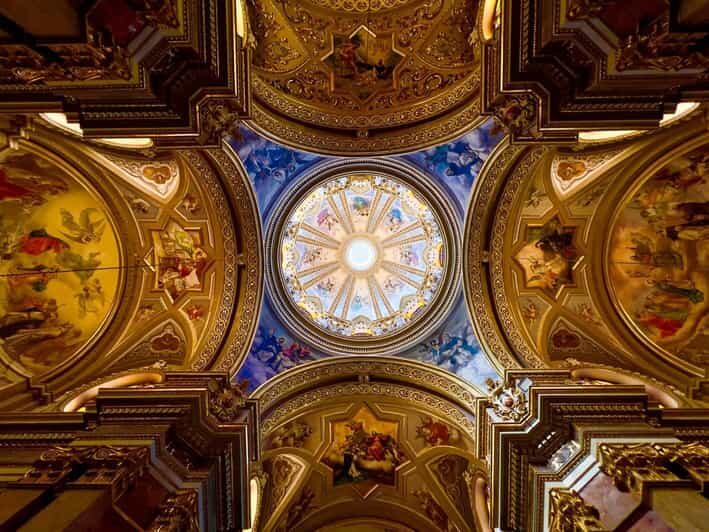
Valletta is great for big viewpoints and grand churches, but the Black Friars experience plays a different game. Instead of aiming for panorama points, it focuses on the Dominican community in Malta and how their presence shaped daily life over centuries. The big draw is access: you’re invited into parts of the story that have been closed off for a long time, and you get to see precious artifacts that most people simply don’t get to view.
What makes this meaningful is the way the experience frames time. It isn’t just a “then and now” museum tour. It’s about how communities endure, reorganize, and influence events through long stretches of conflict and change. If you’re the kind of traveler who likes understanding the why behind a place, this format tends to work well.
And because it’s self-guided, you can keep your tempo. You’re not stuck matching someone else’s pace, and you’re free to linger where the story clicks for you.
You can also read our reviews of more tours and experiences in Valletta.


The route that matters: St Dominic Priory, 44c St Dominic Street, and your 2 hours
Here’s how the visit runs in a practical sense:
- Your starting point is listed as 44c St Dominic Street
- The meeting point is St. Dominic Priory
- The tour is self-guided and takes about 2 hours
That two-hour window is handy. It’s long enough to absorb a focused story, but short enough that you’re not stuck “museum-ing” until your feet complain. It also means you can pair it with other Valletta stops on the same day without turning the schedule into a spreadsheet.
One detail that helps: since starting times depend on availability, don’t assume you can walk in at any hour. Pick a time when you have enough energy to sit through the audio portions without rushing.
Museum access to rare Dominican artifacts: why the doors being closed matters
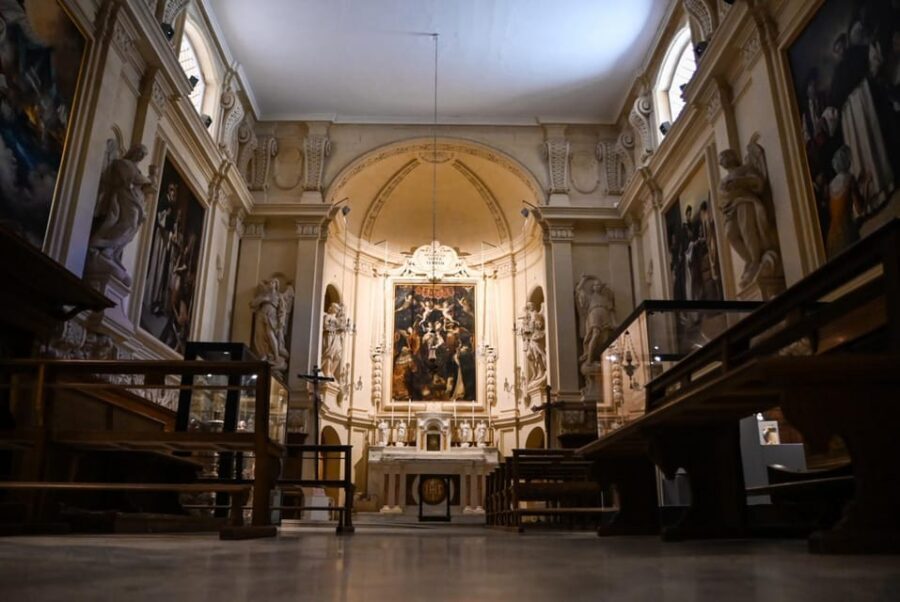
The headline promise is “rare artifacts” and “places closed off for centuries.” That sounds dramatic—and it is—but the real value is what it does to your attention. When a museum is in a typical public space, it’s easy to treat objects like wallpaper. Here, the setting itself supports the story. You’re stepping into a context that feels more protected, more deliberate, and more private than the usual open-air tourist circuit.
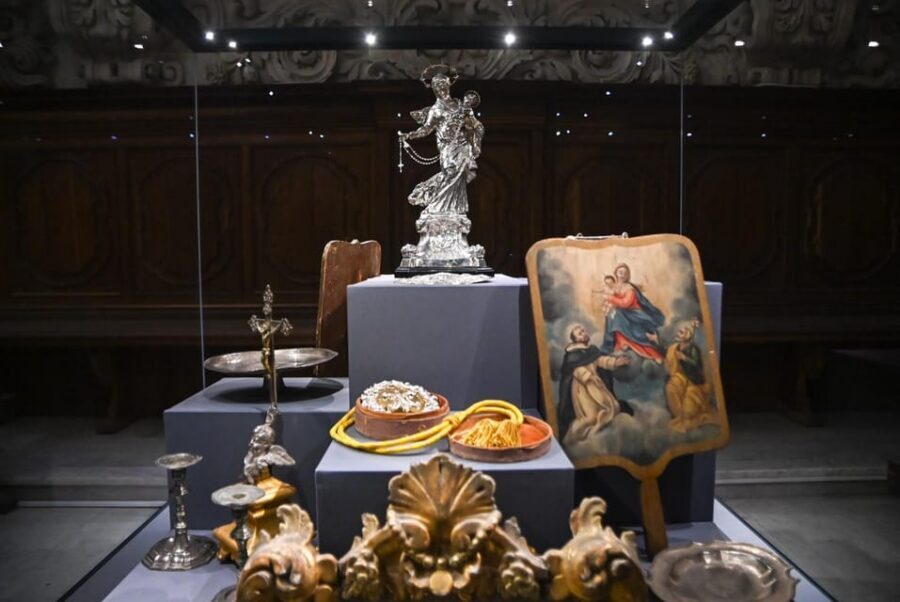
Expect museum access designed around Dominican life in Valletta. You’ll see artifacts, plus displays that explain how different brotherhoods grew within the Dominican Order. The experience also uses interactive displays and story-led elements, so you’re not just passively reading captions.
What I like about this type of access is that it changes your perspective. Valletta’s churches can look like monuments from the outside. Inside, you often get clues about politics, spirituality, art, and community. This tour adds a stronger thread: it connects those clues to the Dominican community as a living force over time.
Small tip: give yourself permission to look more than once. If you catch yourself skimming, slow down. This experience works best when you treat it like a guided story—even though it’s self-led.
Basilica of Saint Dominic: seeing the church as part of the same story
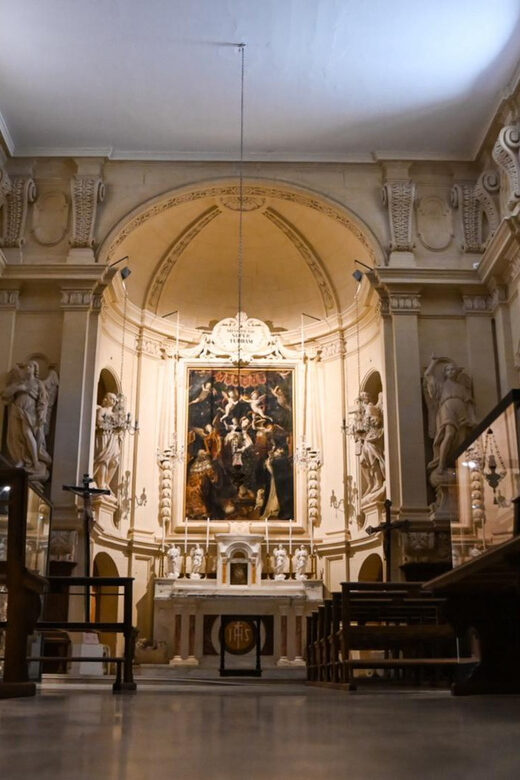
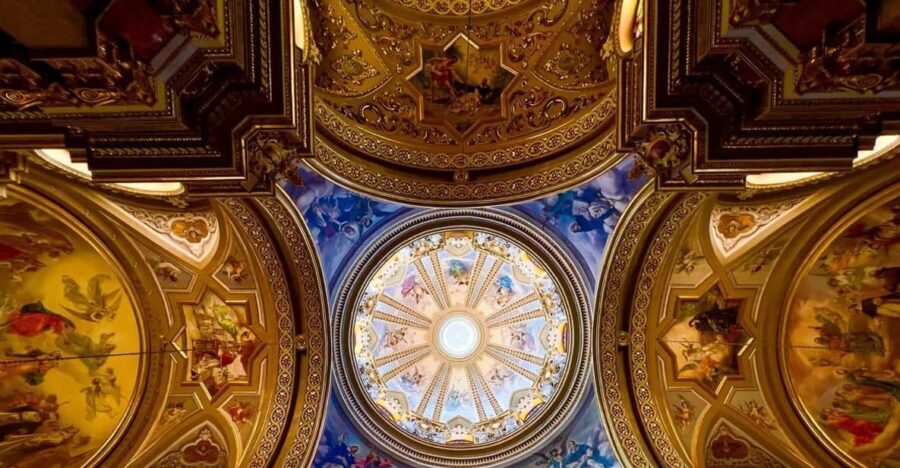
One reason this experience feels more complete than a stand-alone museum visit is that access to the Basilica of Saint Dominic is included. A basilica isn’t just decoration. For the Dominicans, the church would have been tied to daily routines, ceremonies, and the community’s public face.
When you pair the museum story with time inside the basilica, you get better “spatial understanding.” You start to connect the artifacts and display themes to the actual religious setting where the Dominican community operated. Even if you’re not an architecture superfan, that connection helps the whole thing land.
Also, the basilica visit works well for people who worry about self-guided tours feeling dry. A church setting naturally brings your senses into play—light, stone, atmosphere—so your brain has a break from reading and listening.
Audio guide and the opening film: how the experience keeps you oriented
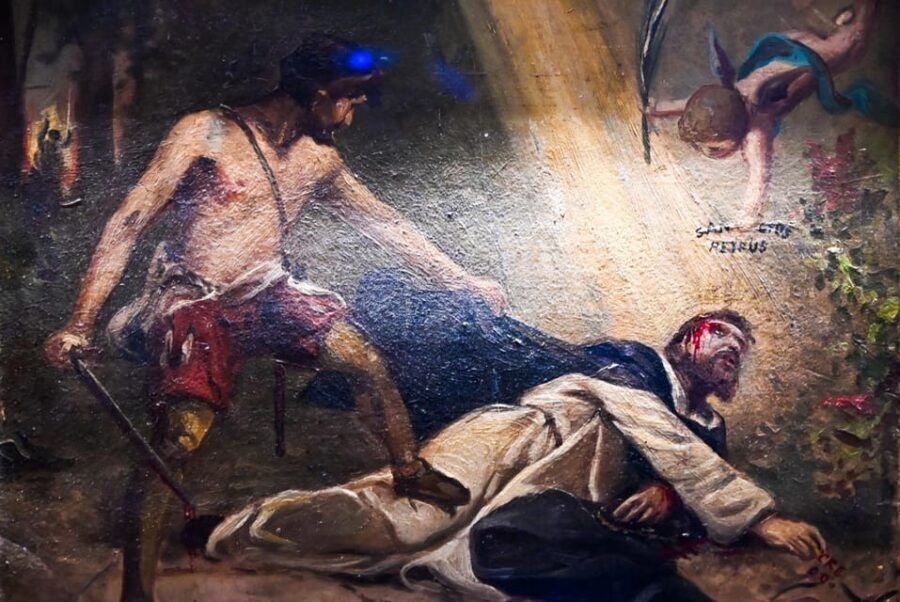
This is a 2-hour self-guided experience with an audio guide included. That means you’ll rely on audio to understand what you’re seeing and why it matters. If you like walking with a soundtrack, you’ll probably be happy here.
One highlight comes through clearly in the feedback: the opening film is praised as excellent. That’s important. The first minutes of a story set expectations, and a strong opening film helps you know what kind of attention the experience wants from you. In practice, it can turn the visit from random objects into a sequence of events and themes.
Now, the watch-out: one review notes that the video and some explanations are only in English. So if you’re traveling with someone who needs another language, or if you’re not fully confident with English, this is the main potential friction point.
Practical way to handle that: if English is comfortable enough for you, you’re set. If not, consider whether you’d rather spend your time elsewhere in Valletta where language support is broader.


Price and value: is $13 worth your time in Valletta?
At $13 per person, the price sits in the “easy yes” category for many travelers—especially because you’re not only getting museum access. You’re also included for the Basilica of Saint Dominic, and you have an audio guide as part of the experience.
Here’s how I judge value for something like this:
- Does it include more than one meaningful stop? Yes—museum plus basilica.
- Do you get guidance, or is it just a brochure? You get an audio guide.
- Is the time commitment reasonable? About 2 hours.
- Does it offer something visitors can’t easily do on their own? The key promise is access to spaces and artifacts that have been closed for a long time.
That combination—paid entry plus story structure plus access—makes the cost feel fair. And because the booking options include reserve now & pay later and free cancellation up to 24 hours in advance, you’re not locked into a rigid plan if your day in Valletta shifts.
Who should book this Black Friars experience (and who may not love it)

This tour fits best if you like history with a human scale. It’s focused on community life—Dominicans in Valletta—and how their brotherhoods developed. If you enjoy religious history, cultural heritage, or just want a calmer, more reflective change of pace from the usual crowds, you’ll likely appreciate the tone.
I also think it’s a good match for:
- People who prefer self-guided visits with an audio guide
- Travelers who want a story that ties museum objects to a working church space
- Anyone who values access to unusual settings, like places that have been closed off for a long time
- Guests who want a wheelchair accessible experience
The biggest mismatch is language needs. Because some media and explanations appear to be English-only, this is less ideal if you need another language to enjoy every part. Also, if you’re the type who expects a live guide to answer questions on the spot, remember this is self-guided.
Practical tips so your 2 hours feel smooth
A few things that help this kind of visit go well:
- Plan your timing: since starting times vary by availability, choose a slot when you’re not rushing to your next reservation.
- Treat it like a story, not a checklist: if you move too fast, you miss the “why” behind the artifacts.
- Listen closely at the start: the opening film is a key setup, so don’t hit pause right away unless you truly need to.
- Wear comfy shoes: Valletta walking adds up, even on a shorter experience.
- If English isn’t your strongest language, decide in advance whether you’re okay with partial comprehension. The audio guide is included, but some video elements may limit language options.
Should you book the Valletta Black Friars Experience?
If you want a quieter, story-driven experience in Valletta—focused on the Dominican community—and you like the idea of seeing rare artifacts in unusual access spaces, then yes, it’s worth booking. The mix of museum access plus the Basilica of Saint Dominic also makes it feel more “whole” than many single-room tours.
If you need strong language support beyond English, or you’re hoping for a fully narrated experience that you can understand in a different language, consider that main limitation before you pay.
For most travelers who like history, meaningful objects, and a self-guided pace, this one is a solid value at $13.