REVIEW · MALTA
Wonderful Valletta, gastronomy, art, and history in the Mediterranean
Book on Viator →Operated by MORTOUR GUIDED TOURS · Bookable on Viator
Valletta is small, but the stories hit hard. This 2-hour walk through Malta’s capital pairs history you can see with food and art stops, all tied to the streets you’ll actually be walking. You’ll move from grand landmarks to narrow alleys, with the Mediterranean’s layered past showing up around every corner.
What I like most is the way the tour builds momentum fast: you get the big eras of Valletta and then land on specific details like Pastizzi and the Caravaggio connection. I also appreciate the small-group feel (it’s capped at 10 people), so the guide can slow down when something catches your interest.
One thing to keep in mind: if you want a strictly documented, food-heavy experience, the mix may not match your style. The plan includes tastings and culture, but it’s still a short walk, so it’s more “try a bite and learn the context” than a full gastronomic tour.
In This Review
- Quick hits before you go
- Valletta works in two hours when you want the full picture
- The walk route: Victoria Gate to St John’s Co-Cathedral
- Centuries in motion: Knights, Napoleon, the British, and more
- Caravaggio’s alleyway story: why the art feels personal
- British echoes you can spot today: red phones and language
- Maltese gastronomy in a bite-sized format: Pastizzi, pizza, and cocktails
- European Capital of Culture 2018: what it changes on your feet
- Price and value at $54.31: what you’re buying
- Who should book, and who should adjust expectations
- Should you book Wonderful Valletta: gastronomy, art, and history in the Mediterranean?
- FAQ
- How long is the Valletta tour?
- Where does the tour start?
- Where does the tour end?
- Is the tour offered in English?
- Do I need a printed ticket?
- What is the group size limit?
- Is good weather required?
- Can I bring a service animal?
- What’s the cancellation policy?
- Is the tour suitable for most people?
Quick hits before you go
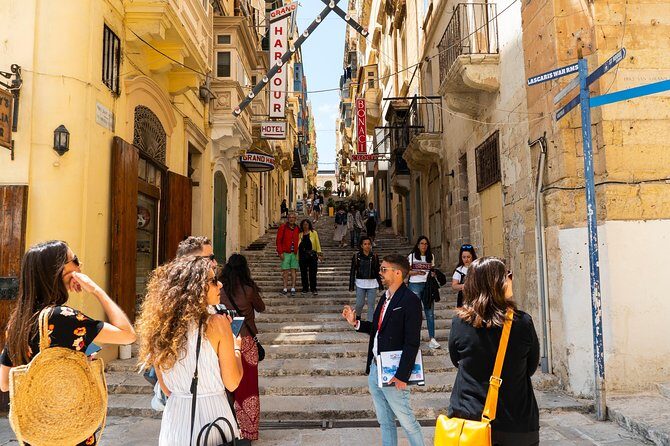
- Compact capital, big stories: Valletta’s tiny size makes it ideal for a 2-hour orientation.
- Pastizzi taste built in: you’ll hit Malta’s best-known savory snack.
- Caravaggio gets a street-level route: alleyway stories are part of the art talk.
- Multiple empires in one neighborhood: Knights, Napoleon, British influence, and more show up in the narrative.
- End point at St John’s Co-Cathedral: you finish right by one of Valletta’s most iconic sights.
- Small group pace: max 10 people helps keep the walk from feeling like a cattle line.
Valletta works in two hours when you want the full picture
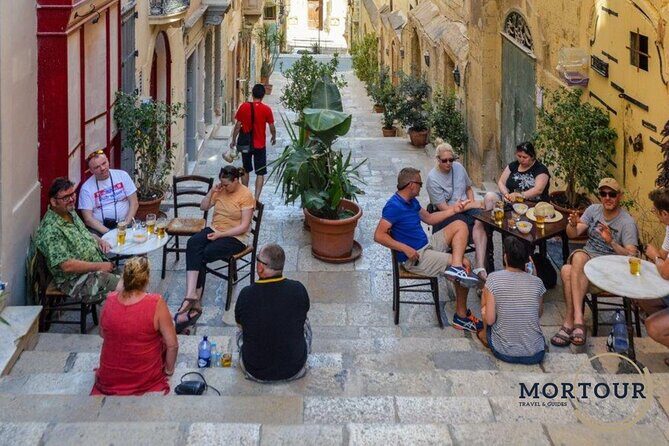
Valletta is the smallest capital in the European Union, with a population that stays under 6,000. That matters, because it turns your time into something useful: you can actually connect the dots between eras without spending your day crossing town.
This tour’s theme is Malta’s Mediterranean layering—Ottoman Empire pressures, the Knights of St John, Napoleon’s ripple effects, British rule, and later darker chapters in European history. You don’t just hear names. You’re guided through the kind of street web where those eras become visible in stone, street shape, and the locations people still gather around today.
There’s also a culture angle tied to Valletta as the European Capital of Culture in 2018. The point isn’t just a badge. It’s a way to read the city: how art, religion, and public life share the same blocks.
If you’re new to Malta, this is a smart way to get your bearings fast. You’ll finish with a mental map that makes the rest of your stay feel easier.
You can also read our reviews of more historical tours in Malta


The walk route: Victoria Gate to St John’s Co-Cathedral
You start at Victoria Gate, near Liesse in Valletta (Victoria Gate address: VGW7+9FV). That’s a practical choice. It’s an obvious “arrival point,” so you spend less time hunting and more time walking.
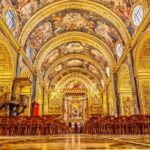
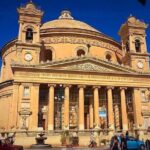
The tour ends at St John’s Co-Cathedral on Triq San Gwann. That finish location is a big deal. It puts you right where you can keep going on your own—especially if you want to linger after the guided portion with a slower pace.
Because it’s about two hours, the route has to be efficient. You’ll cover enough ground to feel like you saw the city’s core, but not so much that you’re exhausted before dinner. Still, Valletta is walking-heavy. Wear shoes you trust on stone streets.
Practical tip: arrive at the meeting point a few minutes early so you’re not rushing when your phone GPS decides to be dramatic. The tour is in English and you’ll get a mobile ticket, so have that ready.
Centuries in motion: Knights, Napoleon, the British, and more
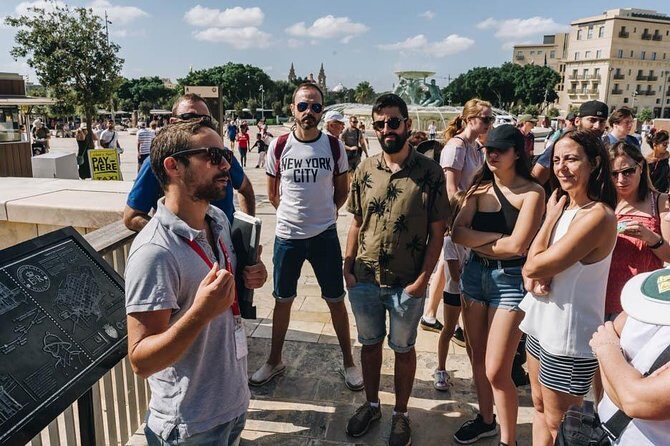
The heart of the experience is how it strings together Valletta’s past like a living story. The city has been coveted and fought over, and the tour explains why. You hear about who held power, who changed the rules, and how each era left its fingerprints.
You’ll also be guided toward historical buildings associated with the start of the 16th century. That’s the sweet spot for many first-time visits in Valletta: it’s old enough to feel authentic, but close enough to the present that the streets don’t feel like a museum hallway.
One of the most useful parts of this kind of tour is the way it helps you interpret what you’re seeing. A landmark stops being a postcard. It becomes evidence of a period—political, religious, and cultural—playing out in real space.
Do note one nuance: a short walking tour can’t separate every fact from every local legend with lab-level precision. If you want history that sticks only to fully sourced dates and claims, go in with a little flexibility. The tour’s stories are meant to feel alive, not sterile.
Caravaggio’s alleyway story: why the art feels personal
A standout element is the Caravaggio connection. You’ll hear how the painter used Valletta’s alleys as a backdrop—an escape narrative tied to the city’s streets where he ran from justice.
This is where the tour style becomes useful even if you’re not a hardcore art history person. Caravaggio stops being a name from a textbook and becomes something you can picture in the city’s physical maze: tight corners, narrow lanes, and that feeling that you could get lost even when you’re technically “on a route.”
The art portion isn’t presented as a museum program. It’s more like an interpretive story you walk alongside. That can be a plus if you like art with atmosphere. It can also feel limited if you were hoping for a deeper, site-by-site breakdown of major artworks.
If art is your main reason for traveling, I’d treat this as your warm-up. Then spend extra time on your own at the big art-and-history sites you find most interesting.
British echoes you can spot today: red phones and language
Valletta’s British past isn’t just trivia. The tour points out small details you can actually see while you’re there. Two specific examples are the red telephone boxes and the fact that English functions alongside other official language choices in Malta.
These details are helpful because they anchor the city in the present. They tell you that Valletta didn’t freeze in time. Layers keep stacking, even in everyday objects and language.
It also makes Valletta feel less like a distant “old place.” You start noticing connections between eras and habits—how rulers influence street life, then how residents adapt.





Maltese gastronomy in a bite-sized format: Pastizzi, pizza, and cocktails
Food is part of the plan, and that matters in a city like Valletta, where culture is tied to daily rhythms as much as to big monuments.
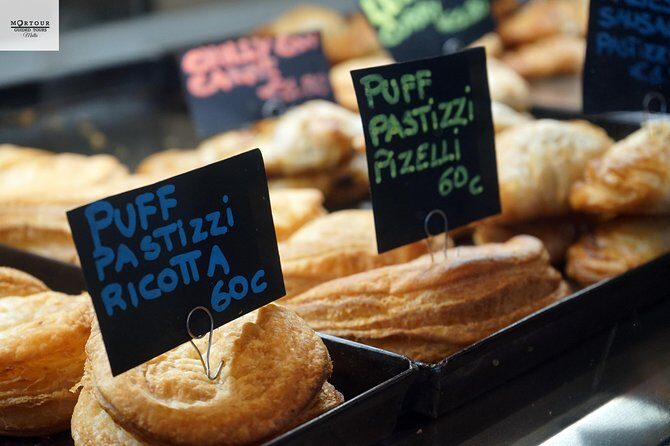
The tour includes a tasting of Pastizzi, Malta’s famous savory pastry—typically filled (often with ricotta or peas). Even if you only get one taste, it’s a strong way to understand what Maltese food culture values: simple ingredients handled with local technique, eaten on the move, and perfect for a walking schedule.
Italian influence is another theme. Malta’s food history has long leaned toward Italian flavors, and the tour connects that influence to what you’ll recognize in the local restaurant world.
After the tasting, you’ll also get guidance on where to eat pizza with your travel companions and where to grab a cocktail—plus a jazz-flavored nod to the kind of glamorous social life that people associate with the dolce vita era.
One honest consideration: since the whole experience is about two hours, this is not a full meal tour. If you’re the type who plans your whole day around eating, you’ll likely want to follow up after the walking portion with a proper sit-down dinner based on the guide’s recommendations.
European Capital of Culture 2018: what it changes on your feet
“European Capital of Culture” can sound abstract until you walk through a city where culture is part of daily life. In Valletta, that idea shows up in how different parts of town feel connected to art, public identity, and historic pride.
This tour uses that framing to help you notice the city as more than just stone and views. You’re encouraged to treat Valletta as a stage where religion, military orders, and modern cultural identity overlap.
Even if you don’t know the 2018 program details, the value is practical: you come away with a stronger sense of why Valletta is treated as a cultural destination year after year.
Price and value at $54.31: what you’re buying
At $54.31 per person for about 2 hours, you’re paying for a guided orientation plus a curated story-and-food route. The big value drivers here are:
- Small group size (max 10 people), which usually means less time standing around.
- English guiding, which helps you actually absorb details instead of scanning plaques.
- A Pastizzi tasting stop, which gives you a food anchor rather than only photo moments.
- Clear start and finish points, so you can plan the rest of your day without stress.
If you’ve got limited time in Valletta, this price can feel reasonable because it saves you the confusion of piecing history together on your own while also budgeting time for snacks and lunch.
If you have a lot of time and you already like exploring independently, you might decide to spend less on a guide and more on site entries. But for most first-timers, a focused 2-hour story walk is a good way to start.
Who should book, and who should adjust expectations
This tour fits best if you:
- Want a first look at Valletta that connects history, art, and food.
- Like walking tours that mix major sites with the everyday street feel.
- Appreciate cultural storytelling that includes local legend as part of the experience (not just dates and dates-only facts).
You might want to adjust expectations if you:
- Want a long, structured art history lesson with deep factual sourcing.
- Expect multiple food stops or a full meal experience. This is short, and the food is more “tasting and recommendations” than a feast.
- Prefer tours that avoid politics and heavy opinion. The city’s layered history can lead into discussions around modern themes, and one person’s “interesting context” can be another person’s distraction.
A good compromise if you’re picky about food: do this tour first, then book dinner immediately after while your appetite and your newfound map are still fresh.
Should you book Wonderful Valletta: gastronomy, art, and history in the Mediterranean?
I’d book it if you want a smart, time-efficient Valletta orientation that gives you something to eat and something to talk about as you keep exploring on your own. The small group cap and the clear, landmark-based start and finish help a lot.
Skip or think twice if you want a deep, strictly academic history session or you’re expecting a long restaurant-style itinerary. In that case, you may still enjoy the Caravaggio alley stories and the Pastizzi taste, but you’ll need a different follow-up plan for food and museum time.
If you do book, show up early, wear good shoes, and go hungry for a second half of the meal afterward. This tour is the spark. Valletta is the whole fire.
FAQ
How long is the Valletta tour?
It lasts about 2 hours.
Where does the tour start?
The meeting point is Victoria Gate (VGW7+9FV) in Valletta.
Where does the tour end?
It ends at St John’s Co-Cathedral on Triq San Gwann in Valletta.
Is the tour offered in English?
Yes, it is offered in English.
Do I need a printed ticket?
No. You use a mobile ticket.
What is the group size limit?
The tour has a maximum group size of 10 people.
Is good weather required?
Yes. The experience requires good weather, and if it’s canceled due to poor weather, you’ll be offered a different date or a full refund.
Can I bring a service animal?
Yes, service animals are allowed.
What’s the cancellation policy?
You can cancel for a full refund up to 24 hours in advance. If you cancel less than 24 hours before the start time, the amount paid won’t be refunded.
Is the tour suitable for most people?
Yes, most travelers can participate.