Valletta rewards slow walking. This 3-hour private tour is a practical way to see the big hitters and still learn what you’re looking at, without getting lost in the maze of streets. I like the pace and the way you get orientation fast, starting near the central meeting point and working through the most important landmarks in UNESCO-listed Valletta.
I also really like the private, customizable format. You get to choose what you care about most, and your guide’s advice goes beyond the monuments—useful for finding what to do next once the tour ends.
One drawback to consider: one recent booking review reports a guide no-show with poor notice. That sounds rare, but it’s a reminder to keep your confirmation details handy and be ready to contact the provider if timing gets weird.
In This Review
- Key highlights at a glance
- Starting at OAKBERRY AÇAÍ: the easiest way to begin in Valletta
- City Gate and the stories you’ll carry all day
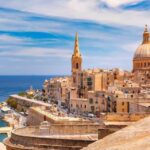
- Upper Barrakka Gardens: when the view does the explaining
- Palazzo Parisio: opulence you can actually stand in front of
- Lower Barrakka Gardens: a calmer Valletta moment
- Auberge d’Italie (now Museum of Fine Arts): why buildings change purpose
- Church of Our Lady of Victory and Malta’s heroic past
- Royal Opera House: seeing culture in plain view
- St John’s Co-Cathedral: the interior is the reason most people come
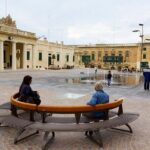
- St George’s Square and the Grand Master’s Palace area: power made visible
- Ending in Lower Barrakka Gardens: letting the day settle
- Price and value: is $65 for a 3-hour private tour fair?
- What you should bring (and what to plan around)
- Who this tour suits best
- Should you book this Valletta Highlights & Tour?
- FAQ
- How long is the Valletta Highlights & Hidden Gems Walking Tour?
- What is the price per person?
- Is this tour private?
- What language is the guide speaking?
- Where does the tour meet?
- Which major sights are included?
- Are food and drinks included?
- Does the tour include transport?
- Is there a way to get refunds if plans change?
- Is the tour wheelchair accessible?
Key highlights at a glance
- Private by design: exclusive tour with an English-speaking guide
- Big landmarks plus nearby stops: City Gate, Barrakka Gardens, St John’s Co-Cathedral, and more
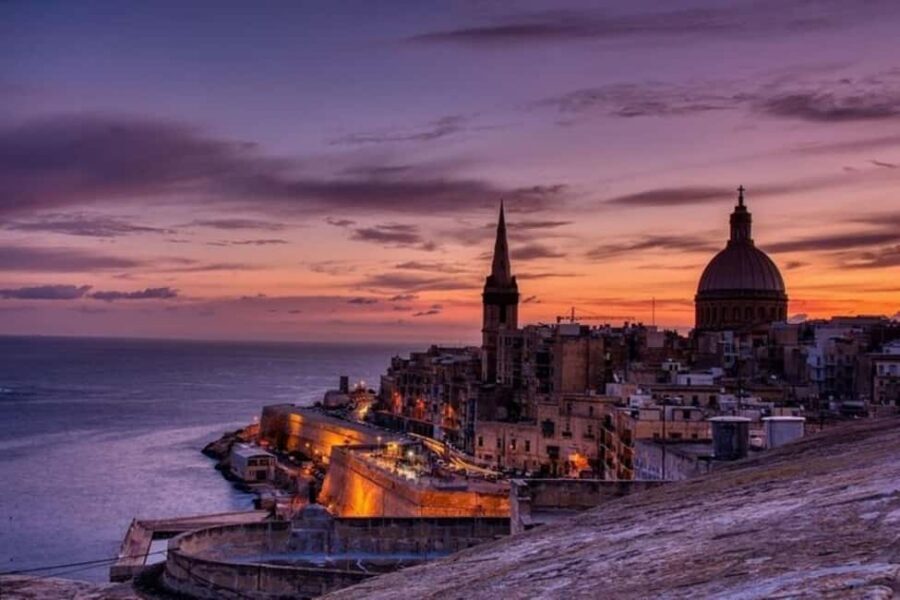
- Panoramas built into the route: Upper Barrakka Gardens for views, Lower Barrakka Gardens for a calm finish
- Real guidance, not just photos: advice on other things to do in Valletta
- Ticket support included: help booking visits to the sites you want to enter
- Mostly walk-friendly: a 3-hour route with some public transport added (included)
Starting at OAKBERRY AÇAÍ: the easiest way to begin in Valletta
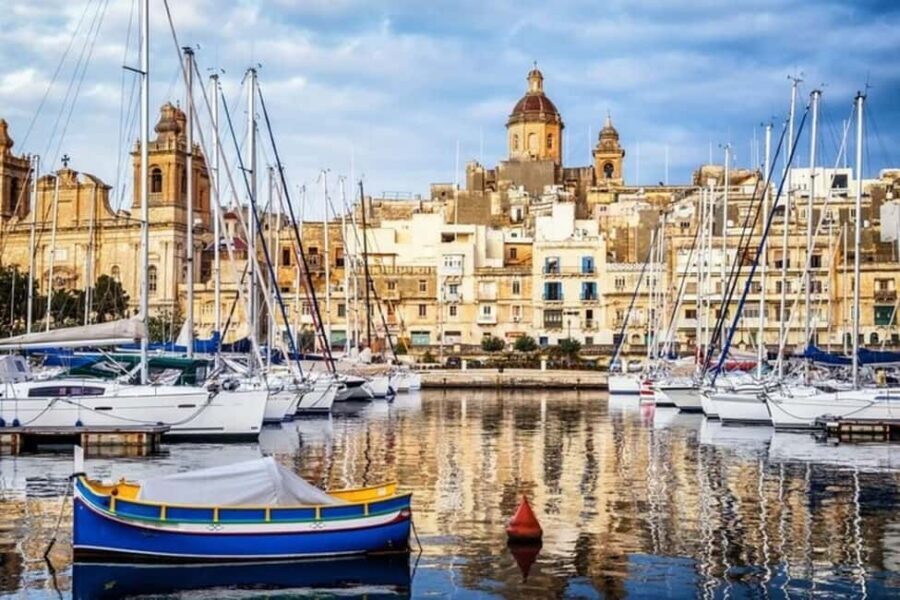
Your tour kicks off at OAKBERRY AÇAÍ – Valletta, a central starting point that makes it easier to get oriented before you start climbing and turning corners. Valletta is compact, but it’s not flat-flat. Having a predictable meet-up spot helps your first 15 minutes feel calm instead of chaotic.
From the start, the aim is clear: you’ll get a guided sweep through the city’s most famous stops and the surrounding streets that connect them. Because it’s private and customizable, you’re not stuck with a one-size-fits-all script. If you’re into architecture, you’ll get more of that. If you care more about churches or palaces, your guide can shape the order and emphasis.
It also helps that the tour is listed as wheelchair accessible. That doesn’t mean every corner will be identical to a flat promenade, but it does signal the provider plans the route with access in mind. If mobility matters for you, I’d still check that the exact walking portions and any steps align with your needs.
You can also read our reviews of more walking tours in Valletta
City Gate and the stories you’ll carry all day
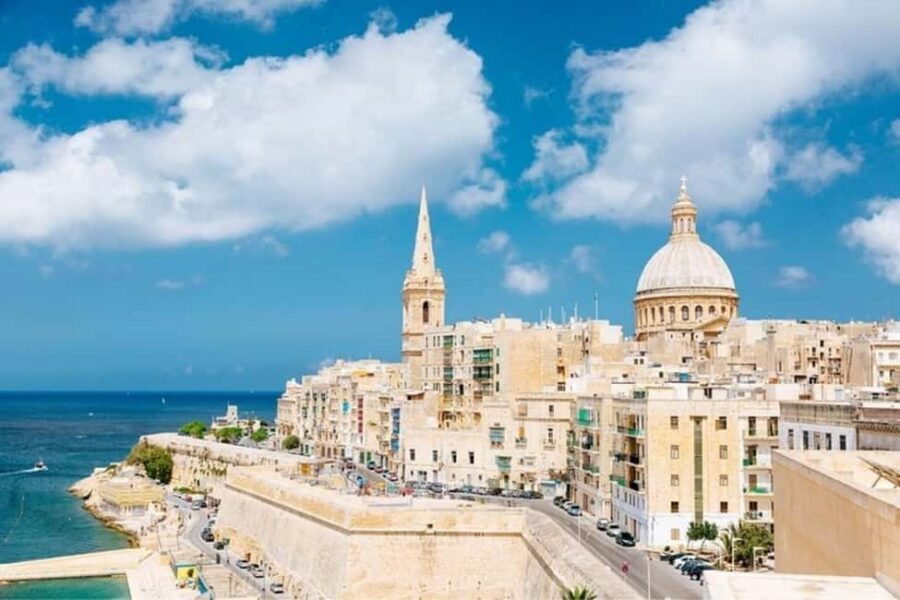
The tour centers Valletta’s identity around Valletta City Gate, the gateway to Malta’s capital. Even if you’ve seen photos, nothing prepares you for how imposing it feels when you’re standing there and the streets funnel inward. Your guide’s job here is more than narration. They help you connect the dots: why this gateway mattered, how the city developed, and what you’re seeing when you look at the fortress-like feel.
This is where the tour’s real value starts. When you understand the point of a place, the photos get better. And when your guide ties landmarks together, you stop treating Valletta like a list and start treating it like a living plan on stone.
You’ll also spend time around key central squares and streets later, but this early orientation is what makes the rest of the walk feel logical. You won’t just see monuments; you’ll know how to read them.
Upper Barrakka Gardens: when the view does the explaining
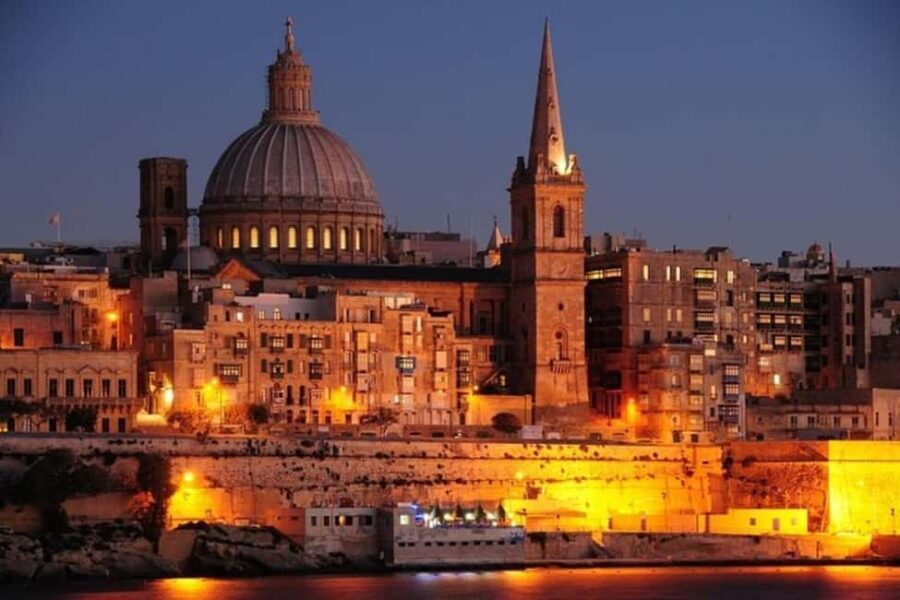
You’ll head to Upper Barrakka Gardens for a photo stop and a guided walkthrough. This is a classic Valletta “look out and reset” moment. The gardens give you a height advantage, and that matters because Valletta’s best surprises are often about perspective.
Expect panoramic views and explanations that help you understand how the city sits and why certain areas got special attention. Even without getting technical, your guide can point out how the harbor and fortifications shape what life looked like here.
Practical tip: this stop is brief in timing, so don’t spend all your time fiddling with camera settings. Take one quick wide shot first, then slow down for the angles that show the most context.
Palazzo Parisio: opulence you can actually stand in front of
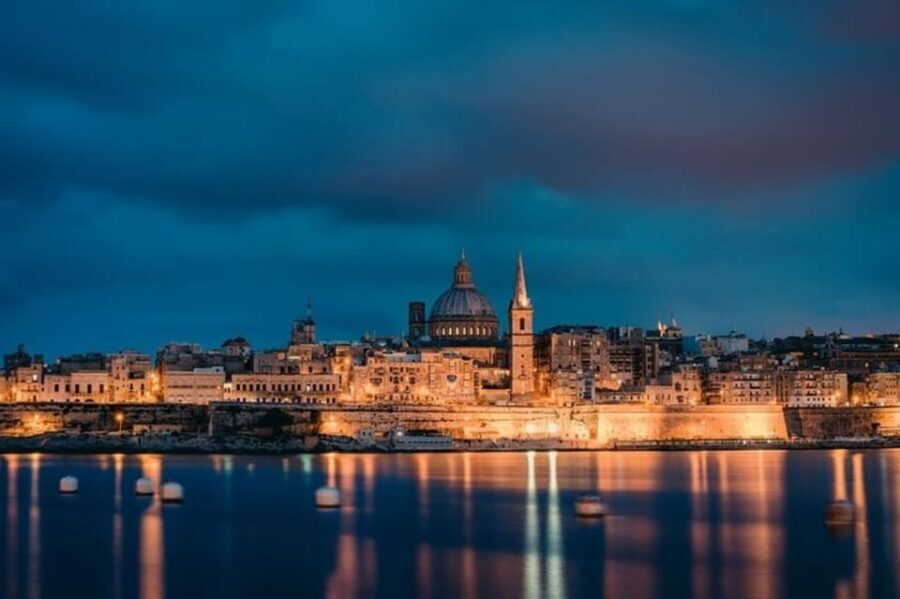
Next up is Palazzo Parisio. Your time here includes a photo stop, a guided visit, and sightseeing time. The big appeal of a stop like this is that it’s not just a facade you pass. You get a chance to see the building as a statement—who built it, how it fits into Valletta’s political and cultural story, and why it became the kind of place people remembered.
If you like architecture, you’ll appreciate how your guide explains details you’d likely miss on your own. And if you’re more of a “tell me why this matters” traveler, the palace context usually clicks quickly.
One small consideration: palaces and public historic buildings often have uneven flooring and tight spaces. That’s manageable for most people, but if you need extra room for mobility or pacing, plan for slower movement here.
Lower Barrakka Gardens: a calmer Valletta moment
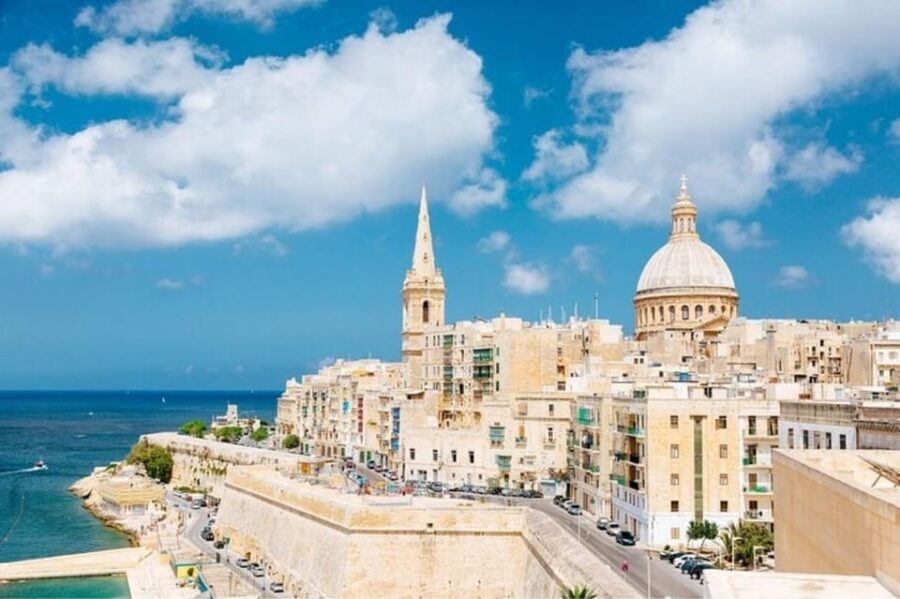
You’ll also visit Lower Barrakka Gardens, again with guided time and photo opportunities. This is a different mood than Upper Barrakka. Same “look outward” idea, but with a more relaxed feel. It’s a strong contrast point in the itinerary: it keeps the walking tour from becoming nonstop monument viewing.
I like using a garden stop mid-tour because it gives your brain a break. You can look away from stonework and just absorb the setting for a minute. After that, the churches and palaces feel more meaningful rather than exhausting.


Auberge d’Italie (now Museum of Fine Arts): why buildings change purpose
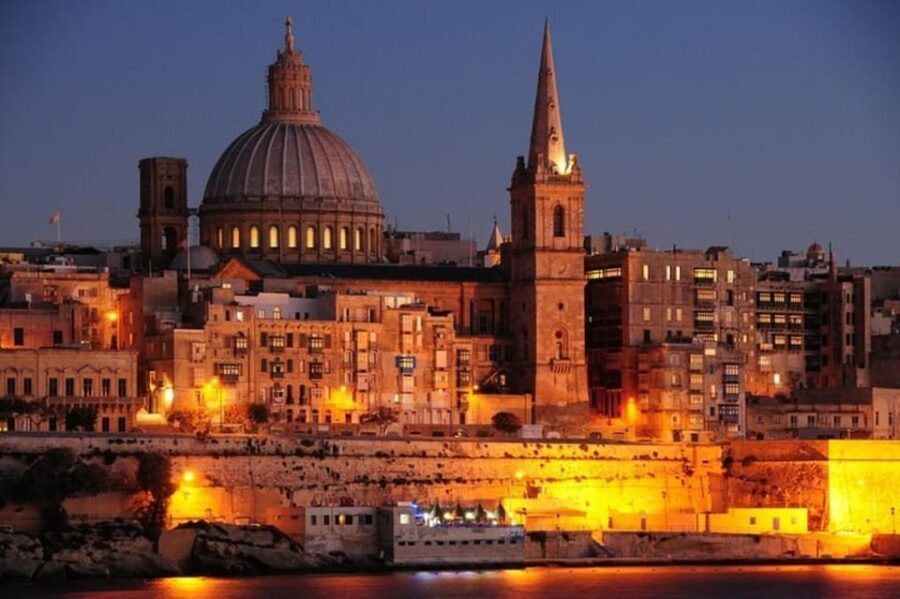
A key stop is Auberge d’Italie, now housing the Museum of Fine Arts. Here you’re not just looking at a historic structure—you’re seeing how the city reuses space. That shift from original purpose to museum function is one of Valletta’s most practical lessons: heritage doesn’t have to freeze in time.
Your guide will help you understand what this building represents and why it mattered in its earlier life. Then, once you’re inside the museum, you’ll be able to connect the art to the place. Even if museums aren’t your main interest, this stop tends to work because the architecture and the setting do some of the storytelling.
If you want the most out of this part, pace yourself. Museums can expand endlessly. In a short tour, you’re better off focusing on what catches your attention and letting the guide’s context point you toward the most worth-seeing moments.
Church of Our Lady of Victory and Malta’s heroic past
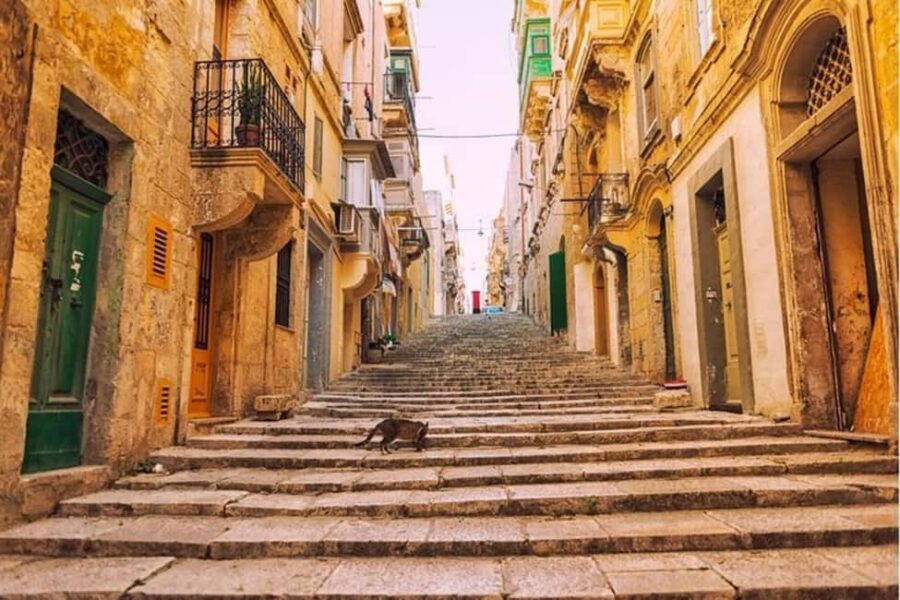
You’ll go to the Church of Our Lady of Victory, with time for photos, guided commentary, and sightseeing. This is connected to Pjazza Teatru Rjal, where the guide unpacks tales tied to Our Lady of Victory and Malta’s heroic past.
I like church stops on walking tours when the guide explains the symbolism and the local meaning, not just the building’s surface. That’s the angle here. If you’re curious about how faith, identity, and history blend in Malta, this is one of the stops that usually lands well.
Practical note: churches can have different visiting rhythms depending on the day. If you care about interior viewing, prioritize keeping good time so you don’t feel rushed when you arrive.
Royal Opera House: seeing culture in plain view
You’ll also encounter the Royal Opera House during the route. The tour includes time for photo stop and guided sightseeing here.
This is a nice mid-route change of pace. By the time you reach the opera house, you’ve already learned how Valletta’s identity was shaped by defense and governance. Now you see the cultural side—art and public life in a city that also had to be tough.
If you’re an arts person, ask your guide what they recommend for performances or what’s worth checking out when you’re there. One of the standout benefits of this tour is the amount of practical advice your guide shares for other things to do in Valletta after you finish.
St John’s Co-Cathedral: the interior is the reason most people come
The itinerary includes time at St. John’s Co-Cathedral, with photo time, a guided visit, and sightseeing. This is one of Valletta’s signature experiences, and your guide’s role is to help you understand what you’re looking at once you’re inside.
Cathedral interiors can be visually intense. If you’re wandering alone, it’s easy to lose track of what matters. On this tour, you’ll get context—what the co-cathedral represents and why it’s such a big part of the city’s story.
If you want to get the most out of this stop, take a slow first pass. Then, when the guide points something out, you’ll be able to look at it with better focus instead of just snapping photos and moving on.
St George’s Square and the Grand Master’s Palace area: power made visible
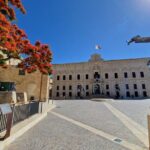
From St. George’s Square, the tour guides you through the setting that connects to the Grand Master’s Palace. You’ll have guided time and photo opportunities here, plus sightseeing that helps connect the square’s role to the palace’s importance.
This is where Valletta stops feeling like scattered landmarks and starts feeling like a planned center. Squares and palaces aren’t random. They’re built to show authority and shape how people moved through civic life.
If you like big, readable “this is where decisions were made” moments, this segment is for you. And even if you’re less into politics, the guide can make it make sense quickly.
Ending in Lower Barrakka Gardens: letting the day settle
The tour wraps with Lower Barrakka Gardens, described as a tranquil place to reflect on what you’ve seen. This ending works well because you get a final scenic moment after a day of cathedrals, palaces, and fortified symbolism.
It also helps you transition from “tour mode” to “independent exploring mode.” By this point, you’ll have mental landmarks (City Gate, Barrakka views, co-cathedral area) that make it easier to navigate on your own.
And because the tour includes time for your guide’s advice on other activities, you’ll likely leave with a short list you actually want to follow—rather than random souvenirs and aimless wandering.
Price and value: is $65 for a 3-hour private tour fair?
At $65 per person for a 3-hour private walking tour, the value mostly comes from three things you can’t easily replicate alone:
1) Private guide time that can be adjusted to what you care about
2) Guided entry support and help booking tickets for the visits you want
3) Local advice that helps you spend the rest of your day better
If you’re traveling with family, you may already know how much you can gain from a guide who can handle logistics, timing, and explanations. If you’re solo, the price feels more “reasonable for quality” when you compare it to the cost of museum tickets plus the time you save by not trying to figure out the city’s meaning by yourself.
That said, the overall review rating is 3.1 out of 5 based on five reviews, and there is at least one serious complaint about a guide no-show. I’d treat that as a caution flag: not proof the tour is unreliable, but enough reason to be alert and proactive on your travel day.
What you should bring (and what to plan around)
Food and drink are not included, so plan for water. Valletta’s streets can be steep in spots, and you’ll want a steady pace without getting stuck searching for a café mid-tour.
Also, wear shoes you can trust. This isn’t a museum-on-a-bus experience. You’ll be moving between major stops, and the charm of Valletta is partly in the walking between them.
Because your itinerary includes multiple photo stops, you’ll be on and off viewpoints and landmarks. That’s great for variety, but you’ll get more out of it if you keep your schedule flexible and don’t try to pack another timed activity right before or right after.
Who this tour suits best
This is a strong fit if you want:
- a private Valletta walking tour that reduces decision fatigue
- the major sites (City Gate, Barrakka Gardens, St John’s Co-Cathedral) without rushing
- a guide who can steer you toward what to do next in town
- a route that includes public transport as needed (not all foot-only)
It may be less ideal if you hate walking, dislike churches and historic interiors, or you’re extremely schedule-tight and can’t tolerate any hiccups. Since one review mentions a guide no-show, give yourself a little buffer and confirm your day before you rely on it as your one big plan.
Should you book this Valletta Highlights & Tour?
I’d book it if you want a 3-hour private guide-led route that makes Valletta make sense fast, with standout viewpoints and the key landmarks grouped in a way that feels efficient. The biggest upside is the combination of famous sights plus guidance that helps you explore afterward.
Before you commit, do two simple things:
- keep the provider contact info handy for the day of the tour
- plan your schedule so you’re not trapped if anything changes unexpectedly
If you do those, the tour’s format—private, customizable, and focused on the places that shape Valletta’s identity—can be a smart way to get more out of your time in Malta.
FAQ
How long is the Valletta Highlights & Hidden Gems Walking Tour?
The tour lasts 3 hours.
What is the price per person?
It costs $65 per person.
Is this tour private?
Yes. It’s described as private and exclusive, with no one else in your group.
What language is the guide speaking?
The tour includes an English-speaking guide.
Where does the tour meet?
The meeting point is OAKBERRY AÇAÍ – Valletta.
Which major sights are included?
You’ll include stops such as Upper Barrakka Gardens, Palazzo Parisio, Lower Barrakka Gardens, Auberge d’Italie (Museum of Fine Arts), Church of Our Lady of Victory, Royal Opera House, Valletta City Gate, St. John’s Co-Cathedral, and St. George’s Square (with the Grand Master’s Palace area included in the tour description).
Are food and drinks included?
No. Drink or food is not included.
Does the tour include transport?
Yes. It includes a walking tour and public transport (except if you select one of the options).
Is there a way to get refunds if plans change?
The tour offers free cancellation up to 24 hours in advance for a full refund.
Is the tour wheelchair accessible?
Yes. It is listed as wheelchair accessible.