REVIEW · MALTA
Valletta: Vintage Bus to Valletta, Sliema, Rabat & Mdina
Book on GetYourGuide →Operated by Cab Transfer malta · Bookable on GetYourGuide
Old buses make Malta feel like a time machine. This experience uses a restored, roughly seventy-year-old vintage bus to connect Malta’s top neighborhoods, so the ride itself feels like part of the sightseeing. You’ll get a hop-on hop-off style day ticket, letting you move at your pace through Valletta, Sliema, Mdina, and Rabat.
My favorite parts are the flexibility and the simple, easy logistics. You’re not stuck in one guided format—you can linger where you want, then catch the next departure. The main drawback to know up front: there’s no real tour commentary, so you should come ready to explore on your own (and read stop signs or quick guides).
In This Review
- Key things to know before you ride
- A restored vintage bus that turns transit into a feature
- Price and value: about $9 for a self-guided Malta sampler
- Where to catch the vintage bus in Valletta and Sliema
- Wednesday and Friday: the Valletta–Sliema–Rabat–Mdina loop
- How to actually use the timetable
- Sunday changes: Valletta to Marsaxlokk instead of Mdina/Rabat
- Valletta: start here, then build a day around your walking pace
- What’s great about Valletta with this bus
- The drawback to watch
- Sliema and St. Julian’s: an easy launch point with seaside energy
- Why Sliema works for this day
- Mdina: the calm, the views, and the “walk until it feels right” vibe
- A practical timing tip
- Rabat: pairing well with Mdina for a fuller old-city day
- The best way I’d plan it
- The no-guide setup: what it means for your day
- Comfort, windows, and the old-bus reality check
- Getting a seat without stress (especially on the turn-around)
- Who should book this vintage bus day pass
- Should you book it?
- FAQ
- What does the vintage bus cover?
- Where is the meeting point in Valletta?
- Where do I catch it in Sliema?
- How long is the experience?
- Is there a guided tour or commentary?
- Are entry tickets included?
- How do the departures work on Wednesday and Friday?
- What’s different about Sunday?
- Is cancellation available?
Key things to know before you ride
- A full-day pass with fixed departures means you can plan your own order, but you still need to watch the times
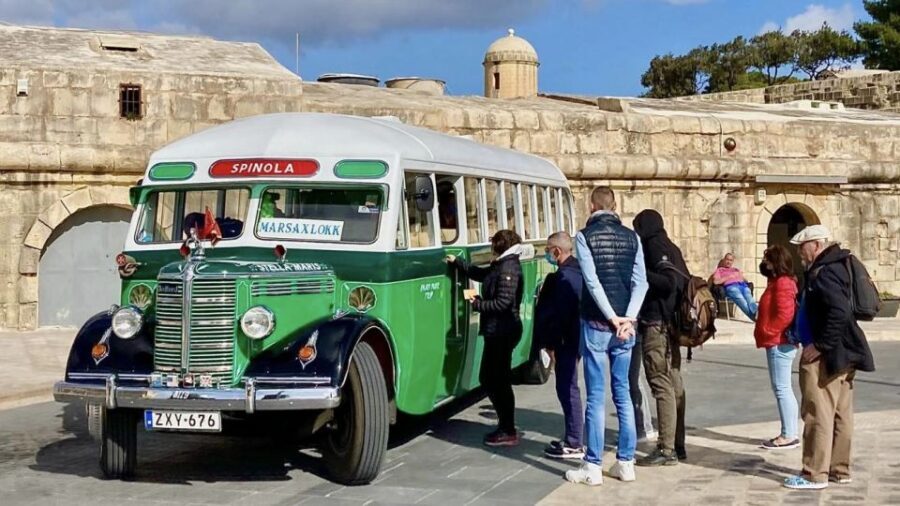
- Restored vintage buses get attention (expect a bit of street-side gawking at photos stops)
- Mdina and Rabat are close together—this is a smart way to “stack” old-city sights
- No guided narration shifts the day into self-guided wandering
- Comfort is practical, not luxury: windows can help, but it’s still an old bus experience
A restored vintage bus that turns transit into a feature
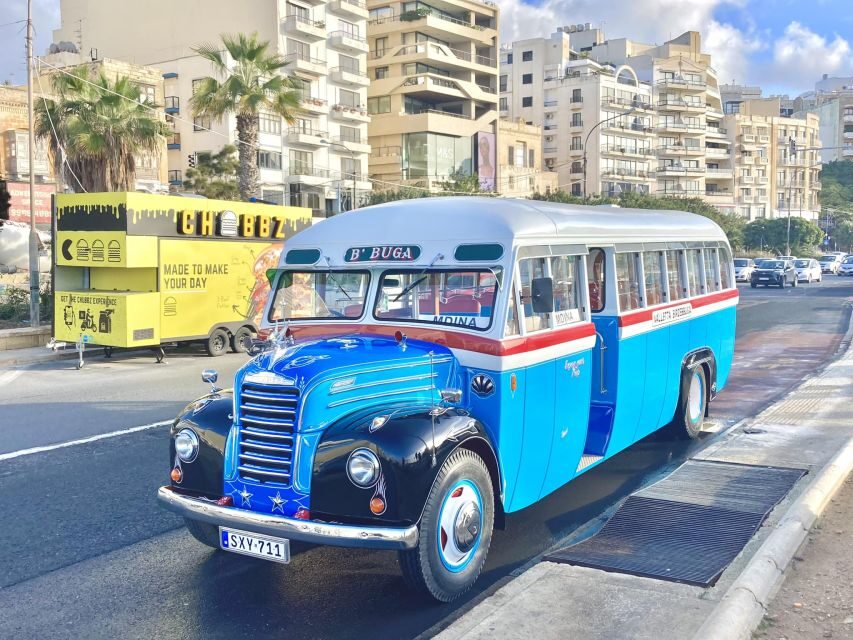
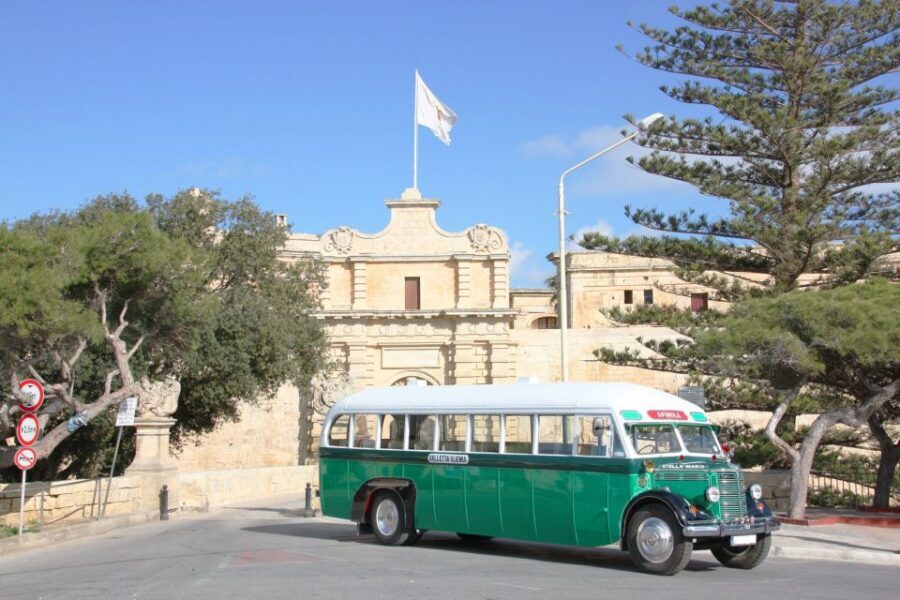
I like tours that feel useful, not forced. This one scores because it treats the ride like the attraction. The bus is a classic vehicle—many are described as around seventy years old and refurbished—so you’re not just getting from A to B. You’re traveling in a moving slice of Malta’s past.
You’ll also feel the design logic. Malta is easiest when you don’t overthink each leg. With a day ticket and regular departures, you can pick your pace instead of chasing a strict group schedule. That’s a big deal in cities like Valletta and Mdina, where you may want extra time for viewpoints, side streets, and short breaks.
You can also read our reviews of more tours and experiences in Malta.



Price and value: about $9 for a self-guided Malta sampler
This day ticket is listed at $9 per person, which is what makes it hard to ignore. Even if you only use it for the “big two” (Mdina and Rabat), you’re still getting access to multiple departures instead of one-off transportation.
What you’re really paying for is time-saving plus convenience:
- You avoid the stress of figuring out connections for each city hop
- You get to choose when to go deeper (and when to step back)
- You’re not buying separate guided tours and timed tickets
Important note: you’re not paying for entry fees or a guide. That keeps the cost low, but it also means your day depends on how comfortable you are exploring without a lecture.
Where to catch the vintage bus in Valletta and Sliema
The main meeting point is near the Tourist Information Office by the Triton fountain in Valletta. That’s where you’ll see the bus route anchor, especially for the Wednesday and Friday schedule.
If you’re starting in Sliema, head to the pickup near Sliema Ferries (outside the M&S store). On the same route, the bus should also come by St. Julian’s about ten minutes after Sliema, depending on traffic. That timing detail matters because it affects when you’ll be in place for the next leg.
Also keep in mind: pickup can be optional. The driver may pick you up from the provided pickup addresses, but the key “safe” reference point is the Triton fountain area and the Sliema Ferries stop.
Wednesday and Friday: the Valletta–Sliema–Rabat–Mdina loop
On Wednesday and Friday, the day runs as a loop with hop-on hop-off style departures. The idea is simple: you can step off, explore the city, then re-board for the next segment when you’re ready.
From Valletta (next to the Tourist Information Office by the Tritons Fountain), the departures are:
- 09:00
- 11:00
- 12:50
- 14:50
From Sliema Ferries (outside the M&S store), departures are:
- 09:20
- 11:15
- 13:05
- 15:05
The bus arrives around St. Julian’s roughly ten minutes after Sliema, depending on traffic.
Mdina/Rabat departures are listed as:
- 10:00
- 12:25
- 14:25
- 16:25
How to actually use the timetable
I’d treat the timetable like the skeleton of your day. It won’t tell you what to see, but it will tell you what’s possible without rushing.
If Mdina is your priority (and it usually is), plan to land there with enough time to walk the quieter lanes. Mdina is different from the coast-side cities: it rewards wandering slowly, not checking off the top photo angles and sprinting onward.




Sunday changes: Valletta to Marsaxlokk instead of Mdina/Rabat
On Sunday, the schedule follows a different out-and-back pattern, swapping in Marsaxlokk. If you’re planning a Mdina/Rabat day specifically, Sunday may not match your expectations based on these departures.
The bus departs Valletta:
- 09:30
- 10:40
- 12:20
- 13:20
It returns from Marsaxlokk:
- 09:55
- 11:10
- 12:50
- 13:50
This is a good heads-up if your itinerary is already tight. Sunday can be a lovely Malta market-and-harbor day—just make sure you’re booking the right route for what you want most.
Valletta: start here, then build a day around your walking pace
Valletta is compact and steep in spots, so it’s a great place for a hop-on bus plan. The bus meeting point near the Triton fountain is central, and it’s also an easy place to reset your plans.
A practical way to approach your Valletta time is to think in “micro-windows.” Use the bus departures to create short blocks:
- One block for landmark streets and city views
- One block for side alleys and slower wandering
- One block for a coffee break before you move on
What’s great about Valletta with this bus
The best benefit isn’t just convenience. It’s that you can decide what kind of Valletta day you want. If you want short photo stops and quick landmark peeks, you can do that. If you want to linger for longer views and quieter streets, you can also do that.
The drawback to watch
Your return options depend on which departure you catch. If you get absorbed and lose track of time, you could end up waiting longer than you hoped between cities. So if you have a dinner reservation later in the evening, I’d keep the last bus window in mind.
Sliema and St. Julian’s: an easy launch point with seaside energy
Sliema often feels like the transit-friendly side of Malta—busy, walkable, and full of places to refuel. The bus pickup near Sliema Ferries is an advantage because it puts you right where arrival logistics already make sense.
The bus also comes by St. Julian’s about ten minutes after Sliema (depending on traffic). That helps if you’re staying there or want a slightly different starting location.
Why Sliema works for this day
This route design is smart: you get a practical base, then you move to cities that are better for slow wandering. Sliema is where you can grab water, a snack, or a quick sit before you head into Mdina’s quiet stone lanes.
Mdina: the calm, the views, and the “walk until it feels right” vibe
Mdina is Malta’s old-city experience in a concentrated form. It’s often described as the island’s capital from antiquity through the medieval period, and the feel is exactly what you’d expect: stone, height, and atmosphere.
This is where the self-guided format helps most. With no commentary pushing you along, you can set your own rhythm. Spend time on the walls for the bigger viewpoints, then turn inward for the narrow streets where the city slows down.
A practical timing tip
Don’t schedule your Mdina walk like you’re rushing a checklist. Build in time for stops. Many people love Mdina because it’s scenic without being hectic.
Also, remember the last Mdina/Rabat departures are later in the afternoon—so if you arrive and immediately feel like you need more time, you’ll have the option to catch the next loop rather than feeling forced to leave instantly.
Rabat: pairing well with Mdina for a fuller old-city day
Rabat is the sibling city that makes Mdina feel even more rewarding. It’s close enough that the bus route logic works well: you don’t spend your day in transit. Instead, you stack historical neighborhoods in a single block.
The advantage here is choice. If you want to stay in Mdina longer, you can. If you’d rather shift to Rabat for a slightly different pace, you can do that too.
The best way I’d plan it
Think of Mdina as the “high” and Rabat as the “ground.” When you hop off, decide what mood you’re in:
- Want wide views and quiet? Stay with Mdina
- Want to explore more streets without feeling as exposed? Shift to Rabat
The no-guide setup: what it means for your day
This experience is essentially transportation with smart stops. There’s no guided tour. A friendly driver handles the driving and help, but the history lecture is not part of the deal.
That’s great if you enjoy self-guided exploring. It also keeps the day flexible and less exhausting.
If you want narration and explanations tied to specific sights, you’ll need a backup plan—like using a phone guide, an audio app, or a pocket map before you start. Otherwise, you might feel like you’re just getting a bus ride between cities, even though the route is genuinely efficient.
Comfort, windows, and the old-bus reality check
This is a vintage bus, so treat it like an experience, not a modern coach. One theme that comes up in the ride experience: the roads can be bumpy, and you’ll feel the classic suspension more than you’d expect.
The good news: windows can help a lot. Front seats can have windows that open, and people note that this keeps things more comfortable in warm weather. The large windows also give you easy viewing while you’re moving between cities.
Safety note: one review points out there are no seatbelts. That doesn’t mean the ride is unsafe by default, but it is worth knowing before you board—especially if you’re traveling with kids or prefer modern safety features.
And yes, timing can vary. It’s not a high-speed rail system. Expect small delays based on traffic and day-of conditions, then plan your walk time accordingly.
Getting a seat without stress (especially on the turn-around)
You’re on Malta time, but you can still reduce stress. One practical point: during return/turn-around, the bus may stop in a spot where people cross to reach seats. It can get a little chaotic, because everyone wants the best spot quickly.
My advice is simple: once you see the bus stopping, move with purpose but don’t sprint in a dangerous way. If you’re traveling with someone who needs extra time, agree on what “meeting back at the bus” looks like before you go exploring.
Who should book this vintage bus day pass
I’d book it if you match one (or more) of these profiles:
- You want Mdina and Rabat but don’t want the hassle of figuring out every connection
- You like a self-guided day with freedom to linger
- You enjoy quirky transport and don’t need formal commentary
- You’re traveling solo, as a couple, or in a small group and want flexibility
It’s also a decent fit if you’re mixing your day with other activities. Just be strict about your timetable windows so you don’t cut your exploring short.
If you want deep, organized history explanations with a live guide, this isn’t that. You’ll be happiest if you can supply your own context while you walk.
Should you book it?
I say yes if your goal is an efficient, low-stress way to cover Malta’s most important old-city stops—especially Mdina and Rabat—while riding in a genuinely cool vintage vehicle. The price is strong for what you get, and the hop-on setup makes it feel like your day, not someone else’s script.
Hold off if you’re expecting a narrated tour with history delivered stop by stop. This is transport with timed access to cities, not a guided lecture. If that’s what you want, you’ll want a different kind of tour.
FAQ
What does the vintage bus cover?
The route covers Valletta, Sliema, Mdina, and Rabat on a circular route (and on Sundays it runs Valletta to Marsaxlokk instead).
Where is the meeting point in Valletta?
It’s near the Tourist Information Office by the Triton fountain in Valletta.
Where do I catch it in Sliema?
The pickup is from Sliema Ferries outside the M&S store.
How long is the experience?
It’s listed as 1 day.
Is there a guided tour or commentary?
No. It’s not a guided tour, so you explore on your own without guided narration.
Are entry tickets included?
No. Entry tickets are not included.
How do the departures work on Wednesday and Friday?
Buses depart at set times from Valletta and Sliema, and there are also listed departure times for the Mdina/Rabat segment. You can hop on and off at included locations along the route.
What’s different about Sunday?
Sunday has a different route: the bus departs Valletta for Marsaxlokk and returns from Marsaxlokk with the listed departure times.
Is cancellation available?
Yes. Free cancellation is available up to 24 hours in advance for a full refund.