REVIEW · MALTA
The Traditional Harbour Cruise
Book on Viator →Operated by Supreme Travel Ltd · Bookable on Viator
Malta’s harbors tell the story fast. This Traditional Harbour Cruise gives you a water-level view of Valletta and the Three Cities, with onboard commentary that traces key moments all the way back to 1565. You’ll spot forts, battlements, and the creeks and dockyards that shaped the coastline—then you’ll get enough time to park on a side of the boat and take photos.
Two things I really like: the live onboard commentary in English, and the simple fact that you’re seeing Malta from the sea, not from the usual viewpoints. One potential drawback is that the experience depends on smooth logistics—especially if you’re relying on hotel pickup or you’re trying to catch the exact departure time—so I’d build in extra time at the start.
In This Review
- Key Things To Know Before You Go
- Valletta And The Three Cities: Why This Cruise Works
- Where You Start In Sliema (And How Not To Lose Time)
- The Real Itinerary: What You See As The Boat Passes Each Area
- The first harbor views: start with the big picture
- Forts and battlements: how Malta defended itself
- Ten creeks from the sea: small gaps with big meaning
- Dockyards and marinas: what the waterfront looks like today
- Timing And The Length Of The Cruise: Plan With Buffer
- Onboard Comfort: Hearing The Guide, Using The Facilities, Buying Snacks
- Value For $24.10: What You’re Really Paying For
- Who Should Book This Cruise (And Who Might Skip It)
- The Most Praised Parts: What You Should Expect To Feel
- Should You Book This Traditional Harbour Cruise?
- FAQ
- How long is the Traditional Harbour Cruise?
- Where does the cruise start and end?
- Is the onboard commentary available in English?
- What is included in the ticket price?
- Are food and drinks included?
- Do I need good weather for the cruise?
Key Things To Know Before You Go
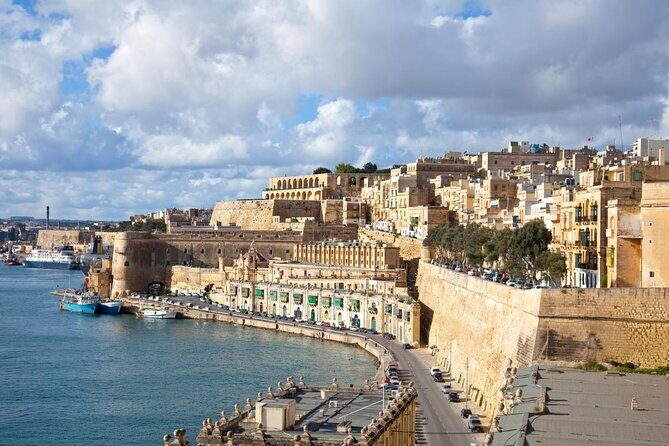
- Valletta + the Three Cities from the water: You’ll get an overview that’s hard to replicate from shore.
- Live English commentary: It’s built to explain what you’re seeing as the boat passes key sites.
- Photo-friendly pacing: Plan to keep your camera ready for fort walls, dock areas, and waterfront angles.
- Bar and toilet onboard: Comfort is handled—plus you can buy light refreshments during the ride.
- Multiple departures daily: More chances to match the cruise to your day plan.
- Small-ish group size: Up to 70 travelers, so the boat stays manageable.
Valletta And The Three Cities: Why This Cruise Works
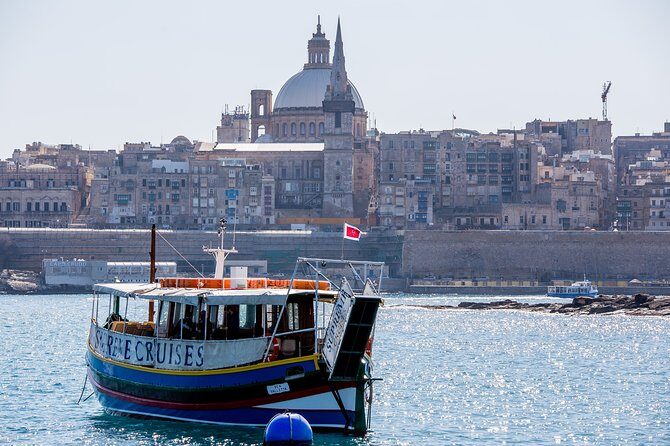
There’s a reason people love Malta’s harbors. From the water, you don’t just see pretty buildings—you see defense lines, shipping routes, and how the coast was used. This cruise is built for exactly that: a quick, guided overview of how Valletta and the Three Cities grew, what they protected, and what still happens along the waterfront today.
I like that the commentary is tied to visible landmarks. The boat doesn’t just wander. You’re passing locations that help explain Malta’s strategic role, including forts and battlements. And you’re watching active areas too—marinas and dockyards that show the island is still working.
This is also a smart “first Malta harbor tour.” If you’re trying to understand the geography without spending hours inside museums, a harbor cruise is efficient. In about an hour and a half, you can get your bearings and then explore on land with better context.
You can also read our reviews of more boat tours in Malta
Where You Start In Sliema (And How Not To Lose Time)
Your meeting point is Sliema Ferries in Sliema (3010). The tour is scheduled to end back at the meeting point, so you’re not dealing with a complicated return.
This is one of those trips where finding the right spot matters. The name on your ticket should match what you’re looking for at the docks, but you can run into confusion if boats and operator names look similar or if kiosks are busy. My practical advice: arrive early, confirm the boat name/operator at the dock, and only then relax.
Also note the tour advertises hotel pickup. In reality, pickup experiences can vary based on traffic and timing. If you’re starting from outside the immediate Sliema ferry area, you’ll want a calm plan. Give yourself buffer time so you’re not sprinting to a jetty with everyone else.
Good news: the meeting point is near public transportation, so if you prefer to avoid pickup risk, you can still make this work with a straightforward trip to Sliema.
The Real Itinerary: What You See As The Boat Passes Each Area
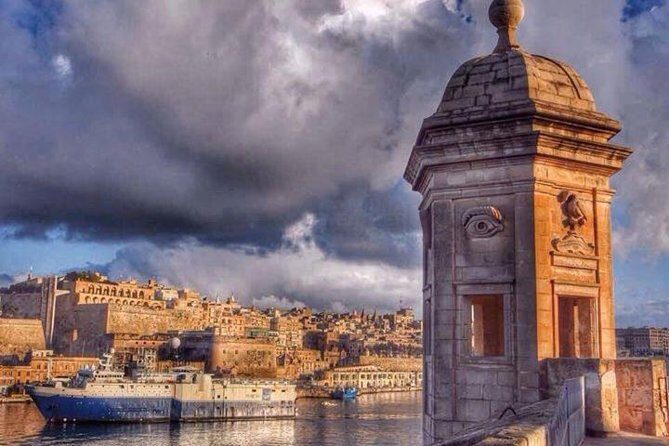
The schedule is described as passing multiple points along the route rather than stopping for long land excursions. That’s not a bad thing. On a harbor cruise, your “stops” are what you notice while moving: the angles of the walls, the shape of the creeks, and the way the coastline opens up.
Here’s what you should expect the boat to highlight during the run through Valletta’s harbor scene and onward to the Three Cities area:
The first harbor views: start with the big picture
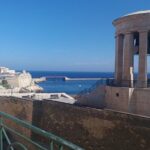
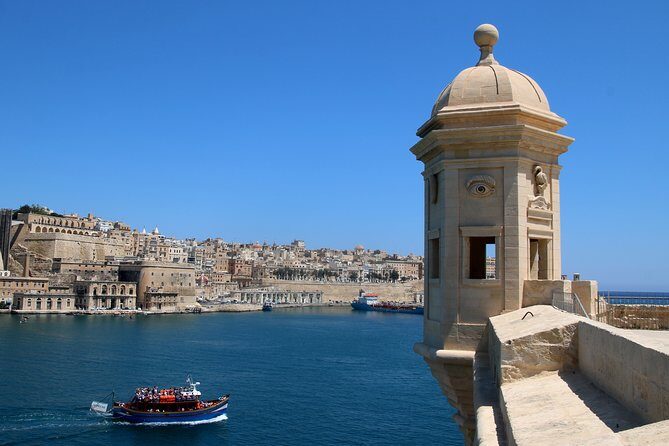
Early on, the goal is orientation. You’ll get the Valletta waterfront context and then the surrounding harbor layout. If you look across the water, you’ll start to understand which parts were built for defense and which parts were built for movement—boats, loading areas, and protected docking zones.
This is where your photos help. Don’t just shoot landmarks; capture the lines of the coast. Later, when you walk around Valletta or the Three Cities, those camera shots become your map.
Forts and battlements: how Malta defended itself
As the boat moves past historical sites, you’ll hear the story behind forts and battlements. These aren’t random ruins. They’re part of a system, and the onboard commentary is meant to connect the walls you see with why they were placed.
One of the best parts here is scale. From shore, fortifications can feel like scenery. From water, they become a functional edge—built to control approaches and protect the harbor lanes.
Ten creeks from the sea: small gaps with big meaning
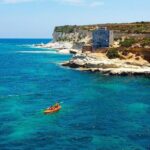
The tour specifically mentions ten creeks you can view from the water. That detail matters because creeks and inlets are where real maritime life happens. They’re also where you can spot smaller defensive points and docking areas that don’t always show up clearly from streets inland.
Even if you don’t memorize every name, you’ll understand the logic: the harbor isn’t one single space. It’s a network.
Dockyards and marinas: what the waterfront looks like today
The cruise also includes what’s happening now. You’ll see dockyards and marinas in action, which gives a helpful contrast to the defensive history. It’s one of those “past meets present” moments that makes the history feel practical rather than distant.
If you’re traveling with someone who thinks history is boring, this is usually the section where their eyes widen. The harbor activity makes everything feel real.
Timing And The Length Of The Cruise: Plan With Buffer
The cruise is advertised at about 1 hour 30 minutes, with several departures throughout the day. In a perfect world, departures run on schedule.
In the real world, you should plan a little slack—especially if you’re tied to another activity after the cruise. Some people reported delays at the start and timing that felt shorter than advertised. The most reliable approach: assume your total experience might shift by 10–20 minutes, and avoid booking anything that requires a strict arrival time right after the boat docks.
The good part: even when timing changes, the core value stays the same. You’re still getting the harbor loop plus the onboard explanation. And most of the photo opportunities happen as you’re moving, not during a lengthy stop.
Onboard Comfort: Hearing The Guide, Using The Facilities, Buying Snacks
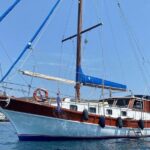
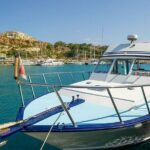
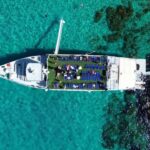
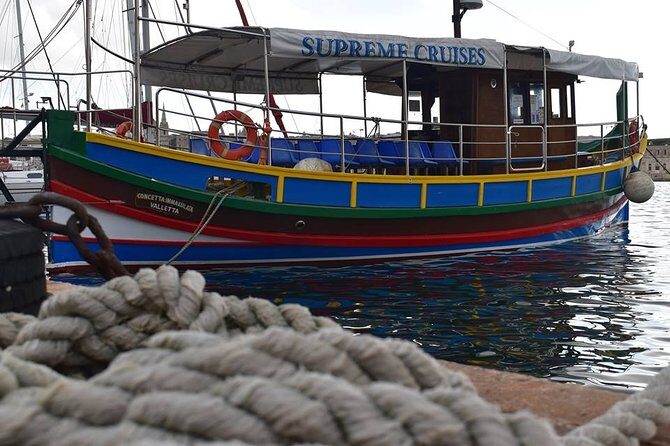
This is a classic “relaxed boat” setup. The boat is fully licensed and insured and operates under EU regulations, and it includes a toilet onboard and a fully stocked bar.
You can also purchase light refreshments. Even if you keep it simple, a cold drink or snack can make the ride more pleasant—especially on breezy days when you’ll want to stay outside on deck for views.
Hearing the commentary is key. From the reviews and the general setup of harbor tours, the guide narration is easiest when you’re positioned where the sound carries. I’d also keep in mind that clarity can depend on your location on the boat. If you want the best audio, choose your spot carefully—don’t assume the loudest seating is the clearest seating.
If you’re traveling with a service animal, the tour allows them.
Value For $24.10: What You’re Really Paying For
At $24.10 per person, this cruise is priced for people who want a meaningful Malta overview without museum-ticket math. You’re paying for three things:
- Time on the water in a short window (about 90 minutes)
- Guided context through live English commentary
- Access to views that are simply hard to get any other way, especially the defense lines and waterfront layout
Is it the most “luxury” option? No. But it’s not trying to be. It’s trying to be a smart, efficient harbor orientation—exactly the kind of activity that helps you plan the rest of your day on land.
Also, you can control spend onboard. The bar is there, and light refreshments are available if you want them, but you’re not forced into a full meal package. That flexibility makes the cost feel less risky.
Who Should Book This Cruise (And Who Might Skip It)
This is a great fit if you want:
- a quick harbor overview of Valletta and the Three Cities
- an easy, mostly hands-off way to learn what you’re seeing
- photo time, not a rigid museum schedule
- an activity that still feels relaxing
It’s also a good choice if you like your travel with a little local context. The commentary goes back to early Malta history (including 1565), and that framing helps you connect buildings to a bigger story.
You might want to think twice if you:
- have a tight connection after the scheduled end time
- need guaranteed close hotel pickup timing and easy step-free boarding
- get easily frustrated by last-minute changes to which boat is used on a given day or how boarding is managed
A helpful note from real-world experience: some travelers had trouble finding the correct boat when pickup/jetty details were unclear. If you tend to rely on a single plan with zero buffer, this may raise your stress level. If you’re the type who arrives early, confirms the operator at the dock, and keeps your expectations practical, you’ll likely enjoy it.
The Most Praised Parts: What You Should Expect To Feel
The highest praise themes are consistent. People love the combo of cozy time on the water and the storytelling. The cruise tends to work because it’s not just sightseeing—it’s sightseeing with explanations that match the sights.
Friendly crew shows up a lot, along with the feeling that you get good value for the money. Commentary quality also gets credit, especially when it’s easy to hear from the deck you choose.
One guide name that came up: George. If your sailing has a guide like that, you can expect a confident, informed delivery that makes the harbor landmarks click.
Should You Book This Traditional Harbour Cruise?
I’d book it if you want a straightforward, budget-friendly way to understand Malta’s harbor geography and history. For $24.10, the live English commentary, toilet and bar onboard, and the Valletta/Three Cities views are a solid deal—especially if you travel with a camera and like learning while you move.
I’d be cautious if you’re the type who needs guaranteed timing precision or you’re planning other tight reservations right after. In that case, choose a departure that gives you flexibility and reach the dock early.
Bottom line: this is a smart first-pass Malta harbor experience. If the weather is good and you treat it like an easy, scenic overview rather than a timed precision instrument, you’ll get your money’s worth.
FAQ
How long is the Traditional Harbour Cruise?
It runs for about 1 hour 30 minutes (approx.).
Where does the cruise start and end?
The meeting point is Malta Sightseeing hop on hop off South tours, Sliema Ferries, Sliema MT SLM, 3010, Sliema, Malta, and the tour ends back at the meeting point.
Is the onboard commentary available in English?
Yes. Commentary onboard is available in English.
What is included in the ticket price?
The ticket includes live commentary on board.
Are food and drinks included?
No. Food and drinks are not included, though light refreshments are available for purchase on board and there is a fully stocked bar.
Do I need good weather for the cruise?
Yes. The experience requires good weather. If it’s canceled due to poor weather, you’ll be offered a different date or a full refund.