REVIEW · ST PAUL S BAY
Malta: St Paul in Malta & Early Christian Era Half Day Tour
Book on GetYourGuide →Operated by Supreme Travel Limited · Bookable on GetYourGuide
St Paul’s Malta is history you can walk through. This guided St Paul in Malta tour strings together Rabat, St Paul’s Grotto, Mdina, and St Paul’s Bay so the early Christian story feels concrete instead of textbooky. I love the stop at St. Paul’s Grotto and how the place ties to Paul’s time on Malta. I also love how guides (for example, Mario) connect the sites with clear, place-based storytelling.
One watch-out: there’s a moderate amount of walking, and it’s not a good fit if you have mobility challenges.
In This Review
- Quick hits you’ll care about
- A 6-hour St Paul route through Rabat, Mdina, and St Paul’s Bay
- Pickup and coach time: comfort up front, focus later
- St. Paul’s Grotto in Rabat: where the story gets physical
- Rabat on foot: narrow lanes, medieval texture, and real street life
- St. Paul’s Cathedral in Mdina: pause for the art, then connect the names
- Mdina lunch break: use the free time strategically
- St. Paul’s Bay after the storm: a narrated walk with post-Paul context
- How the guide (often Mario) turns sites into a timeline
- Price and value: what you get for about $71
- Who should book this tour (and who shouldn’t)
- Tips to make the day feel easy
- Should you book this St Paul in Malta & Early Christian Era tour?
- FAQ
- How long is the tour?
- What’s included in the price?
- Is lunch included?
- How much walking should I expect?
- Is the tour suitable for people with mobility impairments?
- What language is the tour guide?
- Is there free cancellation?
Quick hits you’ll care about
- St. Paul’s Grotto (with tickets included) tied to the claim that Paul lived there for three months
- St. Paul’s Cathedral artwork in Mdina plus the story of St Publius as the first bishop ordained by Paul
- Rabat’s narrow, winding streets where early medieval architecture is the star
- St. Paul’s Bay narrated walk linked to the storm and Paul’s arrival in 60 AD
- Hotel pickup and an air-conditioned coach that keeps the day moving
- Moderate walking: comfortable shoes matter more than you think
A 6-hour St Paul route through Rabat, Mdina, and St Paul’s Bay
This tour is designed like a guided story walk. You start with Rabat, move up to Mdina for a big dose of sacred art and early Christianity, then head to St Paul’s Bay for the “arrival” chapter. The rhythm matters: you get hands-on stops (grotto and cathedral) plus outdoor walks where the guide can point out how these places relate to the larger narrative.
Because it’s only about 6 hours, you won’t get the slow, drift-everywhere pace. Instead, you’ll cover several key locations without the day turning into a logistics puzzle. If you like your sightseeing organized and meaningful, this format works.
You can also read our reviews of more tours and experiences in St Paul S Bay.

Pickup and coach time: comfort up front, focus later
You’re picked up from your hotel or the closest meeting point. From there, you ride in an air-conditioned coach between sites. That’s not just comfort—it’s time saved, especially in warmer months when outside walking can feel longer than it is.
One thing I appreciate about this setup is that the guide takes over the interpretive job during the travel segments too. Even when you’re not on foot, you’re still getting the early Christian context that makes the stops click. This is also where a good driver helps the day feel smoother.
St. Paul’s Grotto in Rabat: where the story gets physical
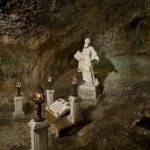
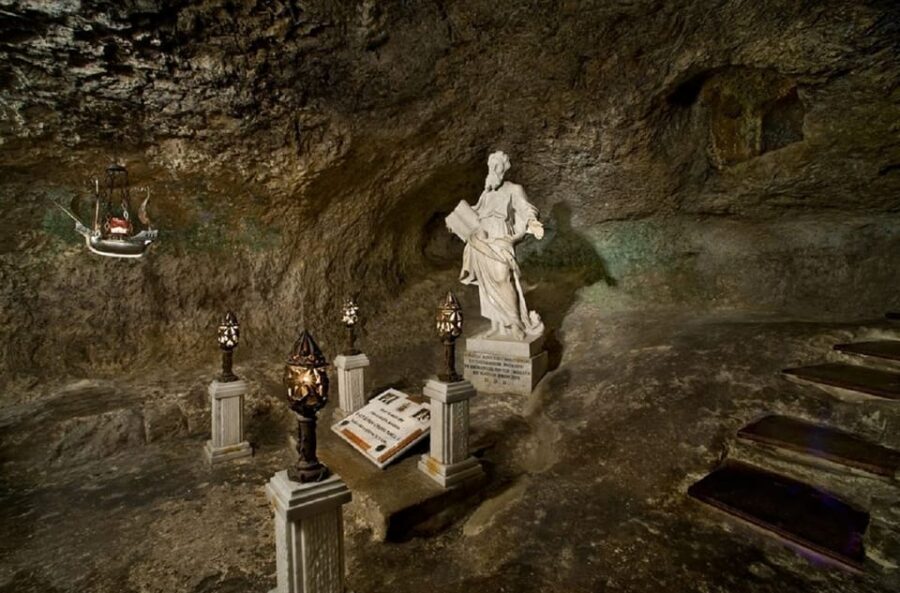
St Paul’s Grotto is the first big anchor of the tour. It’s the place associated with the claim that the Apostle Paul lived there for three months. Once you’re there, the setting does something useful: it makes Paul’s time on the island feel less abstract.
What helps is that your guide doesn’t treat it like a quick photo stop. You get the “why this matters” version of the visit, tying the site back to early Christian tradition and Malta’s role in that story. And yes, the entrance ticket is included, so you’re not hunting for paperwork or squeezing an extra errand into the day.
Practical tip: take a moment before you enter to get your bearings. If you’re the type who likes to understand the layout before you look closely, start with a slower pace here. It’ll make the rest of the day feel more connected.
Rabat on foot: narrow lanes, medieval texture, and real street life
After the grotto, the day turns into walking—Rabat’s narrow, winding streets. This part is all about atmosphere and architecture rather than big museum rooms. The guide points out early medieval building character as you move through the neighborhood.
Walking here gives you a kind of “between the famous stops” experience. You’re not just moving from one landmark to the next; you’re seeing the human scale of Rabat. That matters because early Christianity on Malta isn’t only about chapels and saints. It’s also about places where people lived, worshipped, and built.
If you’re thinking about photos, you’ll want to keep your eyes up and your feet careful. The streets are compact, and the best angles often mean sidestepping into small openings. Bring comfortable shoes because the day is built on walking continuity.
St. Paul’s Cathedral in Mdina: pause for the art, then connect the names
Next comes Mdina and St Paul’s Cathedral. This stop is the big indoor payoff: you admire the artwork inside and get a guided explanation of why it’s part of the St Paul legacy.
One of the most memorable details is the discussion of St Publius—described as the first bishop ordained by Apostle Paul. That connection gives the visit more weight than a generic “beautiful church” stop. You’re not only seeing art; you’re hearing how religious roles and early leadership are linked to Paul’s Malta story.
Mdina itself also changes the feel of the day. Rabat is more street-level and lived-in; Mdina often feels more contained and ceremonial. When you step into the cathedral, the mood shifts again, and the guide helps you read that shift rather than just absorbing it randomly.
Practical tip: if you can, take your time with the artwork. Even if you’re not a fine-art person, the guide’s framing usually helps you know what to look for. Look first, listen second—your brain will thank you.

Mdina lunch break: use the free time strategically
You’ll have free time for lunch in Mdina. Since lunch isn’t included, you’ll want to plan for something simple and filling. This is a good moment to rest your feet too.
How to make the most of it: eat somewhere that’s easy to return to. You don’t want lunch to turn into a 25-minute walk when you’re already halfway through a walking day. If you’re hungry-fast, grab food and come back to your spot quickly so you don’t lose pacing.
If the weather is warm, treat lunch like hydration time, not just calories. Water and a light snack can make the afternoon walk feel fair instead of punishing.
St. Paul’s Bay after the storm: a narrated walk with post-Paul context
In the afternoon, the bus continues to St Paul’s Bay. This is where the tour leans into the dramatic chapter: the claim that Paul arrived on the island during a large storm in 60 AD. Whether you treat that as legend, tradition, or both, your guide will explain how the story developed and why it stuck.
Then you’ll join a narrated walk. The guide connects the walk to historical events in the early Christian era after Paul’s death. This last section is valuable because it prevents the tour from ending right after the headline moment. You get closure in the form of context: what followed, and how Malta’s early Christian story fit into a wider timeline.
Good to know: this walk is part of the tour structure, not optional downtime. Wear shoes you won’t regret and keep water handy if you’re easily affected by heat.
How the guide (often Mario) turns sites into a timeline
A lot of the tour’s power comes from the way the guide talks. In examples from real groups, guides like Mario have a knack for making Malta feel like one connected system—religion, history, and even how the island works day to day. One guide example even tied in topics like botany, farming, and infrastructure when explaining what you were seeing.
Even if you don’t remember every detail, you’ll likely remember the big connections: Paul’s Malta time, how sites relate to each other, and why the cathedral and bay are linked to the same story. That’s what turns “I saw places” into “I understood something.”
Also, if your group is small, it’s easier to ask questions in real time. That keeps the tour from feeling like a lecture with a moving audience. You get more of that conversational feel, especially at the cathedral and grotto where questions naturally come up.
Price and value: what you get for about $71
At about $71 per person, this tour prices as a day with guided interpretation plus entry fees. You get hotel pickup/drop-off, transport by air-conditioned coach, a licensed English-speaking tour guide, and entrance tickets to both St. Paul’s Grotto and St. Paul’s Cathedral. Lunch is not included, so factor that into your total day cost.
Here’s the simple value math: entrance tickets and guided time cost money on their own. Add transportation and pickup, and you’ve already covered the “hard parts” of planning a half-day style loop. If you want a guided script that connects Rabat, Mdina, and St Paul’s Bay without you researching each stop separately, this price is pretty reasonable.
If you’re the type who loves wandering independently, you could DIY this route. But you’d still need a guide-style storyteller to make the early Christian era feel coherent across multiple locations. In that sense, the fee pays for interpretation as much as it pays for access.
Who should book this tour (and who shouldn’t)
This tour is best for you if you:
- like religion-and-history themes, especially the early Christian era in Malta
- want a guided structure that links Rabat, Mdina, and St Paul’s Bay
- enjoy walking between meaningful stops and learning as you go
You might skip it if:
- you have mobility limitations, since it isn’t suitable for people with mobility impairments
- you hate moderate walking and want a mostly seated itinerary
Also, bring patience for the fact that it’s a guided day with several stops. If you’re hoping to linger for hours in one place, plan to return on another day.
Tips to make the day feel easy
- Wear comfortable shoes. The day includes a moderate amount of walking, and you’ll be standing indoors too.
- If you’re heat-sensitive, pack water. One guide-run day I saw emphasized bringing water in warm weather.
- Keep your expectations aligned: this is structured sightseeing, not a choose-your-own-adventure day.
Should you book this St Paul in Malta & Early Christian Era tour?
Book it if you want your Malta trip to include the Apostle Paul story in a way that actually connects the dots. The mix of Rabat streets, St Paul’s Grotto, the art inside St Paul’s Cathedral in Mdina, and the narrated St Paul’s Bay walk makes the theme feel real.
Skip it if you need a low-walking day or you’re only interested in one stop. This tour works because it moves; if you try to treat it like a slow museum day, it will feel rushed.
If you do book, aim to show up ready to walk and listen. This is the kind of tour where your time turns into understanding, not just photos.
FAQ
How long is the tour?
The tour duration is 6 hours.
What’s included in the price?
Pickup and drop-off from your hotel or nearest point, transportation by air-conditioned coach, services of a licensed tour guide, entrance ticket to St. Paul’s Grotto, and entrance ticket to St. Paul’s Cathedral are included.
Is lunch included?
Lunch isn’t included, but you do get free time for lunch during the tour.
How much walking should I expect?
There will be a moderate amount of walking.
Is the tour suitable for people with mobility impairments?
No, it’s not suitable for people with mobility impairments.
What language is the tour guide?
The live tour guide is English.
Is there free cancellation?
Yes. You can cancel up to 24 hours in advance for a full refund.