REVIEW · ST PAUL S BAY
Malta: First Experience Scuba Diving Lesson
Book on GetYourGuide →Operated by AQUATICA DIVING CENTRE · Bookable on GetYourGuide
Your first breaths underwater can feel unreal. In Malta, this first-time small-group scuba lesson with Aquatica turns quick theory and practice into a safe, guided underwater experience in the clear Mediterranean. I especially liked the way instructors like Ema and Marcel keep things calm and step-by-step, and how you get hands-on skills during the first water session before shifting to a slower, more relaxed second one.
One thing to think about up front: medical clearance can be strict. If you have certain lung, heart, sinus, ear, back, neurological, or other listed conditions, you may need written approval, and the activity isn’t suitable for non-swimmers, pregnant women, people with back problems, or anyone with recent surgery.
This is not a certification course. You’ll come away with confidence and fundamentals you can build on, with a maximum depth of 12 m and an instructor-led plan that fits into about 2.5 to 3.5 hours.
In This Review
- Key Highlights You’ll Care About
- Malta First-Time Scuba Lesson: What Makes It Worth Your Time
- The 2.5–3.5 Hour Flow: From Forms to Underwater Control
- Getting Kitted Out: Gear, Comfort, and What’s Actually Included
- Your First Underwater Skills Session: The Moment That Either Clicks or Scares You
- Second Shore Session: Seeing Malta’s Sea Without Rushing
- Instructors Matter: Why Names Like Ema, Marcel, and Holly Show Up
- Price and Value: Is $91 a Fair Deal for a Real First Lesson?
- Who This Lesson Fits Best (And Who Should Skip It)
- What to Do Before You Go: Forms, English, and Ear-Friendly Common Sense
- Should You Book This First Scuba Lesson in Malta?
- FAQ
- What’s the duration of the Malta first-time scuba lesson?
- Is this a certification course?
- How deep will you go?
- How many people are in the group?
- Do I need to complete anything before the activity?
- What do I need to bring, and what isn’t allowed?
- Are there medical requirements?
Key Highlights You’ll Care About
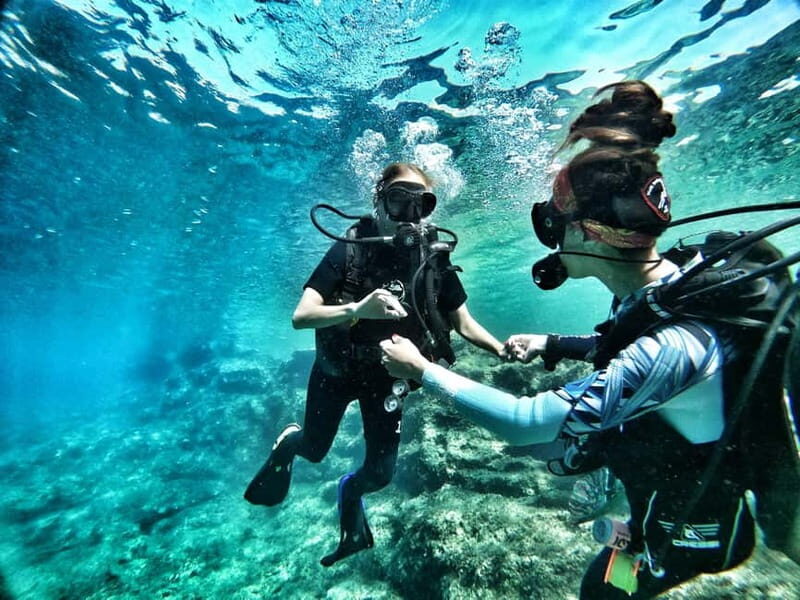
- Max 4 people per group: more time for coaching and corrections, not just watching from the side.
- Online theory first: you complete materials in English before showing up, so in-person time stays practical.
- Two structured water sessions: first for training skills, second to explore and relax.
- Patient instruction from real humans: names you may see include Ema, Marcel, Eva, Frederico, Holly, Francesca, Daniel, and Riccardo.
- Safety-first setup: equipment briefing, safety rules, and skill drills before you go underwater.
- No certification issued: it’s an introduction, not a license step.
Malta First-Time Scuba Lesson: What Makes It Worth Your Time
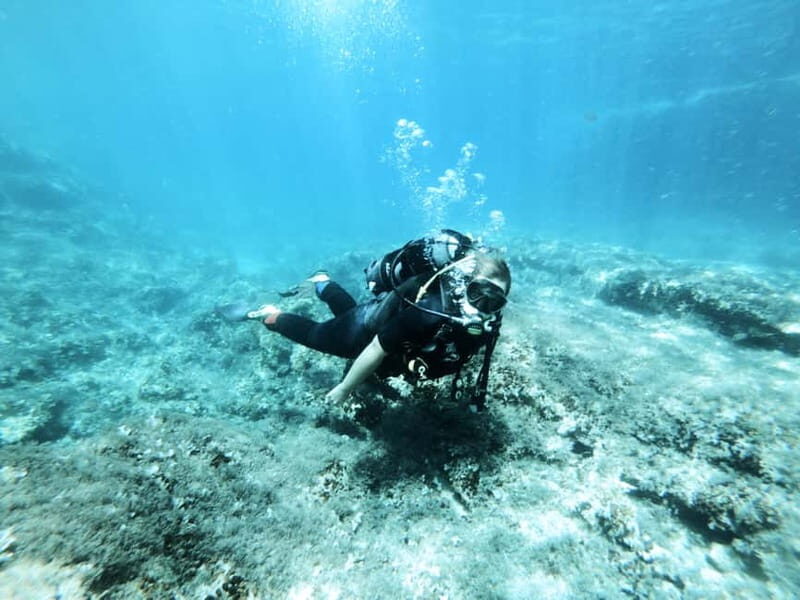
Malta is a great place to try scuba for the first time because the Mediterranean tends to be clear and the water gives you that quick payoff: you can see what you’re doing, even when you’re nervous. This lesson is designed for exactly that moment when you’re wondering if you’ll panic, freeze, or mess up the basics.
What makes it work is the structure. You don’t just get thrown into the deep end. You complete online theory first, then you get a safety briefing and equipment explanation before your first underwater try. The instructors also aim for a realistic pace: learn, practice, then enjoy.
From what I learned about how instructors operate here, the most praised element is how they keep you comfortable. In particular, people highlight calm coaching and patience when equalizing (ear pressure) or following steps feels tricky. If you’re a first-timer, that matters more than any fancy sales pitch.
You can also read our reviews of more scuba diving tours in St Paul S Bay
The 2.5–3.5 Hour Flow: From Forms to Underwater Control
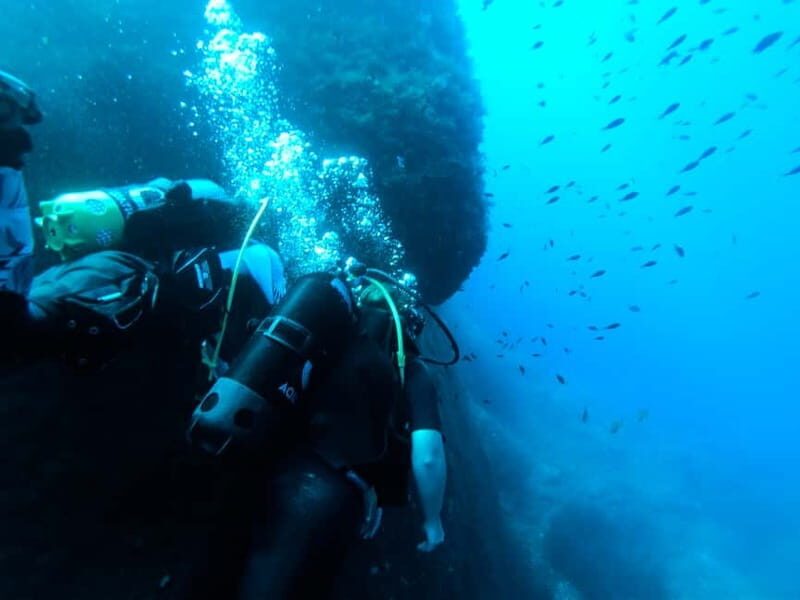
This is a short activity, typically around 2.5 to 3.5 hours total (starting times vary). Here’s the rhythm you should expect.
1) Before you arrive: online materials
You’re required to complete online theory material in your language before the activity. This primes you so the instructor’s in-water coaching isn’t a first-time surprise. For nervous beginners, that usually helps you get your bearings fast.
2) At the meeting point: equipment and safety briefing
You meet at a location that can change based on the option you book. From there, the instructor checks the essentials: equipment overview, safety rules, and the scuba skills you’ll practice. Since the course is limited to 4 participants, you can usually expect close attention rather than group hand-waving.
3) First water session: training skills
Your first underwater session is focused on technique. The goal is control, not adventure. This is where you practice the key motions and breathing habits until they stop feeling strange.
4) Second shore session: explore and relax
After the skills portion, you shift to a more relaxed underwater experience. You still have instructor eyes on you, but you spend more time looking around and enjoying the sensation of being underwater.
A small but important detail: the lesson’s max depth is 12 m, which keeps the whole experience manageable for new students.
Getting Kitted Out: Gear, Comfort, and What’s Actually Included
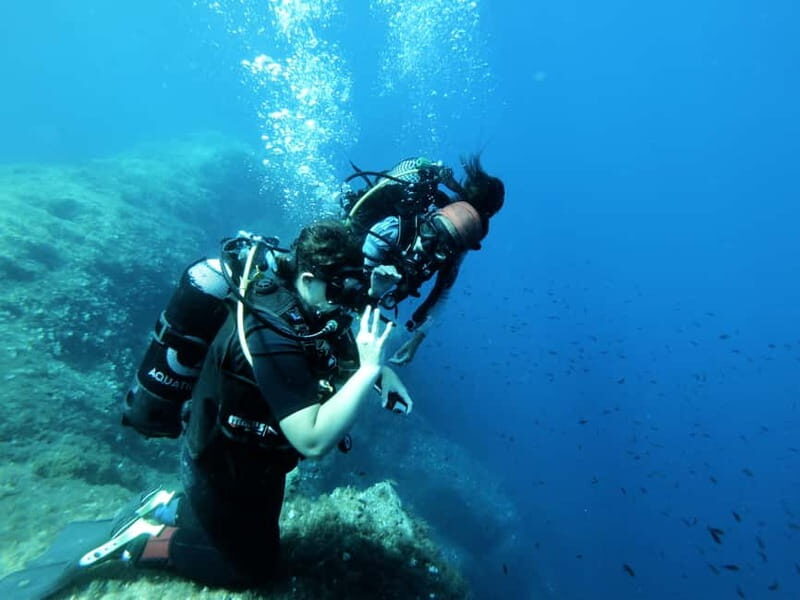
This lesson includes your complete diving kit (gear), plus transportation to and from the water spot if needed. You don’t have to hunt down rental equipment or figure out what fits you.
What you should bring is simple:
- Swimwear
- Towel
That’s it for the basics. You also should plan on showing up able to swim. Since the course is not for non-swimmers, your confidence in moving through water will strongly affect how smoothly the first underwater skills session feels.
One more practical point: cameras are not allowed. It’s not about being dramatic; it’s about keeping your hands and attention on the instructor’s guidance. Plan to enjoy this as a moment first, photo later.
Your First Underwater Skills Session: The Moment That Either Clicks or Scares You
For first-timers, the big uncertainty is usually the same: breathing underwater, staying relaxed, and managing pressure changes—especially in your ears.
This lesson’s design directly supports that fear-response cycle. The instructors go through drills and practice steps so you know what you’re doing before you’re fully underwater. The standout from many experiences here is patience. People mention instructors helping them slow down, settle into the process, and not feeling judged for mistakes.
If you’re prone to ear discomfort, take that seriously. One helpful theme from past experiences is that students who didn’t equalize enough noticed ear pain, and the instructor worked with them through attempts, then adjusted so they could still experience something pleasant in shallower water.
How you can help yourself:
- Take your time during practice on the surface.
- Follow equalization cues early and consistently.
- If you feel pressure building, tell the instructor rather than pushing through.
Also, remember the practical constraint: your safety is the priority, and instructors will adjust the session based on how you’re doing.
Second Shore Session: Seeing Malta’s Sea Without Rushing
Once you’ve done the training part, you get a different underwater vibe. The second shore session is described as a chance to explore and relax, and that’s where many people feel the experience turning from effort into enjoyment.
Because it’s a small group (max 4), you can usually get closer guidance and fewer distractions. People often describe the experience as fun and exciting, with instructors watching closely and explaining step-by-step.
What you’re likely to notice more in the second session:
- How your breathing rhythm changes once you’re not focusing on every new motion.
- How your body feels when you stop fighting the equipment and instead move with it.
- The calm side of being underwater—especially when you’re not trying to prove anything.
You’ll also be at a reasonable max depth of 12 m, which helps keep the focus on experience rather than endurance.





Instructors Matter: Why Names Like Ema, Marcel, and Holly Show Up
Here’s the truth about beginner scuba lessons: the quality of the instructor changes everything. And this one earns strong marks for instructor temperament.
You may be taught by English-speaking instructors such as:
- Ema and Marcel (often praised for making students feel safe)
- Eva (noted for calm reassurance)
- Frederico
- Holly
- Francesca
- Daniel
- Riccardo
Across these examples, a recurring strength is how instructors explain without embarrassment. People describe feeling comfortable making mistakes and being supported rather than hurried.
That’s a big deal if you’re the kind of person who worries you’ll look clueless. In a good lesson, nobody is keeping score. The job is to help you learn the mechanics safely.
Price and Value: Is $91 a Fair Deal for a Real First Lesson?
At $91 per person, this is one of the more accessible ways to try scuba in Malta, especially because it includes a lot that you’d otherwise pay separately. You’re getting:
- online theory material
- safety briefing
- full gear
- two structured underwater sessions (training + shore-based exploration)
- transport to and from the water spot if needed
What you’re not getting is certification. So if your goal is a license, you’ll want to treat this as a first step, not the end of your training path. The experience data also says this course doesn’t provide scuba certification, and for licensing you should look into Basic Diver Course or Scuba Diver Course.
So is $91 worth it? For most beginners, yes—because the price covers guided coaching, equipment, and controlled practice time. The value drops if you’re expecting a full certification outcome. But if you want to learn what it’s like and gain confidence, the structure justifies the cost.
Who This Lesson Fits Best (And Who Should Skip It)
This is for you if:
- you’re comfortable swimming and can meet the non-swimmer requirement
- you’re willing to do the online theory before you arrive
- you want a guided introduction rather than a certification course
- you appreciate close coaching in a group limited to 4
This lesson is not suitable for:
- children under 10
- pregnant women
- people with back problems
- people with heart problems
- anyone with respiratory issues
- people with epilepsy or pre-existing medical conditions (as listed)
- anyone needing written medical approval if they have lungs/breathing/heart/blood issues or other specified risk factors and don’t have that clearance
And if you have any of the listed medical restrictions, it’s mandatory to obtain written approval from your physician before diving. If you can’t contact your physician, you can join a snorkelling tour instead.
One more logistical safety point: after the scuba session, you must wait at least 12 hours before flying. Plan your travel accordingly.
What to Do Before You Go: Forms, English, and Ear-Friendly Common Sense
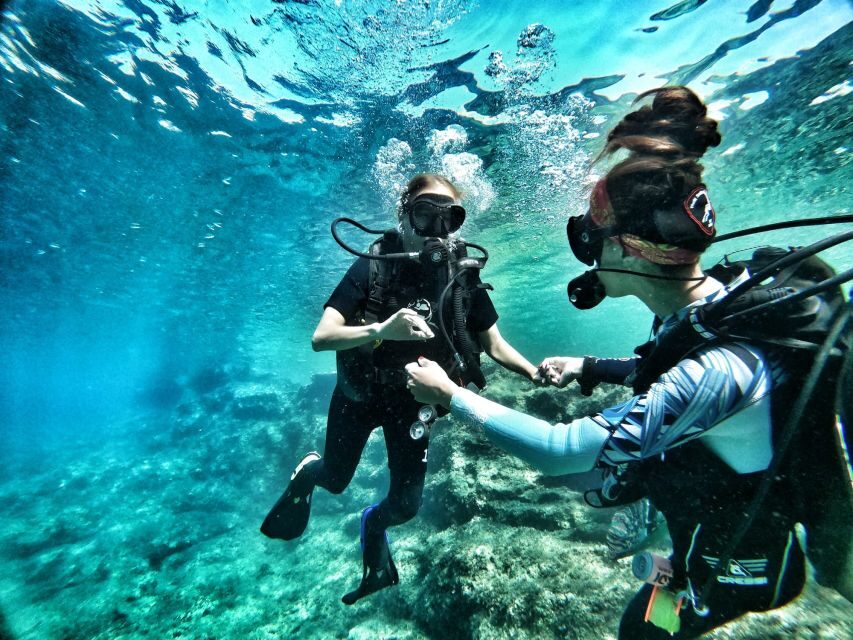
You’ll be working in English, so basic English skills are needed. The online theory materials are also part of the preparation, so don’t ignore them. If you show up without doing the forms and materials, the lesson time won’t feel as smooth.
Also, be aware of the health and safety requirements:
- You may need medical approval based on lungs, breathing, heart/blood issues, sinus/ear problems, certain surgeries (12 months), and a long list of neurological and other conditions.
- If you ignore health restrictions and staff discover it within 24 hours before the activity, there’s no refund.
And then there are the simple activity rules:
- no alcohol and no drugs
- cameras are not allowed
- you’ll need swimwear and a towel
If you’re anxious, tell yourself this in advance: the instructors will guide you step-by-step, and the first underwater session is training. Your job is to learn, not to perform.
Should You Book This First Scuba Lesson in Malta?
If your goal is to test scuba for the first time, build confidence, and get real coaching with close attention, I think this is a solid buy. The combination of small group size, online theory, and two-part water structure makes it much easier to manage nerves than a longer or less guided experience.
I’d say skip it if you’re chasing certification or you can’t meet the medical requirements. Also, if you’re not a strong swimmer, you’ll likely feel stressed from the start, and this lesson isn’t designed for that.
If you’re ready to learn safely and want the kind of intro where you feel taken care of, book it—then plan a follow-up class (like Basic Diver or Scuba Diver) if you fall in love with the underwater world.
FAQ
What’s the duration of the Malta first-time scuba lesson?
The total duration is typically 2.5 to 3.5 hours, depending on the starting time available.
Is this a certification course?
No. This course does not provide scuba diving certification.
How deep will you go?
The lesson includes underwater sessions with a maximum depth of 12 m.
How many people are in the group?
The group is small and limited to 4 participants.
Do I need to complete anything before the activity?
Yes. You must complete the online theory material in your language before the activity.
What do I need to bring, and what isn’t allowed?
Bring swimwear and a towel. Cameras are not allowed, and alcohol and drugs are not allowed.
Are there medical requirements?
Yes. You may need written approval from your physician if you have certain lungs/breathing/heart/blood issues or other listed conditions. If you can’t contact your physician, you can join a snorkelling tour instead. You also need to wait at least 12 hours before flying after the scuba session.