REVIEW · MOSTA
From Mosta: City Highlights Tour of Mosta with Buffet Lunch
Book on GetYourGuide →Operated by Robert Arrigo & Sons Limited · Bookable on GetYourGuide
Three hours in Mosta means two big surprises. I love the Rotunda of Mosta (Malta’s largest church, famous for a huge unsupported dome) and the WWII underground air-raid shelter that turns history into something you can walk through. One thing to consider: the first half is self-guided, so you’ll be relying on the mobile app and printed info rather than a live guide.
You can start anytime between 10:30 a.m. and 3:30 p.m., which is great if you’re planning the rest of your Malta day around weather, bus times, or naps. I also like that the tour wraps in a real meal: a traditional Maltese buffet at the Dome Visitors Centre, plus water and coffee/tea.
For the walking part, you’ll get an English-speaking assistant, and that human touch really matters on stone streets that can feel confusing at first. I’ve heard guides like Mary and Rita bring a friendly, no-rush pace, and they’ll help you connect the dots—facts, directions, even how the food works when you sit down to eat.
In This Review
- The Fast Take: Rotunda, WWII, Chapels, and Lunch in One Handy Tour
- Key Highlights Worth Your Time
- Entering the Rotunda of Mosta: Why That Dome Feels Unreal
- The WWII Air-Raid Shelter: History You Can Stand Inside
- The Guided Walk Through Mosta: Where the Story Gets Clear
- Markiż Mallia Tabone Farmhouse: Culture in a Former Home
- Wied il-Għasel and Speranza Chapel: The Chapel Dedicated to Hope
- Dome Visitors Centre Buffet Lunch: A Real Malta Break
- Value for $35: What You’re Really Paying For
- Timing and Route Flow: Start Any Time, Expect Order Changes
- What to Bring (and What to Skip) So You Don’t Fight the Day
- Who This Tour Fits Best
- Should You Book This Mosta Highlights Tour?
- FAQ
- Where is the meeting point for the tour?
- What time can I start this tour?
- How long is the tour?
- Is the whole tour guided by a live person?
- What languages are available for the audio guide and printed materials?
- What’s included in the lunch?
- Can the tour accommodate dietary restrictions or allergies?
- Do I need headphones?
- Is the tour suitable for wheelchair users?
The Fast Take: Rotunda, WWII, Chapels, and Lunch in One Handy Tour
If you want a Mosta highlights hit without spending your whole day chasing separate tickets, this tour is built for that. The mix is smart: big architecture, real wartime survival space, then the slower charm of old streets and small chapels—ending with a buffet you don’t have to research.
Key Highlights Worth Your Time
- The Rotunda of Mosta dome: Malta’s largest church, built 1833–1860, modeled after the Pantheon in Rome
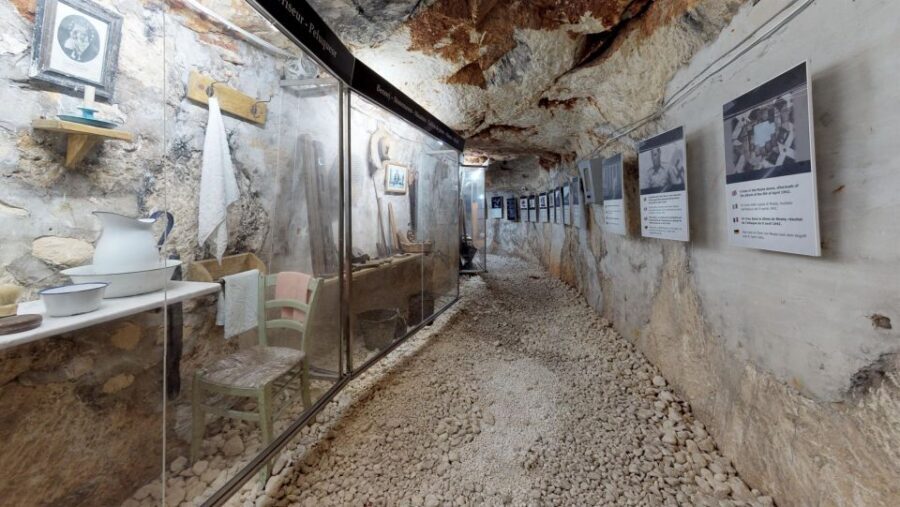
- An underground WWII air-raid shelter: includes a tools/trades display and a photo exhibition about Malta during the war
- Old Mosta streets with guidance: an English-speaking assistant helps connect sites and keeps the pace easy
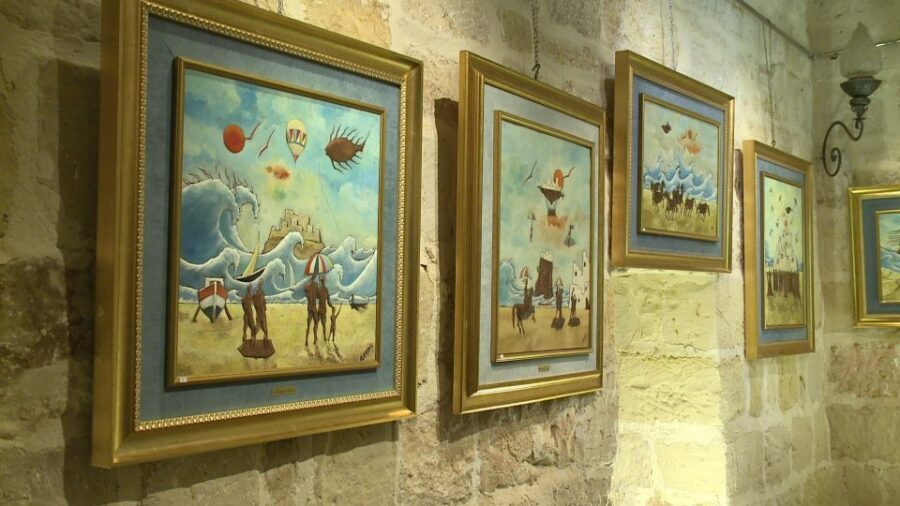
- Markiż Mallia Tabone Farmhouse cultural centre: a converted farmhouse with heritage, folklore, and contemporary arts exhibits
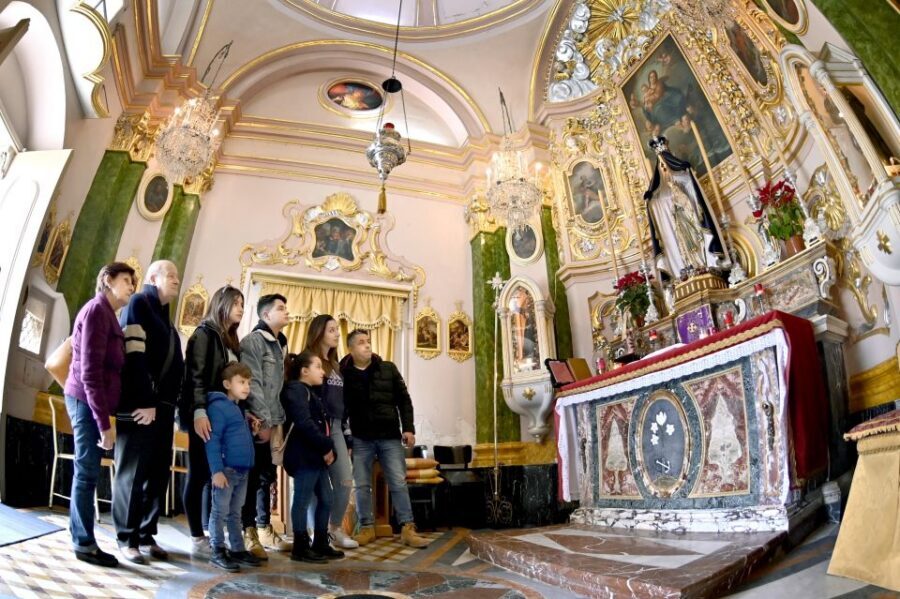
- Speranza Chapel in Wied il-Għasel: an Our Lady of Hope chapel built in 1761, tied to a local legend
- Dome Visitors Centre buffet: a relaxed setting to sample Maltese specialties, with drinks included
You can also read our reviews of more city tours in Mosta
Entering the Rotunda of Mosta: Why That Dome Feels Unreal
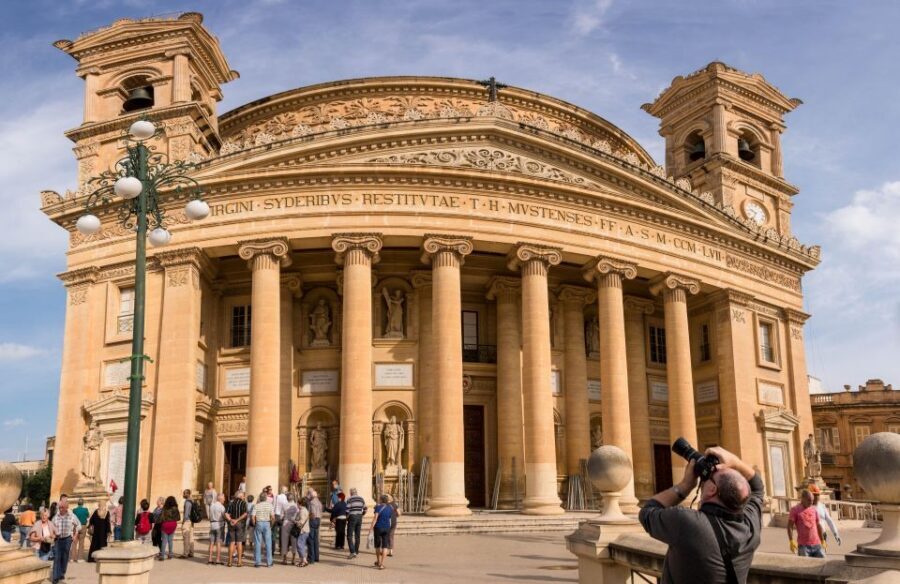
The tour begins at the Rotunda of Mosta, also called the Sanctuary Basilica of the Assumption of Our Lady. This is the Malta stop that most people recognize instantly once they see the big dome—then they learn why it’s such a big deal.
What makes it special is the scale and engineering story. The current church was built between 1833 and 1860 in neoclassical style, and it’s modeled after Rome’s Pantheon. The dome is famous for being the third-largest unsupported dome in the world, and it sits right in the center of the hamlet, so you’re not traveling to some remote monument—you’re entering a living village core.
Because the first part is self-guided, you’ll want to treat this as a “look closely” section. If you have your phone charged and headphones ready, you can use the app audio while you wander so you don’t miss the key context. If you’re traveling in peak hours, take it slow: the Rotunda is designed for people, not for photo-speed runs.
The WWII Air-Raid Shelter: History You Can Stand Inside
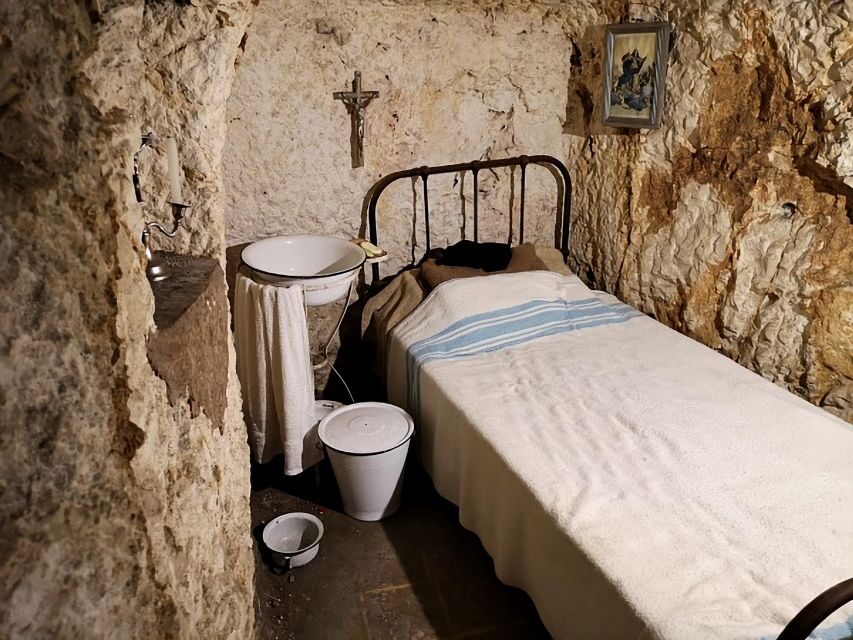
After the church, you’ll go underground to a World War II air-raid shelter. This is one of those places where you stop thinking of history as dates and start thinking of it as survival: the Maltese people endured relentless bombing, and this shelter complex is meant to carry that memory forward.
Inside, there are exhibitions connected to everyday wartime life and work—tools and implements linked to old trades, plus a photo exhibition about Malta during World War II. It’s both sobering and practical: you can see how people coped, what they used, and how daily life changed when the skies were dangerous.
The visit here is at leisure, not guided. That’s not a downside if you’re comfortable reading and listening at your own speed. It’s actually a good match for this topic, because you’ll likely want a few extra minutes in the areas that hit you the hardest. Just remember the tour expects you to use your mobile app and printed material, so bring what you need before you start.
The Guided Walk Through Mosta: Where the Story Gets Clear
Once you move into the walking tour portion, the tone changes. This part is assisted by an English-speaking team member, and that’s where the experience becomes easier to fully understand.
You’ll stroll through Mosta’s historic streets and architecture while visiting sites included with exclusive access only for this tour. The pace is casual, which matters because Mosta isn’t a “charge from stop to stop” kind of place. You’re walking through a village that rewards attention: doorways, corners, street shapes, and the way buildings sit in relation to each other.
If you’re solo, this section is especially helpful. In the experience’s reviews, people praised guides not just for facts, but for practical help—like pointing you in the right direction when you’re trying to continue your day on your own. Getting water at the start was also called out as a small touch that makes the walk feel smoother.
Markiż Mallia Tabone Farmhouse: Culture in a Former Home
One of the most interesting stops here is the Markiż Mallia Tabone Farmhouse and cultural heritage centre. It’s a farmhouse that’s been converted into a cultural hub, so you get more than one kind of learning in one place.
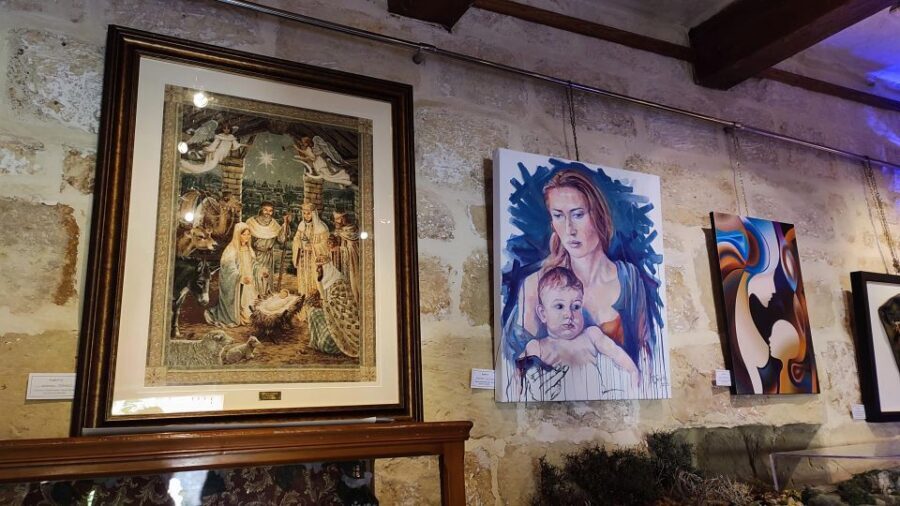
The exhibits are varied: there are permanent displays tied to Maltese heritage and folklore, plus contemporary arts. The centre also hosts seasonal or temporary exhibitions throughout the year, so depending on when you go, you might see a different mix of what’s on display. That gives the place a living feel, not just a static museum vibe.
Because this stop is included, it also helps you avoid the classic Malta problem: you can easily end up with only churches and views and skip the human side—how people kept traditions, how culture adapted, and what local artists are doing now.
A few more Mosta tours and experiences worth a look
Wied il-Għasel and Speranza Chapel: The Chapel Dedicated to Hope
Next comes Speranza Chapel, dedicated to Our Lady of Hope. It’s located in Wied il-Għasel, also known as Mosta Valley, and it’s the kind of stop that feels quieter than the main church area.
The chapel was built in 1761, and it’s tied to an interesting legend. Even if you don’t think of yourself as a “legend person,” this is worth leaning into because it helps you understand how local places become meaningful over generations. The story context adds weight to the visit—you’re not just checking off a chapel name.
Expect a walk that includes changing viewpoints and smaller-scale details. This is where comfortable shoes pay off, since you’ll likely be spending more energy than you think, especially if you’re doing it in warmer conditions.
Dome Visitors Centre Buffet Lunch: A Real Malta Break
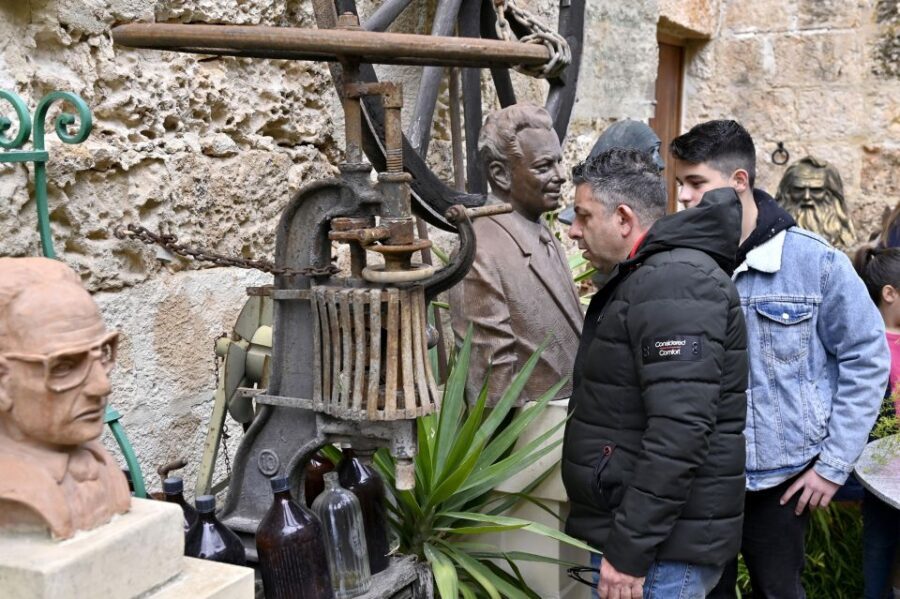
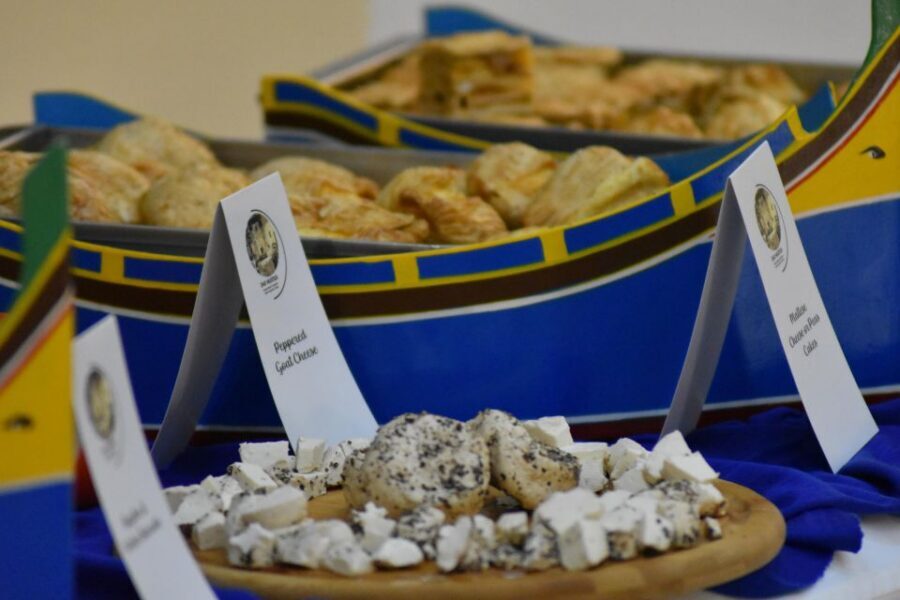
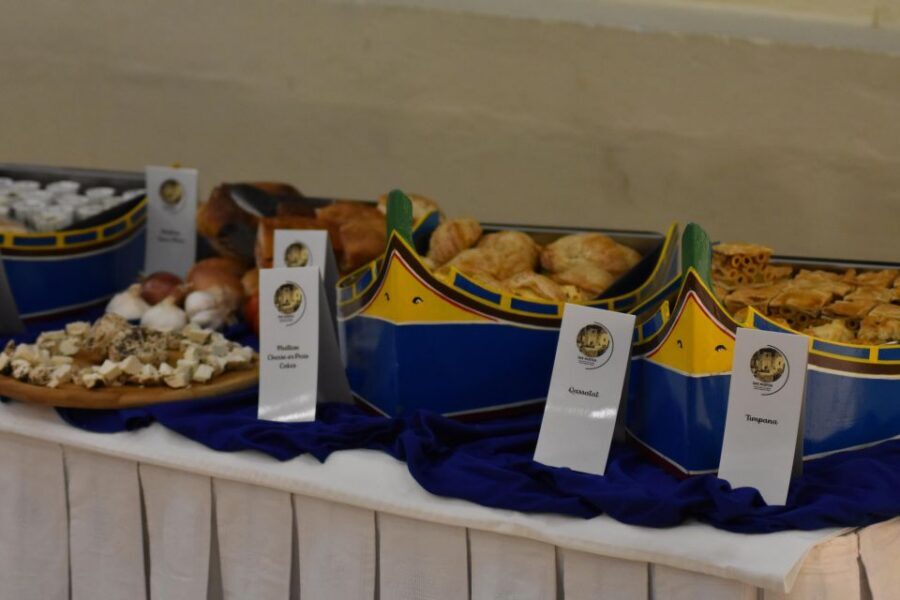
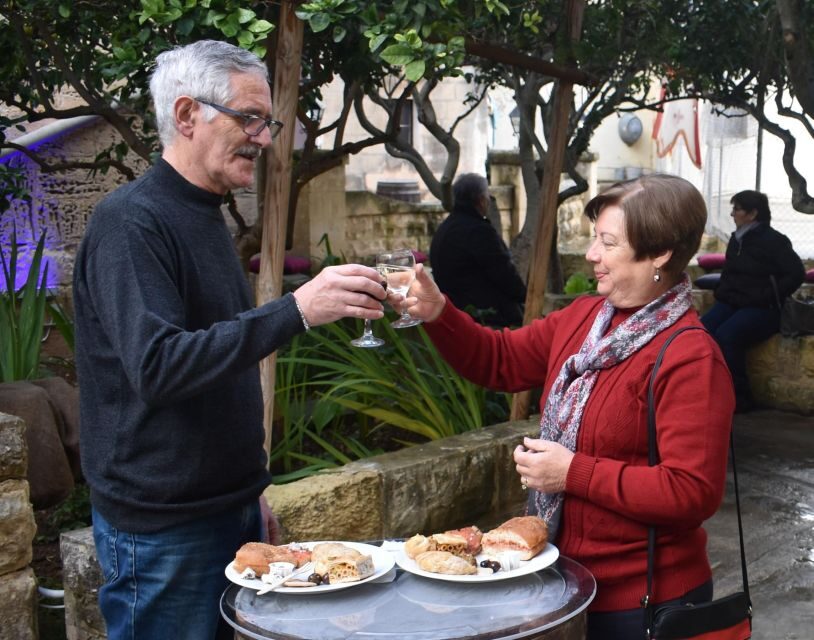
After the walking, you’ll eat at the Dome Visitors Centre. The lunch is a traditional Maltese buffet meal, and it’s meant to be relaxed—basically, a good reset after history and walking.
You’ll be able to sample different local specialties, so you don’t have to gamble on one dish. In reviews, the buffet was described as spectacular and tasty, and people appreciated the variety and the fact that it felt like a proper meal, not just a token included bite.
Drinks are included too: water, wine, or soft drink, plus coffee or tea. That’s a value boost because it’s easy to underestimate how quickly food costs add up when you’re touring.
Value for $35: What You’re Really Paying For
At around $35 per person for a 3-hour experience, the price looks fair—mainly because you’re not just paying for sightseeing. You’re getting a bundle.
Here’s what’s included:
- Entry to the Sanctuary Basilica of the Assumption of Our Lady (Rotunda of Mosta)
- Entry to the World War II air-raid shelter
- Admission to the Markiż Mallia Tabone Farmhouse cultural centre
- Admission to Our Lady of Hope Chapel (Speranza Chapel)
- A mobile phone app plus printed material in 5 languages
- An English-speaking assistant during the walking tour
- A traditional buffet lunch at the Dome Visitors Centre, with drinks
What you supply:
- Comfortable shoes
- A charged smartphone with internet access
- Headphones (mobile headphones aren’t included)
There’s also no hotel pick-up or drop-off, so you should plan to reach the Rotunda area on your own. If you already like self-guided sites, the structure works well. If you hate relying on apps, you may find the first half a little less “tour-like,” since it’s not assisted live.
Timing and Route Flow: Start Any Time, Expect Order Changes
You can start between 10:30 a.m. and 3:30 p.m., which gives you flexibility that many “fixed-time” tours don’t. Total duration is about 3 hours, and the tour is designed so you can fit it into a half-day.
One practical detail: the order of visits can change depending on when you arrive. For example, late arrivals in the afternoon may start with lunch. If you prefer to see the church first, aim for an earlier start. If you’re hungry after walking to town, a later start might actually feel convenient.
The key is to show up at the meeting point—the Rotunda of Mosta reception desk—so you get the app download guidance and any orientation you need. This is one of those tours where starting in the right place keeps the whole experience smooth.
What to Bring (and What to Skip) So You Don’t Fight the Day
This tour is straightforward, but you’ll enjoy it more if you prep the basics.
Bring:
- Comfortable shoes for walking old streets
- Headphones (not included) so you can use the audio in the mobile app
- A charged smartphone and internet access
- Anything you need for a comfortable indoor/outdoor day
Don’t plan to bring:
- Pets
- Clothing that’s too short (short skirts)
- See-through clothing
Also note a big limitation: this tour is not suitable for wheelchair users. Since you’ll visit an underground shelter and do village walking, that makes sense—but it’s important to know before you book.
Who This Tour Fits Best
This is a good fit if you want variety in a short time. You get major architecture at the Rotunda, wartime context underground, plus village charm and cultural sites—then food at the end.
It also suits:
- First-time visitors who want a compact Mosta overview
- Returned visitors who want something beyond the main church by adding the shelter and the cultural centre
- Solo travelers who appreciate an English-speaking assistant for navigation and explanations
- People who like learning through a mix of app audio and in-person guidance
It might not be ideal if:
- You strongly prefer a fully guided experience from start to finish
- You don’t want to use your smartphone for audio or struggle with downloading/charging on the go
- You need wheelchair-friendly access
Should You Book This Mosta Highlights Tour?
I’d book it if your goal is value plus variety in a tight window. The combination of the Rotunda dome, the WWII underground shelter, and the chapel stop gives you more than just “church-and-views.” Then lunch ties it together in a way that feels like a real day out, not an overpriced ticket grab.
If you’re comfortable using a mobile app and you can handle self-guided time for the first portion, you’ll get a smooth experience. If you want every minute narrated live, you might feel slightly let down during the self-guided segments—but the guided walking portion helps balance that out.
FAQ
Where is the meeting point for the tour?
You meet at the Rotunda of Mosta. Once you arrive, approach the reception desk at the entrance of the church.
What time can I start this tour?
You can start any time between 10:30 a.m. and 3:30 p.m.
How long is the tour?
The duration is 3 hours.
Is the whole tour guided by a live person?
No. The first part (the Rotunda of Mosta and the WWII air-raid shelter) is at leisure and not assisted by a live guide. The walking tour and visits afterward are assisted by an English-speaking team member.
What languages are available for the audio guide and printed materials?
You get a mobile phone app and printed material in 5 languages, and the audio guide is available in English, French, German, Italian, and Spanish.
What’s included in the lunch?
Lunch is a traditional Maltese buffet served at the Dome Visitors Centre. Water, wine, or soft drink is included, plus coffee or tea.
Can the tour accommodate dietary restrictions or allergies?
Since the food is traditional, guests with dietary restrictions, intolerances, or allergies should inquire before booking so the team can check if they can accommodate.
Do I need headphones?
Headphones are listed as what to bring, and mobile phone headphones aren’t included, so plan to use your own.
Is the tour suitable for wheelchair users?
No. The tour is not suitable for wheelchair users.