REVIEW · MALTA
Discover Valletta Private Walking Tour – Insider Tour
Book on Viator →Operated by My Dream Malta · Bookable on Viator
Valletta makes sense fast. This private walking tour strings together the city’s top sights in a way that feels personal, from the New Parliament area to the viewpoints at the Barrakka Gardens. I like that you can customize your itinerary on the fly, and I especially enjoyed the way a guide like Mariella Schembri can connect facts to what Malta actually feels like day to day. The main thing to watch: meeting-spot timing and communication must be crisp, or the start can get awkward fast.
The route is designed for orientation. You’ll see modern Valletta, then swing into the churches, palaces, squares, and harbor gardens—ending down at Lower Barrakka with a classic view across the Grand Harbour area.
In This Review
- Key things to know before you walk Valletta
- Entering Valletta through the modern city first
- Pjazza Teatru Rjal ruins: the “so what happened here” stop
- Our Lady of Victories Church: history inside a church stop
- Il-Berga ta’ Kastilja: the architecture checkpoint
- Upper Barrakka Gardens: where the harbor view does the heavy lifting
- Auberge d’Italie (Museum of Fine Arts): art without the detour
- Palazzo De La Salle: a “who lived here” puzzle
- St John’s Co-Cathedral: where famous art turns into a story
- St George Square: Valletta’s main square as a “pause point”
- Grand Master’s Palace: a big landmark, with admission not included
- The stop described as a majestic fortress: plan to treat it as a viewpoint moment
- Lower Barrakka Gardens: the perfect finishing move
- Price and value: what $90.11 buys you in Valletta
- Customizing your walk without breaking the flow
- Logistics that matter more than they sound
- Who should book this Valletta private walk?
- Should you book Discover Valletta Private Walking Tour?
- FAQ
- How long is the Discover Valletta Private Walking Tour?
- Is this tour private or shared?
- What stops are included during the 3-hour walk?
- Is St. John’s Co-Cathedral entry included in the price?
- Where does the tour start and end?
- Is transportation included?
- What’s the tour language?
- Can I cancel and get a refund?
Key things to know before you walk Valletta
- Private just for your group: No sharing your questions with strangers, and you can slow down or speed up.
- Most stops are free to enter: Only the St John’s Co-Cathedral and museum stop has a stated paid entry.
- A clear loop through Valletta’s landmarks: You start near Floriana and finish in the gardens at Valletta’s lower end.
- Art and architecture are built into the route: St John’s Co-Cathedral is a big moment for famous artists’ works (including Caravaggio).
- You’re meant to ask for food and drink ideas: The tour is set up for insider tips, not just dates and names.
- Bring your questions: Since it’s private, the best value comes when you steer the conversation.
Entering Valletta through the modern city first

Most Valletta tours start with the old stuff. This one does something smarter: you begin at The New Parliament with the modern entrance to the city. That opening helps your brain lock onto the layout. You’re not only learning names—you’re building a mental map of where Valletta begins and how the streets funnel you toward the waterfront.
It’s also a low-pressure start: the tour kicks off with a short stop (about 10 minutes) where the guide frames what you’ll see later. Think of it as your orientation briefing, but walking.
You can also read our reviews of more walking tours in Malta


Pjazza Teatru Rjal ruins: the “so what happened here” stop
Next up is Pjazza Teatru Rjal, tied to famous ruins. The key value here is interpretation. This isn’t just “look at stones.” Your guide explains the story behind the place—how it fits into Valletta’s layers of occupation and rebuilding—so the site starts to feel meaningful instead of random.
At around 10 minutes, it’s the kind of stop that works best when you ask one clarifying question. If you like history that explains the why, this is a good moment to prompt the guide toward the human story.
Our Lady of Victories Church: history inside a church stop
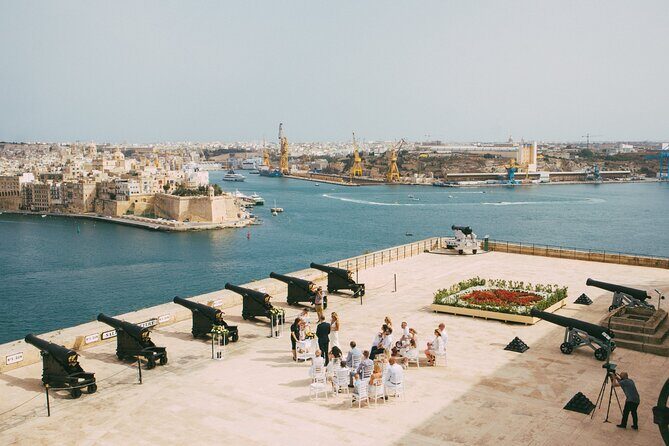
Then you’ll reach Our Lady of Victories Church. The itinerary frames it around a classic Valletta fact: a famous hero of Malta’s history was buried here. Even without getting lost in a long lecture, this is a stop where the guide can connect national memory to a specific location.
A church stop can go two ways. Either it’s a quick look and you move on, or it becomes a memorable window into how Malta preserves identity. In the best versions of this tour style, you’ll leave feeling like you understand why the site matters—not just where it is.
Il-Berga ta’ Kastilja: the architecture checkpoint
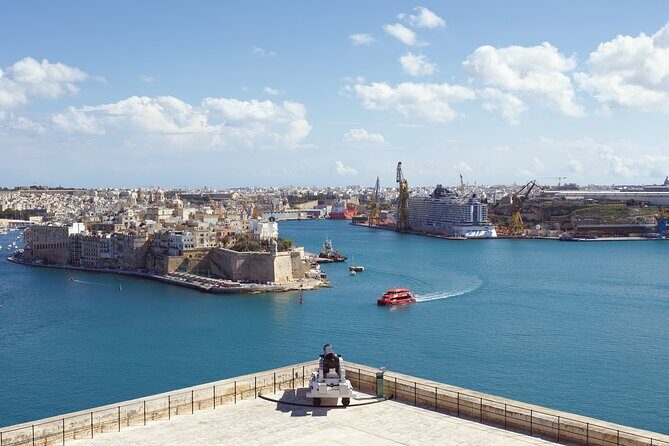
After that, you’ll spend time at Il-Berga ta’ Kastilja, where you’re meant to admire the facade of an important building. This is a great stop if you like architecture and symbolic space. In a compact city like Valletta, a single standout facade can anchor your sense of scale and power.
It’s also short (about 10 minutes), so don’t expect a museum-style deep dive. Expect a clean “what to look for” explanation: what this building represented and how it connects to the city’s fortified identity.
Upper Barrakka Gardens: where the harbor view does the heavy lifting
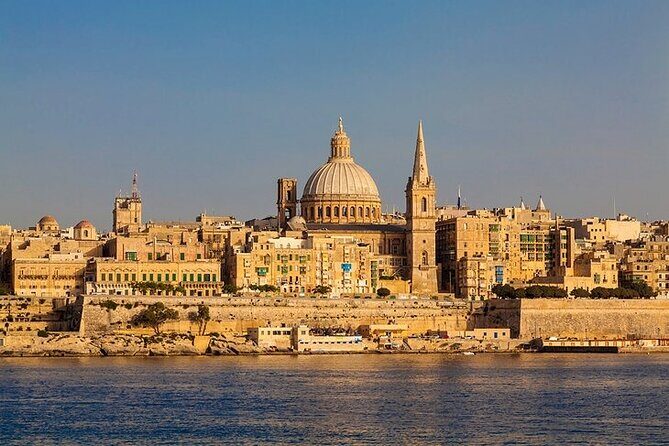
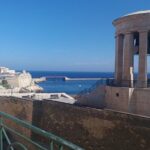
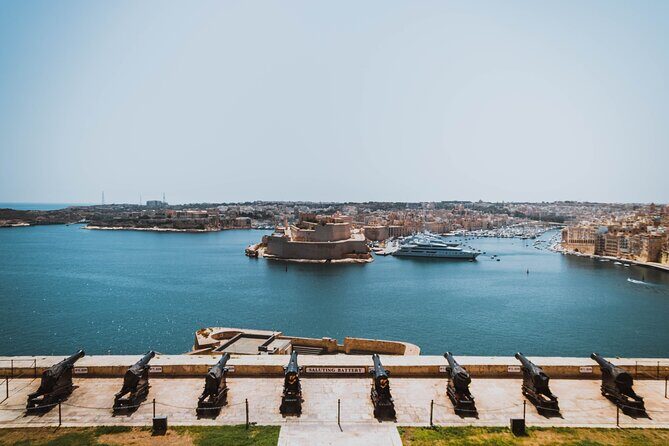
Now you hit one of the tour’s easiest wins: Upper Barrakka Gardens. You get roughly 30 minutes, and that extra time matters because views can’t be rushed. This is where you slow down and actually take in the Grand Harbour area from Valletta’s vantage points.
If you’ve been staring at stone for an hour, this is your reset. You’ll understand why the city’s defensive layout and harbor geography go together. Even if you’re not a “views person,” you’ll come away with better orientation for the rest of the walk.
You can also read our reviews of more private tours in Malta



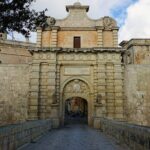

Auberge d’Italie (Museum of Fine Arts): art without the detour
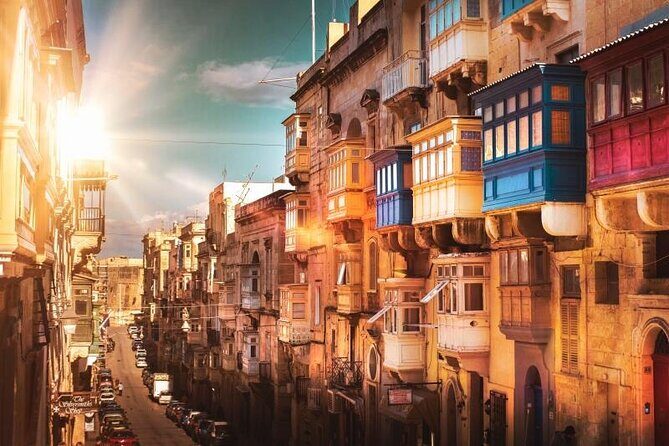
Next is Auberge d’Italie, described as a site connected to the new Museum of Fine Arts. The stop is brief (around 5 minutes), so you’re not promised an extended art session here. But it signals something important: Valletta’s story isn’t only battles and fortifications. It’s also civic culture and patronage—often expressed through buildings tied to the arts.
If you care most about art, you’ll probably want to keep this stop in your sights longer during your customization. Because it’s private, the guide can usually adjust your pacing.
Palazzo De La Salle: a “who lived here” puzzle
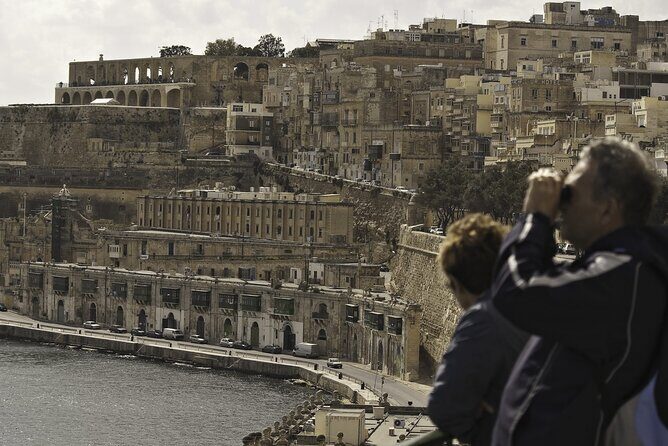
Then you’ll reach Palazzo De La Salle, seat of the Malta Society of Arts. The itinerary spotlights a question: which world-famous historical figure once spent time living here?
This stop is valuable because it invites curiosity. Valletta’s palazzi can look similar until you learn the specific “connection point” the guide wants you to remember. If the guide makes that figure feel real—where and why they mattered—you’ll remember the building far longer than you would from a generic exterior photo.
St John’s Co-Cathedral: where famous art turns into a story
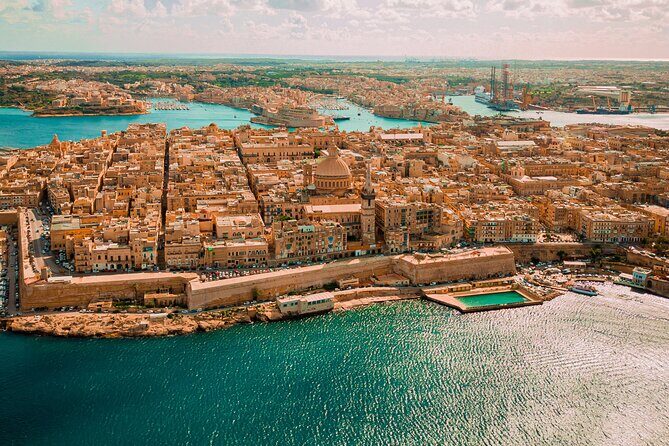
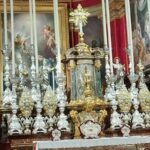
At St. John’s Co-Cathedral, your tour shifts from architecture and skyline to the inside narrative. You’ll hear stories about famous artists whose works are depicted here. This is also where you should plan for paid admission if you want to go in.
Important note: St. John’s Co-Cathedral and museum entry is not included, and the stated cost is €15.00 per person. That’s the main extra expense on the route.
One of the standout reasons this stop matters is that it’s tied to major art—Caravaggio is specifically referenced in the experience’s positive moments. Even if you’re not an art expert, the guide’s job is to help you read what you’re looking at: symbolism, style, and why the artwork is placed where it is.
St George Square: Valletta’s main square as a “pause point”
You’ll then visit St George Square, Valletta’s main square. The itinerary keeps it to about 10 minutes, which makes sense. A square is a pause point, not a destination you need an hour to appreciate.
This is where you re-orient one last time. If you’re planning your remaining time in Valletta after the walk, this square is a strong reference point for mapping where you’ll go next—especially for wandering into side streets.
Grand Master’s Palace: a big landmark, with admission not included
After the square comes Grand Master’s Palace. You’ll learn why the building was important across centuries, but admission is marked as not included.
That means you’ll want to decide ahead of time: do you just want the exterior context and guided explanation, or do you want to budget for inside access separately? Since the walk is already built for orientation and highlights, even the “look and learn” version can be worth it—especially if your guide explains how the palace relates to what the Order controlled and defended.
The stop described as a majestic fortress: plan to treat it as a viewpoint moment
The itinerary includes a stop described simply as a beautiful and majestic fortress. Because the exact name isn’t specified in the tour details you provided, I’d treat this portion as a fortifications-and-scenery segment. Your guide should connect it to Valletta’s defensive story—where you are in the city’s structure and why this spot mattered.
If you’re the type who likes military architecture, ask the guide to point out what you’re looking at in simple terms: walls, strategic positioning, and how the landscape shapes defense.
Lower Barrakka Gardens: the perfect finishing move
Finally, the tour ends at Lower Barrakka Gardens with about 15 minutes and views toward the lower part of the city. This closing stop is smart. By the end of a walking loop, you want something relaxing. Gardens do that—and they also give you a final “big picture” perspective.
If you’re tired, don’t try to squeeze extra sightseeing immediately after. Sit for a few minutes, take photos if you want, and let your mental map settle.
Price and value: what $90.11 buys you in Valletta
At $90.11 per person for about 3 hours, the value here comes from two things: private guiding and a tight hit list of landmarks. Many group tours cost less, but you lose the ability to ask follow-up questions or tailor pacing.
You also get mostly free entry stops, which helps your budget. The one clearly stated paid element is St. John’s Co-Cathedral and museum entry at €15 per person. So your real cost depends on whether you plan to go inside that main artwork site.
One more value factor: private tours often pay off best when you’re traveling in a small group and you care about context. If you’re the person in your group who asks Why, you’ll get your money’s worth faster.
Customizing your walk without breaking the flow
The tour highlights flexibility to customize your own itinerary. In practice, that means you can steer time toward what you care about most—like pausing longer for a view, spending extra time around art-related stops, or asking for a tighter explanation at a palace or church stop.
Here’s a practical approach: tell the guide your priorities in the first 15 minutes. Simple goals work well, such as:
- I want the art stop to be the highlight.
- I want the harbor views and fortifications emphasized.
- I want practical tips for where to eat and what neighborhoods to explore next.
That last point—where to eat, drink, and explore—is part of what the tour is designed to deliver. And because it’s private, you can ask for specific recommendations based on your pace and tastes, not just generic suggestions.
Logistics that matter more than they sound
Two things can make or break a walking tour like this: where you meet and how early you arrive.
The meeting point is at The Phoenicia Malta, The Mall, Floriana. The end is Lower Barrakka Gardens in Valletta. If your group arrives late or drifts around instead of waiting at the exact spot, you can lose time before the walk even starts.
Also remember the tour runs about 3 hours, but it’s made of short stops plus a couple of longer ones (notably the Barrakka Gardens viewpoint segments). If you have limited mobility or tight timing for later plans, ask the guide how they usually balance those longer breaks.
Finally, there’s no private transportation included. This is a walking experience, and that’s part of why it works: you’re moving through the city rather than hopping between distant areas.
Who should book this Valletta private walk?
This tour is a good fit if:
- you want a private guide so you can ask questions as you go
- you’re visiting Valletta for the first time and want a route that gives quick orientation
- your group enjoys seeing a mix of churches, palaces, squares, and harbor views in a single afternoon
- you’d like insider tips for where to eat, drink, and explore after the walk
It may be less ideal if:
- you need a very long, inside-focused museum day (most stops are brief, and St John’s has an optional paid entry)
- you’re traveling with people who hate walking and prefer slower, sit-down sightseeing throughout
Should you book Discover Valletta Private Walking Tour?
If your goal is getting your bearings fast and seeing the landmarks that define Valletta, I’d say this tour is worth considering—especially because it’s private and designed to be flexible. The value improves further if you’re going to pay for St. John’s Co-Cathedral and its museum (budget €15 per person) so the art stop becomes your big anchor moment.
My advice: before you go, decide whether you care most about art, fortifications, or city layout, then tell your guide early. And be strict about meeting at the exact start point on time at The Phoenicia Malta. When those two pieces line up, this kind of walk can turn Valletta from a list of monuments into a place you understand.
FAQ
How long is the Discover Valletta Private Walking Tour?
It lasts about 3 hours (approx.).
Is this tour private or shared?
This is a private tour/activity. Only your group participates.
What stops are included during the 3-hour walk?
The itinerary includes The New Parliament, Pjazza Teatru Rjal, Our Lady of Victories Church, Il-Berga ta’ Kastilja, Upper Barrakka Gardens, Auberge d’Italie, Palazzo De La Salle, St. John’s Co-Cathedral, St George Square, Grand Master’s Palace, a fortress stop, and Lower Barrakka Gardens at the end.
Is St. John’s Co-Cathedral entry included in the price?
No. Entrance fee for St. John’s Co Cathedral and the museum is €15.00 per person, and it is listed as not included.
Where does the tour start and end?
It starts at The Phoenicia Malta, The Mall, Floriana, Malta and ends at Lower Barrakka Gardens, Il-Belt Valletta, Malta.
Is transportation included?
No. Private transportation is not included.
What’s the tour language?
It is offered in English.
Can I cancel and get a refund?
Yes. You can cancel for free up to 24 hours in advance for a full refund. If you cancel less than 24 hours before the start time, the amount paid is not refunded.