REVIEW · GOZO
Cooking Class in Gozo with Market Visit
Book on Viator →Operated by Gastro Gozo · Bookable on Viator
Market smells and pastry lessons in Gozo. This market-to-table cooking class pairs a short ingredient walk with hands-on time in an open kitchen where you learn Maltese favorites like pastizzi and ftira. I like that you start by picking what you’ll cook from local shops, so the food story feels real. I also like that the class ends with lunch based on what you made, plus a recipe handout for cooking at home later.
One thing to plan for: the cooking space is reached by a couple of stairs, so if you’re dealing with an injury or mobility limits, factor that in before you go. Also, the activity depends on good weather, since part of it includes walking around the market area.
In This Review
- Key Highlights
- Market-to-Table Start at Maldonado Bistro Gozo
- The Market Walk in Gozo: Where Dishes Begin
- Open Kitchen Cooking: Hands-On, Not Just Watching
- What You’ll Cook in Gozo: Pastizzi, Ftira, and Nougat
- Pastizzi: Savory Snack Energy
- Ftira: A Gozitan Staple You Can Make Yourself
- Traditional Nougat: The Sweet Finish
- Lunch Based on Your Work: Eat It While It’s Fresh
- Price, Time, and Value: Is It Worth $77.08?
- Who Should Book This Gozo Cooking Class?
- Should You Book Gastro Gozo’s Market Visit Cooking Class?
- FAQ
- What time does the Cooking Class in Gozo with Market Visit start?
- How long is the cooking class?
- Where do I meet for the tour?
- Is this cooking class shared, and how many people are in the group?
- Do you visit local shops during the market walk?
- What Maltese dishes might I cook?
- What do I eat at the end?
- Do I get recipes to take home?
- What should I know about weather and cancellation?
Key Highlights
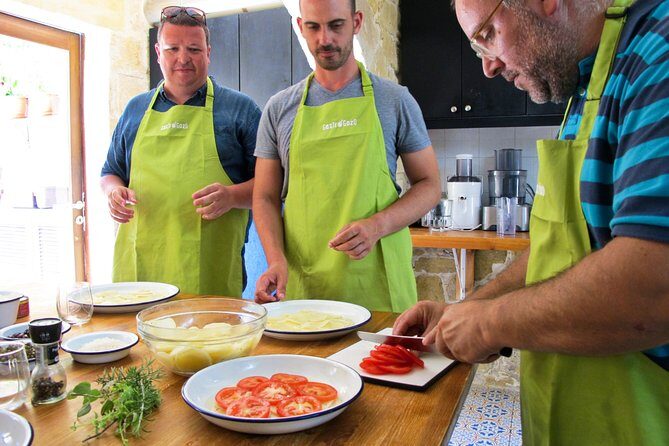
- Market ingredient walk that can include a fishmonger, cheese maker, and butcher
- Small-group format with a max of 12 for more attention and less waiting
- Hands-on Maltese cooking with guidance as you make dishes like pastizzi and ftira
- Air-conditioned, equipped kitchen above the restaurant to keep things comfortable
- Lunch on your work with water and a glass of wine or beer, plus recipes to take home
Market-to-Table Start at Maldonado Bistro Gozo
You’ll start at Maldonado Bistro Gozo, meeting at 18 Mons. Luigi, Mons Vella, in Ir-Rabat Għawdex, Malta. The class begins at 10:00 am and runs about four hours, and it ends back at the meeting point. There’s a mobile ticket, and the meeting spot is near public transportation, which is helpful if you’re also hopping around Gozo that morning.
When everyone arrives, you head up to the open kitchen space above the restaurant. It’s a simple but smart setup: you’re not stuck reading about Maltese food. You’re in the place where the cooking happens, and you get a quick briefing on the recipes planned for the day. The early prep is light, which sets you up to jump into cooking without feeling rushed.
This first phase matters because it frames how Maltese food works: ingredients first, then technique, then the final dish. You’ll also get a sense that the host isn’t treating this like a factory lesson. They bring personal memories into the cooking process, which is part of what makes the class feel like Gozo, not just a cooking demo.
You can also read our reviews of more shopping tours in Gozo
The Market Walk in Gozo: Where Dishes Begin
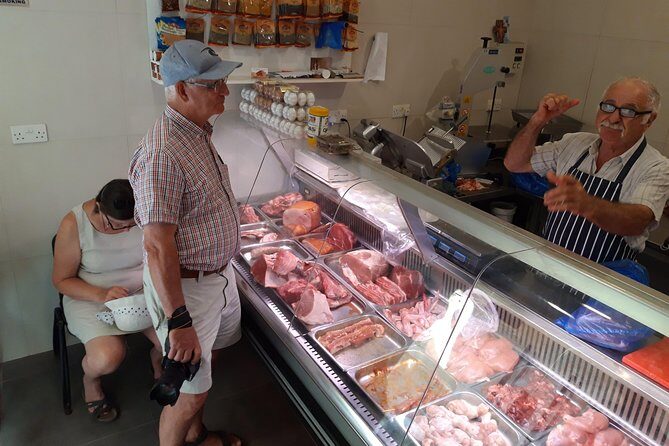
After initial prep, you walk to the market centre to pick up ingredients you still need. The route isn’t the same every day, because it depends on what’s on the menu. Still, you can expect stops that may include a fishmonger, a cheese maker, and a butcher.
Here’s why that walk is more than a cute add-on. Maltese cooking leans on local staples, and the market visit helps you connect the dish to what’s actually available. You’ll see the ingredients in real life, not just as items on a label. And when it’s time to cook, you’ll understand why you’re using this type of cheese or that cut of meat, and why the fish counter shows up when certain recipes call for it.
One nice detail is that you’re not doing this at a frantic pace. You get time as you go, and the host shares context along the way. In past sessions, that’s included extra stops like a cheese-maker visit and even a coffee stop during the walk, depending on the day’s shopping list.
If you like food that tastes like place, the market component is where it clicks. It’s also a good warm-up for your hands-on cooking later, since you’ll already have a mental map of what you’re buying and why.
Open Kitchen Cooking: Hands-On, Not Just Watching
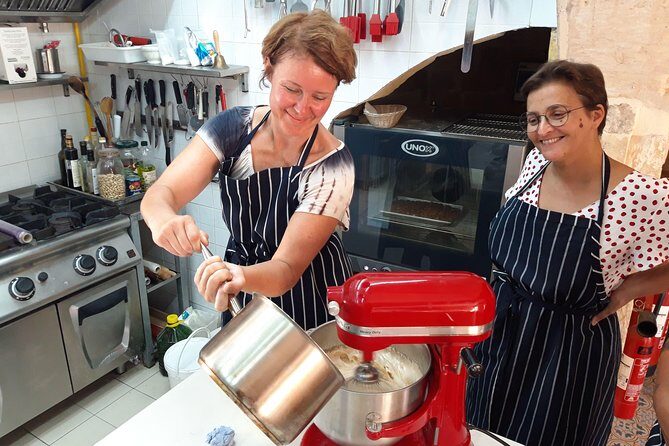
Once the market stop is done, you return to a fully air-conditioned kitchen with the tools you need. This matters on Gozo. Even when the morning is pleasant, kitchens can get stuffy fast, and air-conditioning keeps the experience comfortable—especially if you’re cooking, standing, and moving around.
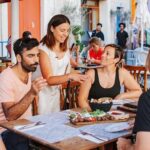
The class is shared and capped at 12 travelers, which I think is the sweet spot. It’s small enough that you’ll actually get help when you need it, and it’s big enough that there’s a social buzz in the room. You’re not circling the same set of questions with the instructor, and you’re not stuck waiting your turn for basic tasks.
Your host—Gastro Gozo’s team includes George and Emilia—teaches with practical instruction and story-based context from childhood memories. That approach helps you remember the why behind the method. You’re expected to participate in the prep, not just stand by. That’s the difference between learning ingredients and learning technique.
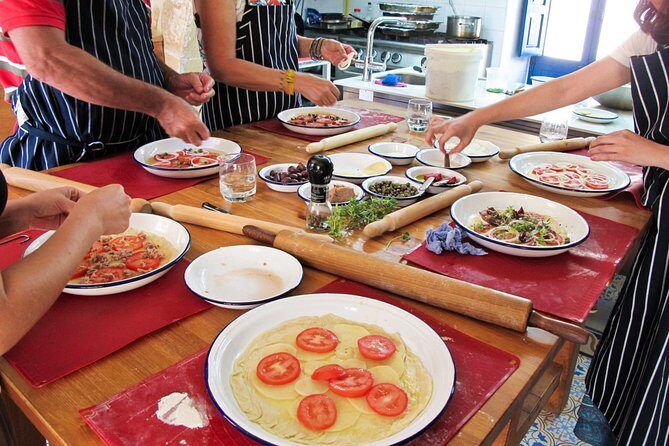
Also, the kitchen format is open and active. You’ll be rolling up your sleeves and working as a group. The host guidance is there to keep things on track, but you’re still the one making the food.
What You’ll Cook in Gozo: Pastizzi, Ftira, and Nougat
The menu can shift based on what’s available and what the day’s recipes require, but you should expect traditional Maltese dishes with a strong Gozitan feel. Pastizzi and ftira are common highlights, along with traditional sweets like nougat.
Pastizzi: Savory Snack Energy
Pastizzi are one of those foods that can seem simple until you’re actually making them. This class gives you the chance to work on savory snack components with guidance. You’ll focus on getting the right handling and preparation steps, rather than just aiming for a finished plate.
When you’re cooking pastizzi in a group setting, you also learn quickly from watching others (and getting corrected fast if something needs tweaking). It’s a good dish for confidence because you can see progress as the shapes and fillings come together.





Ftira: A Gozitan Staple You Can Make Yourself
Ftira is a core part of the experience. I like that you’re not only discussing it—you get the opportunity to make a Gozitan ftira yourself and see the result when it’s cooked.
Ftira tends to feel more hands-on, since it’s about building and shaping, not just filling. That makes it a great choice for people who want to go beyond pastries-for-dinner and learn something that’s deeply local.
Traditional Nougat: The Sweet Finish
You’ll also make traditional nougat, which gives your cooking class a full range: savory classics and a traditional sweet. If you’re the type who always wants dessert but sometimes ends up skipping it in cooking classes, this is a nice balance.
Even if you don’t consider yourself a baker, working with nougat in a guided session helps you understand how Maltese sweets are built. You’re learning process, not just tasting the final product.
Lunch Based on Your Work: Eat It While It’s Fresh
After cooking, you sit down to lunch—using the results of your morning. It’s served with water and a glass of wine or beer. I like this format because it removes the awkward part of some classes: you spend time cooking, then the meal feels like an afterthought. Here, your food becomes the meal.
You’re getting a shared lunch with the group, which makes it easier to relax and talk while you eat. Since the class is designed for small groups, the tone stays friendly and practical. You’ll also likely have plenty of questions by the time you’re eating, and the host can help translate what you made into simpler home methods.
One extra plus: you’re not just leaving with a full stomach—you also take away a copy of the recipes used in class, plus a food souvenir. That matters because it turns the experience into something you can repeat. You can recreate the day at home, using the same dishes as your anchor.
Price, Time, and Value: Is It Worth $77.08?
At $77.08 per person for about four hours, this class isn’t a quick snack workshop—it’s a full morning experience with real time investment. The best way to judge the value is to look at what’s included.
You’re paying for:
- a market walk to source ingredients (with stops that can include fish, cheese, and meat)
- hands-on cooking in an air-conditioned equipped kitchen
- instruction from George and Emilia style guidance with stories and practical tips
- lunch based on what you cooked, plus water and a glass of wine or beer
- a take-home recipe copy and a food souvenir
When you add those pieces together, the price feels more like “you’re buying time + teaching + ingredients + meal,” not just “a cooking session.” Also, the class being max 12 means the instructor attention is less diluted than you’d get in bigger groups.
Timing is another value point. Since it finishes back at the meeting point and leaves enough of the day open, you can still explore Gozo afterward—perfect if you don’t want your trip to be anchored around a long tour.
A final note: it’s a shared class, so expect a group dynamic. If you want private, one-on-one attention, this may not be the format. But if you want a fun, guided food morning with others, the shared setup is part of the charm.
Who Should Book This Gozo Cooking Class?
This experience is a great fit if you want Maltese cuisine with a grounded, local feel. The market step, the open kitchen format, and the chance to cook pastizzi and ftira are ideal if you like learning through doing.
It’s also a smart pick for:
- Families (including teenagers), since the work is hands-on and the group size stays manageable
- Couples who want a morning activity that feels different from sightseeing
- Solo travelers who want social time without giving up a guided plan
- Food-first travelers who care about technique and ingredients, not just photos
If you enjoy food tours that have a practical outcome—something you can cook again at home—this checks that box with the recipe copy.
The main reason to rethink booking is simple: if stairs are a problem for you, the cooking space being up a couple stairs can be an issue. And, because the activity requires good weather, you’ll want to be okay with a reschedule option if conditions aren’t right.
Should You Book Gastro Gozo’s Market Visit Cooking Class?
I’d book it if you want a Gozo experience that mixes shopping, cooking, and eating in one smooth morning plan. The combination of market sourcing, hands-on instruction for classics like pastizzi and ftira, and lunch with wine or beer makes it feel like real value rather than a one-time demo.
Book it especially if you like learning Maltese cooking as a system: ingredients first, then technique, then the final dish. The recipe handout and souvenir help you take the day home in a way a regular restaurant meal can’t.
Skip it only if mobility limits make the stairs a deal-breaker, or if you know you won’t be able to handle the weather-dependent walk portion.
FAQ
What time does the Cooking Class in Gozo with Market Visit start?
The class starts at 10:00 am.
How long is the cooking class?
It lasts about 4 hours.
Where do I meet for the tour?
You meet at Maldonado Bistro Gozo, 18 Mons. Luigi, Mons Vella, Ir-Rabat Għawdex, Malta.
Is this cooking class shared, and how many people are in the group?
Yes, it’s a shared class, with a maximum group size of 12 travelers.
Do you visit local shops during the market walk?
Yes. The walk to the market centre can include stops at a fishmonger, a cheese maker, and a butcher, depending on the recipes for the day.
What Maltese dishes might I cook?
The class includes hands-on preparation of traditional Maltese recipes that may include pastizzi and ftira, plus traditional nougat.
What do I eat at the end?
You’ll have lunch made from what you cooked, accompanied by water and a glass of wine or beer.
Do I get recipes to take home?
Yes. You’ll be given a copy of all recipes used during the class.
What should I know about weather and cancellation?
The activity requires good weather. If it’s canceled due to poor weather, you’ll be offered a different date or a full refund.