REVIEW · SIGGIEWI
The Limestone Heritage Park and Gardens (Entry Ticket)
Book on GetYourGuide →Operated by Robert Arrigo & Sons Limited · Bookable on GetYourGuide
Malta’s limestone has a story—this park tells it. The audio-visual presentation and audio-guided walkthrough (in 17 languages) make it easy to follow the site’s 7,000-year timeline without needing a live guide. I especially liked the mix of hands-on feeling and real place-based history, from the Punic tomb (dating back to 400 B.C.) to live stonework demos. One thing to consider: it’s compact and self-paced, so if you want a long, high-energy “tour day,” plan your day around a quieter pace.
Set in the traditional village of Siggiewi, this family-run outdoor attraction blends geology, small museum spaces, and garden paths with an animal farm stop. You can also slow down after your walkthrough in the citrus gardens, then grab a coffee or Maltese snack nearby (food and drinks cost extra). The big drawback for some people is simple timing: the venue closes early and last entry is 30 minutes before closing.
In This Review
- Key highlights you should know
- A one-day ticket to Malta’s limestone story in Siggiewi
- Audio-visual intro plus 17-language audio walkthrough
- Geology section and museum hall: how stone becomes culture
- The Punic tomb (400 B.C.): your visit has a real anchor point
- Citrus gardens, animal farm, and stonework demos
- Food, tea, and where to spend leftover time
- Price and practical value of an $11 Malta entry ticket
- When to go: hours, last entry, and how to plan your timing
- Should you book Limestone Heritage Park and Gardens?
- FAQ
- What does the Limestone Heritage Park and Gardens entry ticket include?
- How long should I plan for a visit?
- What hours is it open?
- Can I use my ticket at any time during the day?
- Are audio guides available in multiple languages?
- Is the venue wheelchair accessible?
Key highlights you should know
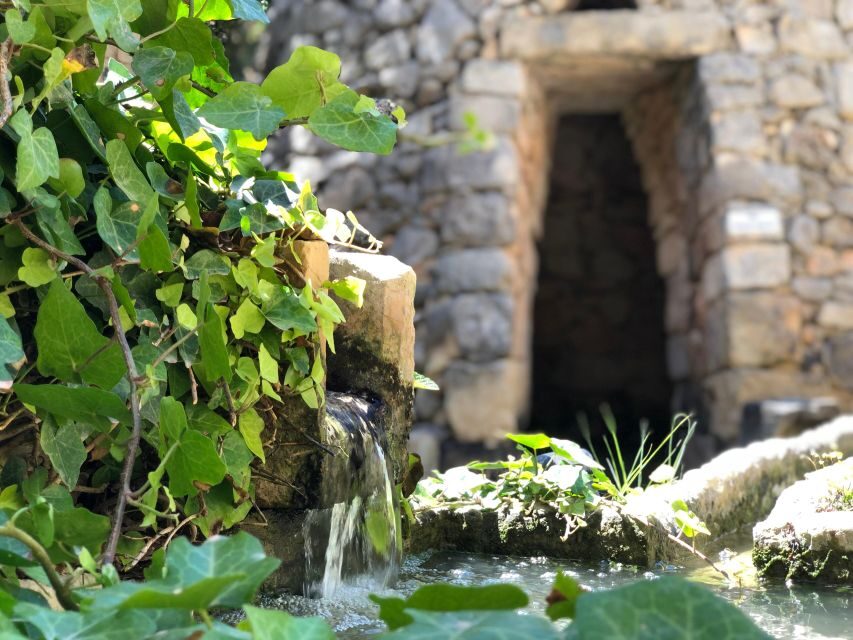
- Audio-visual presentation in 17 languages that sets the scene fast
- Audio-guided walkthrough that lets you explore at your pace
- Punic tomb access (dating back to 400 B.C.) inside the experience
- Geology section and museum hall focused on Malta’s limestone story
- Live stonework demonstrations plus an option to create your own limestone piece for an extra fee
- Citrus gardens and farm animals for a lighter, outdoorsy finish
A one-day ticket to Malta’s limestone story in Siggiewi

This is one of those places that feels like it belongs to Malta, not just to tourism. The Limestone Heritage Park and Gardens sits in Siggiewi, a traditional Maltese village, and the whole setup is built around how limestone shaped daily life on the islands. You get history, but you also get the material side: stone, cutting, building, and the way geology becomes architecture and culture.
The format matters. Your ticket is for a one-day, self-paced visit (no hotel pickup, no included guide). That’s good if you like freedom. It’s less good if you’re the type who wants someone to herd you from stop to stop all day. You’ll be using included audio to move through the key areas.
Also, this is mostly outdoors. Even if some museum elements are indoors, your overall experience is tied to the outdoor venue layout and gardens. If you’re visiting in hot weather, plan to time your visit thoughtfully and keep water in your day bag.
Audio-visual intro plus 17-language audio walkthrough
The smartest part of the experience is how it teaches. You start with an audio-visual presentation that frames what you’re about to see. Then you continue with an audio-guided walkthrough available in 17 languages, so you can actually understand the “why” behind each stop rather than just looking at objects.
Why I like this approach: you don’t have to hunt for English explanations or wait for a staff member. The audio keeps you moving, but you can still slow down when something catches your eye—especially in the geology and museum areas.
A practical note: the host or greeter is English, which can help if you need quick direction on arrival. But once you’re inside, the audio guide does the heavy lifting. If you’re traveling with family and different comfort levels with English, that language flexibility is genuinely useful.
Geology section and museum hall: how stone becomes culture

The geology section is where the park’s idea starts making sense in a tangible way. Malta’s limestone isn’t just scenery—it’s a core part of how people built, carved, and adapted. In this area, you’ll spend time thinking about the material itself, not just the dates on a sign.
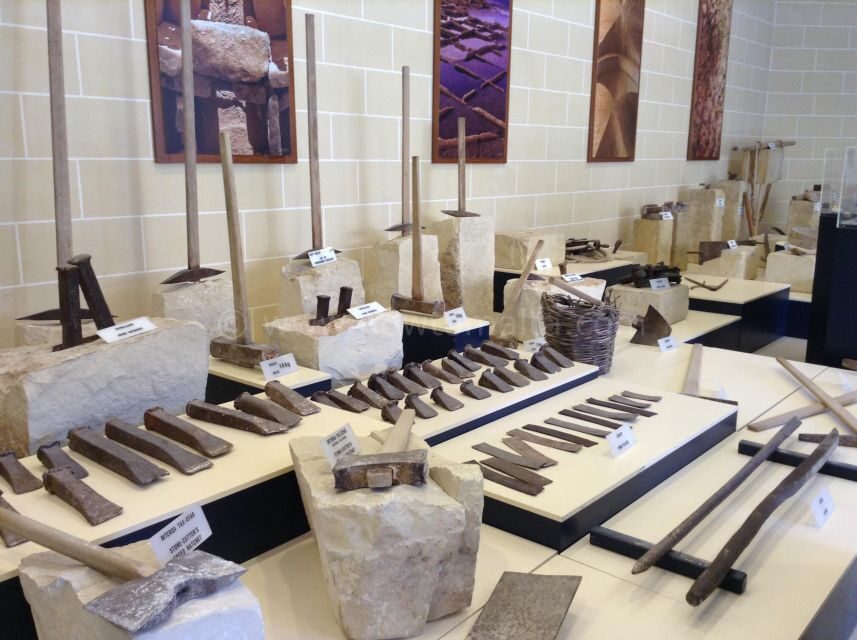
Then the museum hall adds context. Think of it as the indoor anchor that gives the outdoorsy setting a structured storyline. Together, these two stops do a nice job of balancing hands-on curiosity with interpretive explanations. If you like when a museum explains the “materials behind the monuments,” you’ll probably feel at home here.
Potential drawback: because it’s audio-led and self-paced, you have to be willing to stand, listen, and move step-by-step. If you only want quick photo stops, the audio portions can feel like extra time. Still, the fact that everything is included with your entry ticket helps you commit without paying extra for a guided group.
The Punic tomb (400 B.C.): your visit has a real anchor point

One of the most compelling included parts is access to the Punic tomb, dating back to 400 B.C. That’s the kind of reference point that pulls the experience out of the “light history stop” category and into something more meaningful.
Here’s what I find valuable about this setup: the park doesn’t treat ancient history like a separate ticketed attraction. It places it inside the same broader storyline about stone and Malta’s layered past. You’re still in a garden setting, but the timeline is serious.
If you’re sensitive to “small indoor spaces,” just know that tomb visits can feel more enclosed than open-air areas. You’ll want to keep it respectful and give yourself a bit of quiet time during the walkthrough so the audio and the space work together.
Citrus gardens, animal farm, and stonework demos

After you’ve worked through the history and geology stops, the experience softens and becomes more outdoors-friendly.
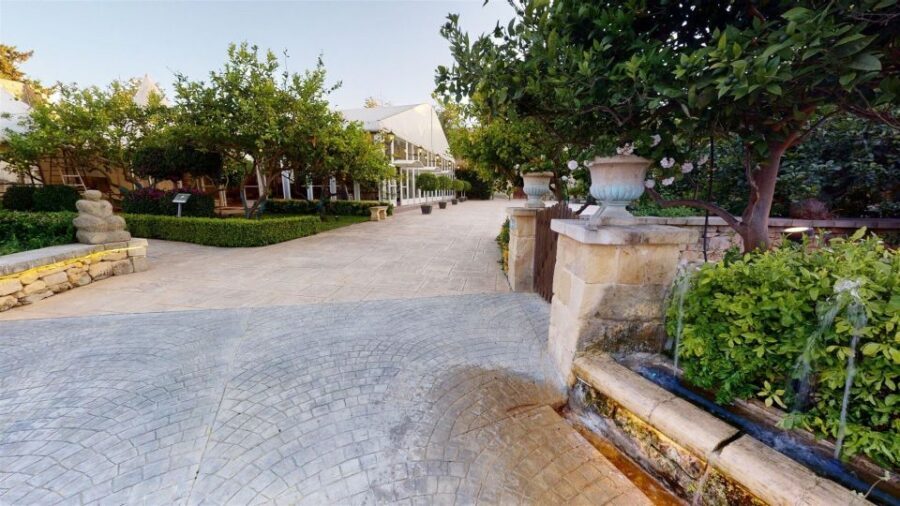
You can spend time in the citrus gardens, then meet the animals at the farm animal park. This is a great break in pace, especially if you’re visiting with kids or you just want a calmer end to the day. It also makes the park feel like a working family venue, not just a museum.
Then there are the live stonework demonstrations. This is where you get something you can’t easily learn from a screen: what stone shaping looks like in real time. You’ll also see how the craft connects back to the earlier lessons about limestone.
Extra option to consider: one review mentioned an activity where you can create your own limestone piece for 5 euros and stay as long as you want to make it perfect. That suggests there may be a small hands-on add-on beyond the demonstrations. If you’re interested in a takeaway you shaped yourself, it’s worth checking on-site.
Food, tea, and where to spend leftover time
The park makes it easy to linger without turning your visit into a full restaurant mission. Before you leave, you can relax over tea or coffee, and there are snacks available like a Maltese platter and Maltese tuna ftira. Important: food and drinks aren’t included in the ticket price, so treat it as optional.
There’s also a shop selling genuine Maltese goods and stone souvenirs. No pressure to buy. Still, this is one of the few places where the souvenirs feel connected to the theme of the visit, not random trinkets.
If you’re trying to stretch your day, this is a good place to do it. Plan a little buffer for the shop and for letting the gardens slow you down before you head back to your main Malta base.
Price and practical value of an $11 Malta entry ticket

At about $11 per person, this ticket can feel like good value—especially because it includes a lot that other attractions often charge extra for. With the entry fee, you get:
- Audio-visual presentation
- Audio-guided walkthrough in 17 languages
- Access to museum hall and geology section
- Access to the Punic tomb (400 B.C.)
- Time in the citrus gardens
- Access to the farm animal park
- Live stonework demonstrations
The “value math” here is simple: you’re paying for a full day of themed areas plus the interpretive audio system. And you’re not paying for a separate guided service.
Where the price might not feel right is if you only want a quick “see the tomb and go” visit. The best way to justify the ticket is to treat it as a full stop where you actually listen to the audio and walk the route. The self-paced format can be your friend, but only if you give it time.
When to go: hours, last entry, and how to plan your timing
This place runs on a tight schedule. It’s open:
- Monday to Friday: 9:00 A.M. to 4:00 P.M.
- Saturday: 9:00 A.M. to 12:00 P.M.
- Closed Sundays and public holidays
Last entry is 30 minutes before closing. Also, your ticket works on your booked day and you can use it at any hour within opening hours—but it’s one-time entry only, so you’ll want to commit to your day plan once you walk in.
If you’re building a Malta day around this attraction, I’d suggest arriving earlier rather than later, especially if you want to catch demonstrations and still have time to linger in the gardens and farm area. Since it’s audio-led, starting with enough daylight and time makes everything feel calmer.
Should you book Limestone Heritage Park and Gardens?

Book it if you want a quiet, well-explained Malta stop that blends limestone geology, a Punic tomb, and outdoor gardens with a family feel. It’s also a strong pick if you care about language options, since the audio guide covers 17 languages.
Skip it (or at least be cautious) if you only want a fast hit of ancient history and you prefer a full guided-group experience with lots of people talking at you. Because it’s self-paced and audio-led, you’ll get the most out of it when you’re in the mood to walk, listen, and take your time.
If you’re visiting Malta and you like the idea of learning how the island’s stone shaped real life, this is one of the more sensible ways to spend a day ticket.
FAQ
What does the Limestone Heritage Park and Gardens entry ticket include?
Your ticket includes entry to the park, an audio-visual presentation, an audio-guided walkthrough (in 17 languages), access to the museum hall and geology section, access to the Punic tomb (400 B.C.), access to the citrus garden, access to the farm animal park, and live stonework demonstrations.
How long should I plan for a visit?
The experience is listed as a 1-day visit. Since it’s self-paced with an audio-guided walkthrough plus multiple areas (geology, museum hall, tomb, gardens, farm, demos), you’ll want to allow most of the opening window to take it in comfortably.
What hours is it open?
It’s open Monday to Friday from 9:00 A.M. to 4:00 P.M., and on Saturday from 9:00 A.M. to 12:00 P.M. The last entry is 30 minutes before closing. It’s closed on Sundays and public holidays.
Can I use my ticket at any time during the day?
Yes. You can use the ticket on your booked day at any hour during opening hours. However, it’s a one-time entry ticket, and re-entry isn’t allowed.
Are audio guides available in multiple languages?
Yes. The audio-guided walkthrough and the audio-visual presentation are available in 17 different languages. The listed languages include English, Maltese, French, German, Italian, Dutch, Russian, Spanish, Greek, Portuguese, Swedish, Danish, Finnish, Norwegian, Polish, Chinese, and Japanese.
Is the venue wheelchair accessible?
Yes. The Limestone Heritage Park and Gardens is listed as wheelchair accessible.