REVIEW · MALTA
Syracuse and Marzamemi Sicily Tour
Book on Viator →Operated by Virtu Ferries LTD · Bookable on Viator
Sicily hits fast on a morning ferry. I like the high-speed catamaran crossing because it keeps the day moving and helps you spend more time onshore, not just in transit. I also like the focus on Ortigia and the chance to see architecture layers from Greek to Norman to Baroque. One caution: this is a long, full-day outing with serious coach time, so you’ll want to dress for heat, plan for fatigue, and accept that some stops are brief.
You start early, 6:30am, and the tour is built around meeting your team and then rolling straight into Sicily by sea, followed by a climate-controlled bus. The group is kept small, up to 15 people, and you’ll have a local guide plus a driver/guide working the day. If you’ve ever been stuck in a huge group, the smaller size here is a real quality-of-life upgrade.
The day also includes a tasting with Sicilian wine and sweets, plus free time in Modica to wander at your pace. If you prefer tightly scheduled, stop-by-stop storytelling with lots of cultural context at every minute, this may feel a bit mixed—one guide noted during operations is Monica, and while commentary can be good, the overall schedule still has a lot of moving parts.
In This Review
- Key things to know before you go
- Crossing to Sicily on a high-speed catamaran from Malta
- Why so much bus time matters (and how to plan for it)
- Syracuse: the big-name city you think you know
- Ortigia and Piazza Duomo: where the layers really show
- Marzamemi: the colourful fishing village with tuna history
- Mt. Etna and Modica: the contrast that makes the day worthwhile
- Tickets and what is actually included
- Price and value: is $157.57 a fair deal?
- Common hiccups to watch for on departure day
- Who this tour suits best
- Should you book the Syracuse and Marzamemi Sicily tour?
- FAQ
- FAQ
- What time does the tour start?
- Where does the tour begin?
- How long is the experience?
- What’s included in the tour price?
- Is food included?
- Which sights are part of the day?
- Do I need a passport?
- Is hotel pickup provided?
- How big is the group?
- What if the weather is bad?
Key things to know before you go
- Fast catamaran crossing: A high-speed boat makes the Malta to Sicily jump feel less like a chore.
- Air-conditioned coach after landing: You trade heat and waiting for comfort during the long transfers.
- Ortigia and the Duomo area get real time: This is one of the best parts of the day for compact walking.
- A quiet fishing village stop: Marzamemi is short and pretty, but it’s not a big-city thrill ride.
- Mt. Etna and Modica are part of the plan: You’ll get contrast—volcanic scenery plus baroque streets—without hotel hassles.
- Small group (max 15): Easier navigation, easier listening, less chaos at meet points.
Crossing to Sicily on a high-speed catamaran from Malta
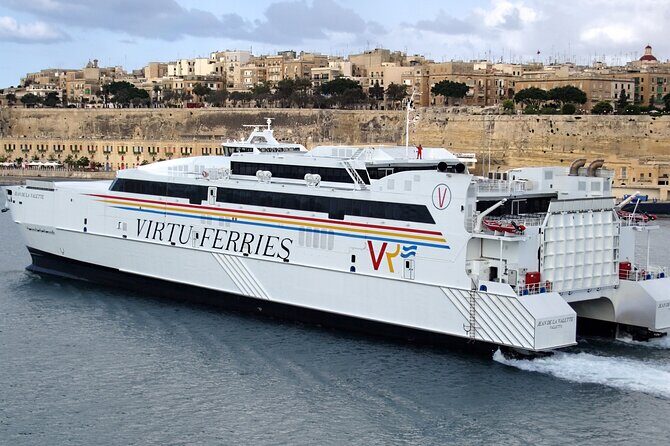
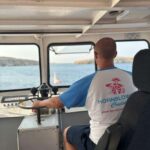
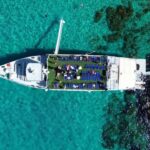
The whole day starts with the boat ride, and that’s not a minor detail. A high-speed passenger catamaran is simply easier on your body than a slower ferry—less time with rolling seas and more time to enjoy what you came for. You get round-trip boat tickets between Malta and Sicily, so you’re not juggling schedules or trying to stitch transport together on your own.
Timing matters here. The tour start is 6:30am at the Sicily Catamaran Marsa in Malta, and the duration you see for the experience includes travel time. That means you’re not just “on the island for a few hours”—you’re doing the whole crossing + coach day in one long stretch.
Also: this is a day built for organization. The tour provides a local guide and driver/guide, and you’ll meet them and then switch from boat to bus as the day evolves. For most people, the flow is straightforward, especially if you keep your travel docs handy and pay attention when the group is called.
You can also read our reviews of more tours and experiences in Malta.

Why so much bus time matters (and how to plan for it)

Here’s the honest tradeoff: after the ferry, you spend a lot of time on a coach to reach the sights. The schedule includes the key anchors of southeast Sicily, but connecting them takes time, even with a climate-controlled vehicle. One of the most common knocks on this kind of day trip is simply that the bus can eat more hours than you’d like.
So plan like a smart day-tripper, not a sprinter. Bring water, wear comfortable shoes, and don’t expect every minute to feel like a guided museum tour. If you’re traveling in summer or in strong sun, treat the coach ride as part of the experience—light layers help, and you’ll feel better when you finally step out into walking time.
There’s also a practical reality at the port: you may want to be proactive about check-in. At the ferry platform, don’t assume someone will be waving you down. Have your confirmation and details ready, and be prepared to get your documents handled at a counter if needed. That’s the kind of “tiny friction” that can turn an easy morning into a stressful one.
Syracuse: the big-name city you think you know
Syracuse is one of those places where the scale surprises you. The tour hits Syracuse as a major stop, and it’s framed around the idea that this was once a powerhouse city—once the most important city in Western Europe. The origin story is tied to Greek settlers beginning around 733 BC, when Sicily became part of Magna Graecia.
In a day trip, Syracuse isn’t about seeing everything. It’s about seeing the most rewarding, compact sections and getting enough time to feel the vibe—stone streets, waterfront energy, and that sense of layering you only get in older cities.
You’ll also benefit from having a guide. Not everyone wants a full narrative at every corner, but having someone point out what you’re looking at can make a short visit feel much longer. If you’re the type who likes history but hates lectures, this format usually works well: you get context, then time to walk and make your own choices.
Ortigia and Piazza Duomo: where the layers really show
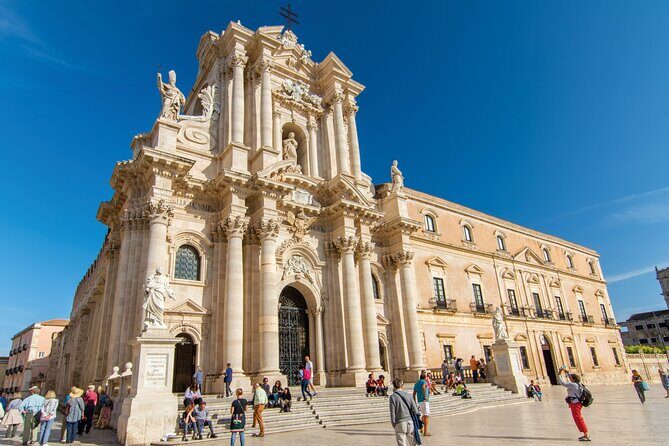
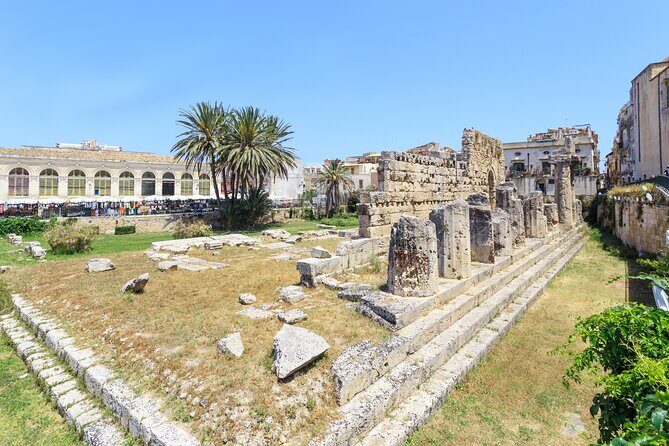
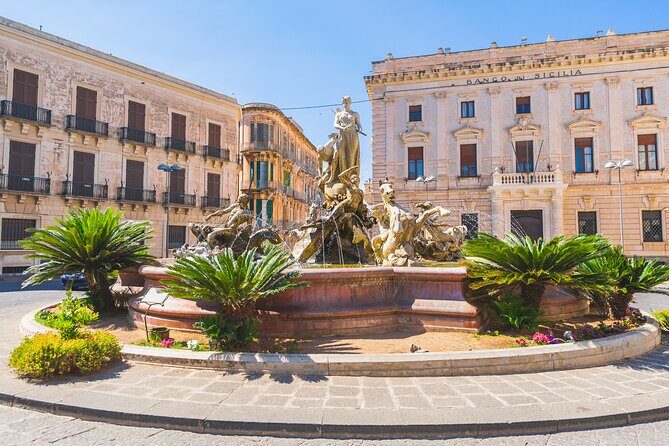
Ortigia is the heart and soul of Syracuse, and it helps that it’s an island joined to the mainland by a short bridge. The tour plans time here so you can connect the dots between the modern city and the ancient layout. Ortygia also tends to feel more human scale than the mainland—perfect for wandering without needing a map every two minutes.
The big star is the Piazza Duomo area. The cathedral complex is described as a site of continued worship for a very long time, and what you’re looking at isn’t one “style,” it’s a timeline made of stone. The Greeks built it as the Temple of Athena. Later, Byzantine conquerors converted the temple into a Christian church rather than destroying it. Normans modified the interior and added a more Christian façade. Then the 1693 earthquake destroyed the façade, and the Sicilian Baroque version you see today was erected.
That’s why this stop works so well on a limited-day itinerary. You get an architectural story in one place, and you can walk away feeling like you actually learned something—without needing to spend hours in multiple museums.
Marzamemi: the colourful fishing village with tuna history
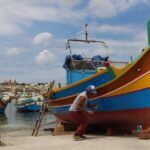
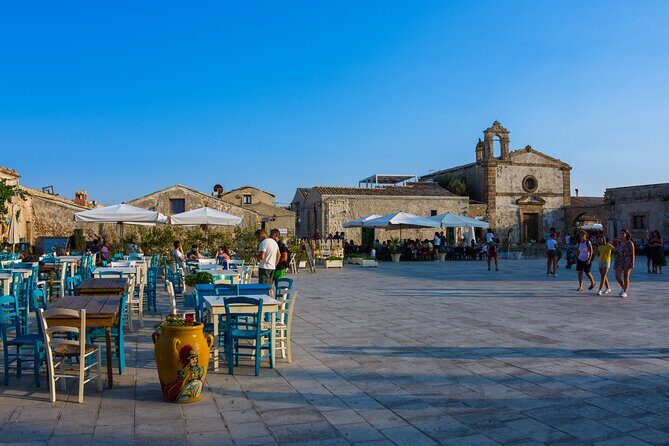
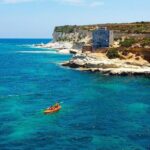
After Syracuse’s grand scale, Marzamemi feels like a deep breath. This is a quaint fishing village about 45 minutes from Pozzallo, and it’s the kind of place that wins you over with details: rows of colourful one-story fishermen’s houses, bright blue doors and windows, potted red geraniums, and small boats against the sea.
The most distinctive feature is the Tonnara, a disused tuna processing plant. It was built by the Arabs back in the 10th century (the X century in traditional dating). Even if you don’t spend long here, the Tonnara gives the village a sense of work and history beyond postcards.
The tour also includes time at the central Piazza Regina Margherita, the natural meeting point. This is where you can slow down and just observe. If you’re expecting a high-energy cultural show, you might find the pace calmer than you want. But if you like atmosphere—sea air, people moving between cafés, and small streets—you’ll likely have fun.
Mt. Etna and Modica: the contrast that makes the day worthwhile
One reason this itinerary is popular is that it doesn’t keep you in only one mood. You go from sea-level villages to the volcanic world of Mt. Etna, then to Modica, a baroque city with a reputation for dramatic buildings and street-level beauty.
The tour includes this as part of the plan, plus free time to see Modica at your own pace. That free time matters. It means you can choose what you personally want—slow strolls, photos, or just finding a quiet corner to watch life move through the streets.
There’s also an included tasting with Sicilian wine and sweets. That’s not just a bonus snack. It’s a quick, low-effort way to connect with local food culture without needing to plan a restaurant reservation during a day trip. If you don’t usually do tastings, treat this as a taste-test pass for what to look for if you return to Sicily on a longer trip.
Tickets and what is actually included
It helps to know what you’re paying for so you don’t feel surprised later. Included features in this tour include:
- Local guide and driver/guide
- Air-conditioned vehicle
- Round-trip boat tickets between Malta and Sicily
- A tasting with Sicilian wine and sweets
- Admission listed for key sights like Ortigia, with other sites marked as free
Food and drinks are not included. That’s important, because you’ll still want water and maybe a snack. Since the day includes many transfers and short stop times, having your own supplies makes the experience smoother, especially on hot days.
You also need to know what you’re not getting. There’s no hotel pickup and drop-off. Meeting is at the Sicily Catamaran Marsa in Malta, and the tour ends back at the meeting point.
Price and value: is $157.57 a fair deal?
At about $157.57 per person, this isn’t a bargain-basement trip. You’re paying for three things that are expensive in time and coordination: the round-trip crossing by high-speed catamaran, the guided ground transport, and the day’s structure that stitches together several major stops.
For value, ask yourself this: do you want to see Syracuse + Ortigia + Marzamemi and still get time on Etna and Modica without planning ferries, buses, and timed entries? If yes, then this price starts to feel more reasonable. If you’re the type who loves independent itineraries and enjoys transport research, you might be able to do parts of it separately, but it would take more work and you’d risk losing time.
The small group size (max 15) also affects value. Less crowding at key moments can mean more comfort, better guidance, and fewer stress points—exactly what you want on a long day.
One more timing clue: on average, the tour is booked around 55 days in advance. That suggests it’s in demand and can fill, especially during higher seasons. If you’re set on going, booking earlier can be a practical move.
Common hiccups to watch for on departure day
Even well-run tours can have small friction points. Here are the main ones you should prepare for:
- Bring a current valid passport. You need it on the day of travel.
- Good weather matters. The experience requires good weather; if conditions are poor, you’ll be offered a different date or a full refund.
- Keep your confirmation handy. At the port, you may need to present it at a counter to get your ferry documents issued.
- Expect a long, mixed day. Some stops are compact. Others feel more relaxed. If you hate any downtime, you might feel impatient by midday.
And one strict rule to understand: refunds won’t be issued if the tour is missed due to late or non-arrival of your cruise ship. If your plans are cruise-based, build in a realistic buffer.
Who this tour suits best
I think this works best for people who want a big sample of southeast Sicily with minimal planning. It’s a good fit if you:
- like guided context but still want free time
- enjoy both historic cities and quiet village atmosphere
- prefer comfort on long transfers via a climate-controlled coach
- are okay with a full day that starts early and moves steadily
It may feel less ideal if you want a slow, deep, only-one-region day. Syracuse and Marzamemi are rewarding, but they’re part of a wider schedule. There’s also limited time per stop, so if you want to do extensive sightseeing beyond the main highlights, you’ll need a separate trip plan.
Should you book the Syracuse and Marzamemi Sicily tour?
If your goal is a well-structured day that mixes ferry speed, guided walking in Ortigia, and a contrasting village stop in Marzamemi—while also checking off Etna and Modica—then I’d say this is a solid option. The included tasting is a nice touch, and the overall setup is designed to reduce decision fatigue.
I’d only skip it if you know you’re very sensitive to long bus days or you hate any schedule where you’re not spending hours in one place. In that case, consider a slower base stay in Sicily instead of a “see a lot in one day” format.
FAQ
FAQ
What time does the tour start?
The tour starts at 6:30am.
Where does the tour begin?
It begins at Sicily Catamaran Marsa in Malta, and it ends back at the same meeting point.
How long is the experience?
The duration is about 14 hours, and that total includes travel time.
What’s included in the tour price?
You get local guide support, a driver/guide, an air-conditioned vehicle, round-trip boat tickets between Malta and Sicily, and an included tasting with Sicilian wine and sweets.
Is food included?
No. Food and drinks are not included, so you’ll want to plan your own snacks and water.
Which sights are part of the day?
The plan includes Syracuse and Ortigia (including the Duomo area), Marzamemi, and also sightseeing time connected to Mt. Etna and Modica.
Do I need a passport?
Yes, you need a current valid passport on the day of travel.
Is hotel pickup provided?
No. There is no hotel pickup or drop-off.
How big is the group?
The tour has a maximum of 15 travelers.
What if the weather is bad?
The experience requires good weather. If it’s canceled due to poor weather, you’ll be offered a different date or a full refund.