REVIEW · ST JULIAN S
St Julians: Discover Scuba Diving Experience
Book on GetYourGuide →Operated by Divewise · Bookable on GetYourGuide
First time under water feels manageable here. You get a certified instructor and a clear plan: safety briefing, equipment basics, then going below the surface in St Julian’s, Malta.
I love the hands-on way you learn—especially the shallow-water practice of key skills like mask and breathing control plus standard hand signals. I also like the patient coaching style from guides such as Jackson, Henry, and Nico, who slow things down until you feel comfortable.
One real consideration is fitness. You’ll need to be medically cleared for recreational scuba, and you must not fly within 12 hours after your session.
In This Review
- Key things to know before you go
- Getting to Westin Dragonara: what the 2.5 hours really includes
- The safety briefing: where confidence starts (and nerves calm down)
- Gear up without guessing: what you’ll learn before you go under
- Shallow-water skills: the step that turns first-timers into confident beginners
- Going below the surface: Mediterranean marine life and reef scenery
- Your instructor experience: why guides like Nico and Iona get so much praise
- Price and value: what $106 buys you in Malta
- What to bring (and what to avoid) so the day stays smooth
- Medical requirements: the one checklist item you should not skip
- Who this experience suits best (and who should look elsewhere)
- Should you book? My take for a first-time scuba experience in St Julian’s
- FAQ
- How long is the St Julian’s scuba training experience?
- Where do we meet?
- What equipment is included?
- Is it beginner-friendly?
- Are there any medical requirements?
- Can I fly after the session?
- What languages do instructors speak?
Key things to know before you go
- 30-minute safety briefing that sets the tone and keeps you on track
- Shallow-water skills first, so you build confidence before anything deeper
- Guides stay close the whole time, with practical corrections as you go
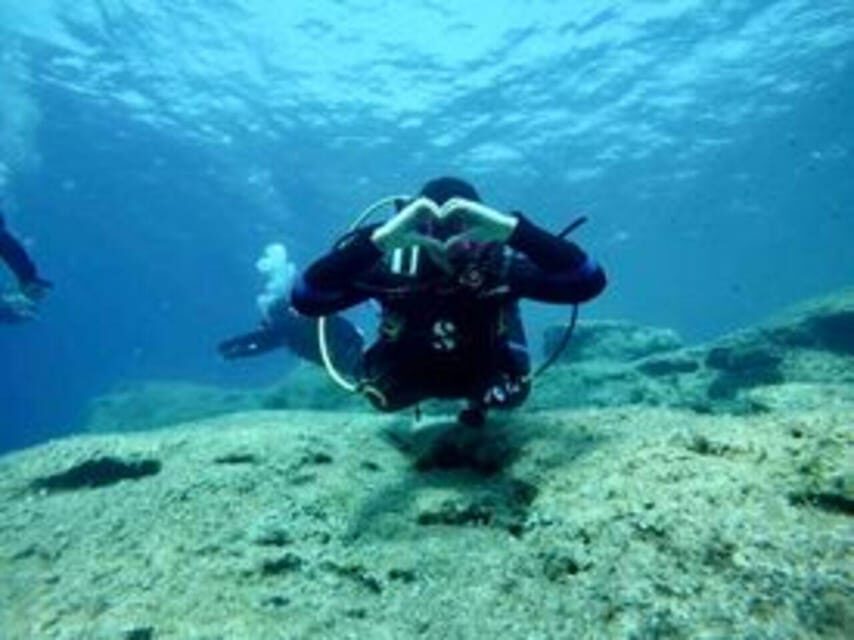
- Mediterranean marine life and reef scenery are the payoff for learning
- Good for true beginners, including people returning after years away
- Some experiences may include WWII wreck sights, depending on conditions and site choice
Getting to Westin Dragonara: what the 2.5 hours really includes
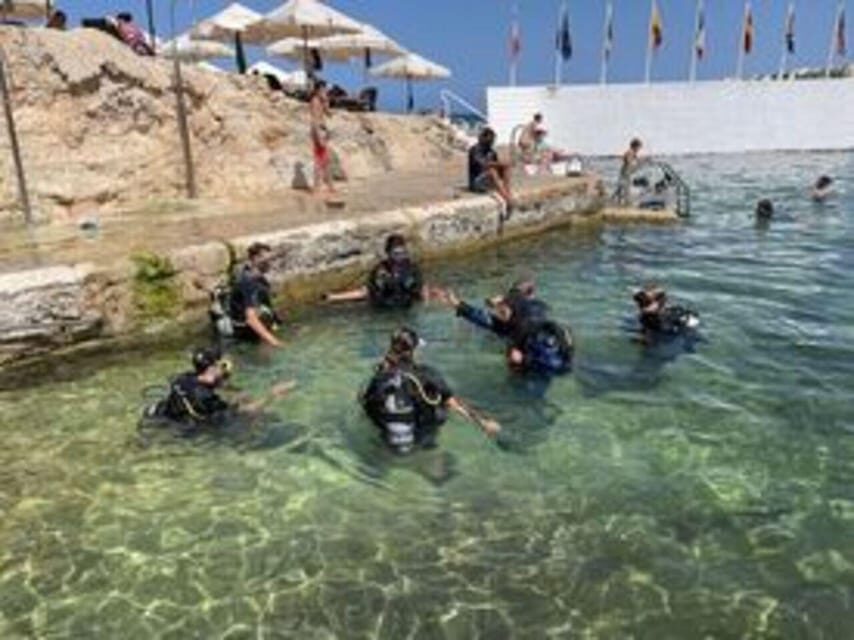
This is a short, focused session, not an all-day production. You meet at the operator’s base at Westin Dragonara Resort (the Divewise meeting point), and from there the group heads straight into training mode.
Plan on about 2.5 hours total, with 30 minutes of safety briefing followed by roughly one hour of instruction and underwater time. That structure matters. It means you spend most of your time learning skills that actually help you enjoy the water, rather than standing around waiting.
If you’re coming from a cruise port, it’s close enough that at least one person reported a quick taxi ride to get there. Still, give yourself a little buffer. Malta traffic and parking can be unpredictable, and you want to arrive relaxed.
You can also read our reviews of more tours and experiences in St Julian S.

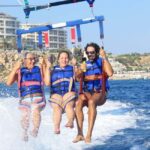
The safety briefing: where confidence starts (and nerves calm down)
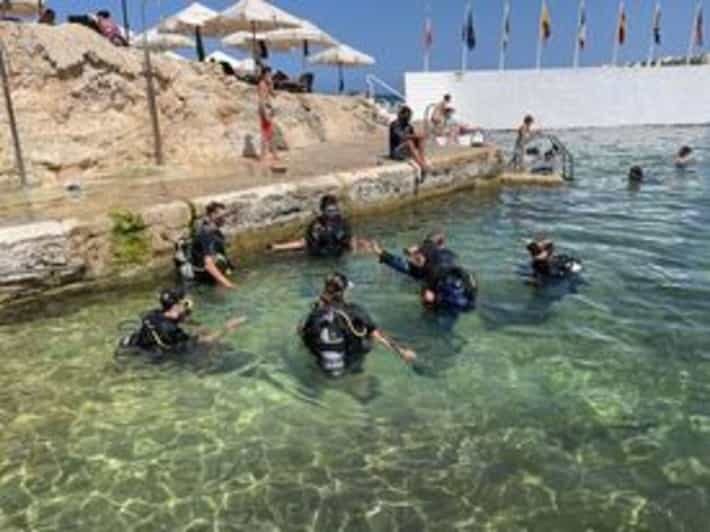
The first chunk of your time is about safety and clarity. You’ll get an orientation and briefing from a certified scuba instructor, with an emphasis on what to do before anything happens underwater.
You can expect:
- How to use the main gear (tank, mask, fins, and regulator)
- Hand signals you’ll use if anything feels off
- Key safety protocols and what the instructor needs you to follow
This is where great guides shine. In the feedback, multiple instructors are praised for being thorough without being rushed. People specifically call out instructors like Jackson and Nico for making sure they remembered the basics and for giving feedback after the session.
If you’re anxious, this part is a win. A solid briefing helps your brain stop inventing worst-case scenarios and start following a plan.
Gear up without guessing: what you’ll learn before you go under
You’ll get suited up with the essentials—wetsuit, fins, mask, and tank—and then you’ll move into skill practice. Even if you’ve never worn scuba equipment before, you’re not expected to figure it out on your own.
In the training, you’ll practice simple but important habits. Some examples from real experiences include:
- Basic mask procedures (including clearing water)
- Regulator and mask handling
- Staying calm and breathing steadily while using the gear
One person even noted that their instructor helped them log the session on the PADI app afterward. That’s not guaranteed, but it hints at a broader “teach-and-support” approach rather than a quick check-and-go.
Quick practical note: bring swimwear so you can change efficiently. You’ll be in gear quickly, and it’s easier if you’re ready to go.
Shallow-water skills: the step that turns first-timers into confident beginners
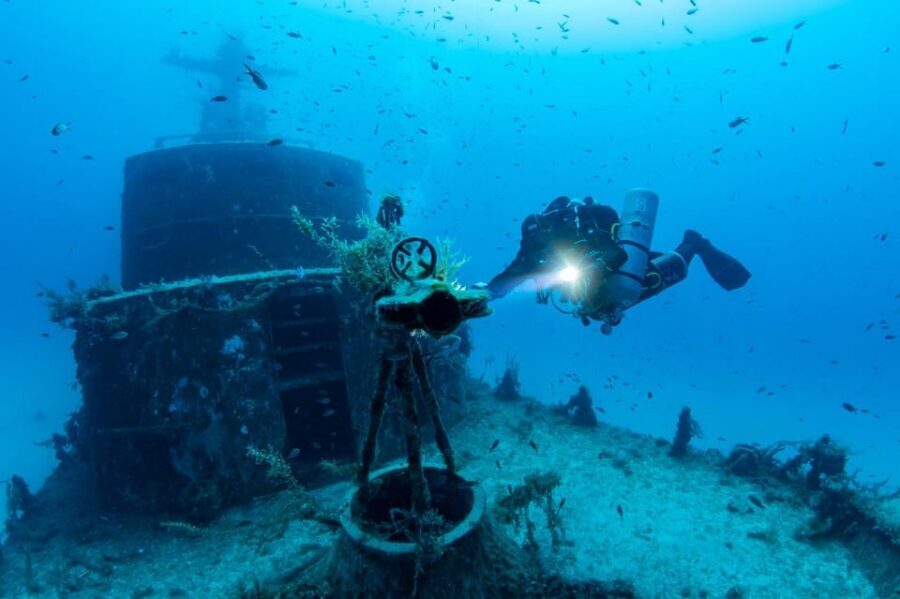
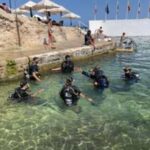
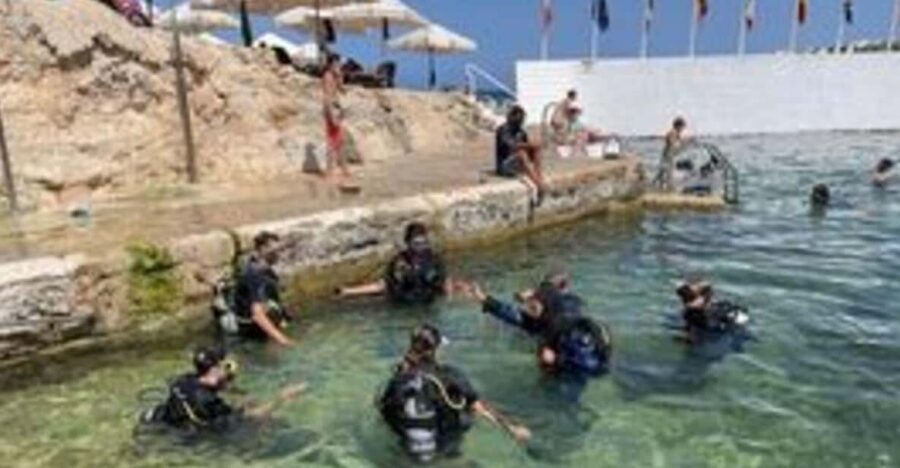
The heart of this experience is the build-up. You start in a pool or calm, shallow ocean area, where you can practice breathing underwater and moving with your equipment.
This matters more than you might think. Many first-time problems aren’t about the ocean—they’re about coordination. Shallow water lets you sort out buoyancy, body position, and breathing rhythm without feeling like you’re fighting the environment.
In feedback, you’ll see the same pattern: instructors are praised for taking longer when needed. People mention extra time to acclimatize, get comfortable with weights, and work out buoyancy slowly.
That patience is the difference between:
- a frustrating first session, and
- a session where you actually remember what you learned.
If you’re a returning diver who has been out of the water for years, this approach also helps. One booking described being nervous after a long break—then feeling much more confident after a careful refresher.
Going below the surface: Mediterranean marine life and reef scenery
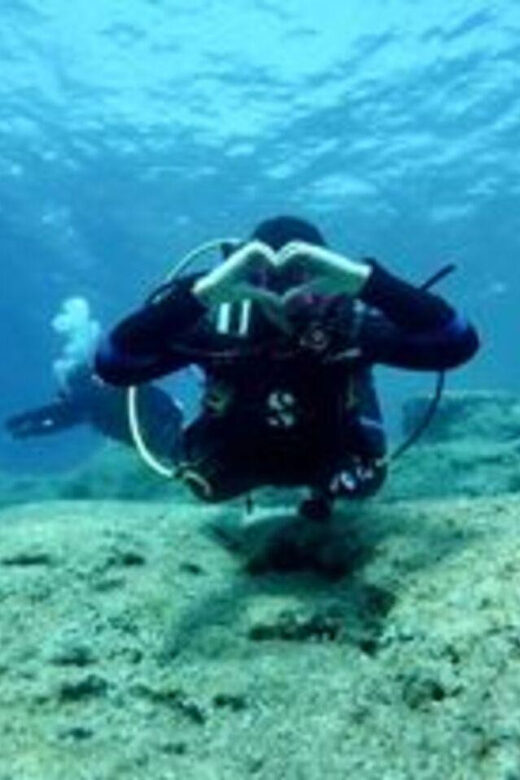
Once you feel comfortable, the instructor guides you below the surface to explore. The goal here isn’t pressure or speed—it’s a guided look at marine life and underwater scenery.
The experience is designed for beginners, so expect the instructor to keep things controlled and close. You’ll likely focus on:
- Mediterranean sea life you can spot during an easy, scenic underwater route
- Reef scenery (as conditions allow)
- Staying within a comfortable depth range where you can enjoy the experience
A fun detail from a real story: one instructor provided a short history lesson on Malta on the way to the water and mentioned a trip intended to see a World War II shipwreck off a Maltese canal, sunk by an Italian bomber. That’s exactly the kind of added context that makes a learning session feel like a proper trip, not just a class.
You won’t get that “surprise museum tour” vibe from every outing, but you can expect the instructor to point out what you’re looking at and keep you feeling safe while you do it.


Your instructor experience: why guides like Nico and Iona get so much praise
With scuba training, the instructor can make or break your day. Here, the repeated theme in feedback is control and clarity—plus the calm tone when someone needs more time.
You’ll see names come up again and again, including:
- Nico (Nicholas) for explaining clearly and keeping everyone comfortable before moving on
- Iona for being a fantastic teacher and providing an easy practical check on regulator and mask procedures
- Henry and Jackson for being thorough, patient, and not rushing
- Mike, who was repeatedly described as diligent with safety and responsive when someone surfaced a bit more often for comfort
Even when instructors taught one-on-one or with additional support, the message was the same: you’re not pushed into discomfort. You’re guided toward comfort.
That’s the best kind of “beginner-friendly” training—where you’re allowed to learn at your pace.
Price and value: what $106 buys you in Malta
At $106 per person for a 2.5-hour experience, you’re paying for three things you’d otherwise have to piece together on your own:
- A real safety briefing with a certified instructor
- Equipment (wetsuit, fins, mask, and tank)
- Guided underwater exploration with the instructor supporting you the entire time
It’s not a cheap add-on, but it’s also not overpriced for what’s included—especially if you consider how much time an instructor spends training you, not just escorting you.
What’s not included is straightforward:
- Meals and drinks
- Personal expenses
So I suggest budgeting a small snack plan around the session. Bring a bottle of water or a drink (the experience specifically notes bringing drinks). You’ll feel better after, and you won’t waste energy hunting for food right away.
What to bring (and what to avoid) so the day stays smooth
This is where you can make the experience easier on yourself. The essentials are simple.
Bring:
- Swimwear
- Drinks
- Beachwear you can change into afterward
Not allowed:
- Alcohol and drugs
That last point matters because instructors need you mentally and physically ready for controlled underwater activity.
Also keep in mind the basics of comfort. You’ll be wearing gear and wetsuit, so plan for a bit of warmth at the surface and cooler conditions underwater. If you’re the type who gets cold easily, a wetsuit helps, but you still may want to keep your cover-up ready for afterward.
Medical requirements: the one checklist item you should not skip
Before you book, review the medical questionnaire. Recreational scuba requires good physical and mental health, and the experience specifically says you should get evaluated by a physician if you have certain conditions or are predisposed to them.
It also lists practical constraints:
- You must not fly within 12 hours of your session.
- People with issues such as heart or breathing problems, certain eye/ear/nasal conditions, epilepsy, a cold, high blood pressure, people with recent surgeries, and others with pre-existing medical conditions may be unsuitable.
If you answer yes to any medical questions, you’ll be required to get medical sign-off from a doctor.
I know this part isn’t fun. But it’s also what keeps the underwater time calm, controlled, and enjoyable.
Who this experience suits best (and who should look elsewhere)
This session is aimed at beginners, and the teaching style supports first-timers and people returning after time away.
It’s not suitable for:
- Children under 10
- People with back problems
- People with heart problems
- People with respiratory issues
- People with epilepsy
- People with a cold
- People with pre-existing medical conditions
- People with high blood pressure
- People with recent surgeries
If you’re under 18, you’ll need parent permission to enrol.
If you match the medical suitability and you want a first underwater experience with strong coaching, you’ll likely enjoy it.
Should you book? My take for a first-time scuba experience in St Julian’s
Book this if:
- you want a structured beginner lesson with clear safety instruction,
- you care more about confidence-building than bragging rights,
- you appreciate instructors who take time with weights, buoyancy, and comfort (and you’ve seen that pattern in the feedback).
Skip it (or ask a medical professional first) if you’re unsure about fitness, especially with the listed respiratory/heart/neurological issues or if you can’t meet the no-flying window.
And one last practical tip: pack like you’re going to the beach, not like you’re going to a gym. You’ll be in swimwear, then in wetsuit and gear, then changing back fast. If you show up ready, the whole session feels smoother—and your brain gets to focus on the fun part: watching Malta’s underwater world while staying in safe hands.
FAQ
How long is the St Julian’s scuba training experience?
It lasts about 2.5 hours total, including a 30-minute safety briefing and around 1 hour of scuba training time.
Where do we meet?
The meeting point is at Divewise at Westin Dragonara Resort in St Julian’s.
What equipment is included?
The experience includes scuba equipment such as a wetsuit, fins, mask, and tank, plus guided use with a certified instructor.
Is it beginner-friendly?
Yes. It’s described as beginner-friendly, with an orientation, safety briefing, shallow-water skill practice, and an instructor guiding you in the water.
Are there any medical requirements?
Yes. You need good physical and mental health, and you should review the medical questionnaire before booking. If you answer yes to medical questions, you’ll need a doctor sign-off. You should also avoid diving if you’re feeling ill.
Can I fly after the session?
No. You need a minimum of 12 hours out of the water before flying.
What languages do instructors speak?
Instructors are listed as speaking English, Spanish, French, Italian, Afrikaans, and Polish.