REVIEW · MALTA
Mdina and Rabat Tour with a local licensed guide
Book on Viator →Operated by Journey Malta · Bookable on Viator
Two old towns, one smart walk. In about two hours, this Mdina and Rabat tour traces Malta’s stone streets with a fully licensed local guide, starting at Mdina Gate and finishing in Rabat near St. Catald Catacomb.
I like two things a lot. First, the pace feels human: you get time to ask questions and actually hear the details behind what you’re seeing. Second, the tour leans into memorable specifics, from an underground church to Rabat’s Foundling Wheel story tied to a hospital wall from the 1500s.
One consideration: you’re walking on narrow, winding medieval streets, so plan for moderate physical fitness and comfy shoes. Also, since it ends in Rabat, you’ll want to think about your ride or walking plan after the tour.
In This Review
- Key things to know before you go
- Mdina and Rabat, in Two Hours: Why This Walk Makes Sense
- Meeting at Mdina Gate: Timing and Getting Your Bearings Fast
- Mdina’s Narrow Streets: Palaces, Churches, and the Details You’d Miss
- Rabat After Mdina: Charm, Character, and History That Goes Below Street Level
- Licensed Guide + Small Group: The Real Value of This Tour
- What to Expect on the Ground: Shoes, Walking Time, and Comfort
- Price and Value: Is $66.26 Worth It?
- Timing Your Day: Pair This Tour With the Rest of Malta
- Should You Book? Who This Mdina and Rabat Tour Fits Best
- FAQ
- How long is the Mdina and Rabat tour?
- How much does the tour cost?
- What time does the tour start?
- Where does the tour start and end?
- Is the tour offered in English?
- How big is the group?
- What’s included in the price?
- What isn’t included?
- Is the tour suitable for children?
- What about cancellation?
Key things to know before you go
- Small group size (max 10): You’ll have room for questions and a calmer pace than big bus tours.
- Mdina first, Rabat second (1 hour each): You get two different moods without feeling rushed.
- English guide, mobile ticket: Easy language setup and a ticket you can keep on your phone.
- Start at Mdina Gate, end in Rabat: Your day flows downhill, but you’ll plan transport accordingly.
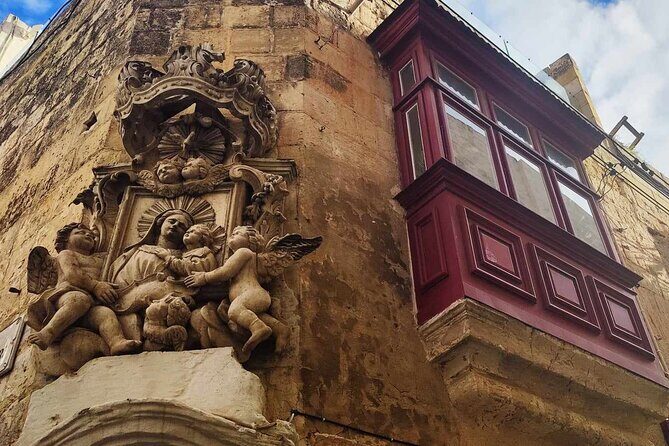
- Stories tied to real places: Expect explanations of palaces, churches, and unusual local history details.
- Works well for first-timers: You’ll get orientation on Malta’s central walled city and the surrounding town.
Mdina and Rabat, in Two Hours: Why This Walk Makes Sense
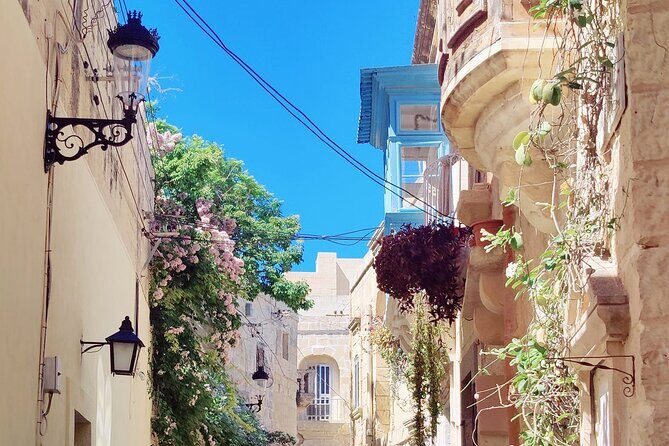
Mdina and Rabat sit close together, but they feel like different worlds. Mdina is the enclosed walled city—quiet streets, old stone, and a sense that time moved slower here. Rabat is the practical neighbor town, with more everyday life mixed into the historic fabric.
That’s why this format works. You’re not trying to “do Malta” in one go. You’re focused on two places that tell the core story of the region: how people lived up in the fortified city, then spread into the surrounding areas. With a guided route, you also skip the guesswork of figuring out what’s worth stopping for.
The tour runs about two hours, with walking time split between the two towns. Starting at Mdina Gate and ending near St. Catald Catacomb gives you a natural progression: you enter Mdina through its main threshold, then finish in Rabat where the history continues underground and at street level.
You can also read our reviews of more guided tours in Malta



Meeting at Mdina Gate: Timing and Getting Your Bearings Fast
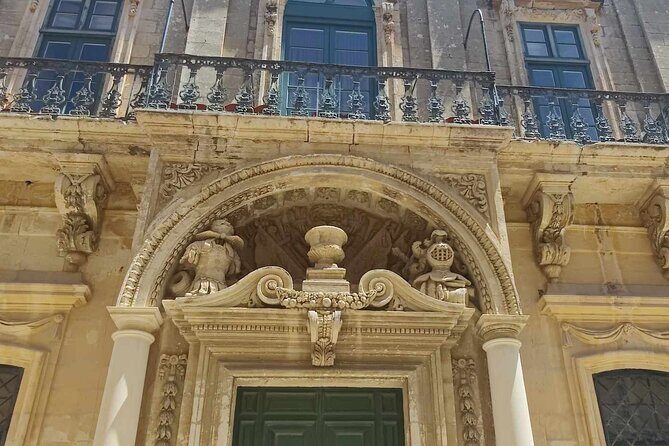
The meeting point is at Mdina Gate (VCM3+V9W) with a 10:00 am start. The tour is designed for a small group (up to 10), which means you’re not hunting for your guide among dozens of people. You’ll also be near public transportation, so if you’re arriving from another part of Malta, it’s usually straightforward to make your start time.
I recommend arriving a few minutes early if you can. Mdina’s streets are narrow, and it’s easy to lose a minute or two at the gate area while you orient yourself. Once the group gathers, your guide will get everyone moving at a sensible speed—slow enough to take in details, quick enough that you still enjoy both towns before the tour ends.
One small but real bonus: because it ends in Rabat, you often avoid the awkward “backtrack for no reason” feeling that can happen when tours start and end in the same spot.
Mdina’s Narrow Streets: Palaces, Churches, and the Details You’d Miss
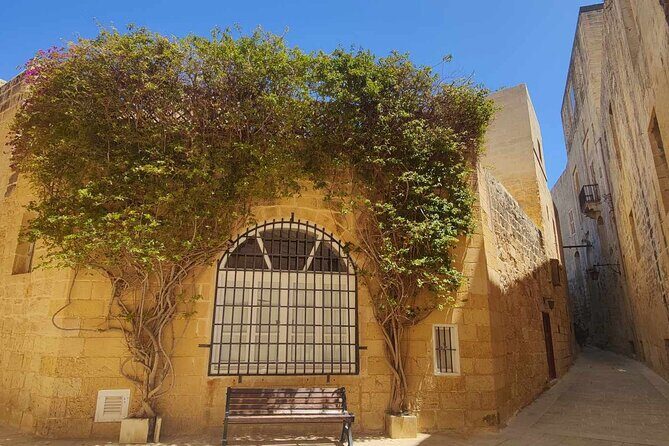
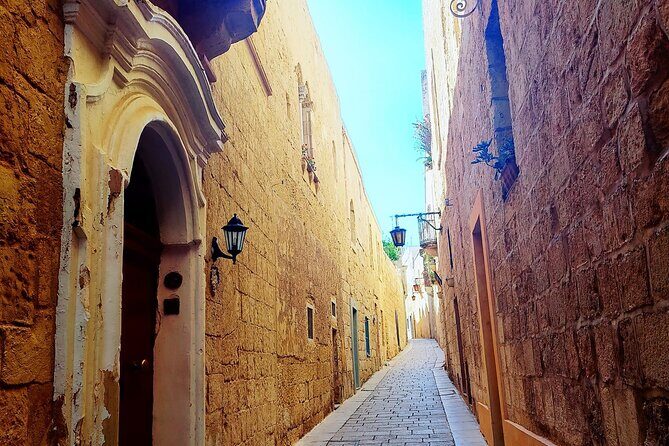
Mdina is the main event, and it’s where you’ll feel the strongest sense of place. For about one hour, you’ll tour the winding streets inside the walled city, listening to stories tied to palaces, churches, and other key stops. Even if you’ve seen photos of Mdina, the guided layer matters because the “cool” isn’t just in the views—it’s in the why.
This is the part where a good guide can turn stone into meaning. Your guide will point out visual cues and explain what you’re looking at: what a building once served, what features suggest about the community, and why certain places became important.
Two specific things I really like about Mdina on a guided walk:
- You don’t just look at churches; you learn how they fit into daily life and the city’s identity.
- You slow down naturally. Instead of rushing from one postcard to the next, you notice the little street turns and architectural leftovers that make Mdina feel lived-in, not staged.
Mdina is also enclosed—so it often feels calmer than the open areas outside the walls. If you want a break from the busiest parts of Malta, this is one of the easiest ways to get it without giving up the historic focus.
Rabat After Mdina: Charm, Character, and History That Goes Below Street Level
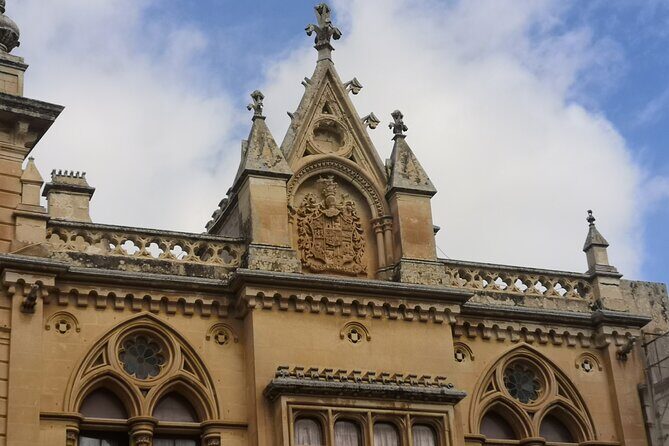
After Mdina, you’ll head into Rabat for another hour. Rabat has a different vibe—more grounded, less “closed city,” and full of historic layers where religious, local, and everyday stories overlap.
Here’s where you can get real surprises. The guide is likely to include offbeat details tied to specific sites. From the stories shared during the tour, one standout example is the Foundling Wheel—a device connected to the story of unwanted babies, placed in a hospital wall in the 1500s so mothers could deposit infants anonymously. It’s the kind of topic you would never stumble across on your own unless someone pointed you to it.
Another memorable thread is the presence of underground and lesser-known religious spaces. There’s mention of an underground church, and that kind of stop changes the whole feeling of the tour. You start noticing that Malta’s history isn’t only about what you see on the surface; it’s also about what was built into the ground and maintained through long eras.
And Rabat isn’t just heavy history. The way the guide talks about the town often comes with practical suggestions too—like places to eat after your walking tour. That matters because you’re finishing in Rabat, and the “what now” question is real.
Licensed Guide + Small Group: The Real Value of This Tour
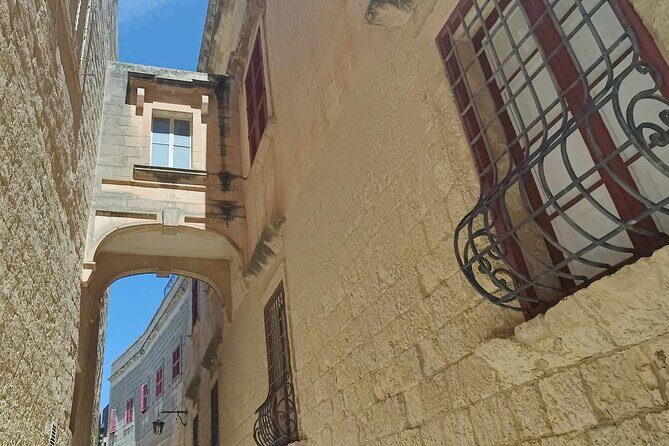
The big selling point here isn’t just that you get someone holding a flag. You get a fully licensed guide, and that licensing matters because it usually correlates with professionalism, route knowledge, and the ability to answer questions without stalling the group.
A small maximum group size (10 travelers) makes the biggest difference in a place like Mdina. Streets are tight. If you have a large group, people bottleneck at every turn. With a smaller group, the tour stays smoother and you can actually hear the guide’s explanations as you walk.
This tour also earns high marks for pacing and Q&A. You’re not stuck listening to a monologue while you drift off. Instead, your guide can adapt to what interests you—architecture, history, or even pop-culture angles. One group experience highlighted how the guide can customize stops for fans of Game of Thrones, including related locations and details. If you’re a fan, it’s a fun reminder that history tours can still feel personal.
Even when the tour is structured, the best guides add human touches—like pointing out photo spots that aren’t instantly obvious, or recommending an after-tour café. In this case, there’s a specific café name that came up during tour experiences: Fontanellla. If you want a simple plan for after you finish, that’s worth writing down.





What to Expect on the Ground: Shoes, Walking Time, and Comfort
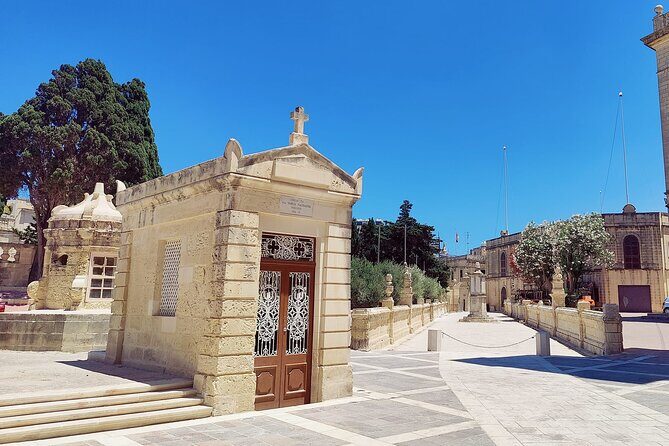
This is a walking tour through old streets, so plan for:
- uneven and narrow paths in historic areas
- a steady walking pace for about two hours total
- stopping often, not speed-walking straight through
The tour notes moderate physical fitness. That doesn’t mean you need to be an athlete—it means you should be comfortable walking through tight lanes and spending time on your feet.
Comfort tips I’d follow:
- Wear shoes with grip. Stone streets can be slick in some weather.
- Bring water if you’re traveling in hotter months.
- If you’re traveling with kids, make sure an adult can stay close—children must be accompanied by an adult.
Also, service animals are allowed, and the tour is near public transportation, which helps if you want to avoid long transfers.
Price and Value: Is $66.26 Worth It?
$66.26 per person for a two-hour guided walk sounds simple, but value comes from what you get beyond “standing in front of a building.”
Here’s what you’re buying:
- A fully licensed guide (not just a casual meet-and-greet)
- a small group (so you’re not stuck behind a crowd)
- guided time split across Mdina and Rabat so you don’t waste half your day traveling between viewpoints
- explanations that connect palaces, churches, and unusual history details like underground sites and the Foundling Wheel
If you’ve ever tried to “self-tour” Mdina and Rabat, you know the problem: you can see a lot, but without context the experience can feel like browsing. This tour fixes that with guided storytelling and a route that keeps you moving from one meaningful stop to the next.
If you’re traveling solo, in a couple, or with a small family, you also tend to benefit more from the smaller group dynamic. You’ll get better interaction and a smoother experience than you would with big groups that spend more time waiting than walking.
Timing Your Day: Pair This Tour With the Rest of Malta
Starting at Mdina Gate at 10:00 am is a smart time. Mdina can feel calmer earlier in the day, and you’ll have Rabat left afterward for lunch, coffee, or a slower browse.
Because the tour ends in Rabat near St. Catald Catacomb, you’ll have a natural jumping-off point. If you want an easy logistics win, plan a late morning meal in Rabat or head back toward your base afterward.
One practical note from real experiences: getting between Valletta and Mdina by ride-share can be straightforward. Ubers to and from Mdina are often reported as easy and inexpensive, which can make your day feel less stressful if you don’t want to rely on public transport.
If you want to mix in nearby sights, consider how you’ll connect by bus or ride. One practical tip that came up in Malta planning: from Dingli Cliffs, taking bus 201 can be a quick way to reach the cliffs in about 15 minutes. That’s not part of this tour, but if you’re building a day around western Malta scenery, it’s a useful shortcut.
Should You Book? Who This Mdina and Rabat Tour Fits Best
Book this tour if you:
- want a guided orientation to Mdina and Rabat without planning a route
- like history that includes real details (not just big monuments)
- appreciate a small group pace where questions don’t feel rushed
- want your morning structured: you get two towns in about two hours
Skip it (or consider another option) if you:
- hate walking on uneven stone streets
- need a tour that returns you to the original meeting point (this ends in Rabat)
- prefer a totally self-guided experience where you can wander without scheduled stops
FAQ
How long is the Mdina and Rabat tour?
It runs for approximately two hours.
How much does the tour cost?
The price is $66.26 per person.
What time does the tour start?
The start time is 10:00 am.
Where does the tour start and end?
It starts at Mdina Gate (VCM3+V9W) and ends in Rabat near St. Catald Catacomb (V9JX+P65).
Is the tour offered in English?
Yes, it is offered in English.
How big is the group?
The tour has a maximum of 10 travelers.
What’s included in the price?
A fully licensed guide is included.
What isn’t included?
Gratuities are not included.
Is the tour suitable for children?
Children must be accompanied by an adult.
What about cancellation?
You can cancel for a full refund if you cancel up to 24 hours before the experience starts.