REVIEW · SENGLEA
Malta Historical Tour: Valletta & The Three Cities
Book on GetYourGuide →Operated by Meet Garage Ltd · Bookable on GetYourGuide
Valletta hits you fast. This 4-hour Malta Historical Tour starts in Valletta and pairs big-sight stops with the feel of a working port city, including St John’s Co-Cathedral and the drama of the Grand Harbour. You’ll also get a real sense of how Malta’s old towns sit across the water in the Three Cities area.
I especially like how the route mixes landmark architecture with the narrow medieval streets you can actually walk and photograph. One consideration: the overall quality can depend heavily on the driver’s commentary, and on one outing a traveler reported very little historical narration and fewer stops than expected.
In This Review
- Key highlights to look for
- Valletta: Malta’s fortified capital in four hours
- St John’s Co-Cathedral and the Upper Barrakka viewpoint
- The Three Cities across the water: Birgu, Cospicua, Senglea
- Fort St. Angelo and the Inquisitor’s Palace: power made visible
- Il-Gardiola Gardens: a calmer pocket after street-level walking
- How the 4-hour pace actually works (and what to prioritize)
- Private group style: flexibility with a real dependency on the driver
- Price and value: $148 for a focused historic circuit
- Who should book this tour
- Should you book? My practical take
- FAQ
- How long is the Malta Historical Tour: Valletta & The Three Cities?
- What does the tour include?
- Is food and drink included?
- Are entrance fees included?
- Is the tour private?
- What language is the driver?
- Does the tour run rain or shine?
- What should I bring?
- Is wheelchair access available?
- Can I cancel for a refund?
Key highlights to look for
- Valletta first, the fortified Baroque capital founded on the order of Grand Master Jean Parisot de la Valette
- St John’s Co-Cathedral and the day-to-day energy of a city that still works
- Grand Harbour viewpoints from Upper Barrakka Gardens for classic postcard angles
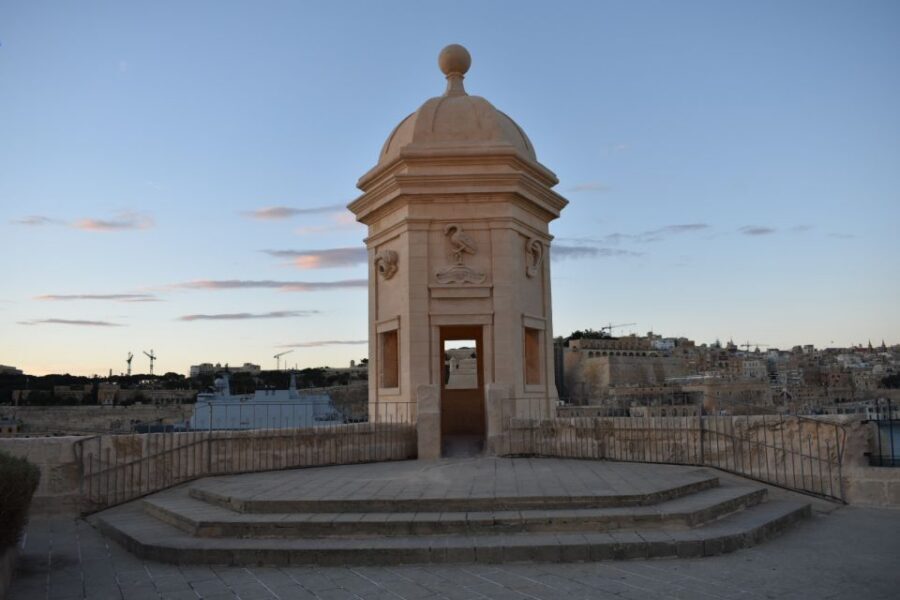
- Three Cities in a single loop: Birgu (Vittoriosa), Cospicua (Bormla), and Senglea (Isla)
- Fort St. Angelo, the Inquisitor’s Palace, and Il-Gardiola Gardens to keep the story moving
- Photo and video opportunities, with short transport hops that save your legs
Valletta: Malta’s fortified capital in four hours
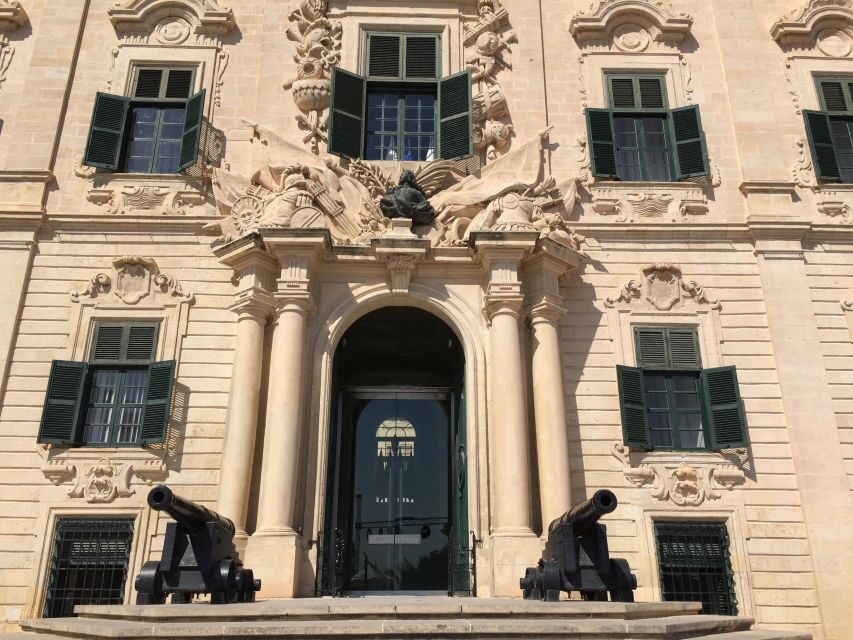
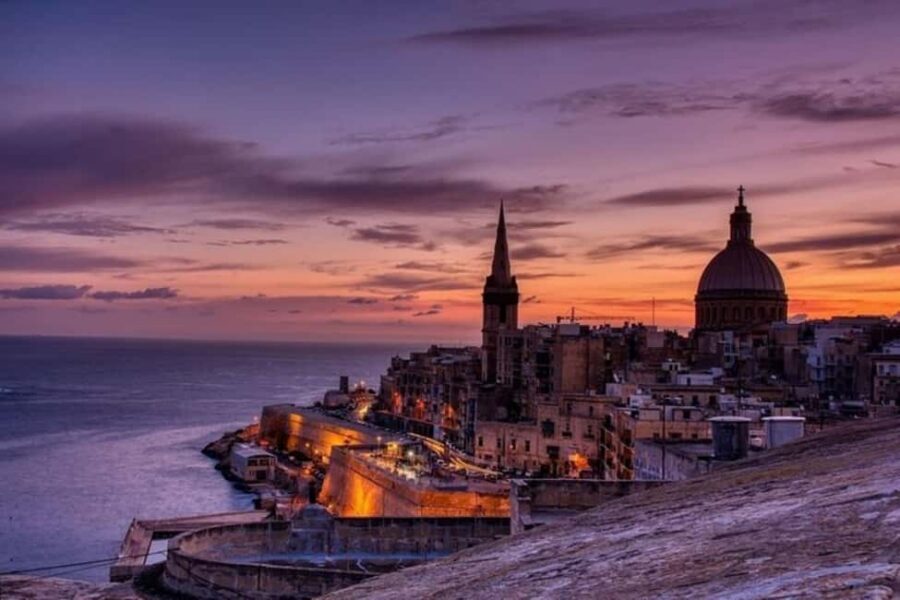
If your Malta time is short, starting in Valletta is a smart move. Valletta was built in the 16th century on the order of Grand Master Jean Parisot de la Valette, and the city layout still feels planned for defense and ceremony. It’s not a museum-only town; it’s busy in the best way, the kind of place where daily life continues right alongside the big sights.
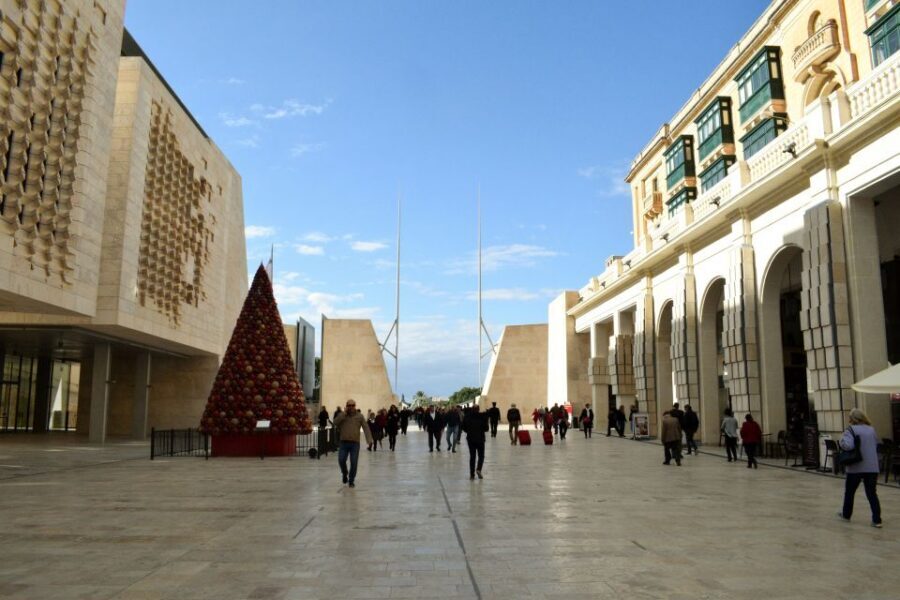
You’ll find a lot to focus on immediately. Valletta is known for its concentration of churches and palaces, and the tour route is built around the most recognizable anchors. Expect streets that are practical to walk but still feel medieval-and-Baroque at the same time, so you can take photos without needing long detours.
Two places I’d circle for your own priorities are St John’s Co-Cathedral and the harbour view from Upper Barrakka Gardens. The cathedral is the kind of site that changes your internal idea of what “church” means here, and the harbour viewpoint gives you the bigger map of the story—why these towns grew where they did and how the Grand Harbour shaped power.
Just note this: because entrance fees are not included, some “inside time” can be affected by what you choose to pay for and what’s practical during your 4-hour window. If you care a lot about getting into specific buildings, build that mindset at booking time rather than assuming every door is included.
You can also read our reviews of more tours and experiences in Senglea.
St John’s Co-Cathedral and the Upper Barrakka viewpoint
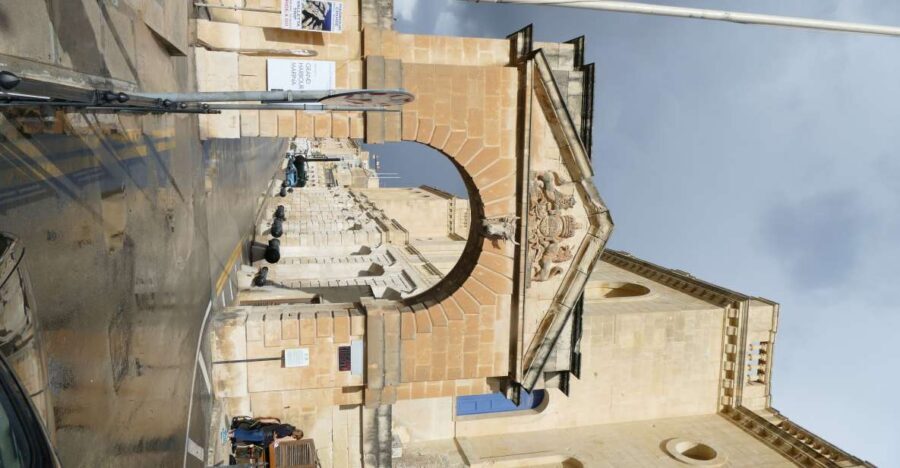
St John’s Co-Cathedral is the signature stop in Valletta for a reason. You’re looking at a major landmark tied to the Knights’ era, and it’s the kind of place where details reward even a short visit. Even if your time inside is brief, being there sets context for everything else you’ll see afterward.
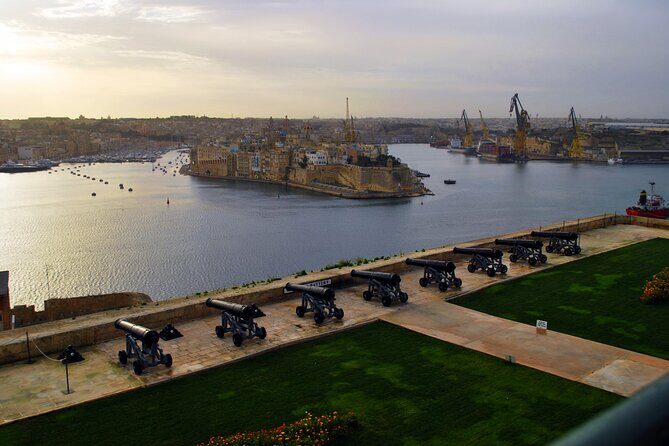
Then comes one of Malta’s easiest wins: Upper Barrakka Gardens. This is where you can step back from the streets and actually see the geometry of the harbour. From this kind of vantage point, the “why” makes sense—Valletta’s walls, the water traffic, and the historic clustering of settlements around the Grand Harbour.
If you’re the type who takes lots of photos, this timing works. Views like this let you do a quick set of hero shots before the day narrows into the smaller, street-level scenes of the Three Cities. And because the tour continues by car across the harbour, you don’t lose time to long transit.
The Three Cities across the water: Birgu, Cospicua, Senglea
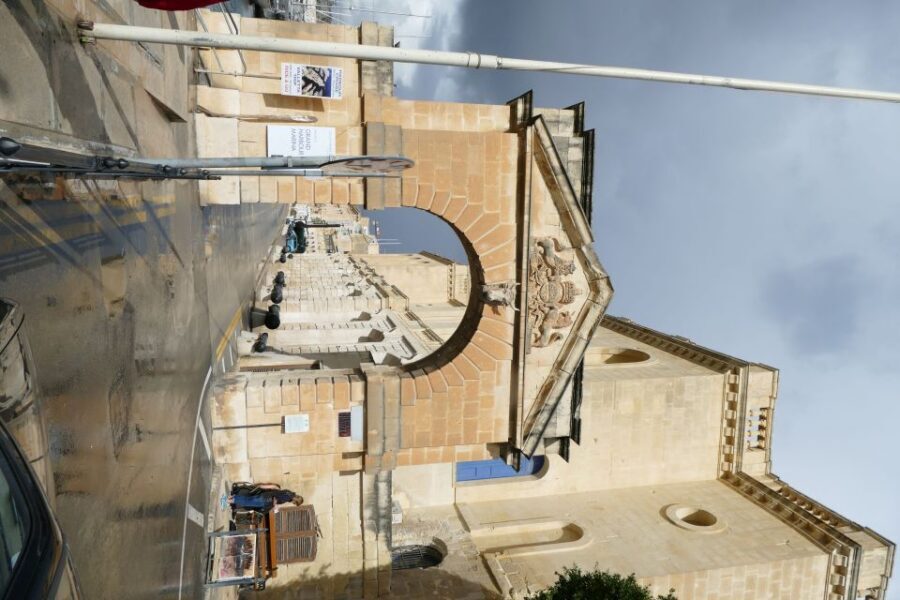
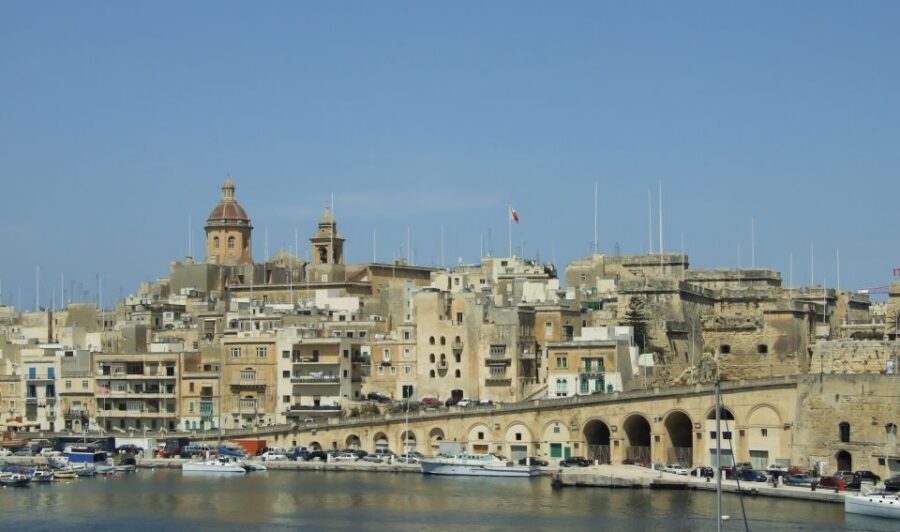
After Valletta, you drive to the other side of the Grand Harbour for the ancient Three Cities: Birgu (also called Vittoriosa), Bormla (Cospicua), and Isla (Senglea). This shift is more than a change of scenery. It’s a change in scale—from the grand capital feeling of Valletta to older settlements whose charm lives in tight streets and close-to-the-ground architecture.
This part is especially good if you like wandering with purpose. The medieval streets are narrow, and that forces you to slow down just enough to notice doorways, corners, and small visual clues. It’s the kind of environment where a photo doesn’t just look pretty; it looks specific to the island’s historic pattern.
Between the three towns, you’ll start to see common threads. They grew around strategic positions and maritime life, and you can feel that in how the city edges meet the waterfront and how the buildings follow the terrain. The tour keeps things efficient by grouping the cities into one loop, so you don’t have to plan a mini road trip on your own.
One thing to keep in mind: a single loop like this can still mean fewer stops than you expect on a given day, especially if time is tight. In one reported experience, a traveler noted not visiting all three cities as originally expected. That doesn’t mean it’s typical, but it does mean you should set your expectations around what’s feasible inside a 4-hour format.
Fort St. Angelo and the Inquisitor’s Palace: power made visible
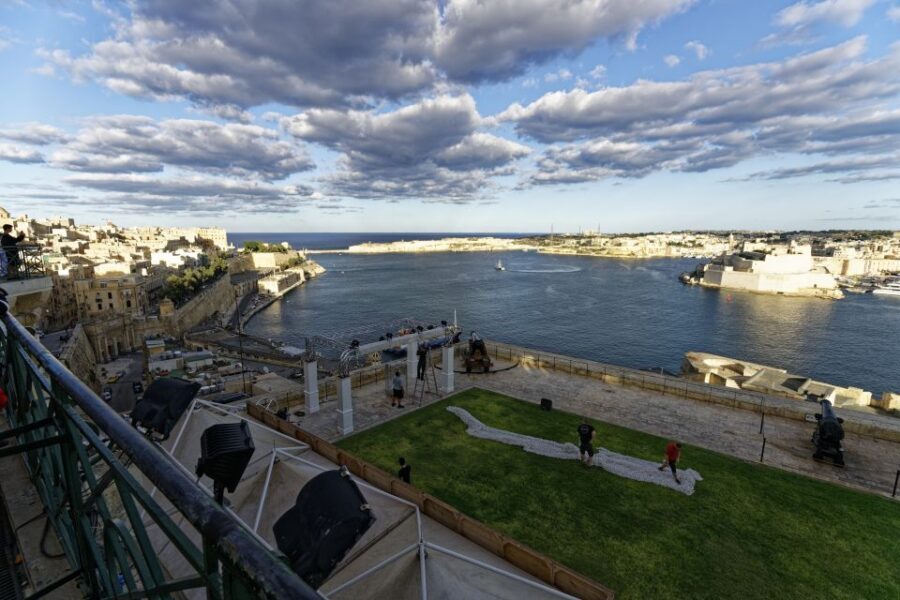
If Valletta is about the big institutional story, Fort St. Angelo and the Inquisitor’s Palace help you feel how that power was exercised. The fortifications are not just a scenic backdrop. They’re part of the island’s defense logic, and the stop gives you a tangible sense of how strategic the harbour side really was.
Then there’s the Inquisitor’s Palace, which adds a different angle: authority, control, and the long shadows of old governance. Even if you don’t go deep into every historical detail, you’ll get the emotional message from the setting. It’s a place where the walls and rooms feel connected to a system rather than a single event.
What I like about pairing these sites with city-walking in the Three Cities is that it prevents the tour from becoming only architecture. You’re seeing how buildings fit into lived space. You’re also getting variety: defensive structure first, then institutional power, then back to streets and gardens.
Il-Gardiola Gardens: a calmer pocket after street-level walking
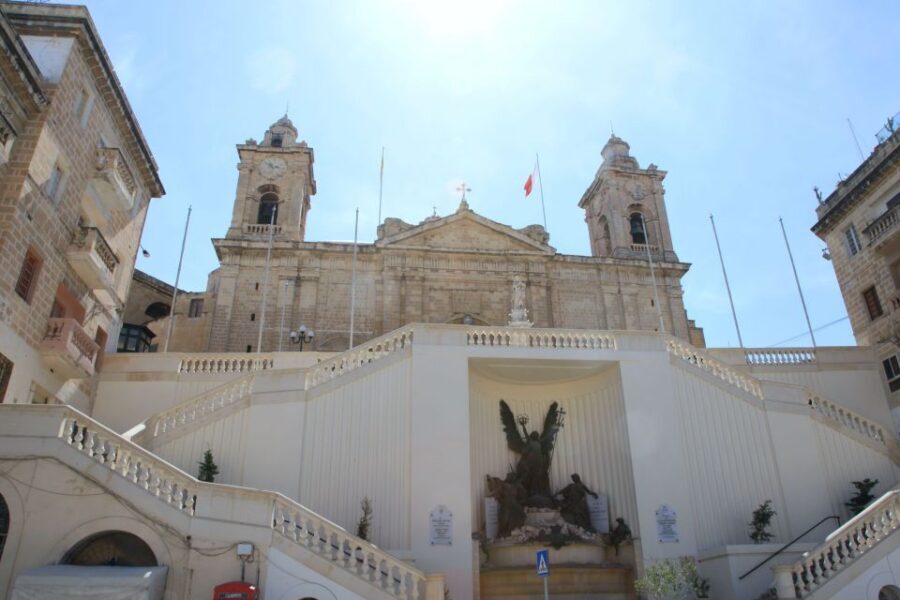
In a tour packed into four hours, a garden stop can feel like a luxury. Here, Il-Gardiola Gardens serves a practical purpose: it resets your eyes. After narrow streets and stone structures, a green pause gives you a different texture for photos and a moment to regroup.
Think of it like a breather that also reinforces the setting. Malta’s sun and stone can get intense, and gardens are where you can slow down without losing the historic thread. It’s also a good place to look back at the surrounding area from a slightly more open perspective.
If you’re traveling with someone who gets tired of constant walking, this is a built-in compromise. You’re still sightseeing, but you’re not constantly stepping up and down narrow lanes.
How the 4-hour pace actually works (and what to prioritize)
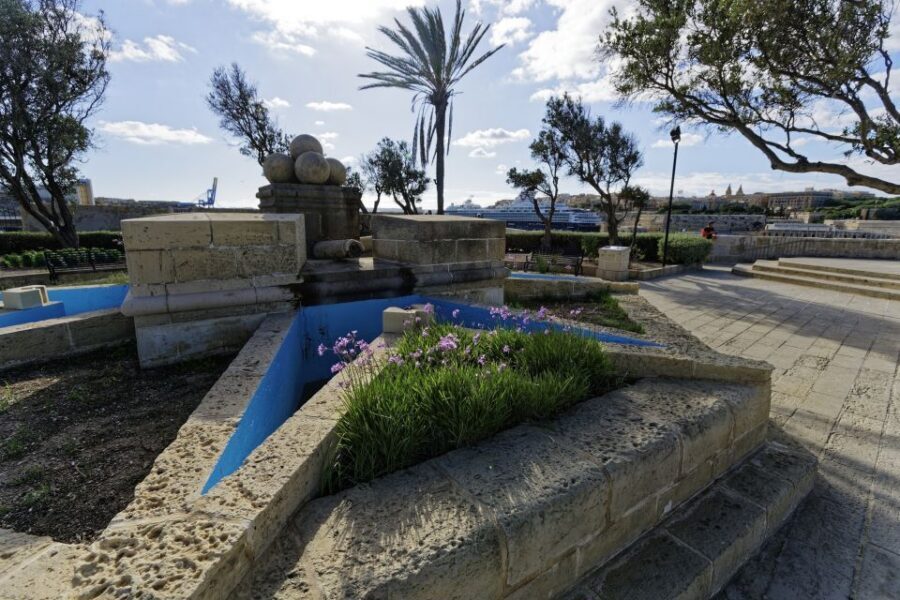
This is a tight, efficient tour: 4 hours from pick-up to drop-off. That time includes driving between Valletta and the Three Cities, plus time spent on stops and photos. In practice, that means you should think of each location as a “main focus” moment rather than a long, slow exploration.
Here’s a smart way to plan your own priorities:
- If St John’s Co-Cathedral is your top must-see, treat it as your anchor and let the rest slot around it.
- If you’re a photo-first traveler, plan to spend a little extra time at Upper Barrakka Gardens and then keep moving with purpose once you’re back on the streets.
- If you’re more into fortifications and institutions, Fort St. Angelo and the Inquisitor’s Palace deserve your closest attention.
Also, the tour is described as operating rain or shine, so wear shoes that handle wet stone and uneven ground. Comfortable footwear matters here more than anything else—your legs and ankles will do the real work.
One more practical note: entrance fees are not included. So if you want to go inside certain buildings, budget extra time and money accordingly. For a short tour, entrance choices can change how much you see overall.
Private group style: flexibility with a real dependency on the driver
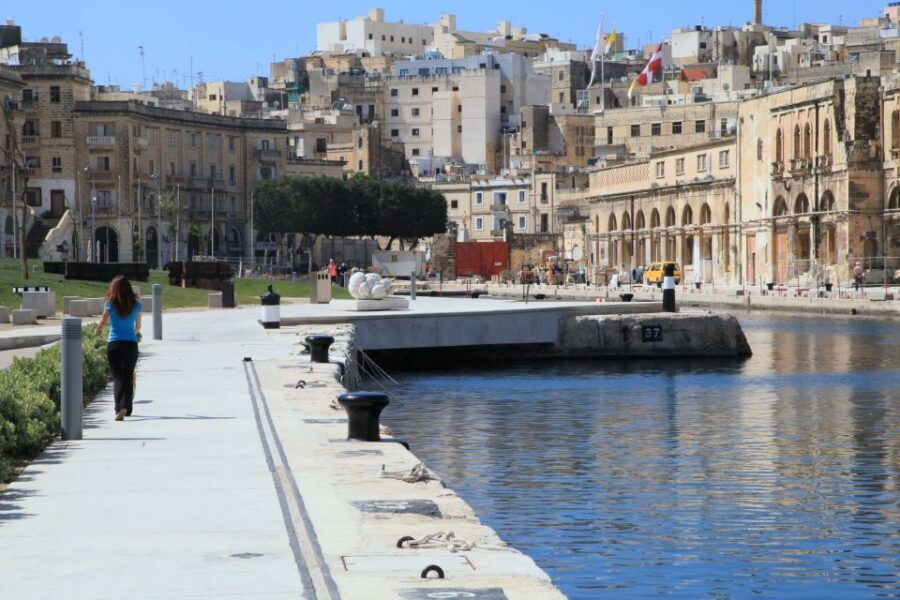
This is set up as a private tour catering for 2 to 19 people. Private doesn’t just mean less crowded—it should also mean the guide can adjust pacing to your group. You’ll have the driver guiding the flow and handling the hop between areas.
The driver is listed as English, and pick-up is included from your hotel or location. The driver will be holding a sign that says Meet Garage, which is helpful if you’re staying in a hotel with lobby staff or a busy street where people get mixed up.
Here’s where I’ll be honest: the experience quality can hinge on driver narration. One detailed negative account described a driver with minimal commentary, leaving the traveler to rely on a paper guide that was prepared well. Another reported issue was that a city stop changed and a long wait happened in a different area. That’s not the promise on paper, but it is a reminder to ask yourself: do you want a more scripted, talk-through style, or are you happy with a mostly stop-and-look experience?
If you’re the kind of traveler who likes history explained out loud, choose your expectations accordingly and bring a backup plan: your phone camera, a charged smartphone, and a willingness to read whatever materials are available on-site.
Price and value: $148 for a focused historic circuit
The price shown is $148 per group up to 4, which is how most private-arrangement pricing works. The value here is not just the destinations; it’s the time-savings and coordination.
In four hours, you’re covering:
- Valletta, including major landmark context
- The harbour side shift across to the Three Cities
- Stop clusters like fortifications, a palace, and a garden
If you were trying to do this on your own, you’d spend time figuring out where to stand for views, which streets to walk, and how to thread the harbour geography efficiently. You’d also deal with the friction of transport between areas while staying on a short schedule.
Your best value is when you match the tour style: you’re ready to walk a bit, take photos, and accept that some locations may be shorter than you’d like if entrances require extra time or fees.
If you want an all-day deep study with long indoor time, a four-hour circuit may feel rushed. But if you want the main story of Valletta and the Three Cities without planning headaches, this price can make sense.
Who should book this tour
I think this tour fits best if you:
- Have a short visit and want a high-impact Valletta + Three Cities overview
- Like walking old streets but still want help with sequencing and transport
- Want landmark variety: cathedral, fortifications, palace, and gardens
- Prefer a private group setup with pick-up and drop-off
It may not be ideal if you:
- Expect a very talkative guide every minute and only want fully guided commentary
- Want guaranteed long indoor visits across multiple buildings without paying entrance fees
- Are easily thrown off by tight pacing and photo stops that come and go quickly
Should you book? My practical take
Yes, I’d book it if you’re planning a first visit to Valletta and you want the easiest way to connect the capital to the Three Cities in one smooth 4-hour run. The combination of Valletta’s key landmarks plus Fort St. Angelo, the Inquisitor’s Palace, and Il-Gardiola Gardens gives you variety without requiring you to design a complex plan.
I’d also go in with two grounded expectations. First, bring money for entrance fees if you want to go inside. Second, if you care deeply about live commentary, be ready that the day-to-day delivery can vary, so rely on whatever written materials are provided and use your own photos and notes to build the story as you go.
If your priorities are clear and you’re comfortable moving at a brisk historic pace, this is a solid, time-efficient way to see the Malta that most visitors only skim.
FAQ
How long is the Malta Historical Tour: Valletta & The Three Cities?
The tour duration is 4 hours.
What does the tour include?
It includes hotel/location pick-up and drop-off, starting in Valletta, visiting the Three Cities of Senglea, Cospicua, and Birgu, and a private tour presented for 2 to 19 people.
Is food and drink included?
No. Food and drinks are not included.
Are entrance fees included?
No. Entrance fees are not included.
Is the tour private?
Yes, it is presented as a private group tour.
What language is the driver?
The driver is listed as speaking English.
Does the tour run rain or shine?
Yes, it runs rain or shine.
What should I bring?
You should bring comfortable shoes, a camera, a charged smartphone, and a hat.
Is wheelchair access available?
Yes, the tour is listed as wheelchair accessible.
Can I cancel for a refund?
Yes. Free cancellation is available up to 24 hours in advance for a full refund.