REVIEW · SLIEMA
From Sliema: Cruise Around Malta’s Harbours & Creeks
Book on GetYourGuide →Operated by Robert Arrigo & Sons Limited · Bookable on GetYourGuide
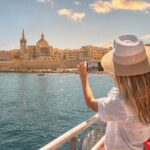
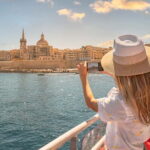
A Malta harbour cruise gives you the island’s layout fast. I love how this 90-minute loop makes Valletta and the Three Cities feel close, even though they’re spread out along the water. From Sliema you glide past working docks and historic fortifications, while English audio keeps you pointed at what you’re seeing.
My favorite part is the viewpoint. You get to watch fort walls, bastions, and marinas unfold from the sea, so Malta’s defensive design makes sense in a way photos on land usually don’t. Second, the pace is easy: you can sit, rotate your camera, and actually absorb the scenery instead of rushing through streets.
One thing to think about: this is not a calm, cushy ride. It isn’t suitable for people prone to seasickness or motion sickness, and the boat isn’t wheelchair-friendly.
In This Review
- Key Things I’d Prioritize on This Cruise
- Why This Malta Harbour Loop Works So Well for First-Timers
- Setting Off From Sliema Ferries: Quick, Simple, and Scenic
- Manoel Island and the Yacht Marinas: Malta’s Water World on Display
- Marsamxett Harbour: Where Valletta’s Other Side Begins
- Valletta From the Water: St Andrew’s Bastions to Fort St Elmo
- Grand Harbour and Floriana: Big Port Views Without the Confusion
- The Marsa Creeks and the Shipyard Feeling: Malta’s Working Side
- The Three Cities From Sea Level: Birgu, Senglea, and Cospicua
- Kalkara, Rinella Bay, and Fort Ricasoli: The End-Game Fort Views
- The Audio Commentary: Useful, Not Overbearing
- Price, Timing, and Getting the Best Experience for $24
- What to Bring (So You’re Not Thinking About It Mid-Cruise)
- Who This Cruise is Best For
- Should You Book This Harbour and Creeks Cruise?
- FAQ
- Where does the cruise depart from?
- How long is the cruise?
- How much does it cost?
- What’s included?
- Is the audio commentary available in English?
- Is food or drinks included?
- What should I bring and wear?
- Is this cruise suitable for wheelchairs or people prone to seasickness?
- What happens if the cruise is canceled due to weather?
Key Things I’d Prioritize on This Cruise
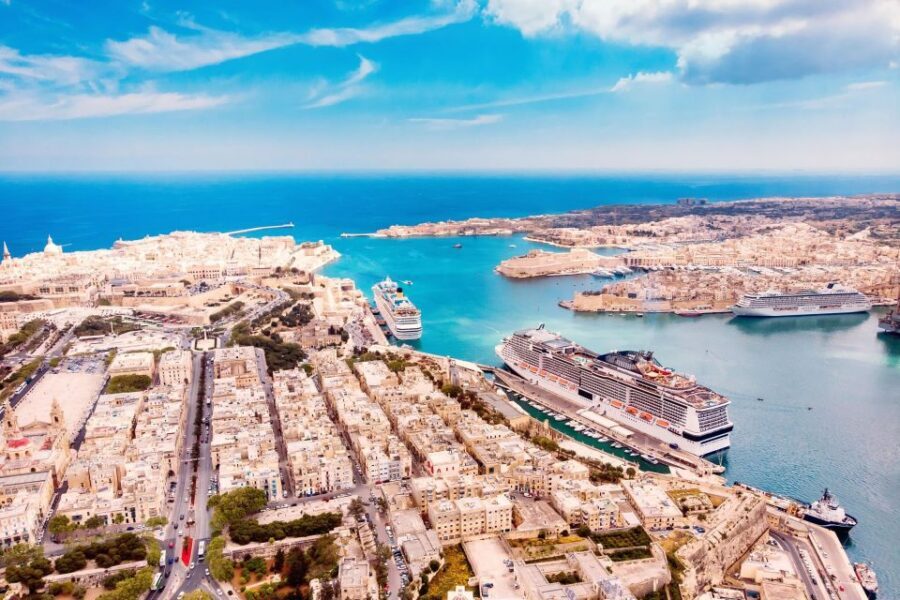
- Marsamxett Harbour and Grand Harbour views from the water, including the big geometry of Valletta’s fortifications
- Three Cities sightlines (Vittoriosa/Birgu, Senglea, Cospicua) in one smooth stretch
- English audio commentary that stays “on time” with what you’re passing
- Lots of photo angles around shipyards, bays, and bastions without heavy crowds
- A ride that’s usually comfortable, but wind can pick up, so dress for it
Why This Malta Harbour Loop Works So Well for First-Timers
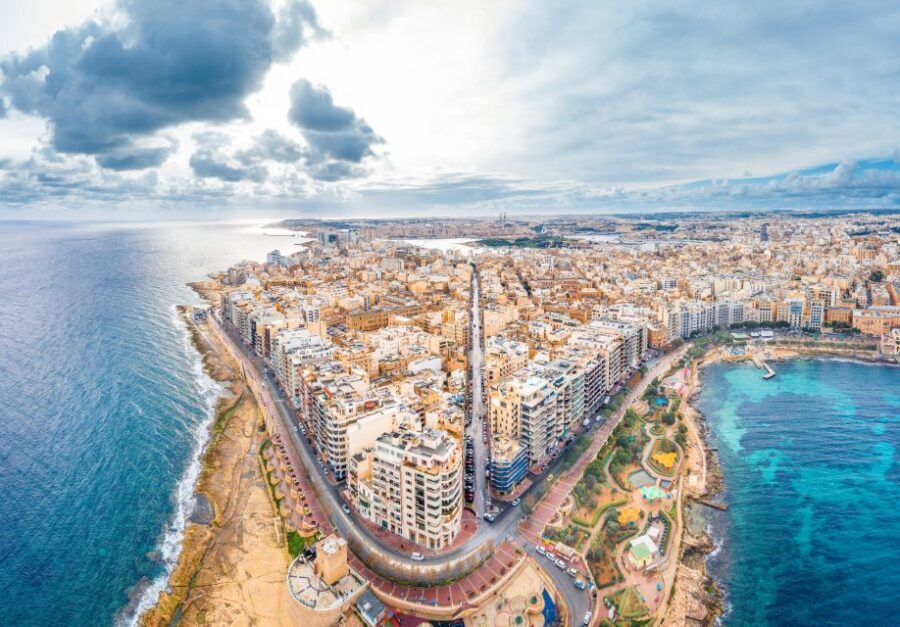
If you’re new to Malta, Valletta can feel like a steep puzzle: beautiful, dense, and built for defense. This cruise turns that puzzle sideways by putting you at water level. Suddenly the harbours stop being background scenery and become the reason the cities look the way they do.
At 90 minutes and $24 per person, you’re buying time and perspective. Instead of one long walking day, you get a broad sweep of the coast—Grand Harbour, Marsamxett Harbour, and the creeks hugging Valletta—plus the chance to see the island’s ports as ports, not just postcards.
You can also read our reviews of more boat tours in Sliema
Setting Off From Sliema Ferries: Quick, Simple, and Scenic
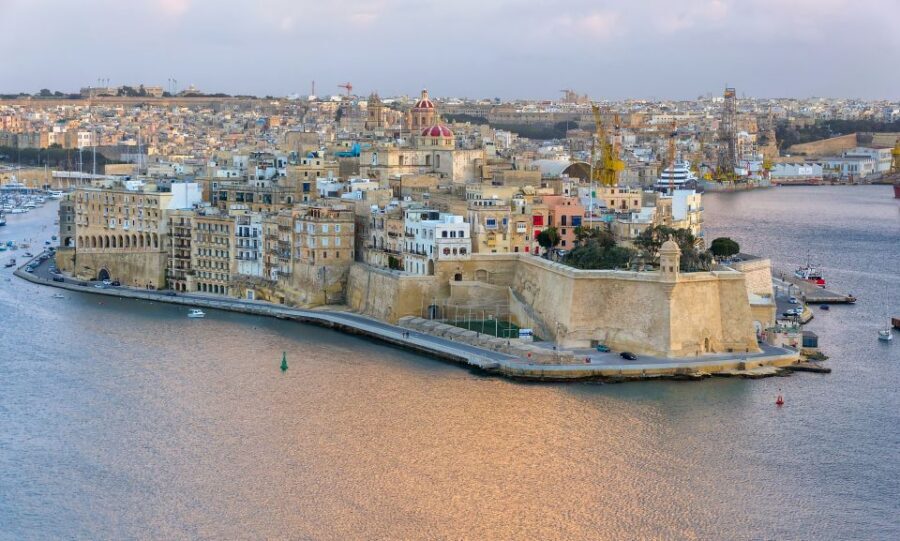
The boat departs from Sliema Ferries, Triq Ix-Xatt, near the Ferries 4 bus stop. I like that the meeting point is straightforward, and you don’t need a complicated plan to start—just show up 10 to 15 minutes early.
As you pull away, you’re immediately in that “right speed” for pictures: Sliema’s shoreline and the promenade area slide past, then the marinas and islands begin to frame the view. It’s also a good moment to pick a side for photos, because the route later brings you close to major fortifications and bays.
Manoel Island and the Yacht Marinas: Malta’s Water World on Display
One early stop is Manoel Island (Gżira), which helps you understand how Malta’s harbours are layered. This isn’t open ocean; it’s a series of protected basins and working waterways. From the boat, the island and nearby edges look like they’re built to control movement—exactly what you’d expect from Malta’s history.
After that, you pass the Manoel Island Yacht Marina and continue through a run of waterfront points, including Lazzaretto and Ta’ Xbiex. You’ll also see Msida Yacht Marina and areas around Pietà and Sa Maison Ferry Terminal. Even if you’re not a marina person, it’s useful to spot the mix: leisure boats, ferry activity, and older waterfront structures all living in the same restricted space.
Marsamxett Harbour: Where Valletta’s Other Side Begins
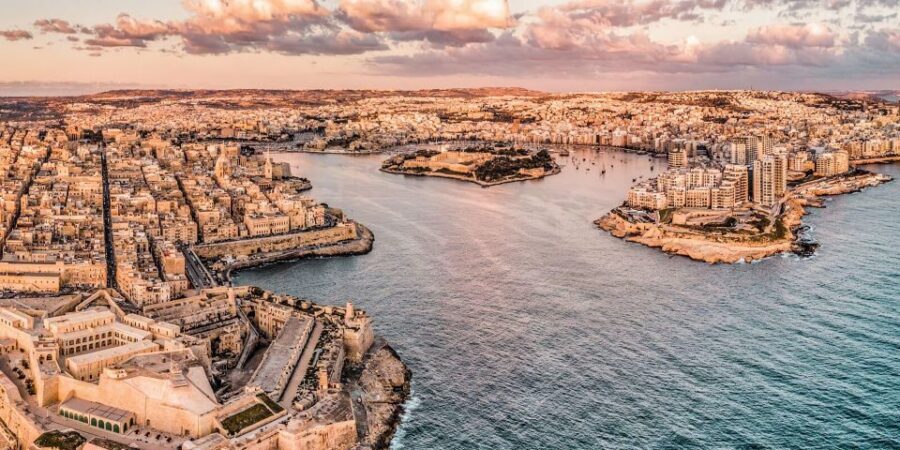
The cruise then reaches Marsamxett Harbour (Gżira), which is a big “aha” moment for many first-timers. On land, you mainly see the dramatic stone of Valletta. From the water, Marsamxett Harbour shows you the softer edges too—creeks and channels that create multiple approaches to the capital.
This part matters because Marsamxett is connected visually to the way Valletta faces the sea. It gives you a sense of how the city could be reached (and protected) from more than one direction. If you’re planning your Malta itinerary, think of this harbour section as your orientation window.
Valletta From the Water: St Andrew’s Bastions to Fort St Elmo
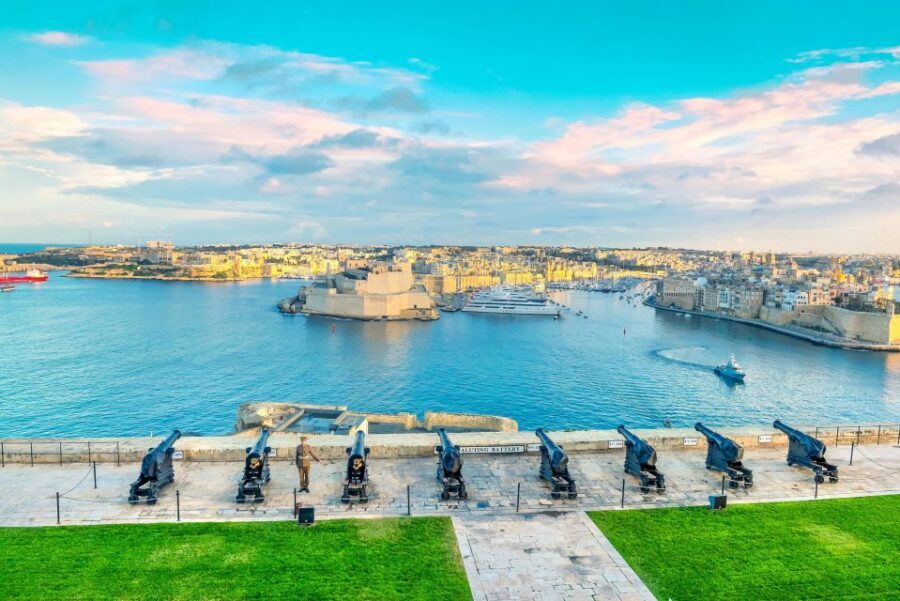
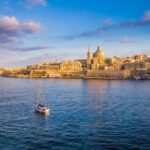
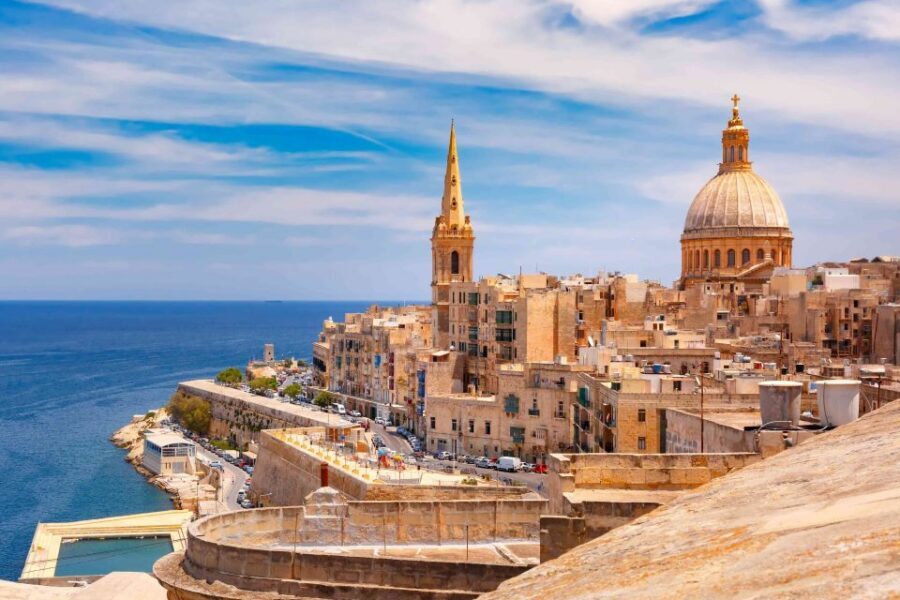
Once you’re cruising in front of Valletta, the story becomes clearer. You pass St. Andrew’s Bastions and Vendôme Bastion, and the design reads like a plan rather than random angles. These are the kinds of structures that can look confusing when you stand below them. From the boat, you can see their relationship to the harbour.
Then comes National War Museum – Fort St Elmo and St Elmo Bay. Fort St Elmo is one of those sites you’ll hear about in Malta, and viewing it from the water gives it scale. You don’t just see stone; you see a position meant to watch and control the approaches to the harbour.
I also like that this segment is tied to the audio: the commentary helps connect each bastion or bay to why it exists. People with good spatial sense tend to get the most out of this part, but even if you don’t, the visual cues do the heavy lifting.
Grand Harbour and Floriana: Big Port Views Without the Confusion
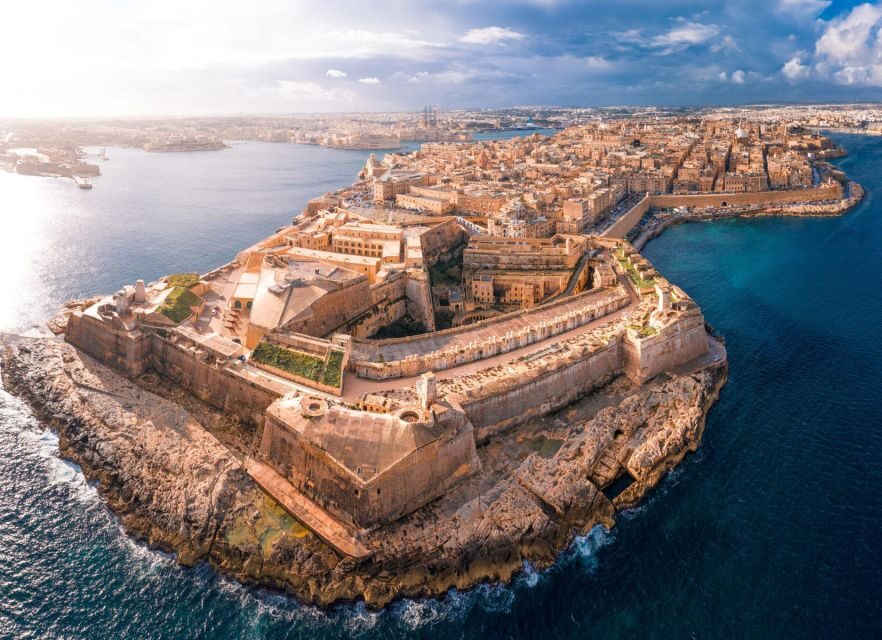
Next you roll into the Grand Harbour (Valletta), then pass Floriana. This is the “big Malta” view: more ships, more dockyard energy, and a wider sense of how the harbour functions. It’s also where you get that classic Malta feel—stone fortifications rising from a waterline shaped by centuries of use.
If you’ve spent your day walking in old streets, this section feels like a reset. You’re still sightseeing, but your eyes get a horizon. Reviews often mention the ride staying relaxed, and in this portion you feel why: the boat keeps moving, but you’re not constantly climbing stairs or dodging crowds.
The Marsa Creeks and the Shipyard Feeling: Malta’s Working Side
One of the more interesting stretches is around Marsa creeks and the Palumbo Malta shipyard. This isn’t scenery meant to flatter you. It’s the reality of Malta’s maritime world—industrial edges, busy infrastructure, and the practical business of getting boats built and maintained.
This part is valuable because it balances the postcard side. Malta’s fortifications and historic cities are dramatic, yes. But the harbours are still in use, which is part of what makes the whole island feel alive. You get history plus industry in one smooth cruise, and that blend is hard to recreate with walking-only plans.
The Three Cities From Sea Level: Birgu, Senglea, and Cospicua
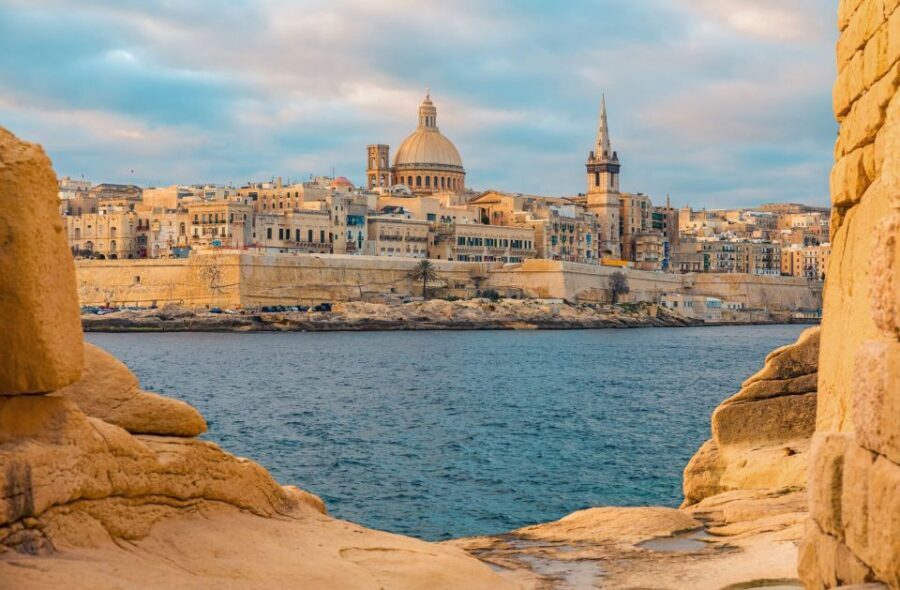
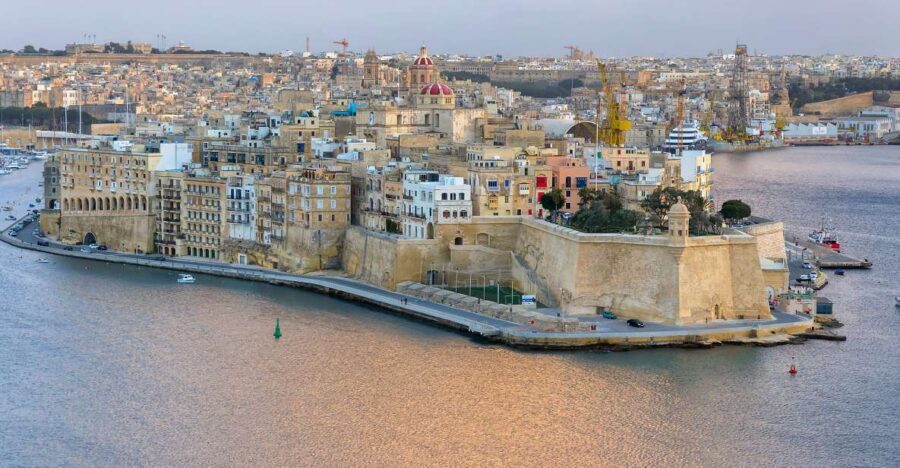
Then the route reaches Cospicua, Senglea, and Fort St Angelo (Birgu), with Birgu following as you continue. This is where the cruise earns its reputation as a must-do.
Seeing the Three Cities from the water is different from looking at them across a street. You understand how they’re arranged along the harbour. And you can spot fortifications and defensive lines as functional shapes instead of isolated landmarks.
A practical tip I’d follow: if you’re aiming for the closest views and best angles, sit in a position that faces the route’s key moments. Some people recommend choosing the right side of the boat for more “up close” sightlines, and it makes sense—water routes can shift the geometry of where you get tight shots.
Also, don’t rush this part. The Three Cities are most impressive when you let your eyes track the shoreline’s rhythm: walls, bays, and the ways the harbours wrap around these towns.
Kalkara, Rinella Bay, and Fort Ricasoli: The End-Game Fort Views
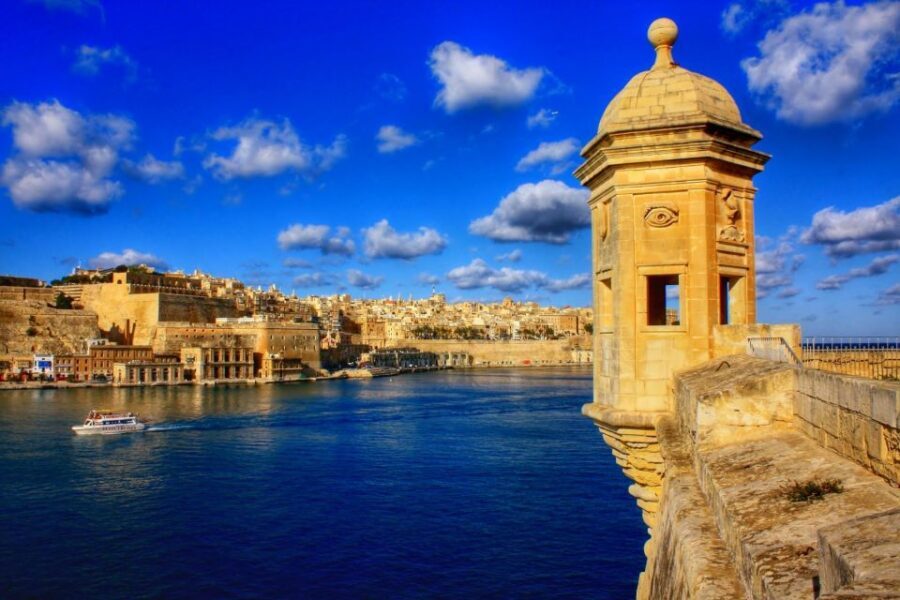
Toward the latter stretch, the cruise moves into Kalkara and Rinella Bay. You’ll also pass Fort Ricasoli (Kalkara), which is another strong “from-the-water” moment. Forts on land can look like stops. On the water, they look like positions—built to command space and movement around the harbour.
Rinella Bay and the surrounding coastline help complete the circle. You’ve been traveling through harbours and creeks that connect Valletta to the rest of the island, and now you see how the coastline continues beyond the capital’s immediate edges.
Then you return toward Sliema Ferries (Ferries 4), with the cruise keeping a steady rhythm until you reach the finish.
The Audio Commentary: Useful, Not Overbearing
This cruise includes audio commentary in English, and the overall impression is that it stays helpful without turning into a lecture. People describe it as informative and timely—meaning the points usually match what you’re passing rather than dragging behind.
I’d treat the audio like a pair of binoculars. When you hear about bastions, fortifications, or specific bays, look up from the water and focus on the structures at that moment. That’s how the explanations turn into understanding.
One caution: a small number of comments suggest the prerecorded audio may feel a bit dated in places. Even if that’s true for your exact sailing, the visuals are doing most of the work, and the main benefit remains the “see it from here” factor.
Price, Timing, and Getting the Best Experience for $24
At $24 per person for about 1.5 hours, this is solid value if you’re trying to make your Malta time efficient. You’re paying for three things: a moving viewpoint, a route that ties together multiple major sites, and the audio layer that makes it easier to interpret what you’re seeing.
Timing matters too. Many departures are popular, but the ride tends to be manageable—some people note it’s not too crowded on morning or specific departures, and that you can still find a seat and enjoy the views. If you want photos without constant shifting, aim for a time that matches the light you like, and arrive early enough to claim a good spot.
Comfort-wise, reviews mention clean boats and plenty of seating. You’ll likely spend most of the time outside or near open areas depending on weather. That brings me to the real-world advice: wind can be part of the experience, especially in cooler months, so bring layers.
What to Bring (So You’re Not Thinking About It Mid-Cruise)
The cruise asks you to bring comfortable shoes and sunscreen. Even if you’re mostly seated, you’ll likely be out on deck with sea wind and strong sun. And since the boat isn’t designed for wheelchairs, plan to board and move at your normal walking pace.
If you’re sensitive to motion, be honest with yourself. The experience lists it as not suitable for people prone to seasickness or motion sickness, and that’s worth respecting. It’s not a verdict on your character—just a matter of comfort in a moving harbor environment.
Who This Cruise is Best For
This is a great fit if you want:
- A first-day orientation to Valletta and the harbour system
- A low-effort way to see the Three Cities without hopping between bus stops
- A sightseeing plan that mixes historic forts with the working feel of marinas and shipyards
It’s less ideal if you need wheelchair access or if you know you react badly to boat movement. Also, you shouldn’t expect food and drinks as part of the ticket. If you want a snack plan, you’ll need to handle that separately.
Should You Book This Harbour and Creeks Cruise?
If your main goal is to understand Malta’s shape—where Valletta sits, why the fortifications matter, and how the island’s harbours connect—you should book this. For $24 and about 90 minutes, you get a lot of Malta’s most photogenic structure in one smooth loop, plus English audio that keeps you from staring at landmarks without context.
I’d book it especially if you’re short on time or you want a day that doesn’t require another long walking slog. Just pick a departure that matches your comfort with wind and motion, and show up early so you can settle in where you’ll have the best views.
FAQ
Where does the cruise depart from?
The boat departs from Sliema Ferries, Triq Ix-Xatt, Sliema, near the Ferries 4 bus stop.
How long is the cruise?
The duration is about 1.5 hours (about 90 minutes).
How much does it cost?
It’s listed at $24 per person.
What’s included?
You get a sightseeing cruise and audio commentary.
Is the audio commentary available in English?
Yes. The audio guide is in English.
Is food or drinks included?
No. Food and drinks are not included.
What should I bring and wear?
Bring comfortable shoes and sunscreen.
Is this cruise suitable for wheelchairs or people prone to seasickness?
No. It’s not suitable for wheelchair users and it’s also not suitable for people prone to seasickness or motion sickness.
What happens if the cruise is canceled due to weather?
If canceled due to poor weather/sea conditions or strong winds, you’ll be offered a reschedule date. If you can’t reschedule, you’ll receive a full refund.